


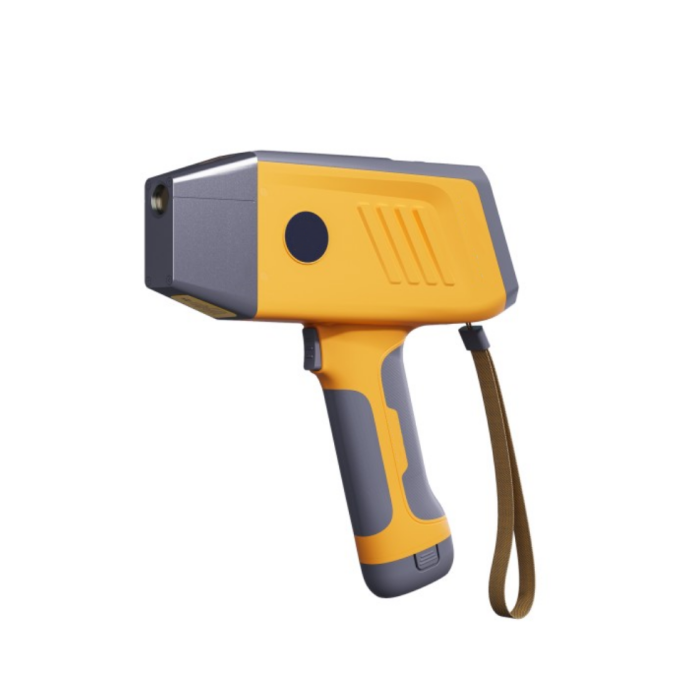

| parameter
|
Detailed information
|
| Main configuration
|
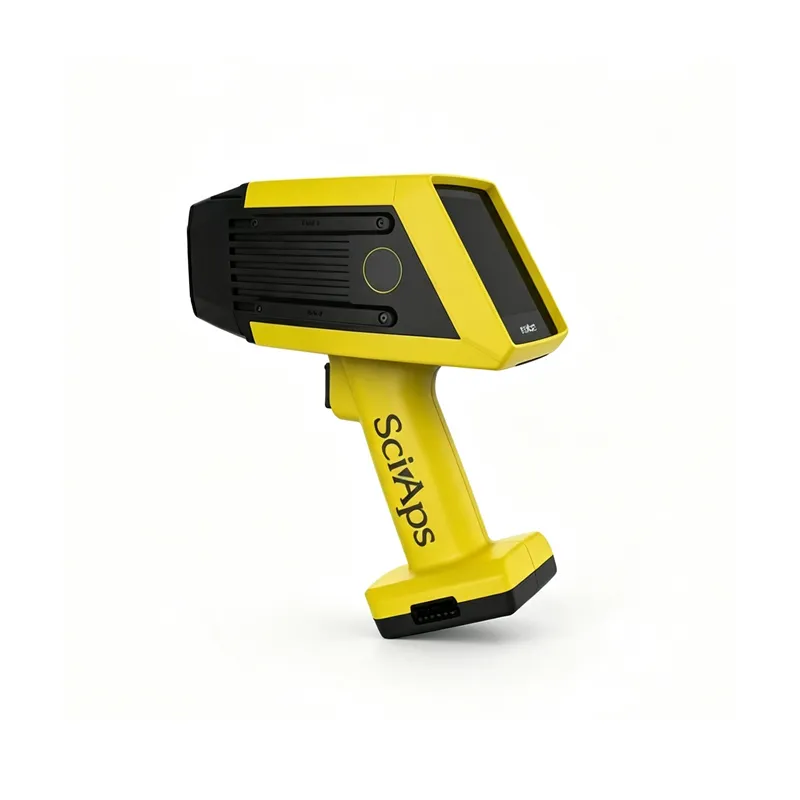
1. One main unit of ore analyzer; 2. One standard sample; 3. Two original rechargeable lithium batteries; 4. Charging base and power cord; 5. One 32G USB flash drive; 6. Five sheets of reinforced polypropylene film; 7. One standard portable moisture-proof and shockproof box.
|
| Standard configuration
|
Ore mode; Optional modes: Alloy analysis mode, Soil analysis mode
|
| Self-diagnostic function
|
The instrument can automatically diagnose the status of hardware, software, network, battery, etc., and generate logs to quickly troubleshoot problems.
|
| operating system
|
Windows CE 6.0 operating system, safe and reliable.
|
| Test methods
|
Employing a basic parameter method that supports empirical coefficient correction, testing can be initiated by a light touch or pull of the trigger, eliminating the need to hold the trigger for an extended period during the test. Continuous trigger-pulling testing can also be configured upon request.
|
| Filter
|
It is equipped with 8 filters that can automatically switch according to the element being detected.
|
| Excitation source
|
High-power miniature straight-plate X-ray tube, tungsten target, 4W high-power X-ray tube, tube voltage 50KV, maximum current up to 100 μA; employing KMX technology, it features a higher X-ray count rate and ultra-low electronic noise design. Under normal circumstances, no external standard samples are required before each detection; supports automatic energy calibration and verification.
|
| detector
|
The detectors used include the American Moxtek Si-PIN detector (6 mm²), the American Amptek Si-PIN detector (25 mm²), and the German KETEK SDD detector.
|
| Detecting elements
|
It can be used for the detection of metal elements in ores and soil environments, including Ti, V, Cr, Mn, Fe, Co, Ni, Cu, Zn, Hf, Ta, W, Hg, Se, Au, Br, Pb, Bi, Zr, Nb, Mo, Ag, Cd, Sn, Sb, Re, Ir, Pt, Hg, Ru, Rh, Pd and other elements.
|

Hardness-TesterHVS-1000-1.jpg?x-oss-process=image/resize,h_1200,m_lfit/format,webp)



-1.jpg?x-oss-process=image/resize,h_1200,m_lfit/format,webp)


