
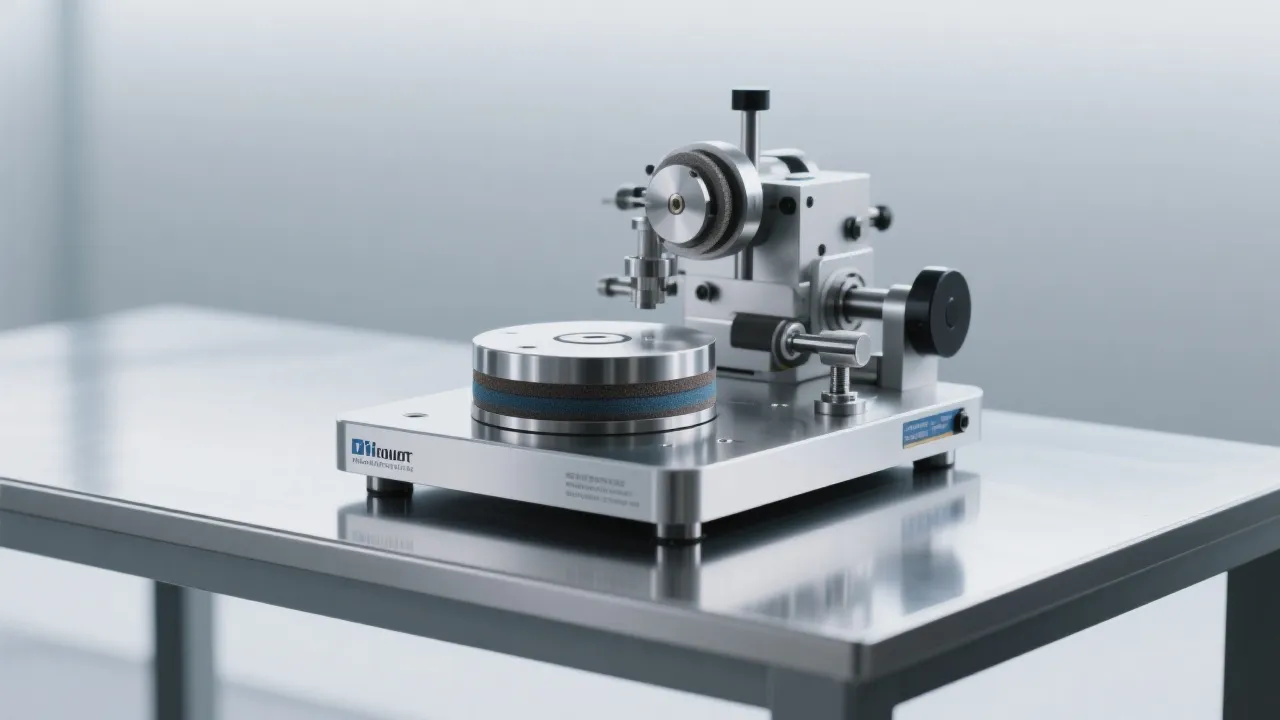
In metallurgical labs around the world, precision starts with preparation—and that begins with polishing. A high-performance multi-functional polishing machine isn’t just a tool; it’s an investment in accuracy, consistency, and long-term productivity. But how do you choose one that truly meets your needs?
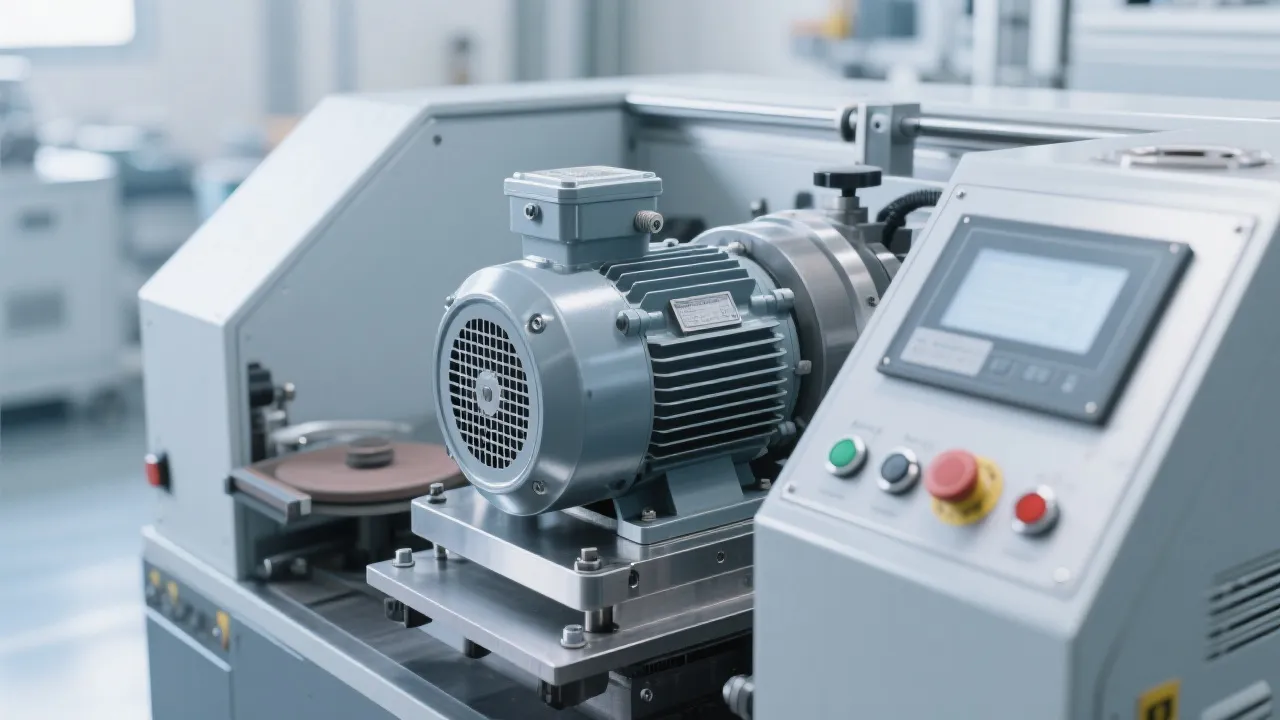
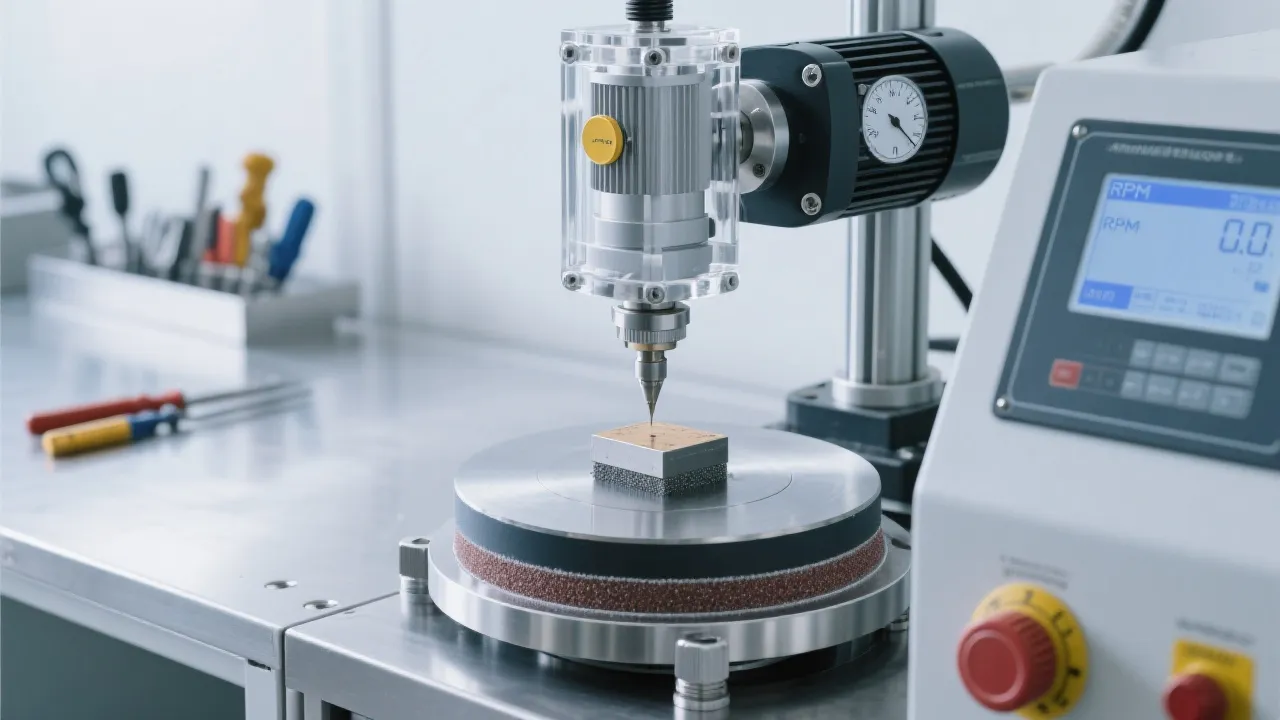
When evaluating a polishing system, focus on four critical factors: functionality integration, motor power, speed range, and material durability.
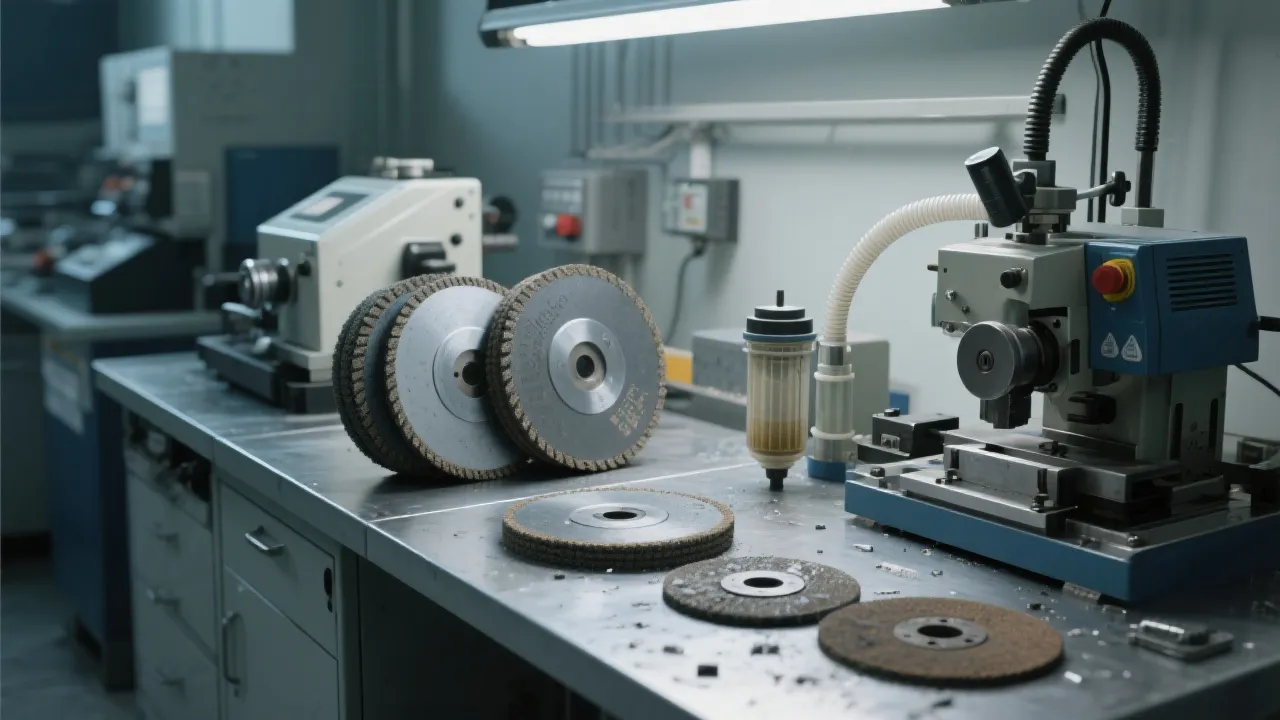
Real-world testing shows that equipment built with durable materials lasts 3x longer in high-volume labs compared to cheaper alternatives—reducing downtime and maintenance costs significantly.
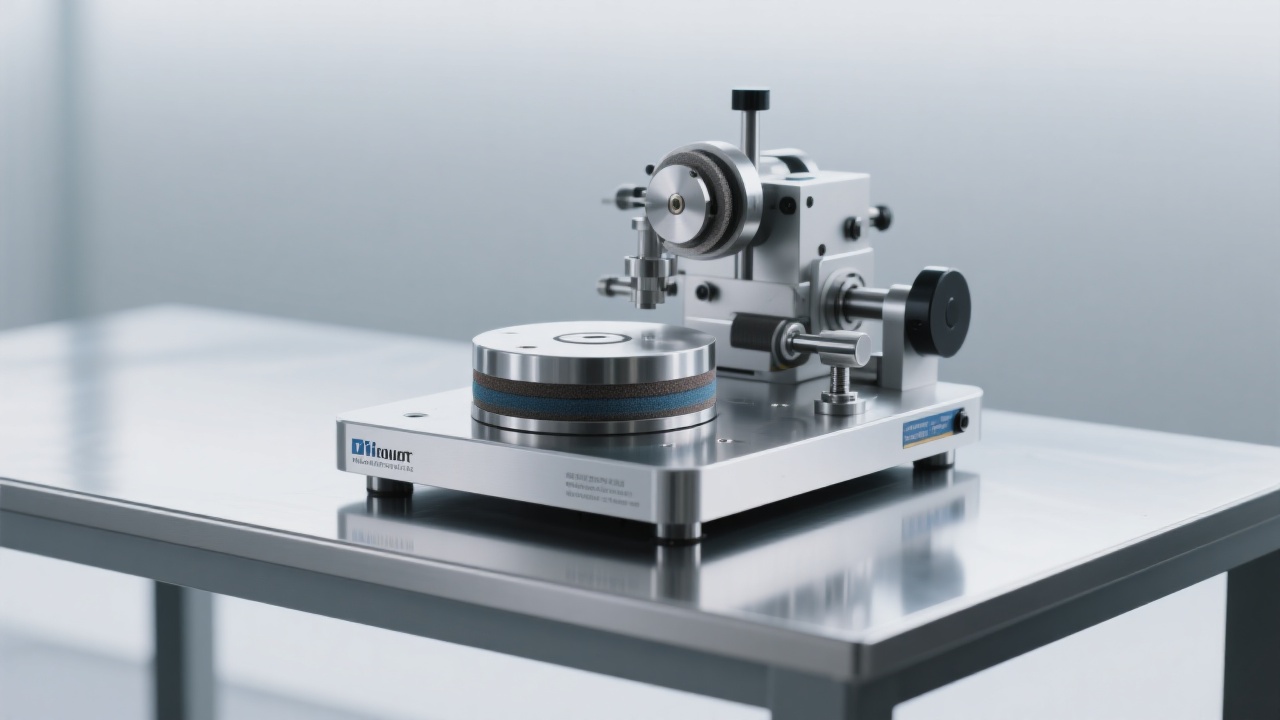
A leading metallurgy lab in Germany switched from a basic single-function unit to a fully integrated polishing system. Within six months, they reported:
| Metric | Before Upgrade | After Upgrade |
|---|---|---|
| Sample Prep Time per Batch | 45 min | 28 min |
| Maintenance Frequency | Every 3 weeks | Every 2 months |
| Operator Satisfaction Score | 7.2/10 | 9.4/10 |
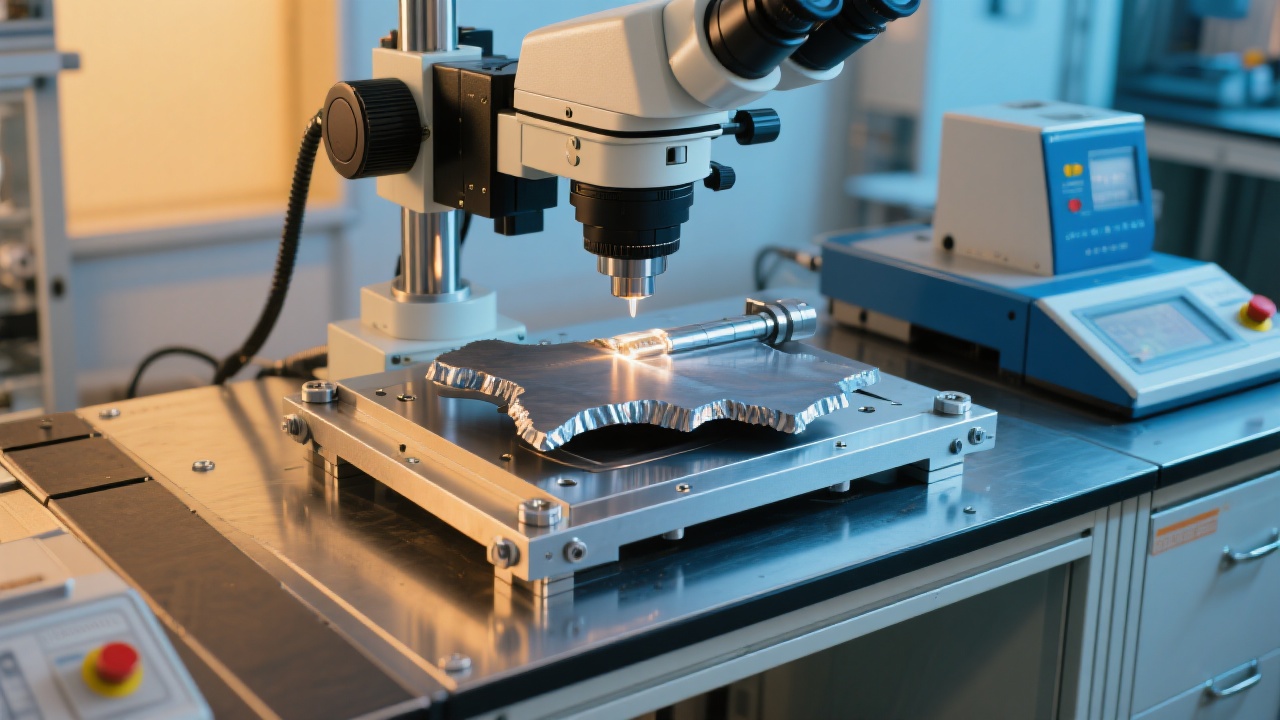
Even the best machines need support. Reliable manufacturers provide:
Our clients who prioritize post-purchase care report 70% fewer operational disruptions over 12 months—a clear sign that support isn't optional—it's essential.
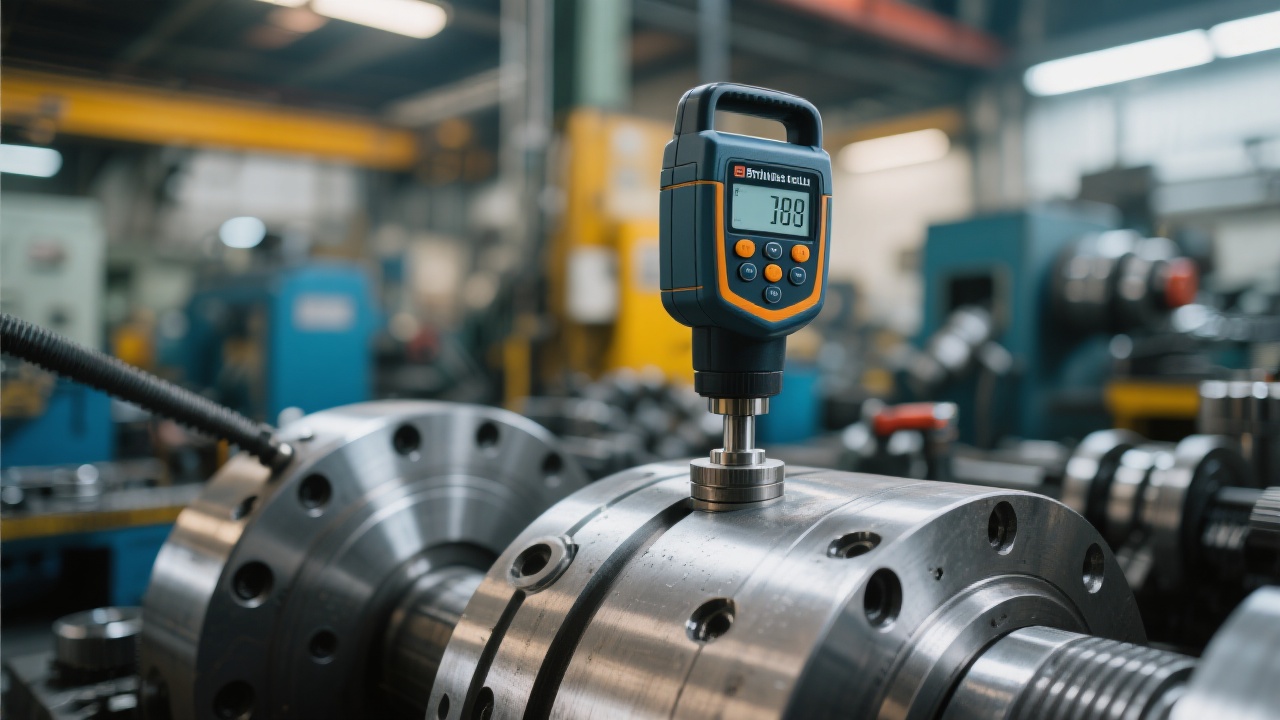
Get expert guidance tailored to your lab’s specific workflow and material types.
Explore Our Polishing Solutions Today tear strength testing
incorrect clamping
textile mechanical properties
ASTM D1424
ISO 13934-1
high-precision metallographic cut-off machine
metallographic cutting techniques
sample preparation equipment maintenance
ASTM metallographic standards
ISO certified metallographic equipment
Brinell hardness testing
hardness report standards
test data consistency
metal hardness measurement
GB/T 231.2
metallographic equipment maintenance
FRP enclosure corrosion protection
grinder-polisher保养技巧
laboratory equipment longevity
metallography sample preparation
Metallographic grinding and polishing machine
MP-1B performance
Metal material grinding solutions
Laboratory equipment selection
Metallographic sample preparation technology
tear strength testing
incorrect clamping
textile mechanical properties
ASTM D1424
ISO 13934-1
high-precision metallographic cut-off machine
metallographic cutting techniques
sample preparation equipment maintenance
ASTM metallographic standards
ISO certified metallographic equipment
Brinell hardness testing
hardness report standards
test data consistency
metal hardness measurement
GB/T 231.2
metallographic equipment maintenance
FRP enclosure corrosion protection
grinder-polisher保养技巧
laboratory equipment longevity
metallography sample preparation
Metallographic grinding and polishing machine
MP-1B performance
Metal material grinding solutions
Laboratory equipment selection
Metallographic sample preparation technology



Hardness-TesterHVS-1000-1.jpg?x-oss-process=image/resize,h_800,m_lfit/format,webp)

