Home > News > Comprehensive Standards and Application Limits of Rockwell Hardness Testing for Non-Metallic Materials

Comprehensive Standards and Application Limits of Rockwell Hardness Testing for Non-Metallic Materials

Jin Cheng
2026-02-07
Technical knowledge
This article provides an in-depth analysis of Rockwell hardness testing standards and application boundaries for non-metallic materials, focusing on plastics, ceramics, and composites. By thoroughly interpreting key clauses from GB/T230.2-2018, ISO6508-2, and ASTM E18-16-M standards, it clarifies the scope and constraints of the Rockwell hardness method for non-metals. Guidance on selecting appropriate test forces and indenter types is given to ensure accurate measurement results. Practical on-site calibration techniques and result interpretation methods are shared to enhance laboratory testing capabilities. Additionally, the advanced technological features and comprehensive after-sales support of the Jincheng MHRS-150 Rockwell hardness tester are introduced to support efficient and reliable hardness evaluation for diverse materials.
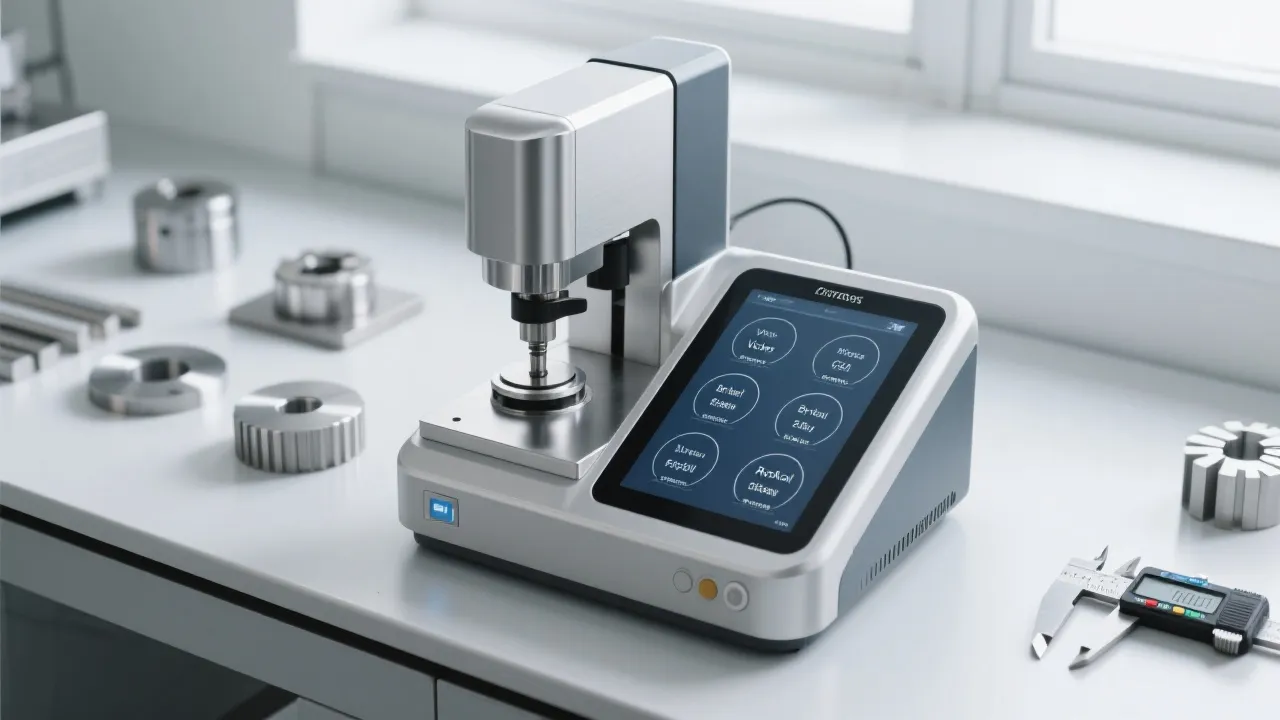
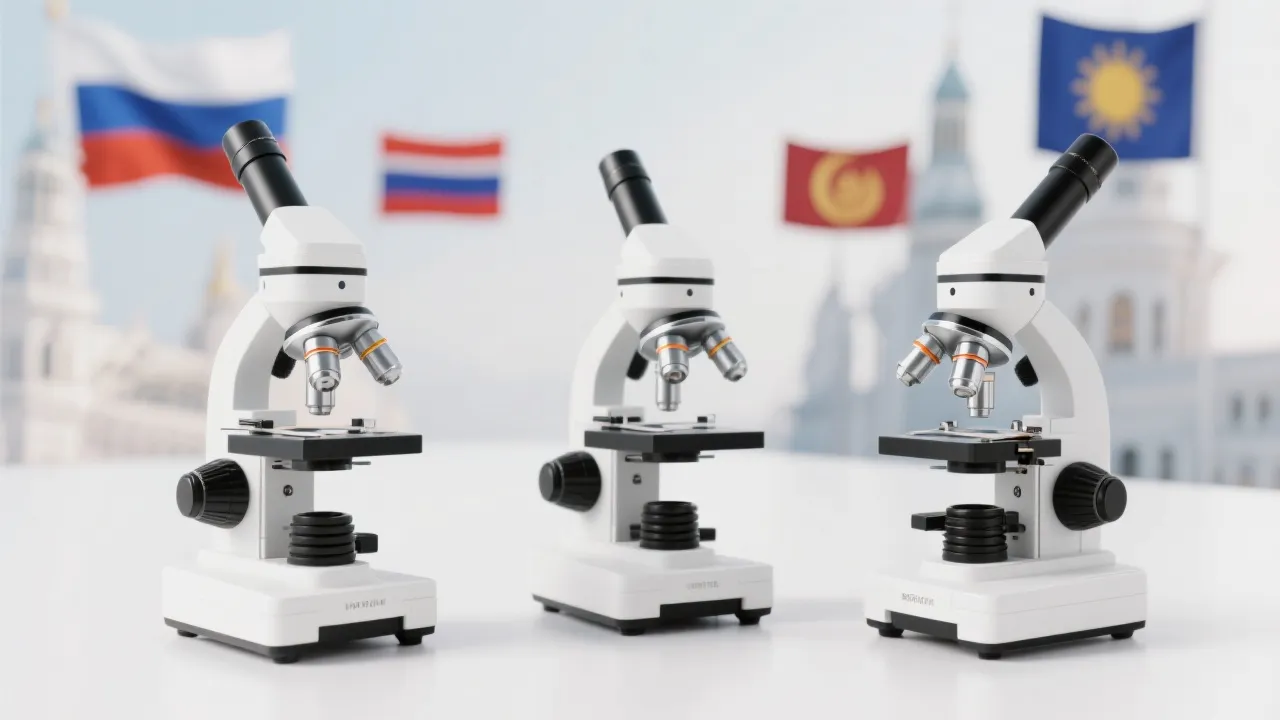
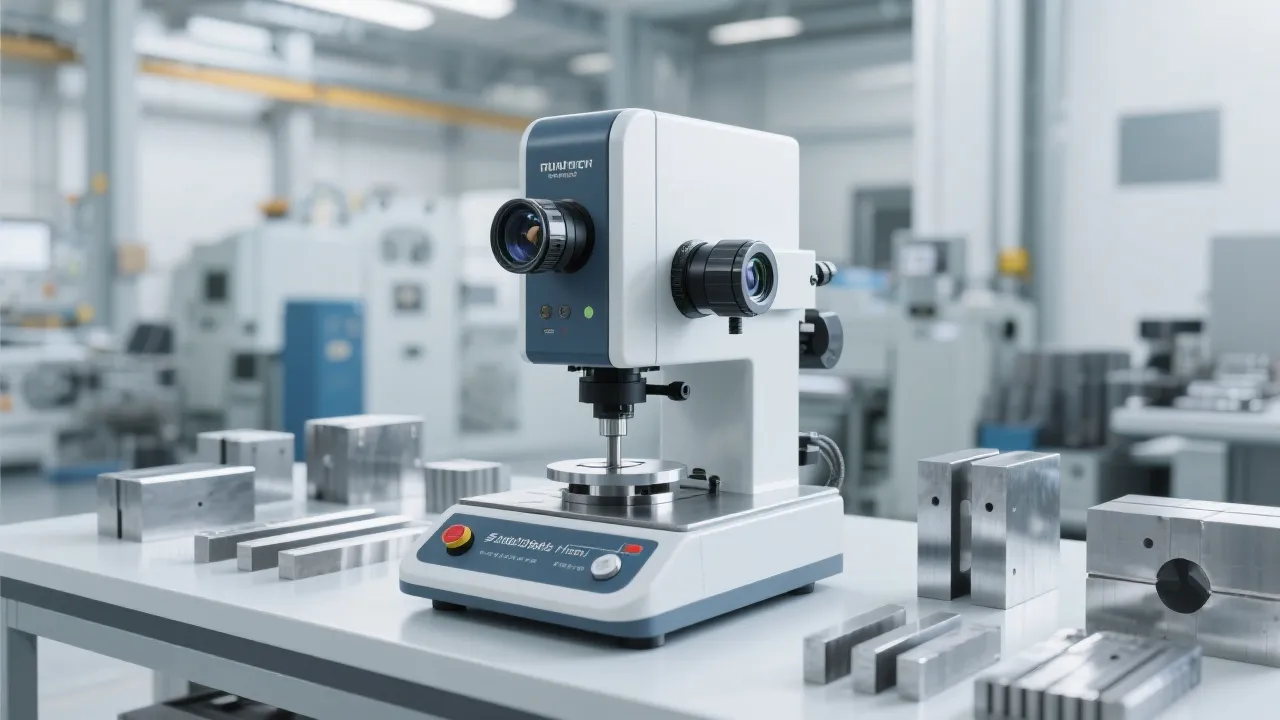
Diagram illustrating the selection of test forces and indenters for non-metallic Rockwell hardness testing.

Comprehensive Standards and Practical Boundaries for Rockwell Hardness Testing of Non-Metallic Materials

The accurate evaluation of hardness in non-metallic materials—such as plastics, ceramics, and composites—has become indispensable amidst rapid technological advancements and expanding application domains. Unlike metals, these materials present unique challenges due to their heterogeneous microstructures and varying mechanical behaviors. This article delivers a detailed exploration of Rockwell hardness testing standards, focusing on GB/T 230.2-2018, ISO 6508-2, and ASTM E18-16M, elucidating their guidance on applying the method to non-metallic substrates. Further, practical recommendations on test force selections, indenter types, and on-site calibration techniques aim to empower laboratories and engineers to harness precision testing.

1. Importance of Hardness Testing for Non-Metallic Materials

Hardness testing serves as a cardinal parameter to assess wear resistance, durability, and quality control in industries leveraging non-metallic materials. For instance, plastics used in automotive interiors require consistent hardness levels to withstand mechanical stresses and environmental factors, while ceramics in electronics demand high hardness with minimal fracture risk. Contemporary non-metallic composites, integrating multiple constituents at the micro-scale, necessitate nuanced hardness evaluation to monitor material integrity and ensure functional reliability.

2. Fundamentals of Rockwell Hardness Testing and Applicable Standards

The Rockwell hardness method evaluates a material’s resistance to indentation under a specific test load and indenter geometry. While originally devised for metals, its scope has extended to various non-metallic materials, conditional upon standard protocols. Key international standards—GB/T 230.2-2018, ISO 6508-2, and ASTM E18-16M—provide explicit clauses addressing non-metallic substrate testing:

  • GB/T 230.2-2018: Establishes testing conditions including preliminary forces and indenter selection, with considerations for plastics and composites.
  • ISO 6508-2: Outlines steel-focused methods but mentions adaptions for non-metallic materials via modified loads and indenters.
  • ASTM E18-16M: Defines testing procedures with flexibility for ceramic and composite materials by recommending softer test forces and specialized indenters.

These standards collectively emphasize calibrating test parameters to material-specific mechanical responses, avoiding overstressing brittle or soft samples.

3. Tailoring Test Forces and Indenter Choices for Diverse Non-Metallic Materials

Selecting the appropriate test force and indenter is paramount for obtaining meaningful hardness data across different non-metallics:

  • Ceramics: Due to brittleness, low test forces (e.g., 60-100 kgf) with conical or spherical diamond indenters minimize cracking risk.
  • Composite Materials: Heterogeneous interfaces require moderate forces and often ball indenters of varying diameters (1/16", 1/8") to capture average hardness effectively.
  • Soft Plastics: Use lower forces (10-15 kgf) and spherical indenters to avoid excessive surface deformation and ensure repeatability.

Adjusting test parameters based on comprehensive material profiling prevents erroneous readings and extends the applicability of Rockwell methods beyond their traditional scope.
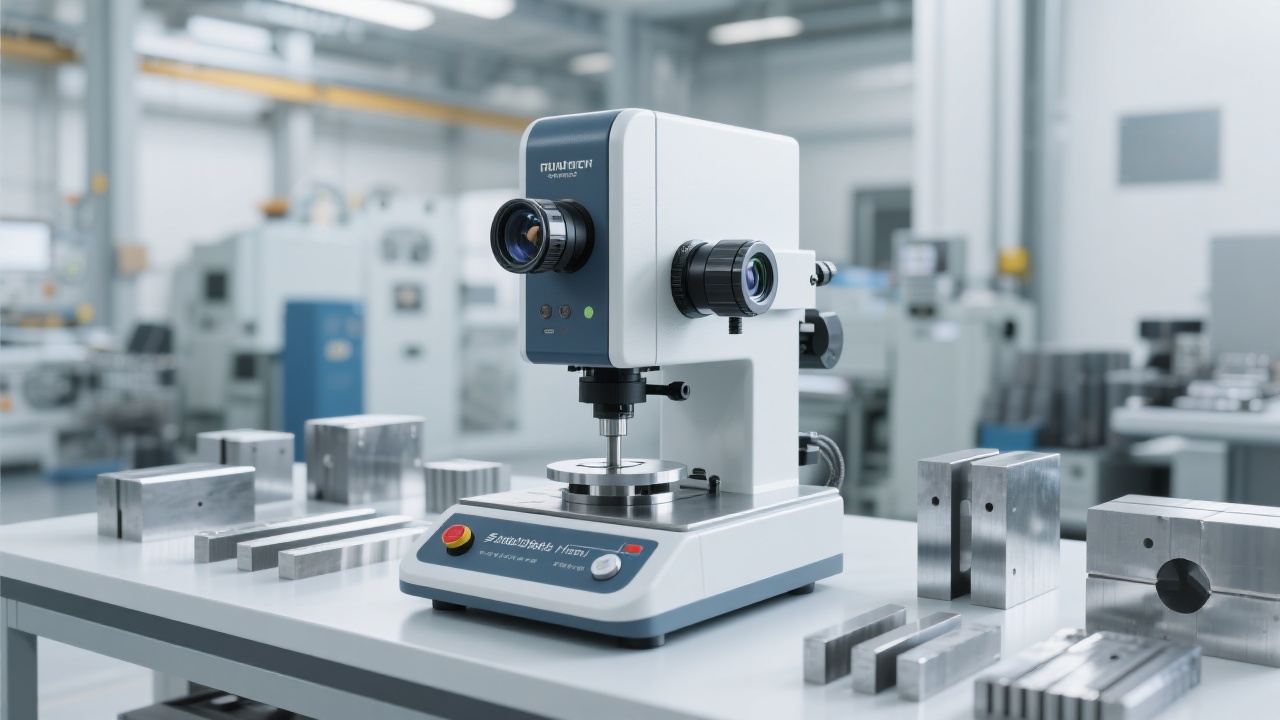
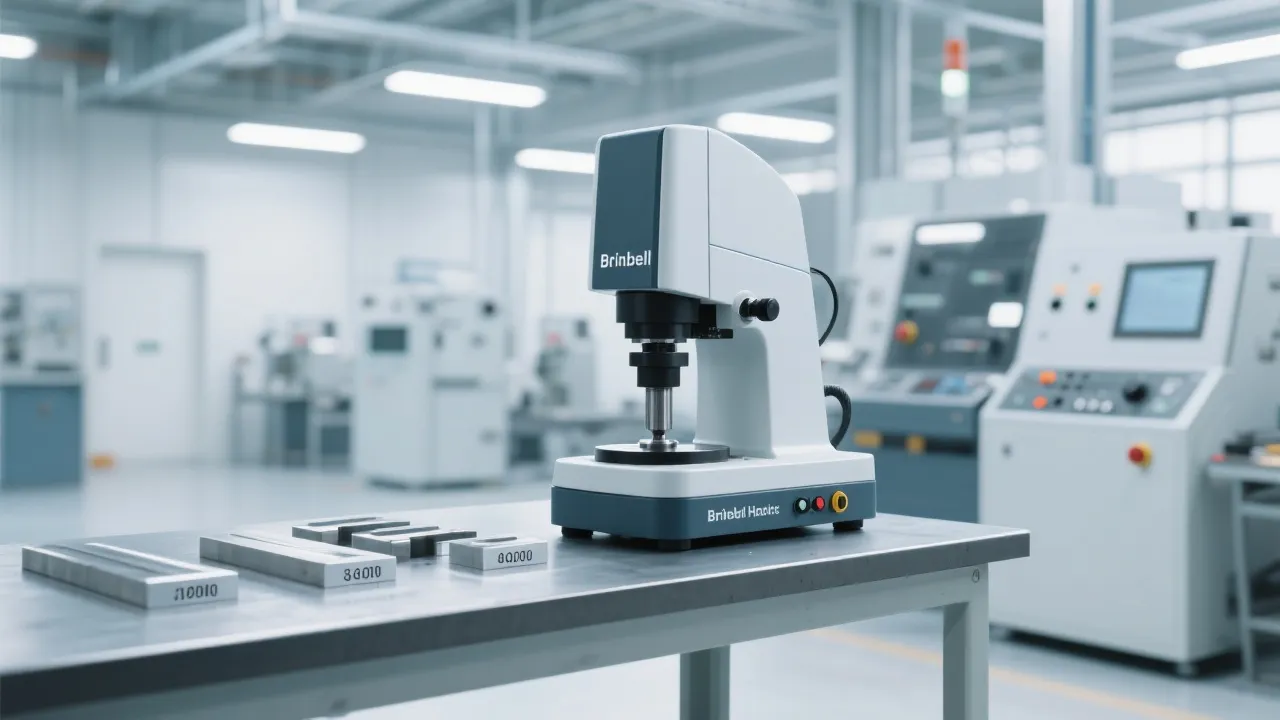
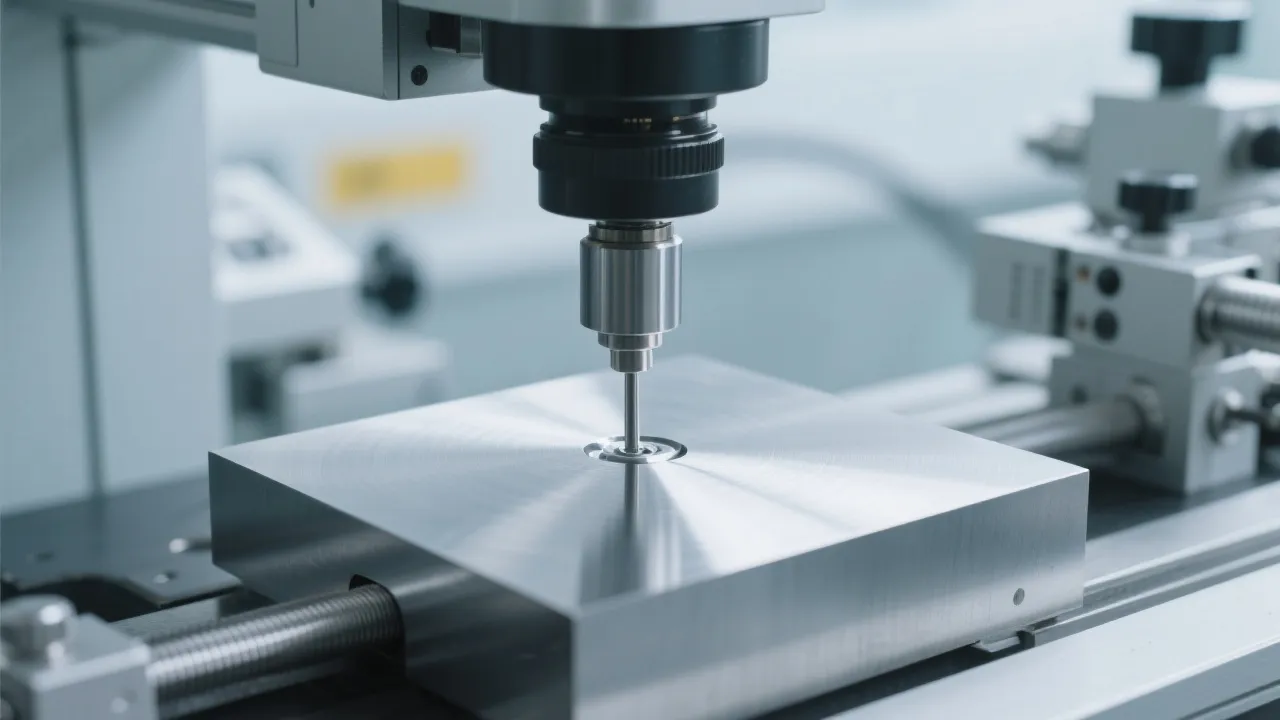
Diagram illustrating the selection of test forces and indenters for non-metallic Rockwell hardness testing.

4. Practical Tips for On-Site Calibration and Result Interpretation

Effective calibration and data analysis are essential to ensure testing reliability:

  • Calibration Procedures: Utilize certified reference blocks matching non-metallic material properties when available; otherwise, perform cross-validation with alternative hardness methods.
  • Consistent Environmental Conditions: Control temperature and humidity levels, as polymers and composites are sensitive to environmental fluctuations affecting hardness values.
  • Data Interpretation: Analyze hardness data considering material anisotropy and potential superficial defects; employ statistical methods to discern measurement consistency with a target deviation below ±3%.

Avoid common pitfalls such as improper surface preparation and indenter misalignment, which could jeopardize test accuracy. Detailed logging of test parameters facilitates traceability and process improvement.
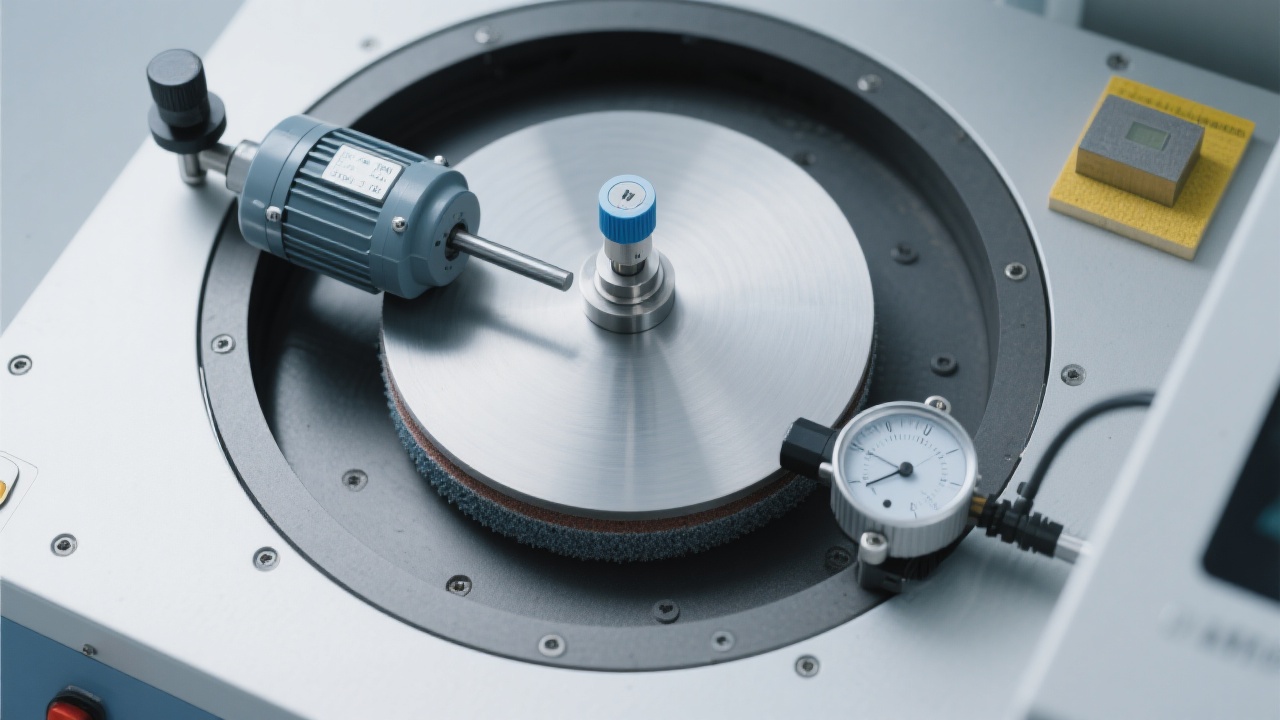
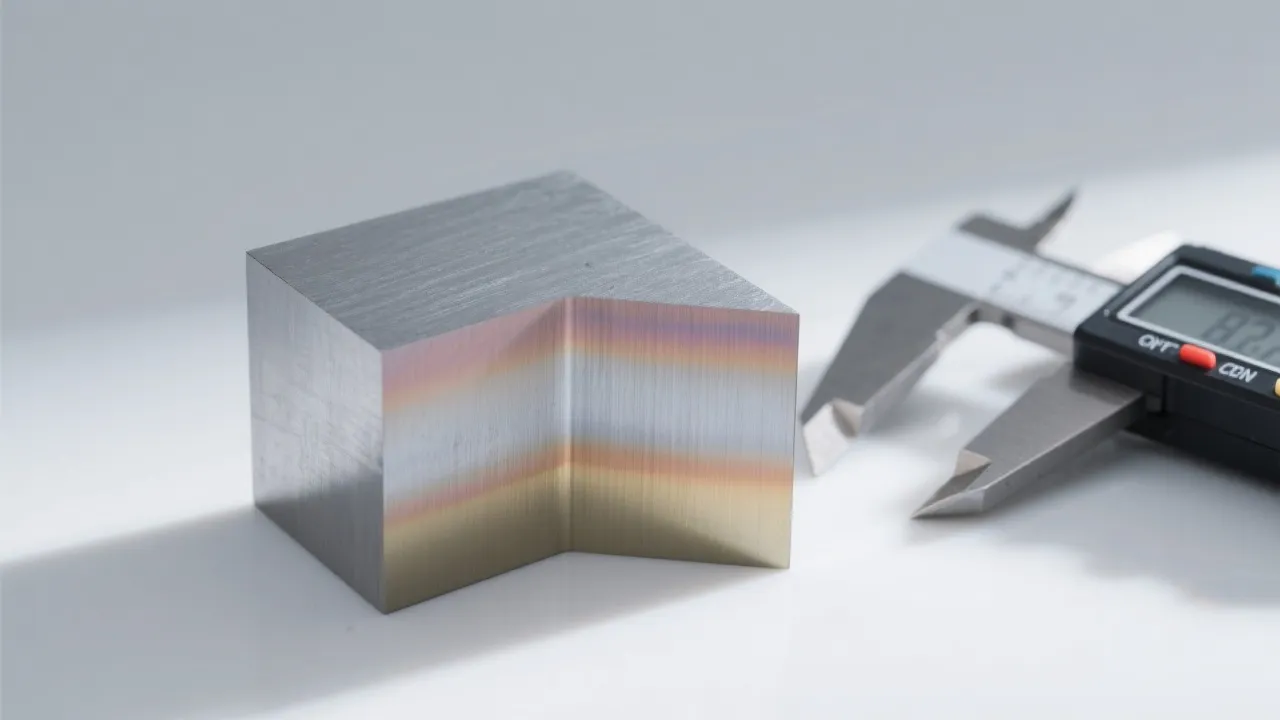
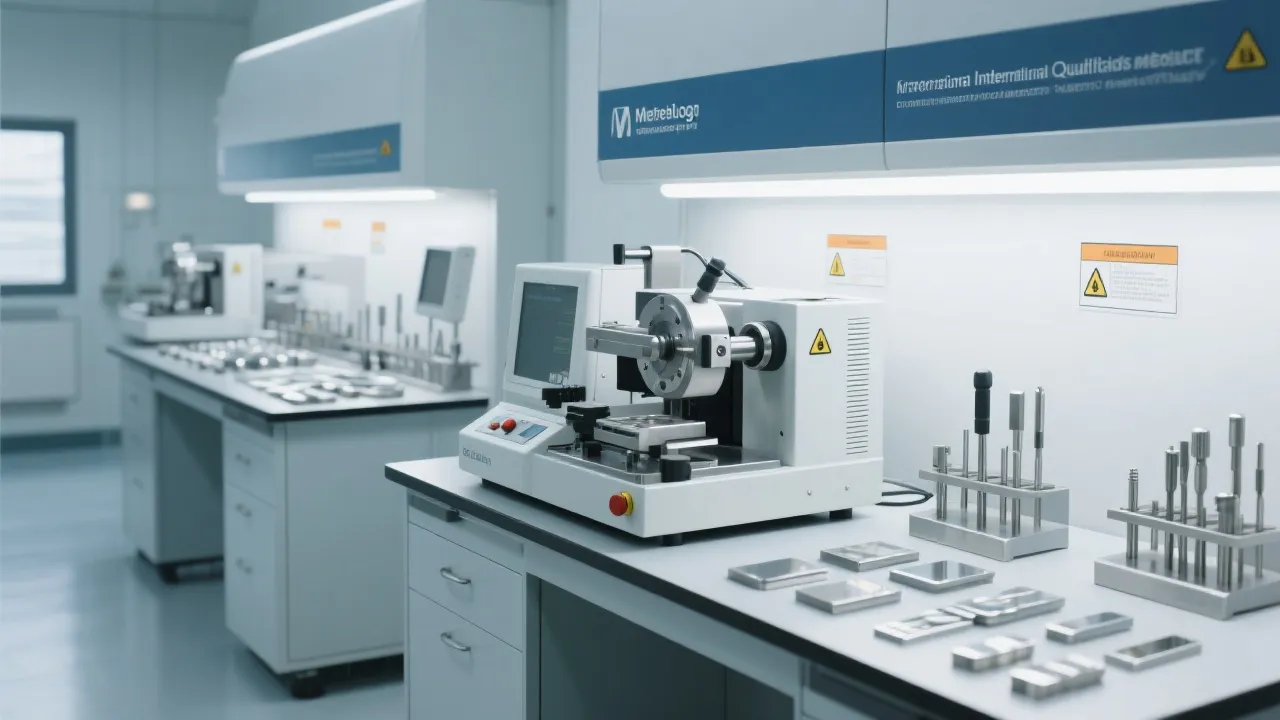
Calibration setup process for Rockwell hardness testing in a non-metallic materials laboratory.

5. Enhancing Testing Efficiency with Jinchen MHRS-150 Rockwell Hardness Tester

The Jinchen MHRS-150 Rockwell Hardness Tester integrates advanced features tailored for diverse non-metallic materials:

  • Adaptive Force Control: Enables precise load adjustments from 10 kgf to 150 kgf, facilitating testing across soft plastics to dense ceramics.
  • Interchangeable Indenters: Quick-change system supports multiple indenter types, including diamond cones and various ball diameters, ensuring versatility.
  • User-Friendly Interface: Intuitive touchscreen operation combined with automated calibration routines reduces operator error and accelerates workflows.
  • Robust Data Management: Integrated software provides comprehensive data logging, real-time analysis, and export options compatible with quality management systems.
  • After-Sales Support: Jinchen offers proactive technical assistance, onsite training, and preventive maintenance, guaranteeing sustained performance and longevity.

These attributes empower laboratories and production sites to confidently expand their hardness testing capabilities, bridging standard compliance with evolving material testing demands.
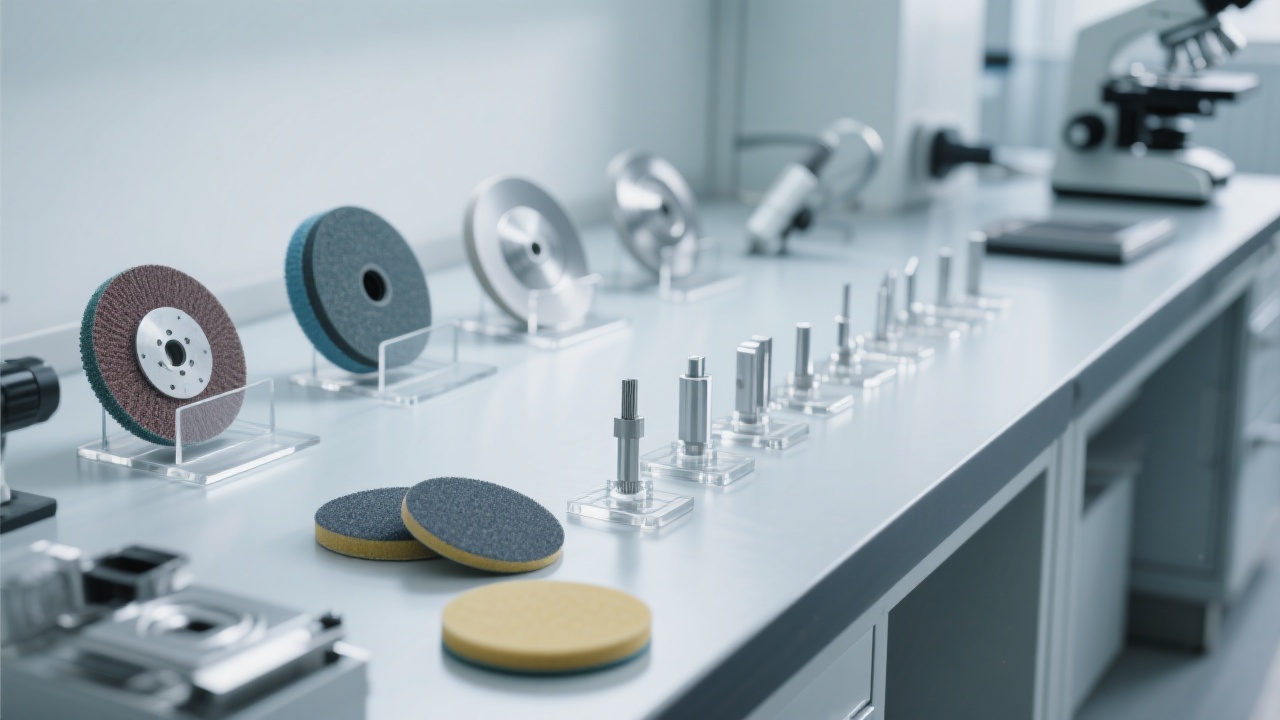

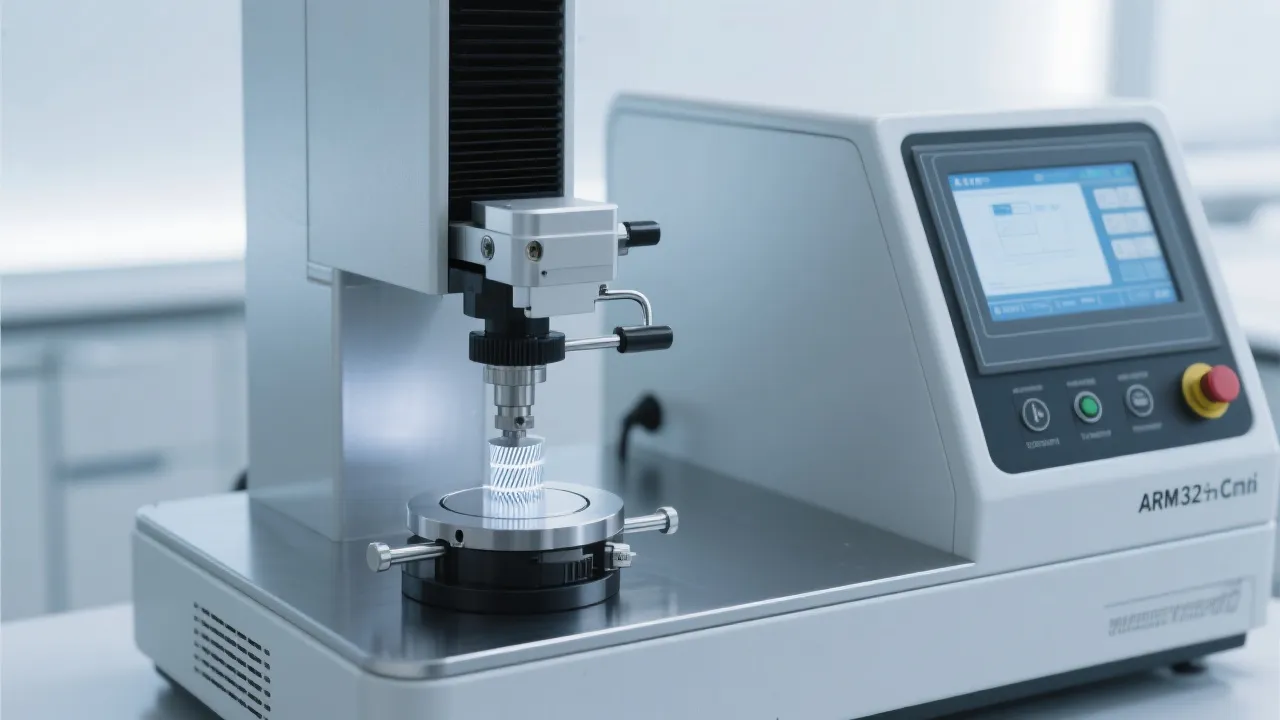
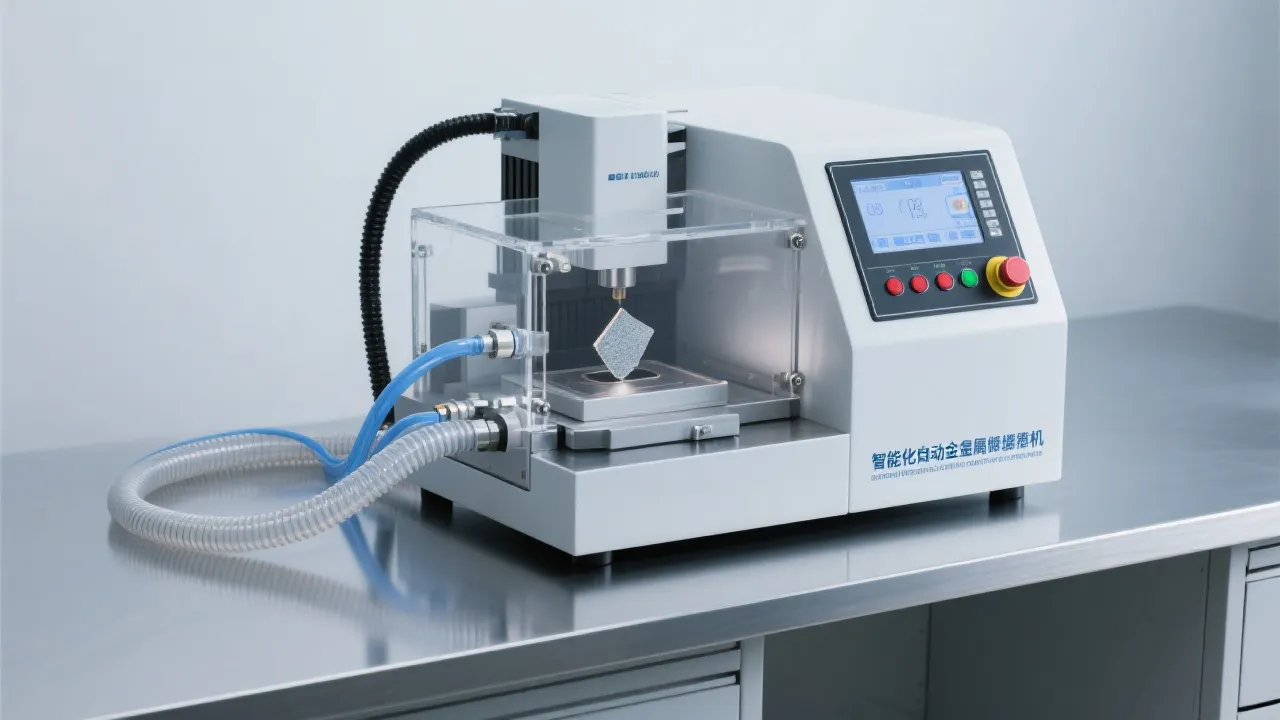
Jinchen MHRS-150 Rockwell Hardness Tester showcasing equipment and interface for non-metallic material testing.
Name *
Email *
WhatsApp *
Message*

Recommended Products

Related Reading

Ensure Long-Term Stable Operation of Hot Mounting Machines through Temperature Uniformity Testing: Technical Analysis + Case Demonstration

2026-01-14 | https://shmuker.oss-accelerate.aliyuncs.com/tmp/temporary/60ec5bd7f8d5a86c84ef79f2/60ec5bdcf8d5a86c84ef7a9a/20240305160636/lable.png Hot mounting machine temperature uniformity testing Automatic hot mounting machine maintenance skills Metallographic sample preparation equipment calibration ZXQ-4 hot mounting machine maintenance Laboratory equipment performance calibration

How to Improve Brinell Hardness Test Accuracy: Key Steps from Load Application to Indentation Measurement

2026-01-21 | https://shmuker.oss-accelerate.aliyuncs.com/tmp/temporary/60ec5bd7f8d5a86c84ef79f2/60ec5bdcf8d5a86c84ef7a9a/20240305160636/lable.png Brinell hardness test metal hardness measurement hardness testing accuracy GB/T 231.2 ISO 6506

How to Choose an Efficient Polishing Equipment for Metallurgical Analysis Based on Speed Range and Motor Power

2026-02-03 | https://shmuker.oss-accelerate.aliyuncs.com/tmp/temporary/60ec5bd7f8d5a86c84ef79f2/60ec5bdcf8d5a86c84ef7a9a/20240305160636/lable.png metallurgical polishing equipment polishing machine speed range motor power for metallography efficient polishing for metal samples metallographic sample preparation

Enhancing Metallographic Sample Processing Efficiency: Integrated Functionality and Durable Material Insights

2026-02-04 | https://shmuker.oss-accelerate.aliyuncs.com/tmp/temporary/60ec5bd7f8d5a86c84ef79f2/60ec5bdcf8d5a86c84ef7a9a/20240305160636/lable.png metallographic polishing equipment multifunction precision polisher metallographic sample preparation MP-2B polisher laboratory equipment selection guide

Glass Fiber Reinforced Plastic (FRP) Enclosure Corrosion Protection for Metallographic Equipment: Extending MP-160E Lifespan

2026-01-26 | https://shmuker.oss-accelerate.aliyuncs.com/tmp/temporary/60ec5bd7f8d5a86c84ef79f2/60ec5bdcf8d5a86c84ef7a9a/20240305160636/lable.png metallographic equipment maintenance FRP enclosure corrosion protection grinder-polisher保养技巧 laboratory equipment longevity metallography sample preparation

Hot Products

Popular articles
Metallographic_Polishing_MachineP-2T-4.jpg
营销主题配图_1753168011706.jpg
营销主题配图_1753167946890.jpg
营销主题配图_1753166029129.jpg
营销主题配图_1753167828390.jpg
营销主题配图_1753167339641.jpg
营销主题配图_1753165750718.jpg
营销主题配图_1753168999112.jpg
营销主题配图_1753168807041.jpg
Metallographic_Grinding_Polishing_Machine_MP-2-2.jpg
Recommended Reading
Contact us
Contact us
https://shmuker.oss-accelerate.aliyuncs.com/tmp/temporary/60ec5bd7f8d5a86c84ef79f2/60ec5bdcf8d5a86c84ef7a9a/thumb-prev.png