
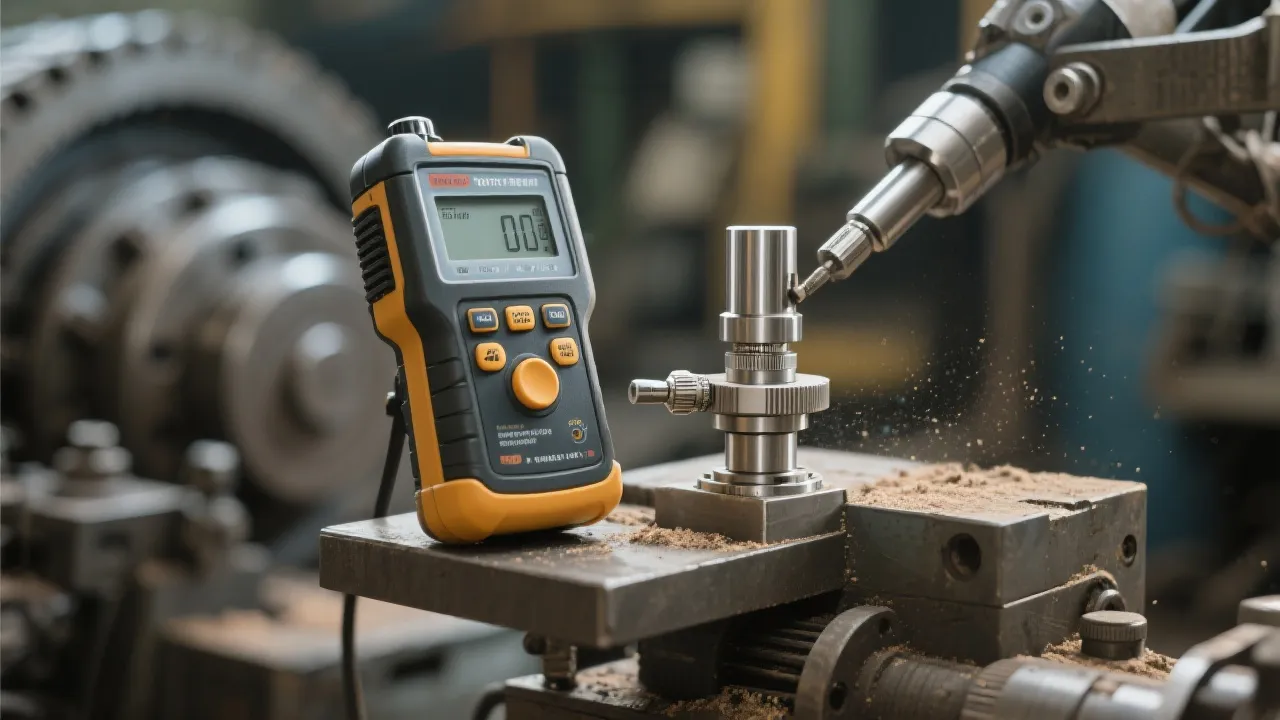
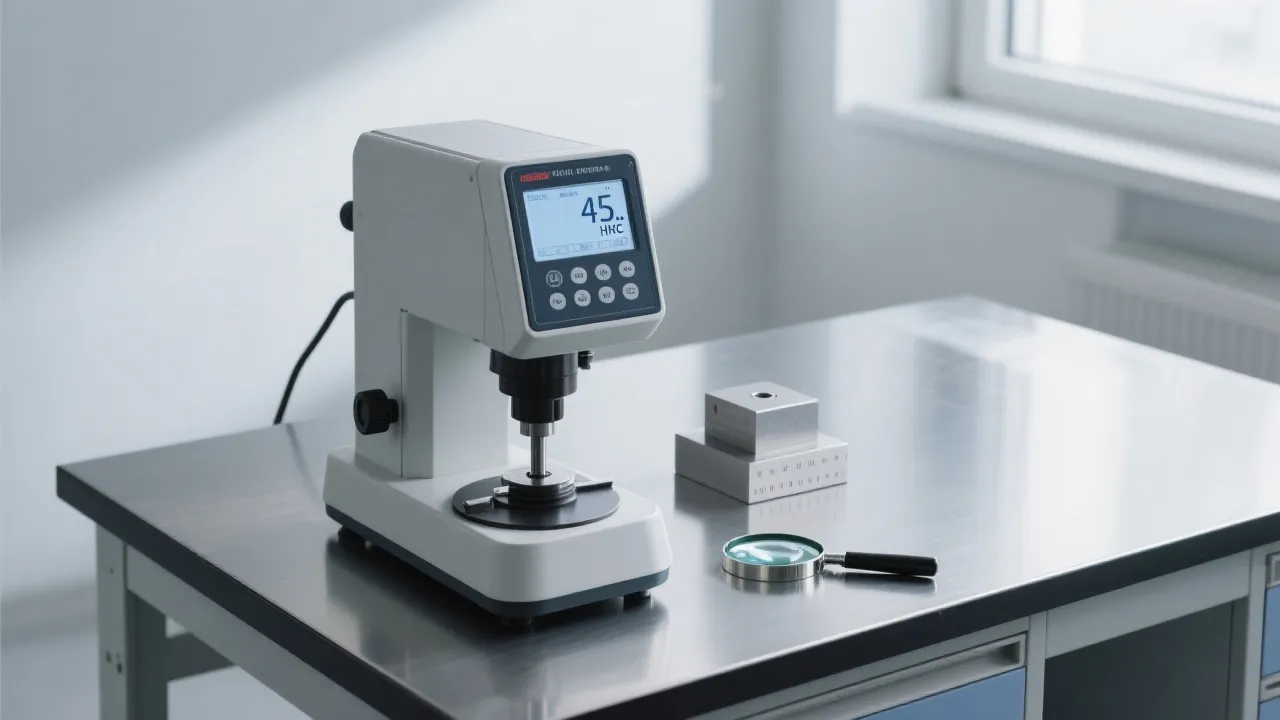
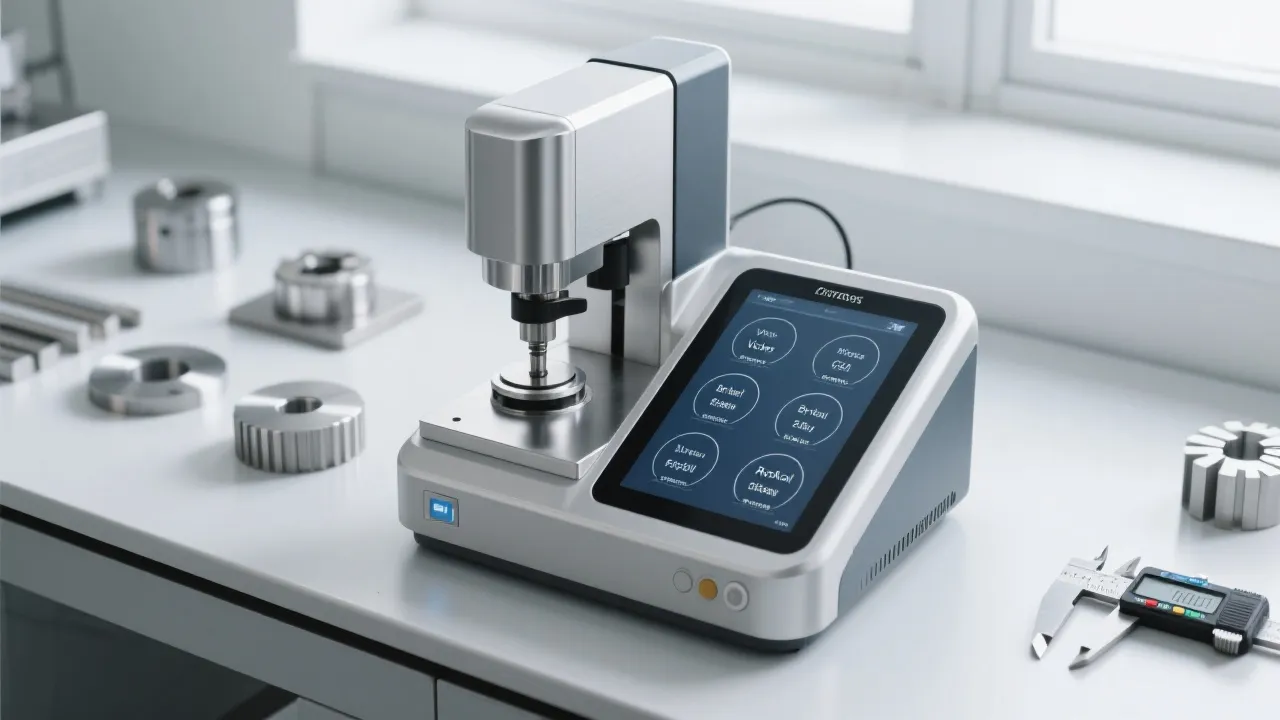
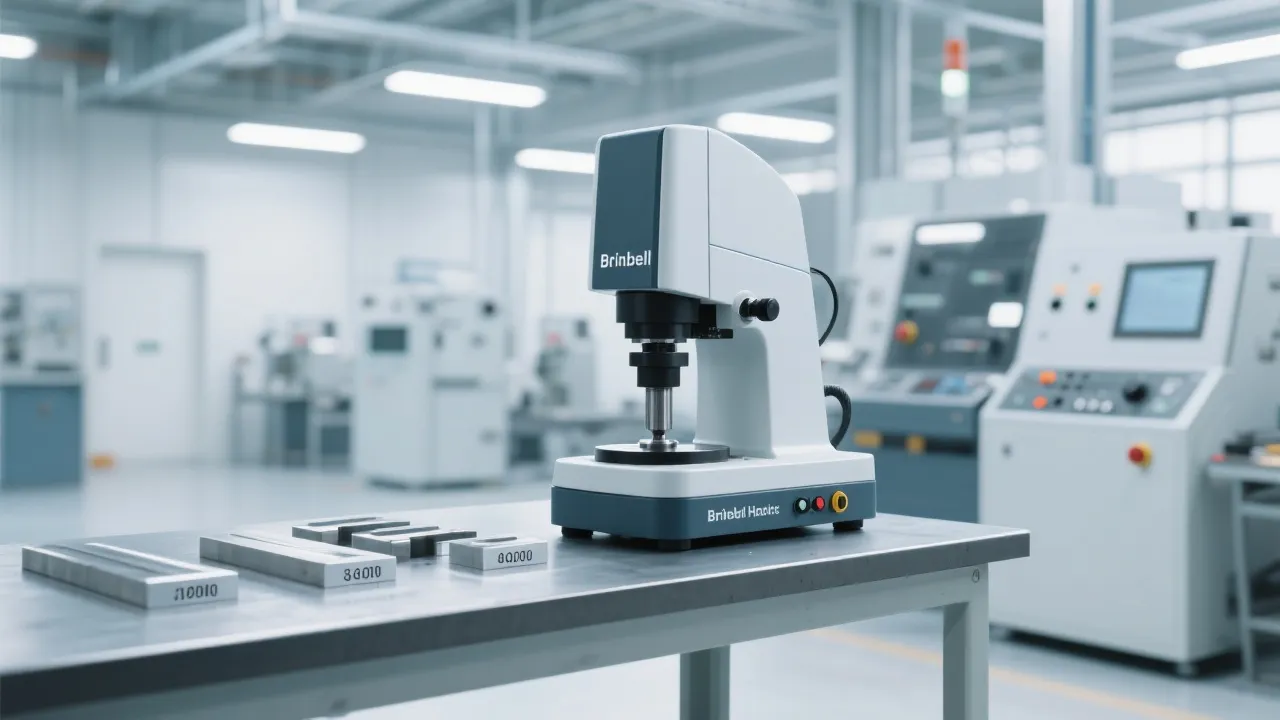
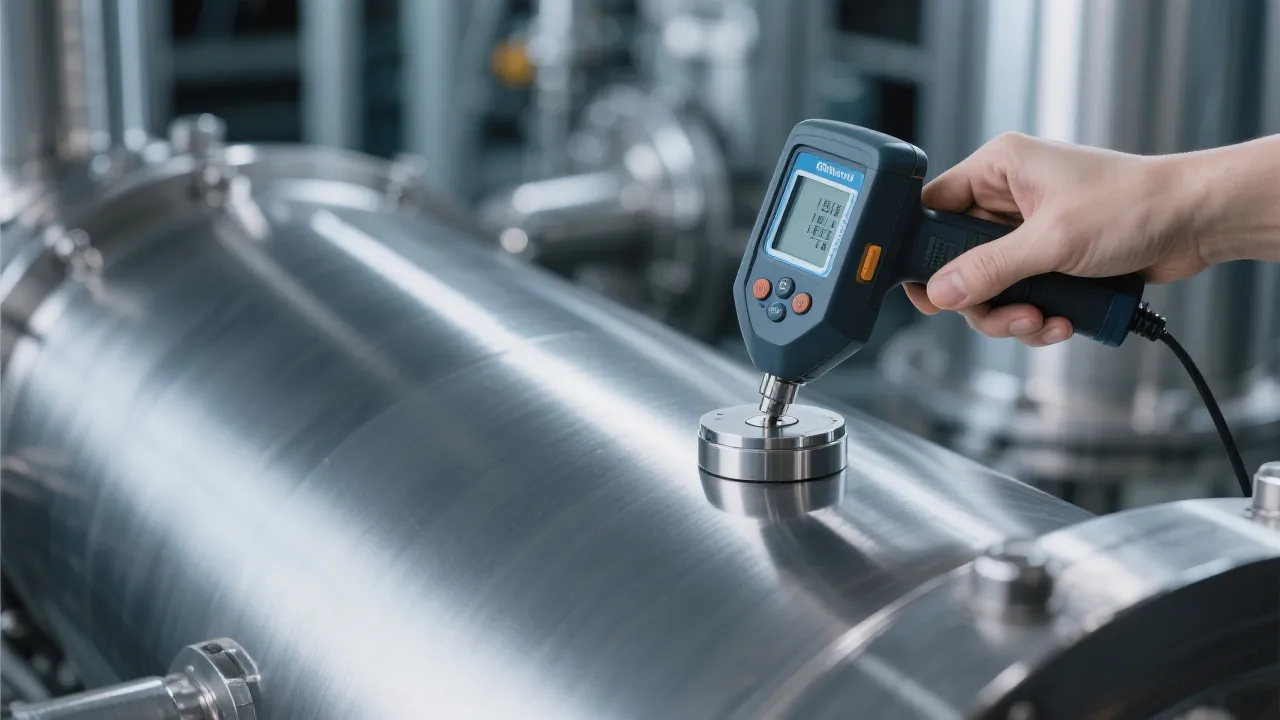
Mastering the installation and operation of the portable Brinell hardness tester YHB-3000H is essential for rapid, accurate on-site metal hardness testing. This comprehensive guide walks you through every stage—from selecting the right indenter ball and controlling load application to calibration and reading data—ensuring scientific testing and precision measurement. Whether you are a novice or an experienced engineer, these expert instructions will help you optimize your testing workflow with confidence.
Start by placing your YHB-3000H in a dry, vibration-free environment to maintain measurement accuracy. Fix the tester securely using the supplied clamps or mounting brackets to prevent movement during loading. The operating surface should be flat and clean. Initial settings such as power-on self-check and interface calibration must be completed before proceeding. Setting up correctly reduces measurement errors and extends device longevity.
Follow these key operational steps for reliable results:
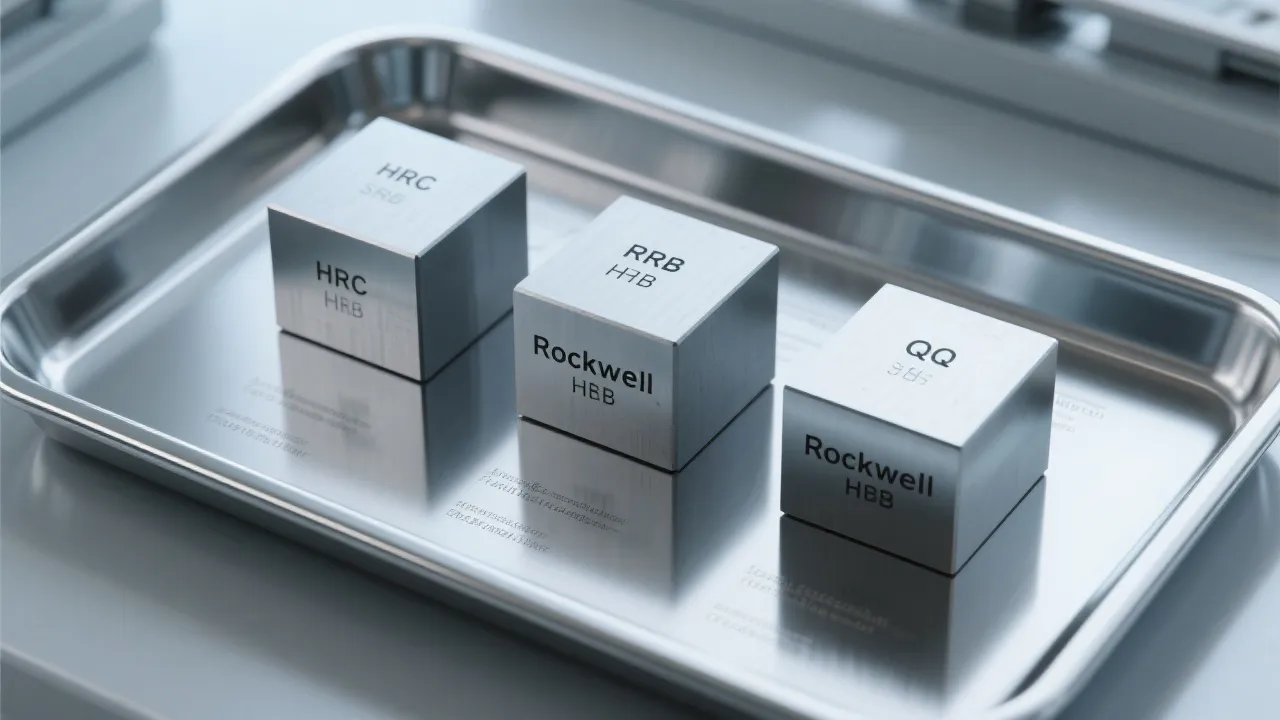
The YHB-3000H supports a variety of standard indenter balls made from hardened steel, tungsten carbide, and ceramic, each suited for different metal types:
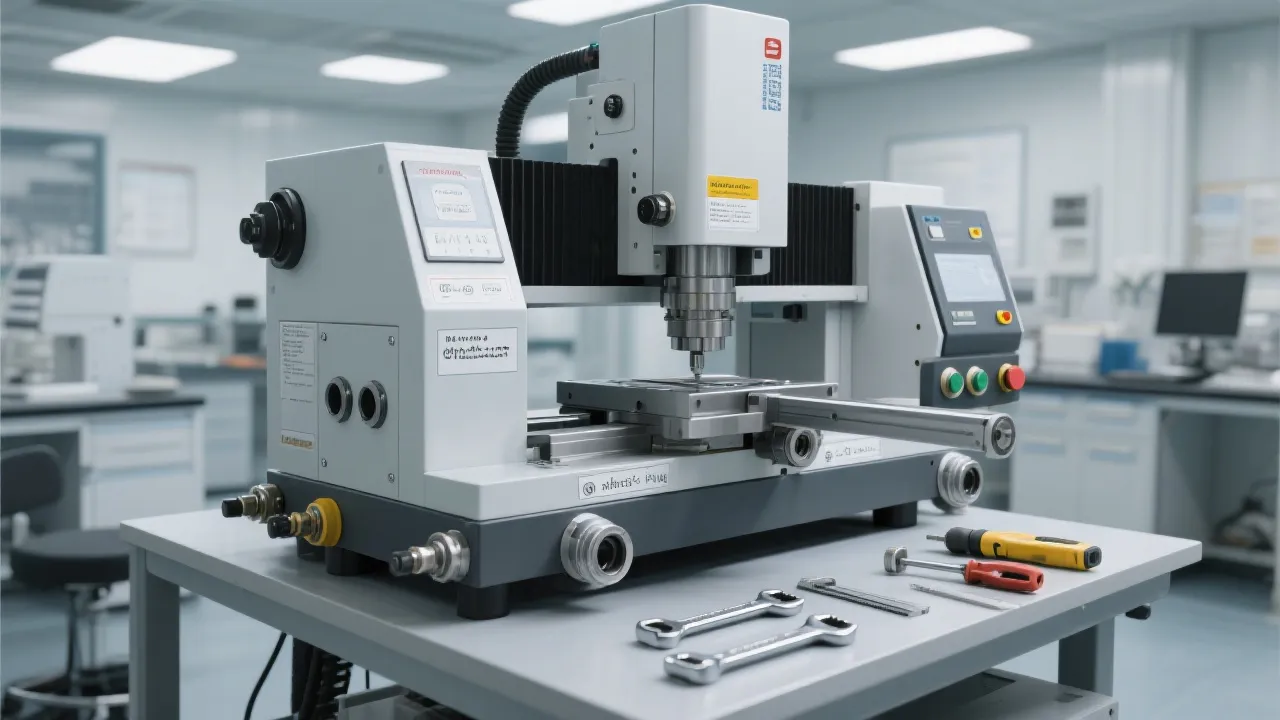
Replacing the ball involves loosening the ball holder using the provided tool, removing the worn or damaged ball, and inserting a new one. Confirm the ball sits flush to avoid measurement deviations.
Regular calibration is vital for accuracy and should follow these best practices:
Common issues encountered during site testing include abnormal readings and indenter ball wear:
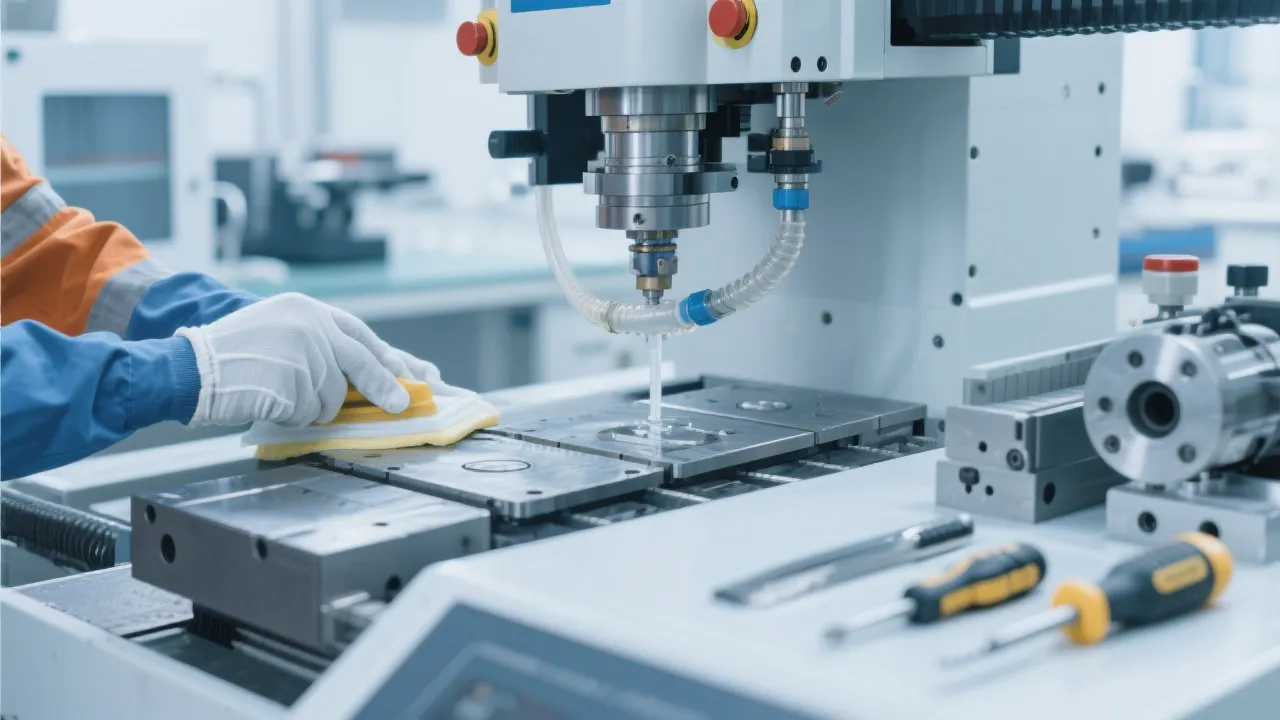
Keep the instrument clean by wiping it with a soft, lint-free cloth after every use. Store the unit in a protective case away from extreme temperatures and moisture.
Efficient data handling improves test traceability and reporting quality:
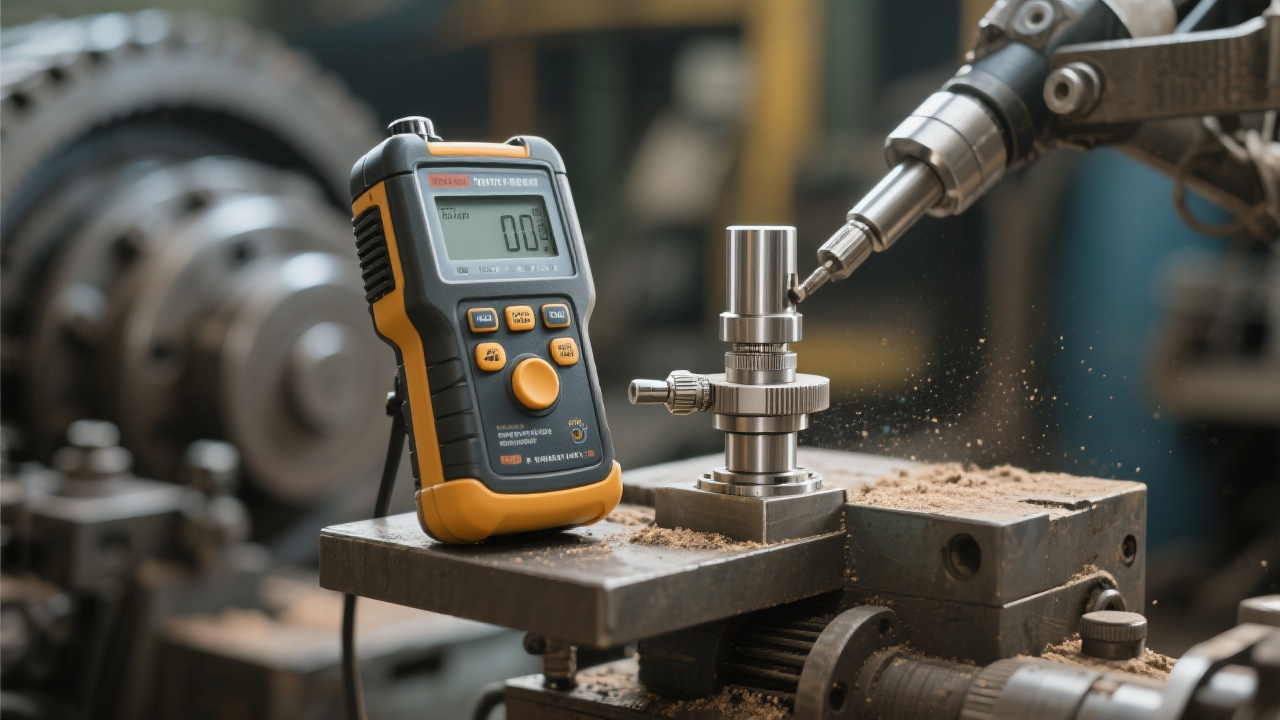
Leveraging the YHB-3000H means you’re backed by comprehensive support to keep your operation smooth:
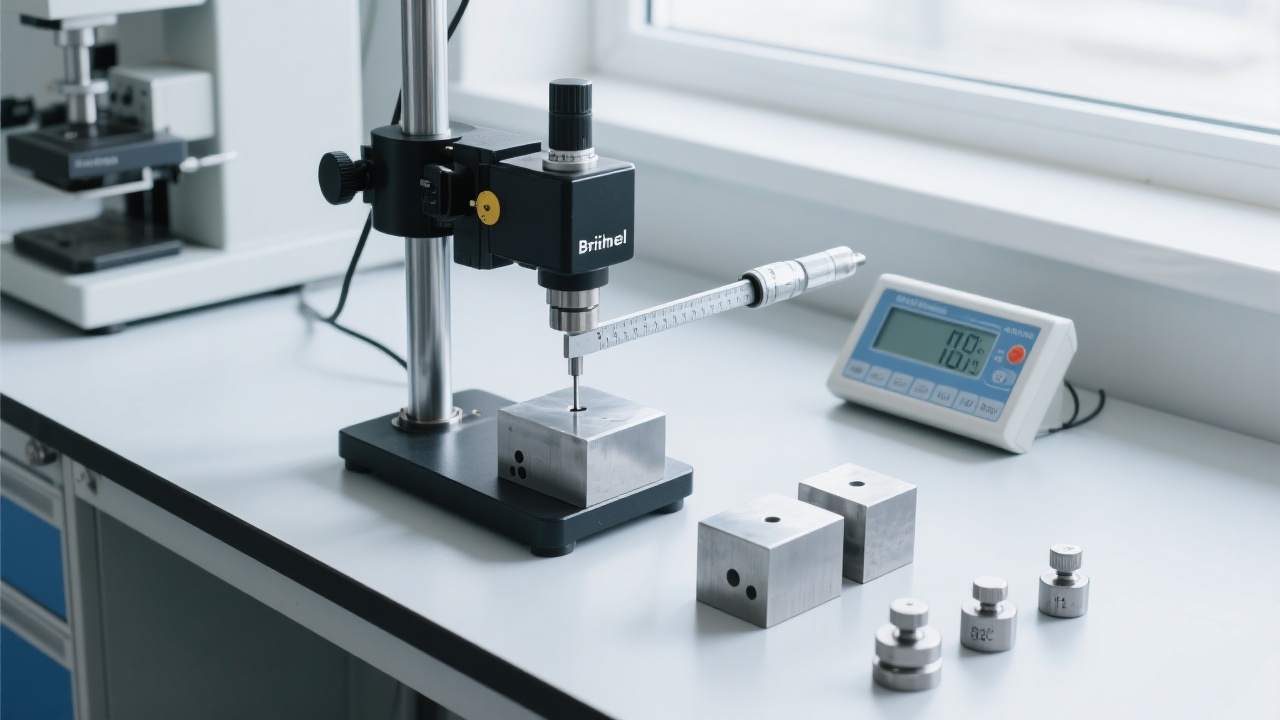
 Brinell hardness test
metal hardness measurement
hardness testing accuracy
GB/T 231.2
ISO 6506
Brinell hardness testing errors
indentation deformation deviation
hardness testing standards compliance
metal hardness measurement
GB/T 231.2 standard
metallographic polishing equipment
multifunction precision polisher
metallographic sample preparation
MP-2B polisher
laboratory equipment selection guide
metallographic equipment maintenance
FRP enclosure corrosion protection
grinder-polisher保养技巧
laboratory equipment longevity
metallography sample preparation
Metallographic grinding and polishing machine
MP-1B performance
Metal material grinding solutions
Laboratory equipment selection
Metallographic sample preparation technology
Brinell hardness test
metal hardness measurement
hardness testing accuracy
GB/T 231.2
ISO 6506
Brinell hardness testing errors
indentation deformation deviation
hardness testing standards compliance
metal hardness measurement
GB/T 231.2 standard
metallographic polishing equipment
multifunction precision polisher
metallographic sample preparation
MP-2B polisher
laboratory equipment selection guide
metallographic equipment maintenance
FRP enclosure corrosion protection
grinder-polisher保养技巧
laboratory equipment longevity
metallography sample preparation
Metallographic grinding and polishing machine
MP-1B performance
Metal material grinding solutions
Laboratory equipment selection
Metallographic sample preparation technology




Hardness-Tester7MHXZD-1000A-1.jpg?x-oss-process=image/resize,h_800,m_lfit/format,webp)

