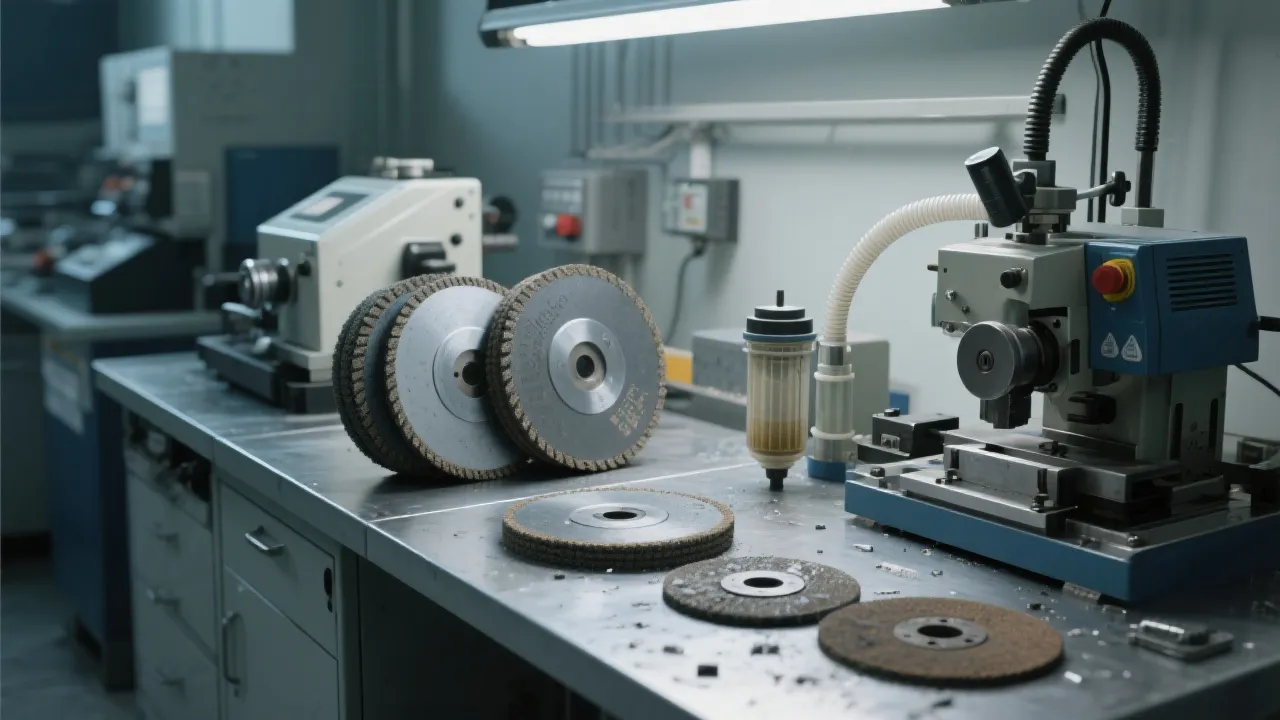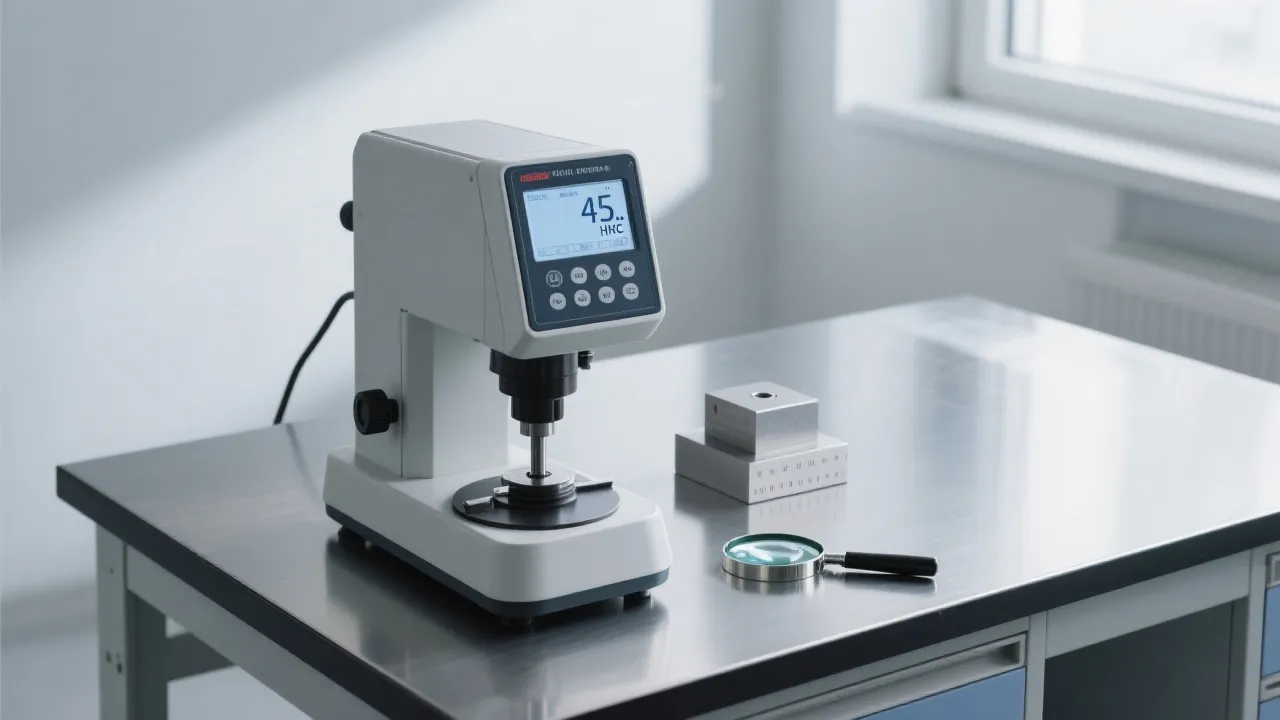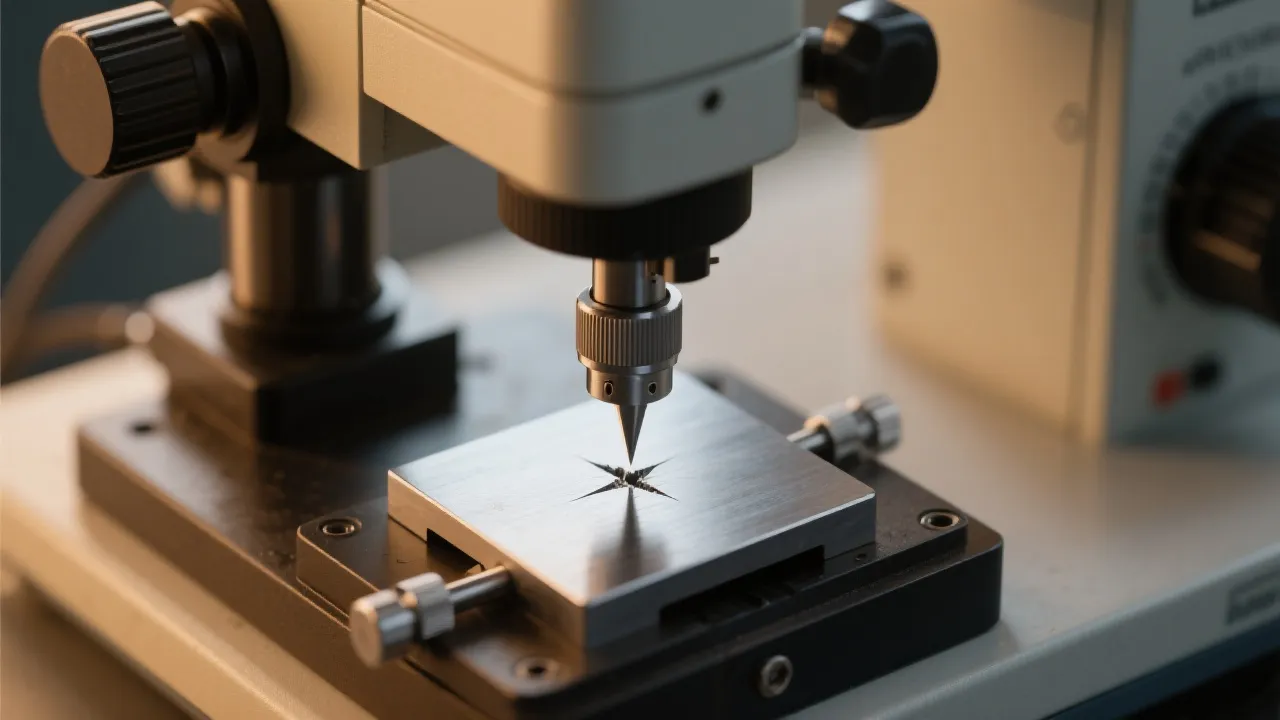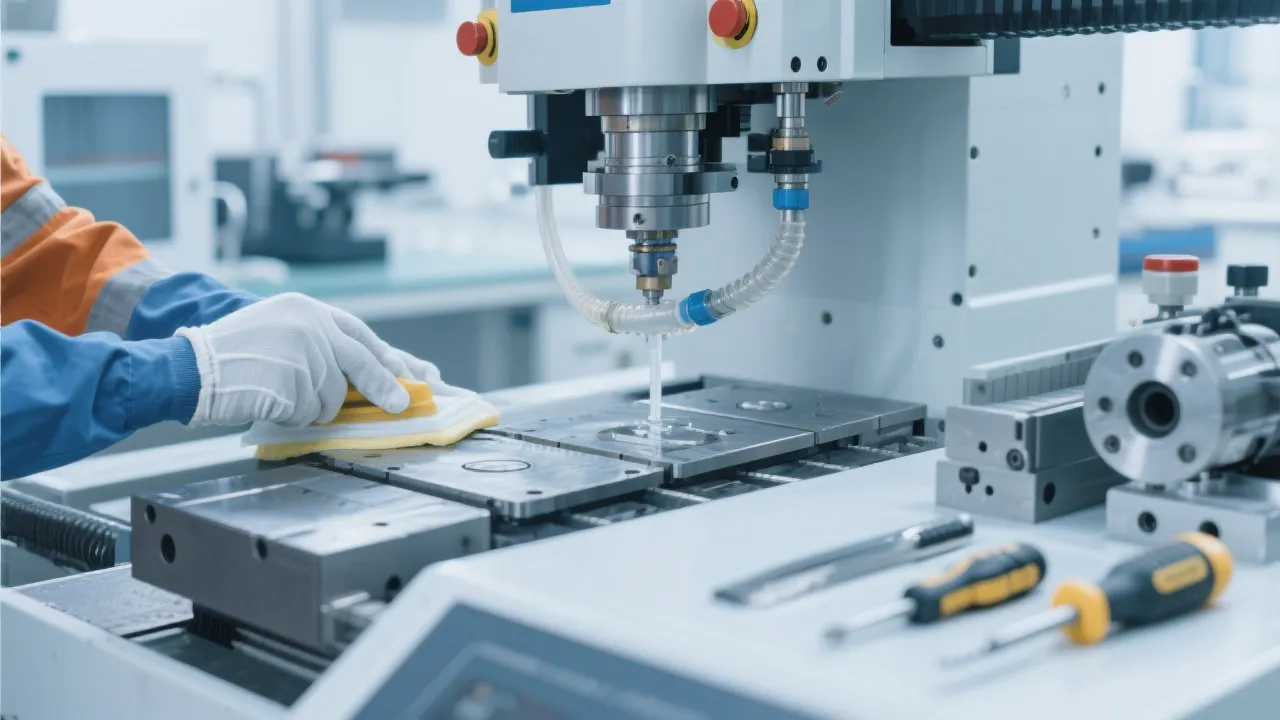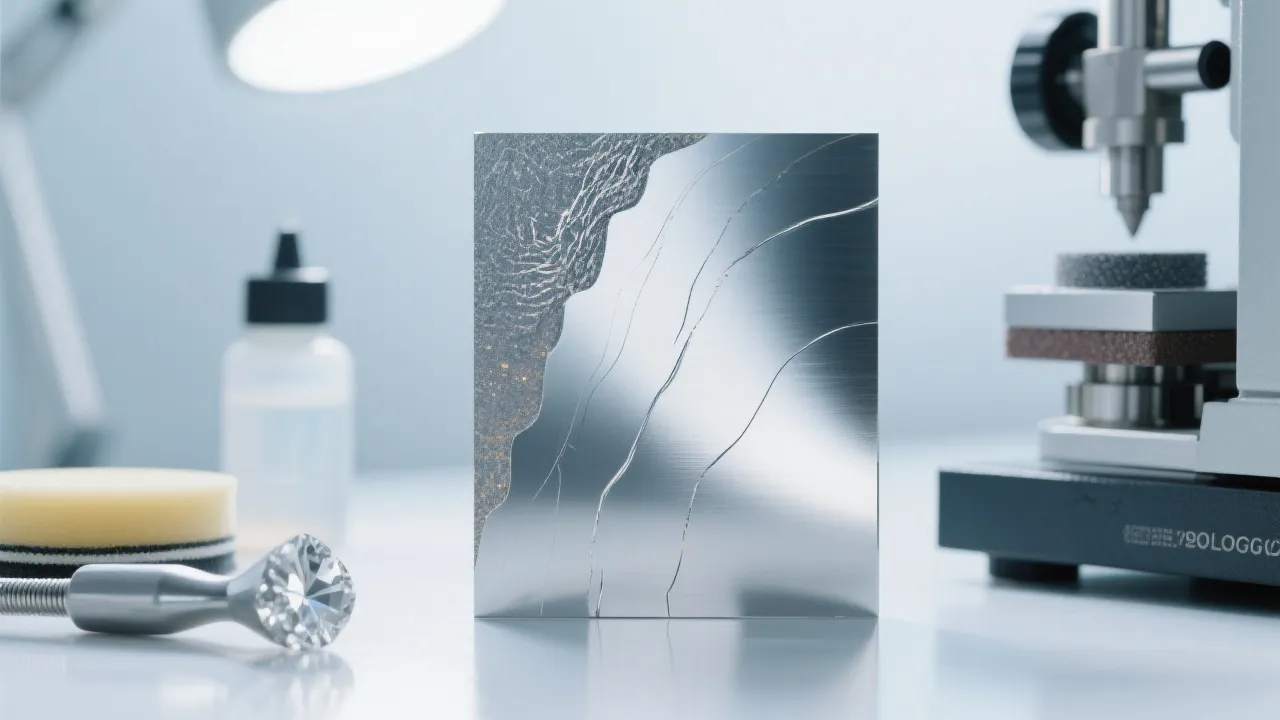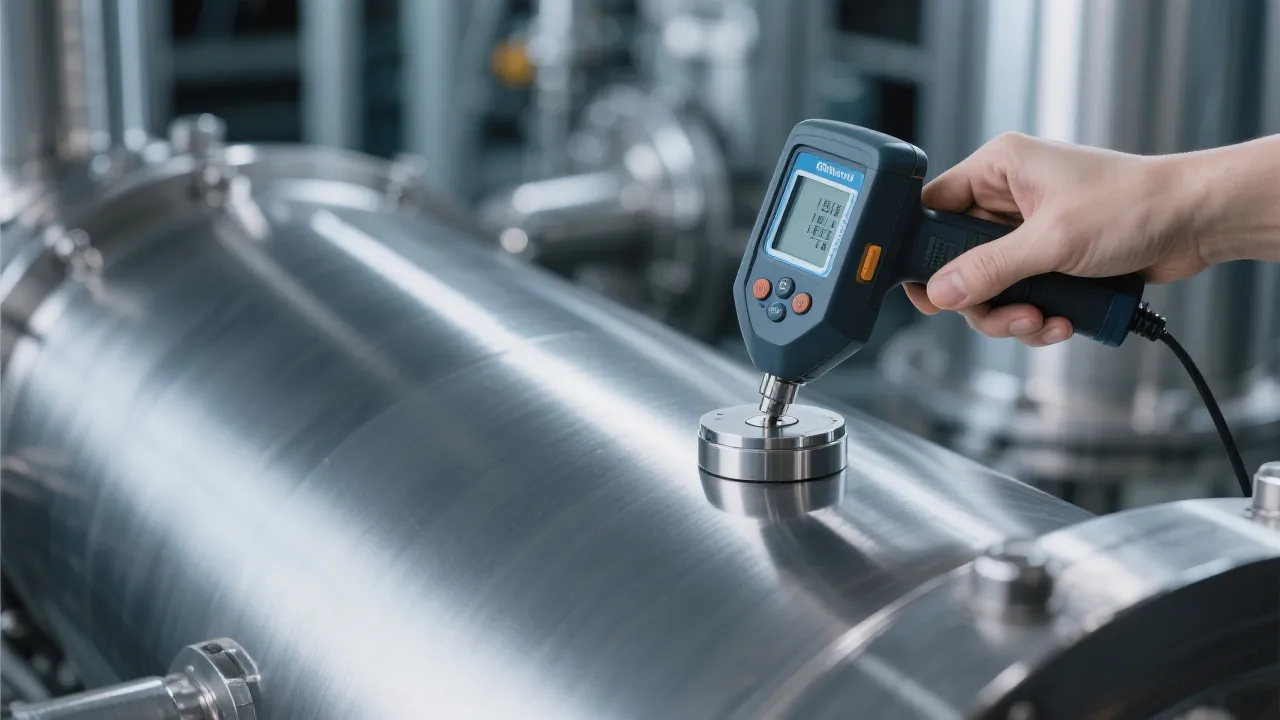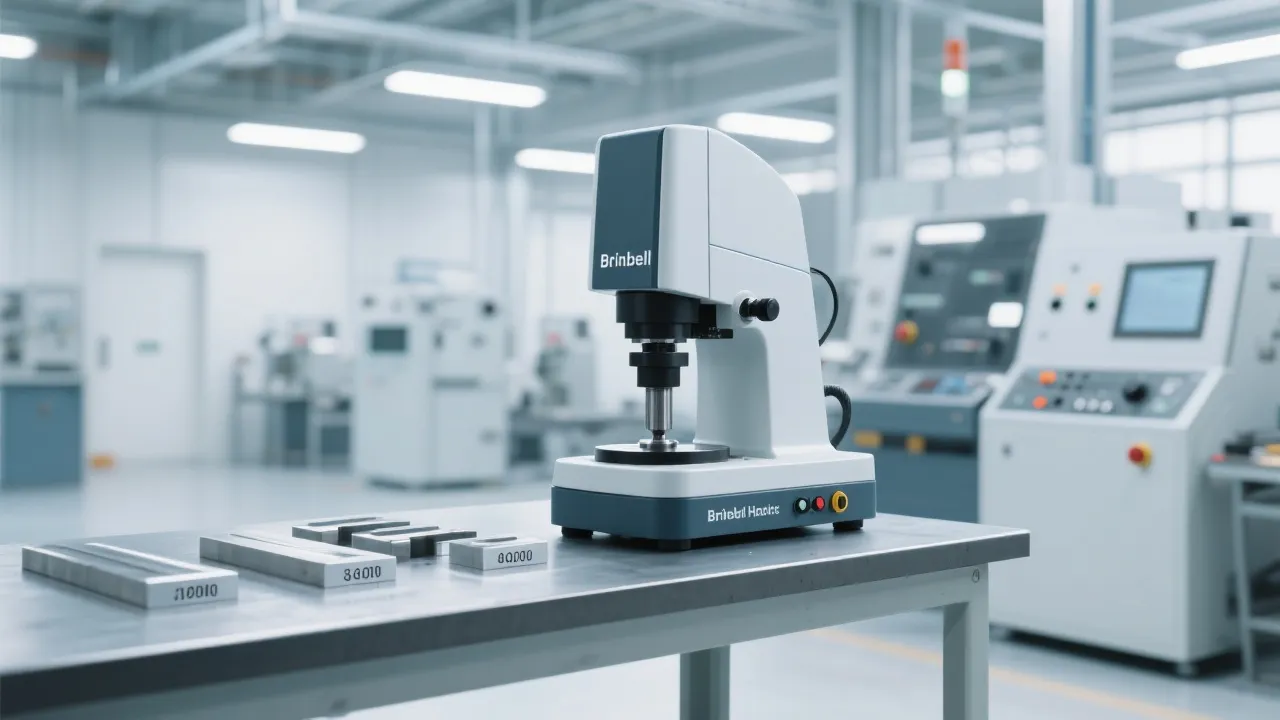
If you're responsible for preparing metal samples in a lab setting—whether you’re a materials scientist, metallurgist, or lab manager—you know that polishing isn’t just about surface finish. It’s about consistency, repeatability, and process efficiency. Choosing the wrong equipment can lead to inconsistent results, wasted time, and even safety risks.
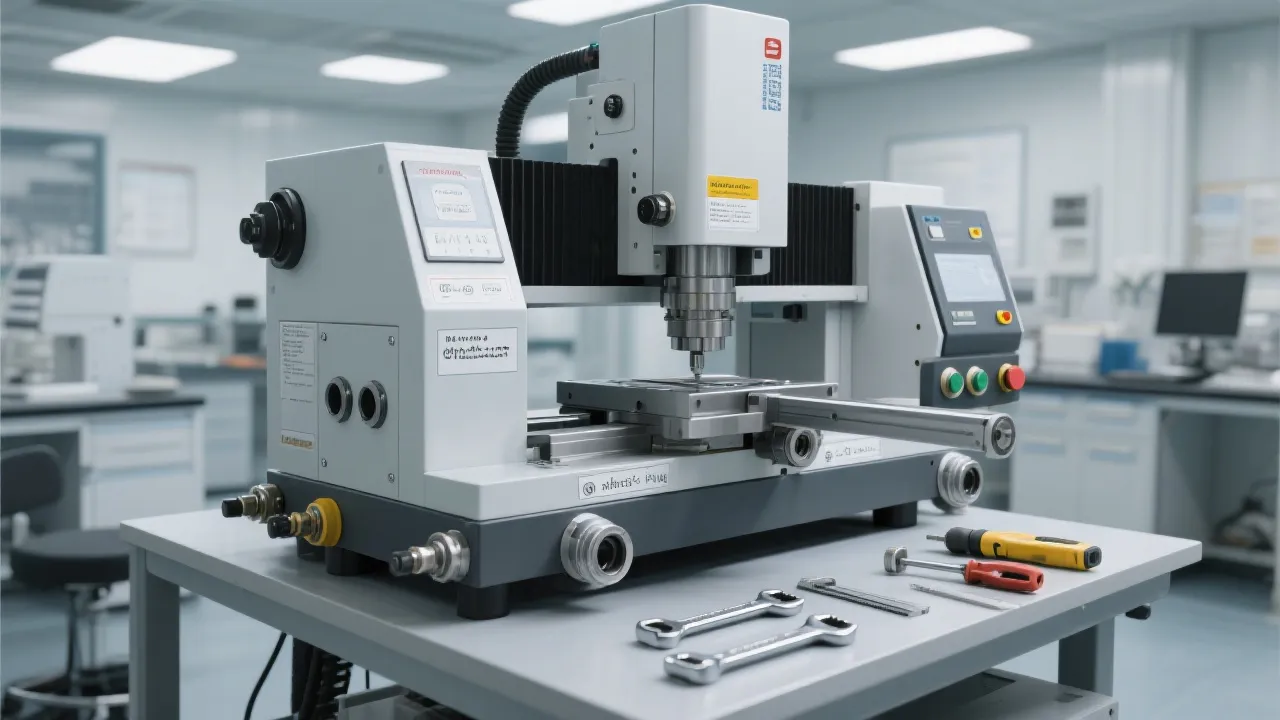
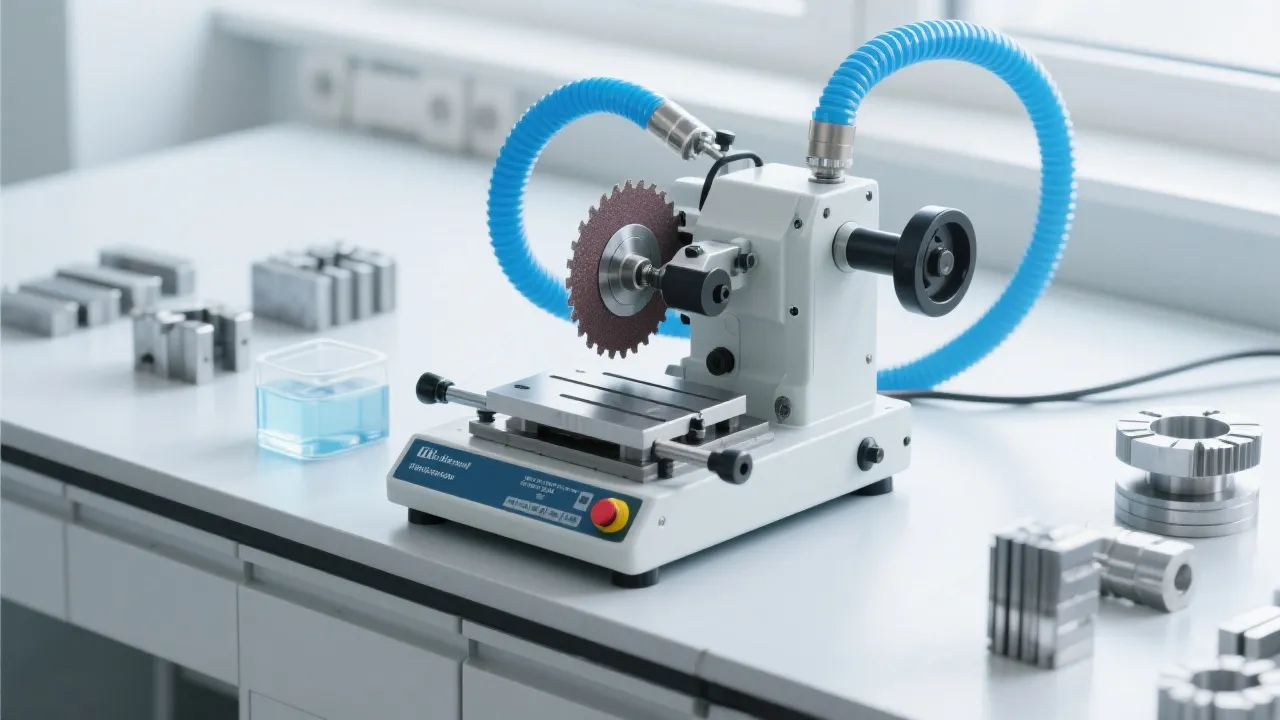
Let’s start with the basics: a high-quality polisher must offer both precision control and reliable power delivery. For example, the MP-2B Precision Polishing Machine features a wide speed range of 50–1000 RPM paired with a robust 550W motor. Why does this matter?
At lower speeds (e.g., 50–200 RPM), fine-grit polishing and delicate materials like aluminum alloys benefit from reduced vibration and heat buildup—critical for avoiding deformation. At higher speeds (600–1000 RPM), harder metals such as stainless steel or cast iron require more torque to maintain consistent material removal rates without burn marks.
According to ISO 14104:2017 on metallographic sample preparation, uniform polishing speed is essential for reproducible microstructure analysis. A motor underpowered for your application will stall during heavy-duty tasks—a common cause of poor surface quality and operator frustration.
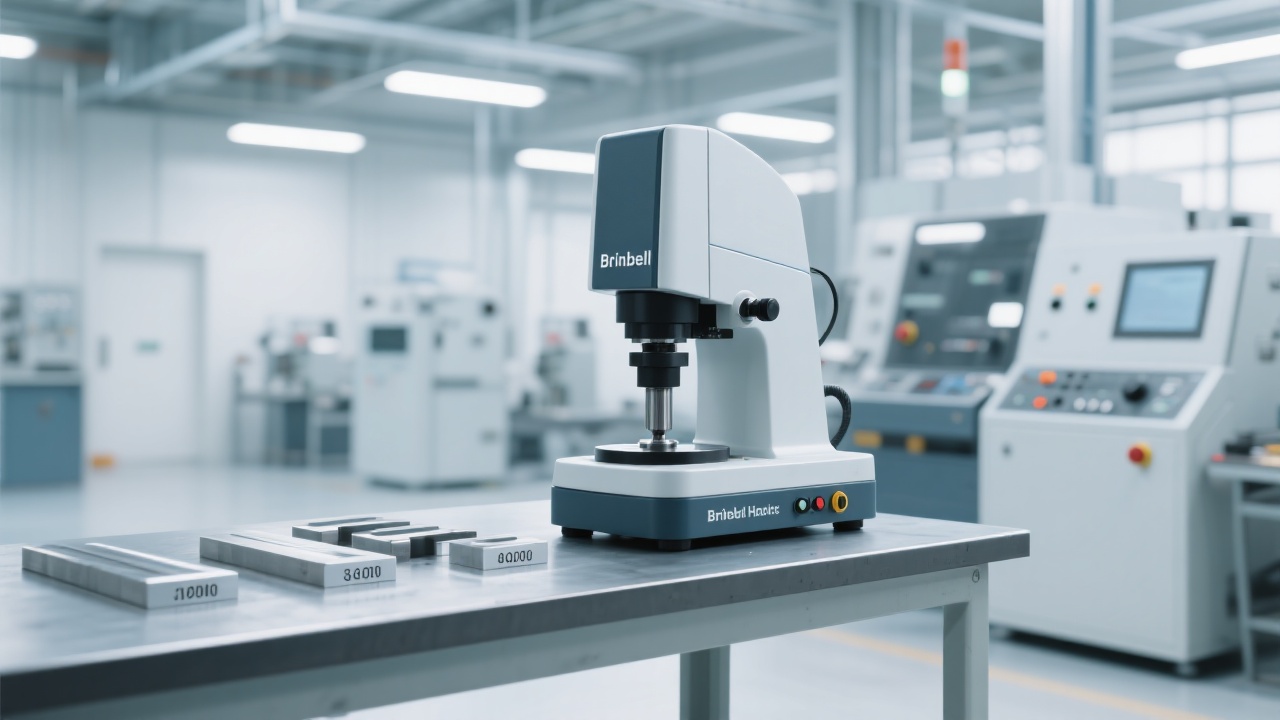
Here’s where many labs make costly mistakes:
A single-function machine might work for one material but fail when switching to another—leading to multiple machines, increased downtime, and training overhead. That’s why integrated systems like MP-2B—with built-in pre-grinding and polishing modules—are increasingly favored by modern labs.
Most lab equipment uses plastic housings made from standard polymers. But MP-2B uses high-strength ABS, which offers superior resistance to chemical splashes, impact, and long-term wear. In fact, users report up to 40% less maintenance compared to conventional models over a 3-year period.
This isn’t just about aesthetics—it’s about reducing total cost of ownership. Fewer repairs mean fewer disruptions to your workflow and more trust in your data.
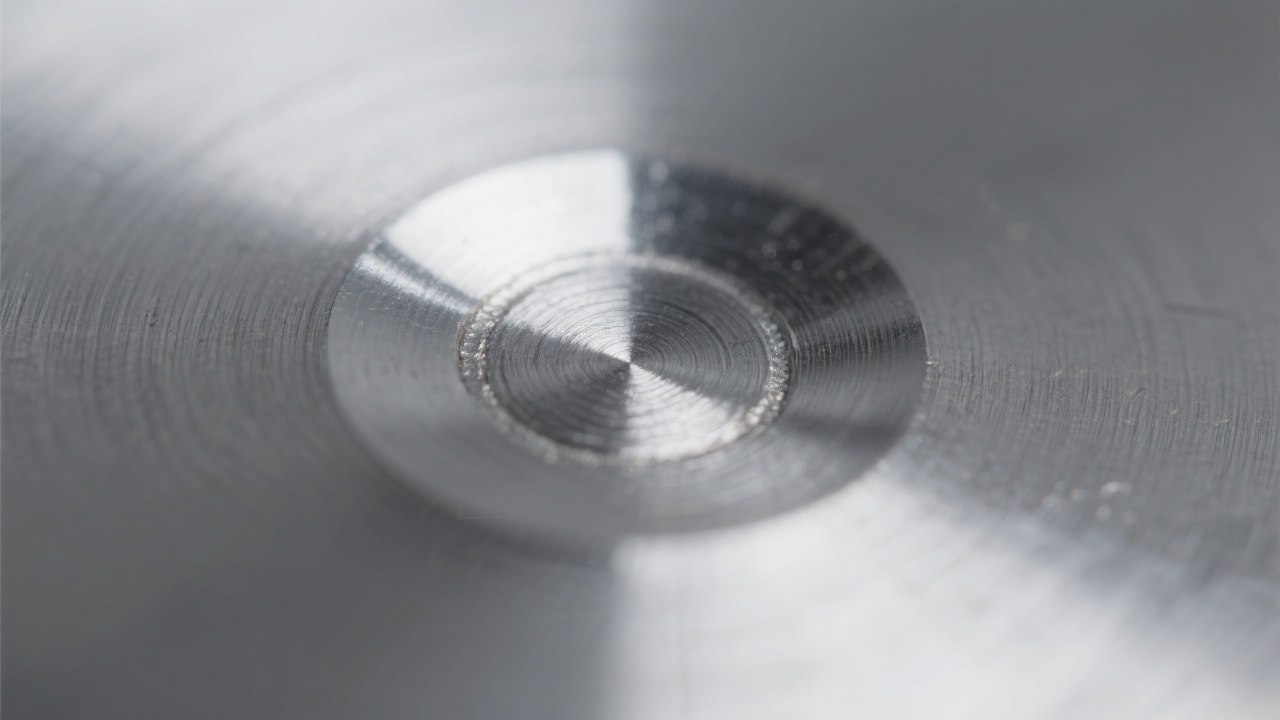
Even the best machine needs support. Our global service network includes online troubleshooting guides, 24/7 technical chat support, and on-site calibration services within 48 hours in key regions (EU, US, Middle East). This kind of responsiveness reduces risk—and builds long-term loyalty.
When you choose wisely, you’re not just buying a tool—you’re investing in a partnership.
See how the MP-2B Precision Polishing Machine adapts to your specific sample types and workflows—without compromise.
Explore MP-2B Features Now → automatic hot mounting machine maintenance
mold cleaning frequency
temperature sensor calibration
water cooling system descaling
equipment performance testing
metallographic polishing machine
automatic grinding and polishing
sample preparation optimization
energy-efficient lab equipment
metallography workflow
brinell hardness test accuracy
environmental effects on hardness measurement
brinell hardness standard compliance
metal hardness testing variability
temperature impact on hardness
Brinell hardness testing errors
indentation deformation deviation
hardness testing standards compliance
metal hardness measurement
GB/T 231.2 standard
Brinell hardness testing
hardness report standards
test data consistency
metal hardness measurement
GB/T 231.2
automatic hot mounting machine maintenance
mold cleaning frequency
temperature sensor calibration
water cooling system descaling
equipment performance testing
metallographic polishing machine
automatic grinding and polishing
sample preparation optimization
energy-efficient lab equipment
metallography workflow
brinell hardness test accuracy
environmental effects on hardness measurement
brinell hardness standard compliance
metal hardness testing variability
temperature impact on hardness
Brinell hardness testing errors
indentation deformation deviation
hardness testing standards compliance
metal hardness measurement
GB/T 231.2 standard
Brinell hardness testing
hardness report standards
test data consistency
metal hardness measurement
GB/T 231.2