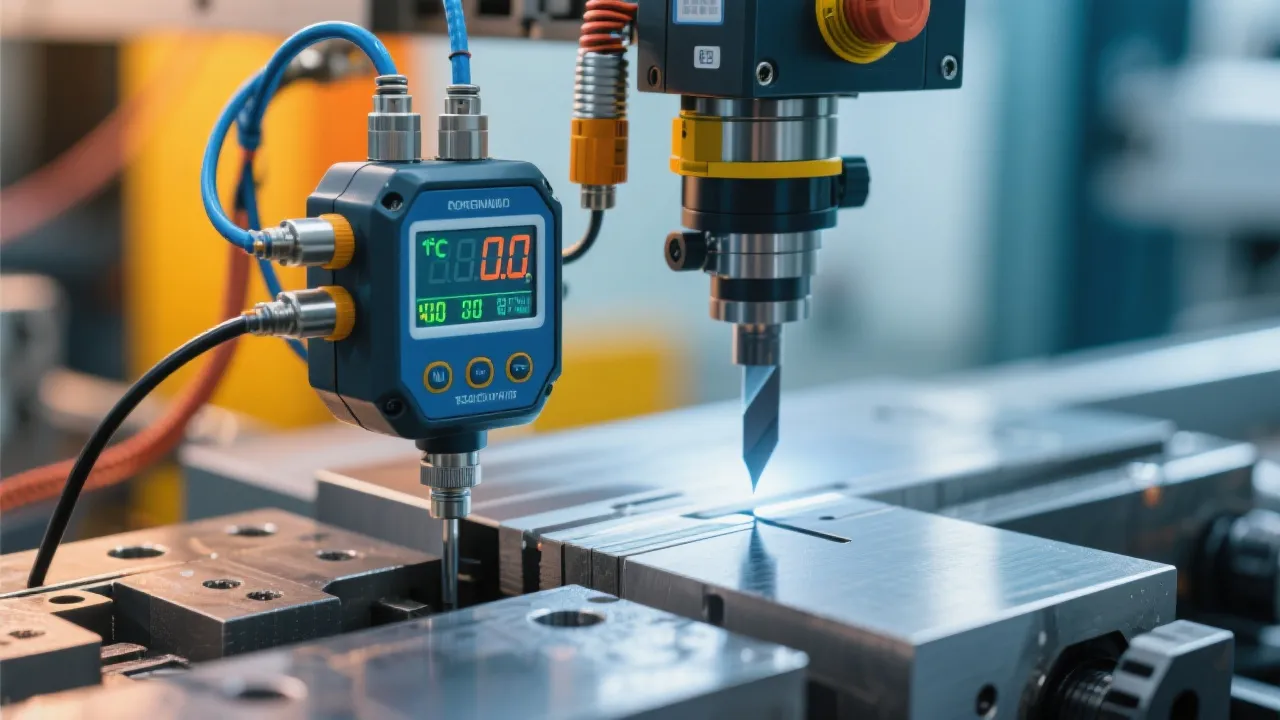
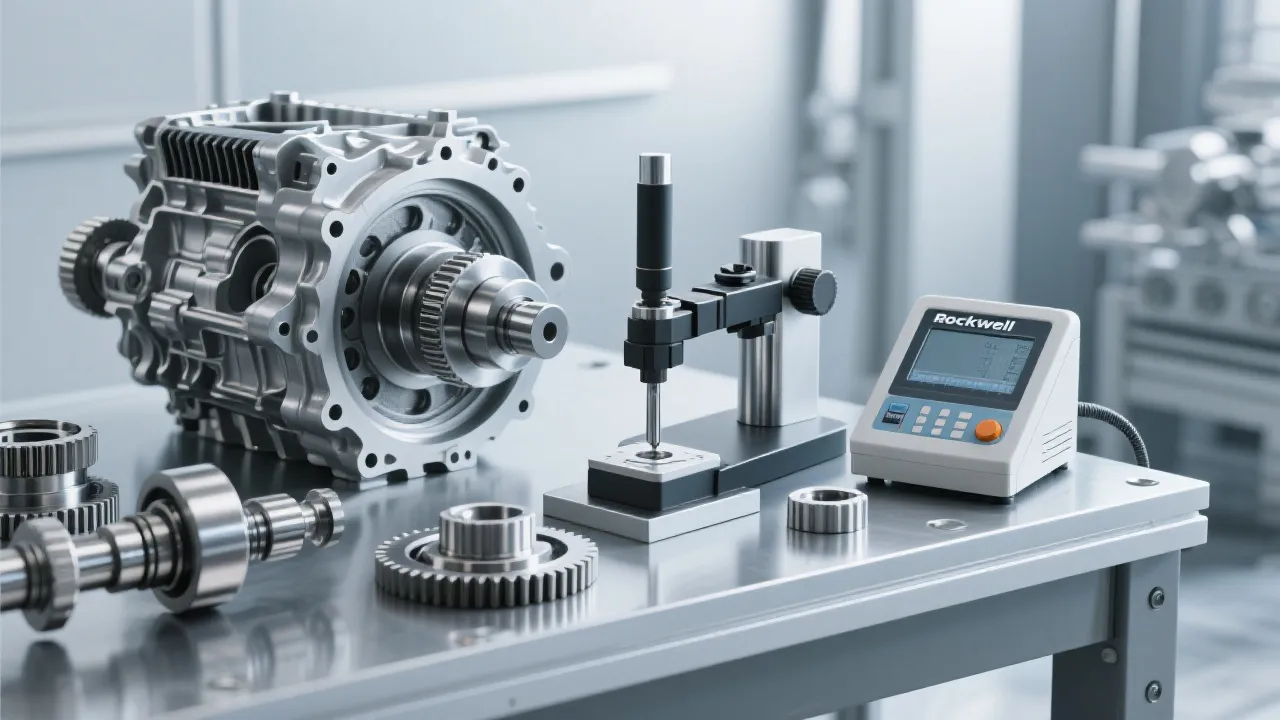
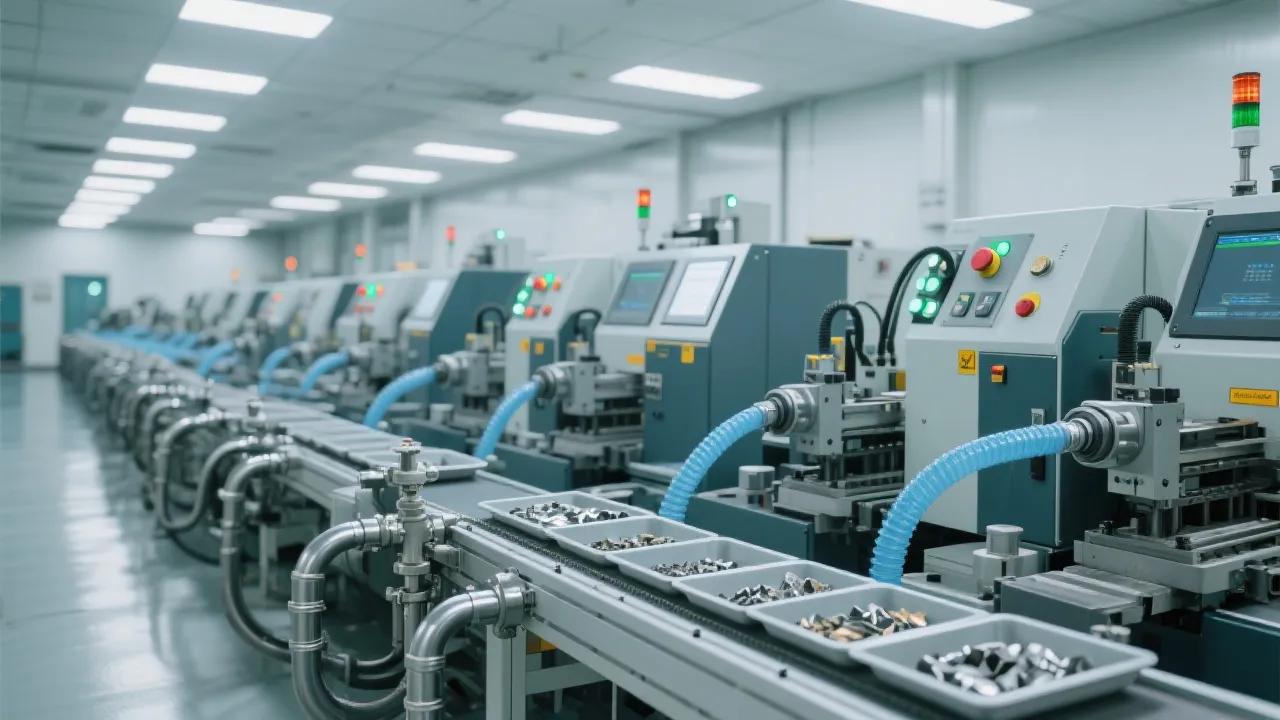
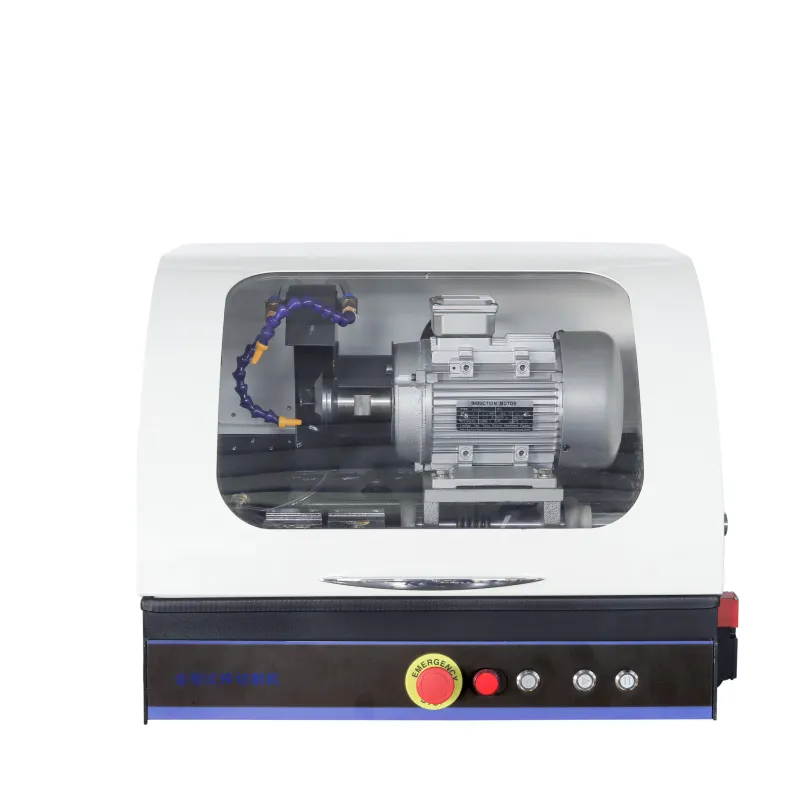
Designing online metallurgical testing equipment for metallographic inspection involves more than selecting instruments. The system must fit the production workflow, support reliable sample preparation and testing, and provide data in a format suited to quality-control processes. Laizhou Jincheng Industrial Equipment Co., Ltd. designs, develops, and manufactures customized online testing equipment for large metallurgical enterprises, with project planning shaped around each application’s requirements.
This overview outlines the main engineering considerations for an online metallurgical testing project. It focuses on workflow integration, testing efficiency, automation control, and data output without making assumptions about a specific production line or project configuration.
An online metallurgical testing system should be planned around how samples are obtained, prepared, inspected, and documented within the intended process. Defining these steps early helps clarify where equipment, operators, automation, and data handling need to connect. The specific arrangement depends on the customer’s production environment and inspection objectives.
Review how inspection activities relate to the production process, sample handling, and the available operating space. Integration requirements should be established for the actual site rather than assumed in advance.
Consider the required inspection sequence, sample volume, and preparation needs. A clear process definition helps identify opportunities to coordinate stages and reduce avoidable handling.
Define which steps require automated control and which depend on operator input. The level of automation should match inspection requirements, equipment interfaces, and the intended operating model.
Specify what information needs to be recorded and how results will support quality control. Data requirements should be discussed as part of system design, including the expected output and its role in the customer’s inspection workflow.
Online metallurgical testing equipment is application-specific. Equipment layout, process connections, automation functions, and data output should be confirmed against the customer’s operating conditions and inspection needs. A requirements-led approach helps keep engineering decisions grounded in the intended use and avoids assuming that one configuration suits every production environment.
Established in 2004, Laizhou Jincheng Industrial Equipment Co., Ltd. focuses on metallographic and hardness testing. In addition to its testing equipment and consumables, the company undertakes the design, development, and manufacture of online testing equipment for large metallurgical enterprises according to user requirements. For a project discussion, share the inspection purpose, relevant workflow, automation expectations, and data-output needs so the engineering scope can be assessed against the application.
 Metallographic equipment maintenance Polishing machine maintenance skills Metallographic polishing machine maintenance Grinding disc replacement Polishing cloth care
Brinell hardness testing hardness testing mistakes international standards hardness testing specification quality control
Metallographic grinding and polishing machine operation guide Automatic grinding and polishing machine usage skills Sample preparation process optimization How to set the speed of metallographic grinding and polishing machine Methods to improve the consistency of metallographic sample polishing
Metallographic equipment maintenance Grinding and polishing machine maintenance skills Metallographic sample preparation Laboratory equipment maintenance MP - 160E maintenance methods
Laizhou Jincheng Industrial Equipment Metallographic Grinding Polishing Machine LMP-3 automatic metallographic grinding polishing machine operation metallographic sample preparation optimization laboratory grinding polishing equipment maintenance