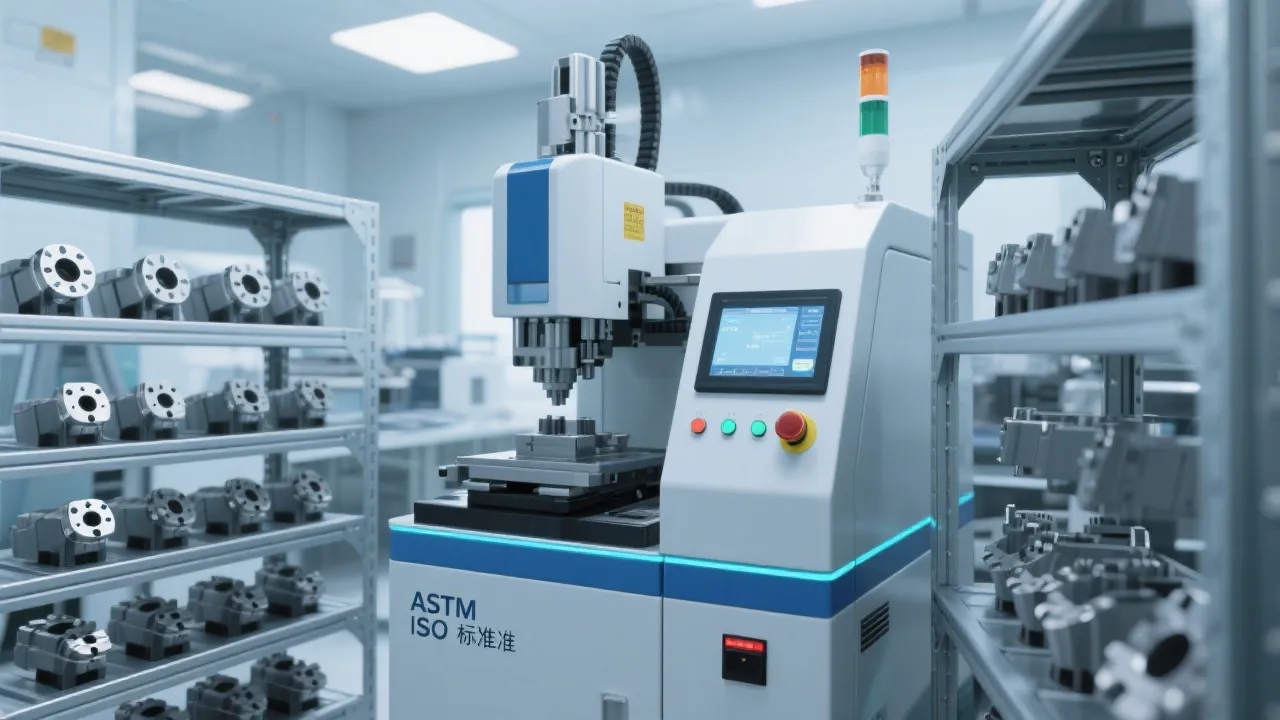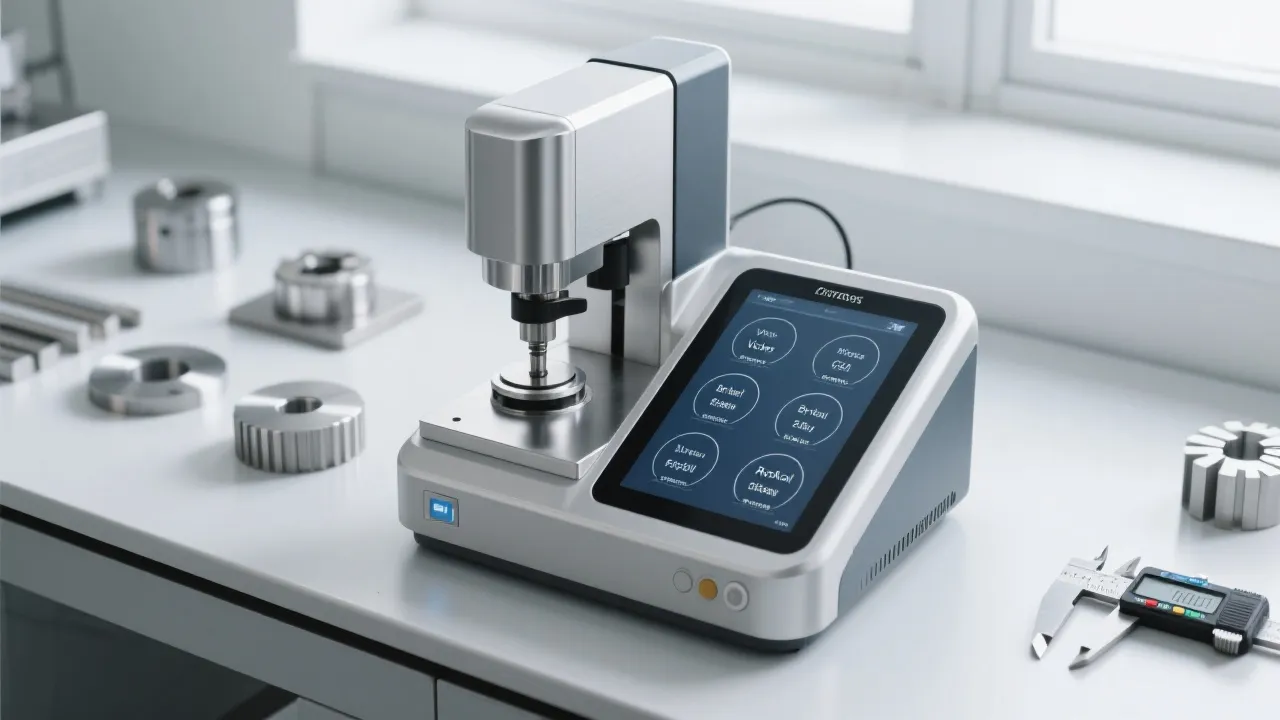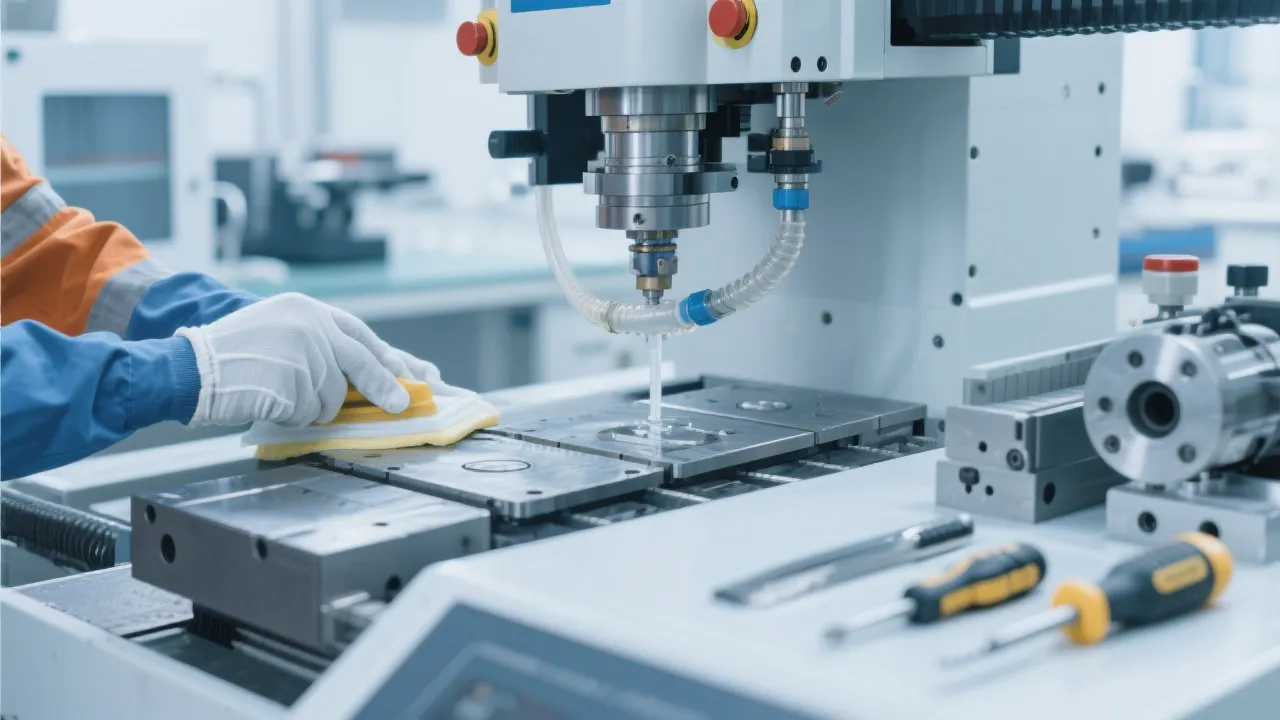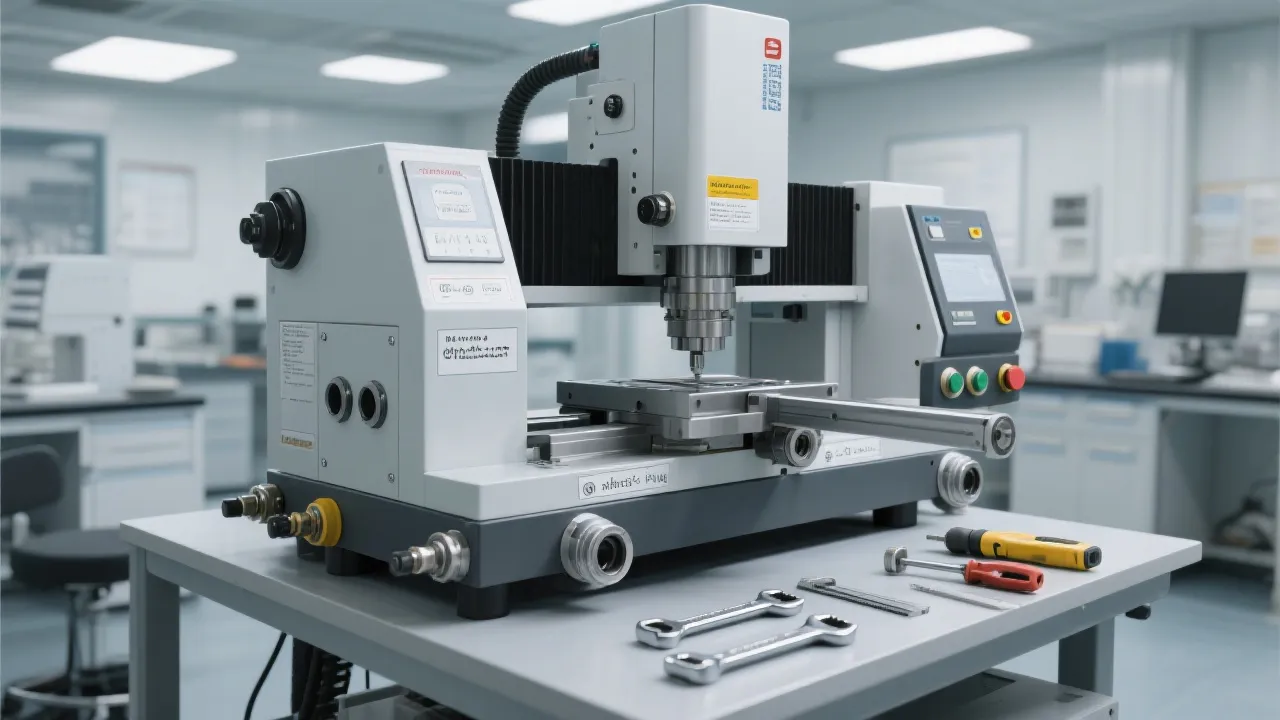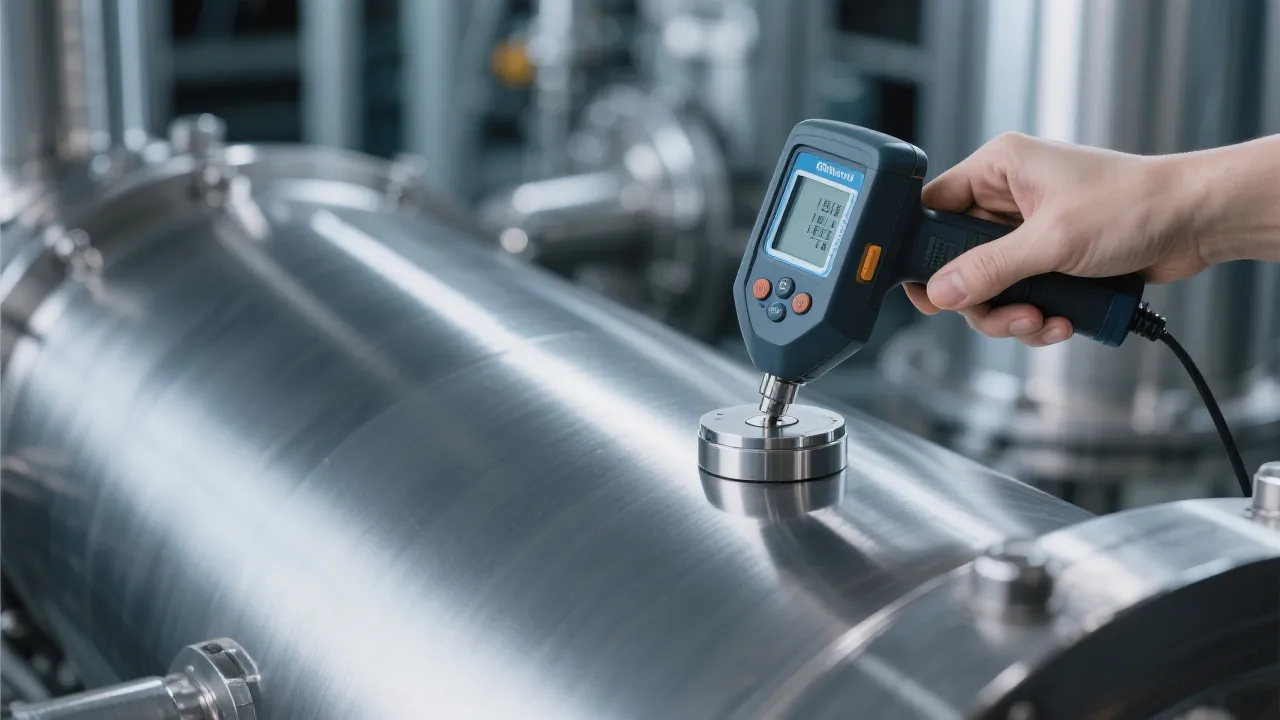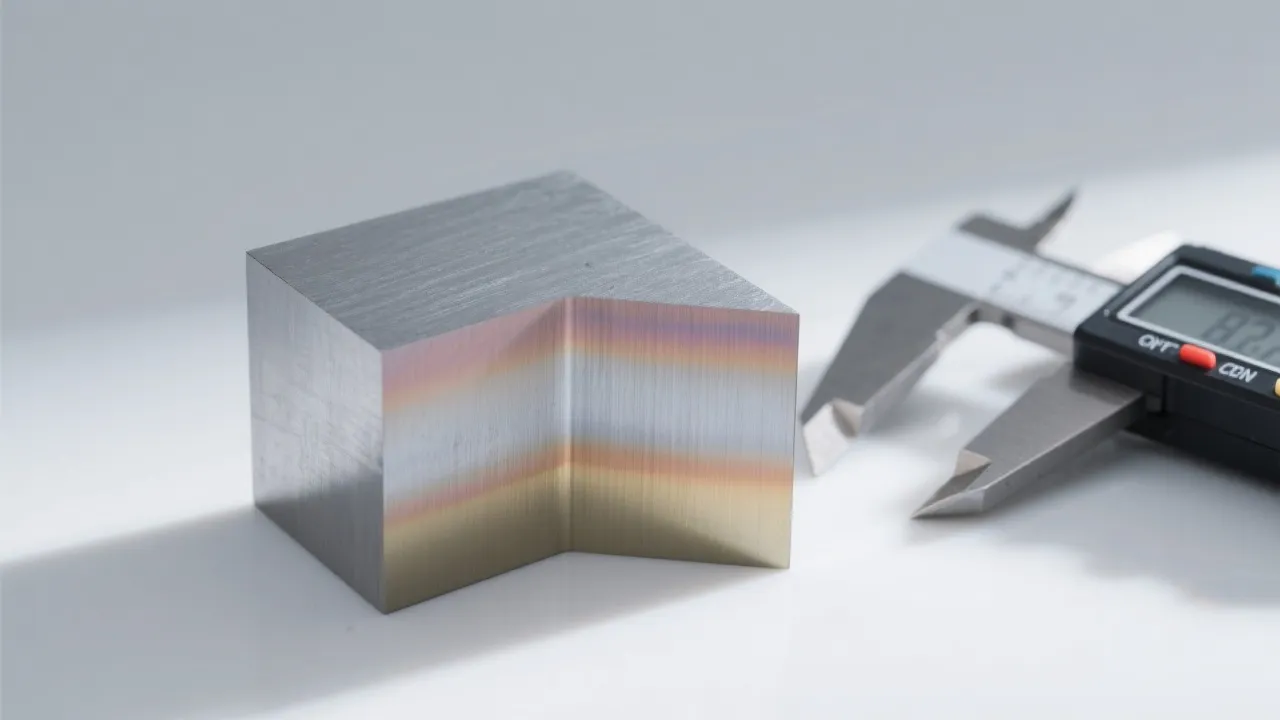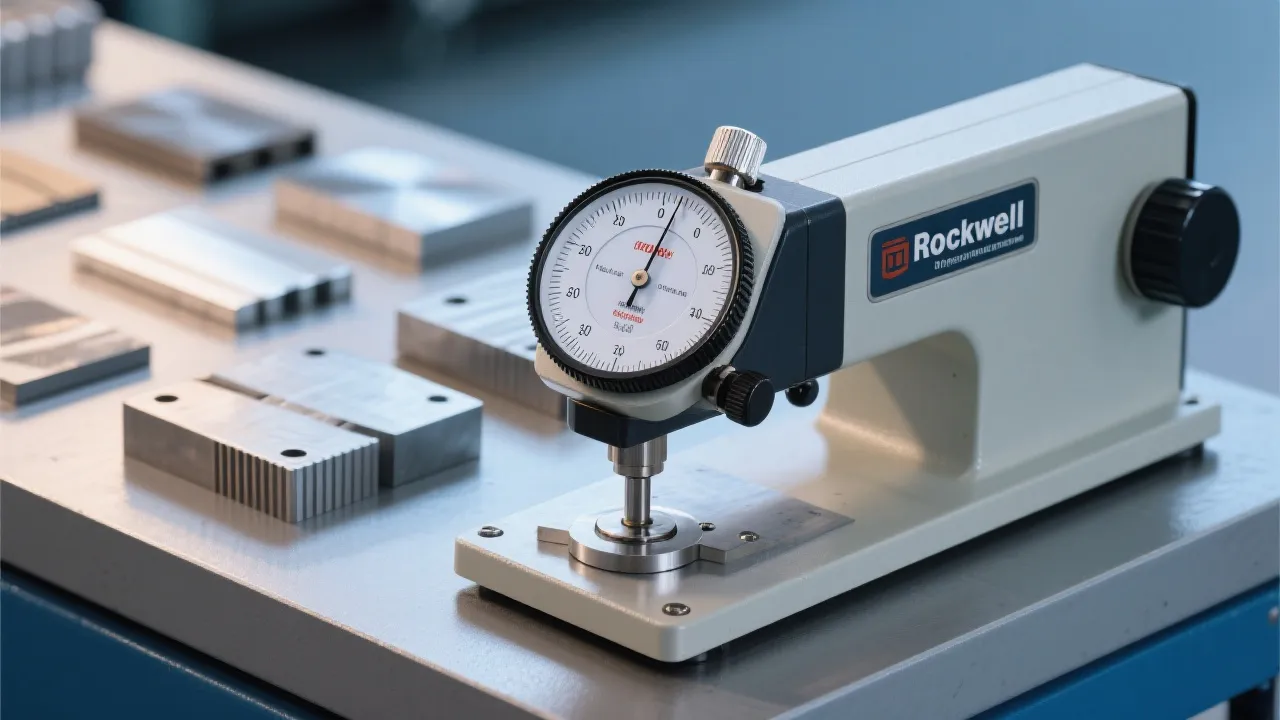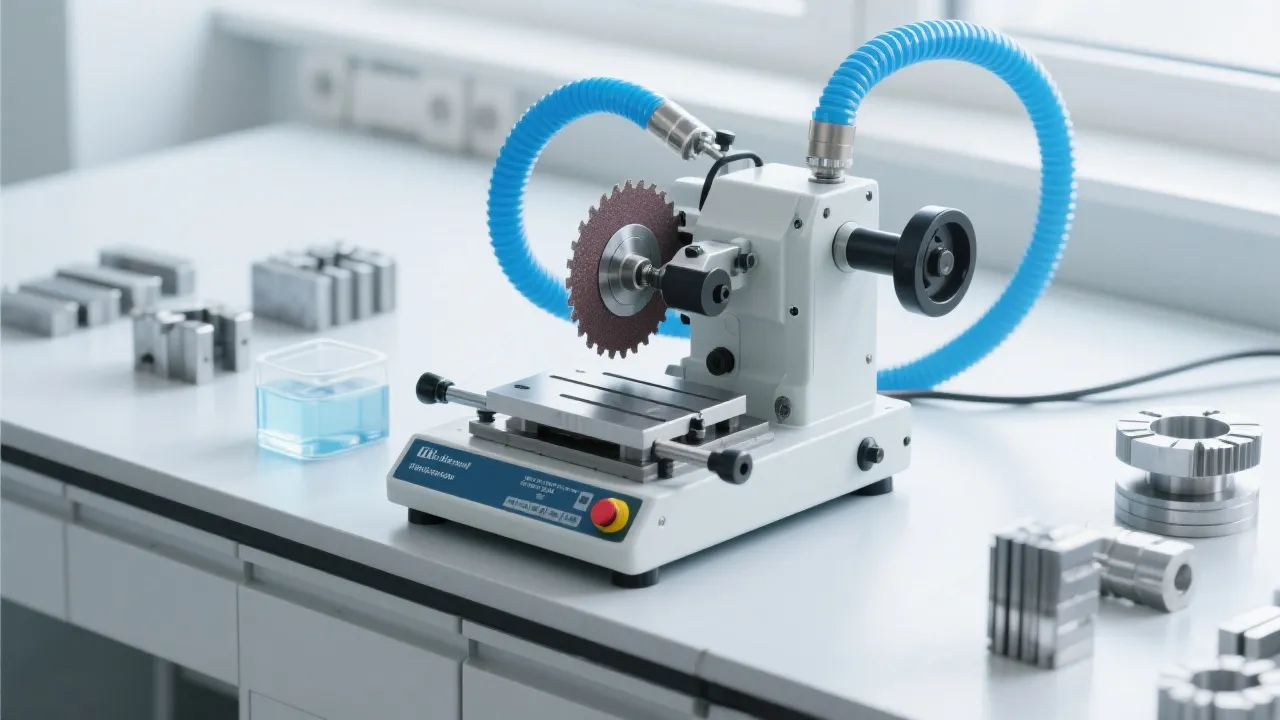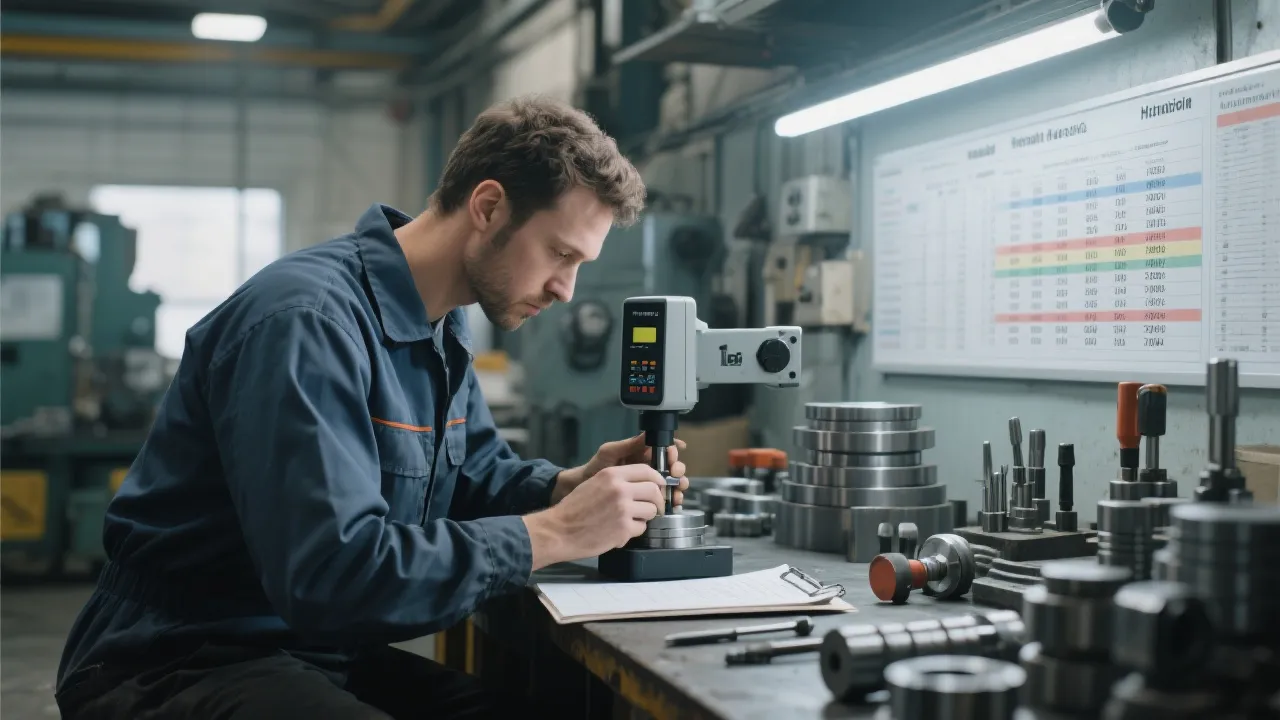
Proper maintenance isn’t just about keeping your lab equipment running—it’s about ensuring consistent sample quality, minimizing downtime, and maximizing ROI over time. For users of the LaiZhou JinCheng Industrial Equipment Co., Ltd.'s MP-160E metallographic polishing machine, a structured approach to care can extend its operational life by up to 40%—based on real-world data from industrial labs in Germany, China, and the U.S.
Start each shift with a 5-minute inspection routine:
These simple steps catch issues early—like worn brushes or oil leakage—that might otherwise lead to unexpected breakdowns costing $800–$1,500 in repairs.
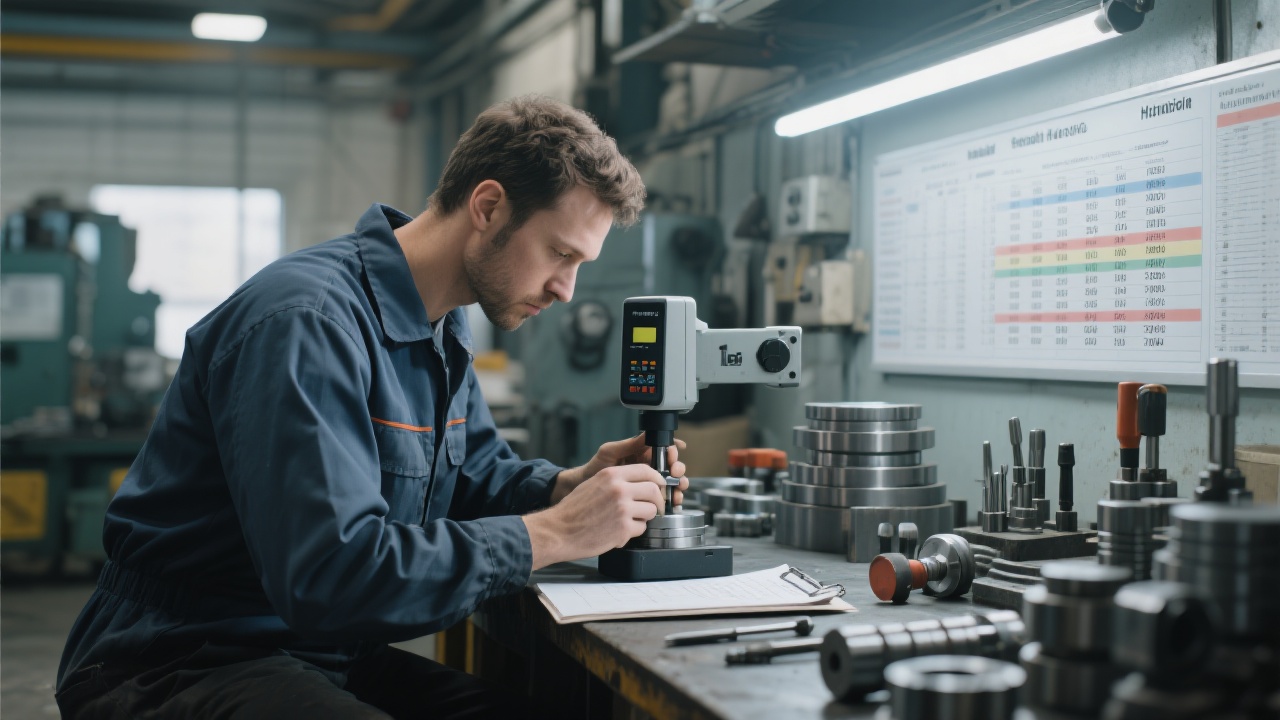
Following manufacturer guidelines is critical—but so is adapting to your workload:
| Component | Recommended Replacement Interval | Signs of Wear |
|---|---|---|
| Polishing Cloth | Every 50–75 samples | Visible scratches, uneven finish |
| Grinding Disc | Every 100–150 samples | Increased heat generation, inconsistent depth |
| Drive Belt | Every 6 months (or after 500 hours) | Slippage, noise, reduced RPM |
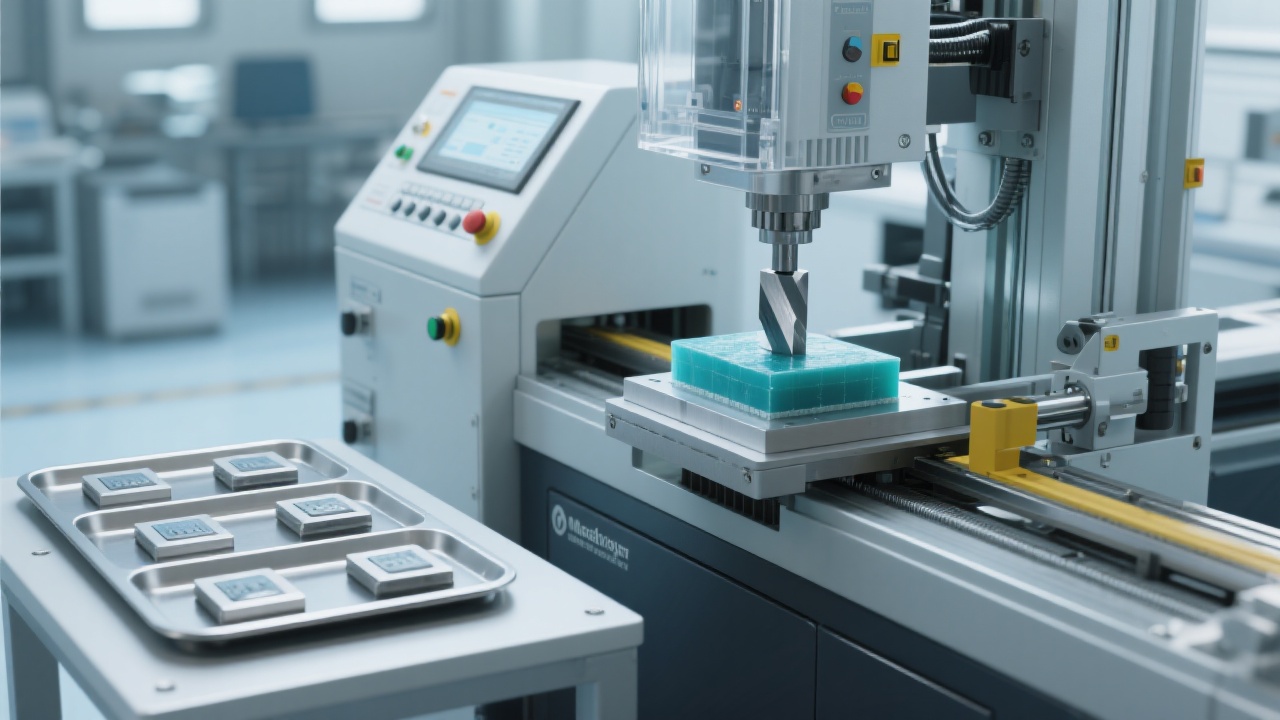
Don’t wait until the machine stops working. Watch for subtle cues:
If any of these appear, perform an immediate diagnostic check—or contact support before minor issues escalate into major failures.
 Brinell hardness testing
GB/T 231.2
ISO 6506
Metal material hardness testing
Hardness tester standard differences
automatic hot mounting machine maintenance
mold cleaning frequency
temperature sensor calibration
water cooling system descaling
equipment performance testing
brinell hardness test accuracy
environmental effects on hardness measurement
brinell hardness standard compliance
metal hardness testing variability
temperature impact on hardness
heat embedding machine maintenance
water cooling system anti-scaling
automatic embedding machine troubleshooting
metallographic sample preparation
lab equipment calibration
Brinell hardness testing
hardness report standards
test data consistency
metal hardness measurement
GB/T 231.2
Brinell hardness testing
GB/T 231.2
ISO 6506
Metal material hardness testing
Hardness tester standard differences
automatic hot mounting machine maintenance
mold cleaning frequency
temperature sensor calibration
water cooling system descaling
equipment performance testing
brinell hardness test accuracy
environmental effects on hardness measurement
brinell hardness standard compliance
metal hardness testing variability
temperature impact on hardness
heat embedding machine maintenance
water cooling system anti-scaling
automatic embedding machine troubleshooting
metallographic sample preparation
lab equipment calibration
Brinell hardness testing
hardness report standards
test data consistency
metal hardness measurement
GB/T 231.2