
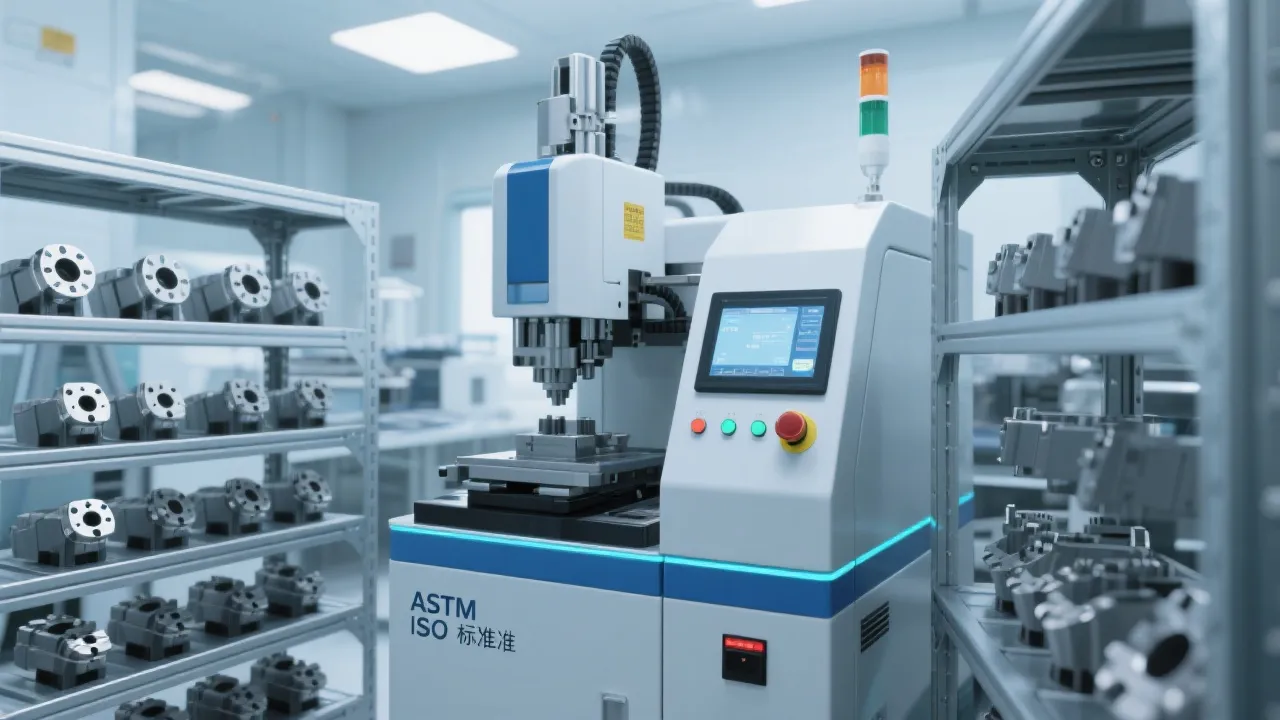
When you conduct microhardness testing, you’re aware that even slight manual errors — whether in reading indentation sizes or in complex unit conversions — can undermine the reliability of your hardness values. As a laboratory professional or quality control engineer, accuracy, efficiency, and traceability are your top priorities. The HV-1000 microhardness tester’s integrated calculator is engineered precisely to address these challenges, streamlining hard-to-manage steps into seamless digital workflows that help you say goodbye to manual errors and ensure every hardness report is both precise and traceable.
In conventional microhardness testing processes, several obstacles frequently reduce data fidelity:
The HV-1000’s built-in calculator turns your microhardness testing from a manual, error-prone chore into a confident, data-driven process. It leverages embedded algorithms and sensor inputs to automate four critical functions that empower your daily workflows:
| Function Module | Key Benefits | Supporting Features |
|---|---|---|
| Automatic Indentation Diagonal Recognition | Minimizes reading variance by utilizing live image processing for precise diagonal measurement. | High-resolution optics combined with AI-driven edge detection. |
| Multi-Point Average Calculation | Accelerates statistical analysis by computing averages and standard deviations instantly. | Configurable data sets supporting up to 20 indentations per series. |
| Smart Unit Conversion | Streamlines reporting by switching effortlessly between Vickers, Knoop, and Brinell scales. | Real-time syncing with international standard conversion formulas. |
| Data Consistency and Traceability Management | Ensures full compliance with ISO 6507 by maintaining audit trails and encrypted data logs. | Automated report generation and cloud synchronization options. |
“Since integrating the HV-1000, our lab has seen a 40% reduction in processing time and virtually zero human-induced calculation errors. This tool is indispensable for achieving and maintaining ISO certification.” — Quality Manager, Global Metalworks Inc.
To harness the full potential of the HV-1000, consider these operational best practices:
With the HV-1000, you move beyond legacy manual record-keeping. The tool’s data consistency and traceability functionalities create a smooth digital audit trail that supports regulatory inspections and quality system certifications. This integration not only streamlines hard data reporting but also expedites your compliance with ISO 6507, granting you confidence during critical audits.
To assist you in adopting the HV-1000’s capabilities with minimal ramp-up time, detailed video tutorials and graphical step-by-step guides accompany the device. They demystify the automated calculation flow, ensuring your laboratory team quickly navigates from manual methods to full digital empowerment.
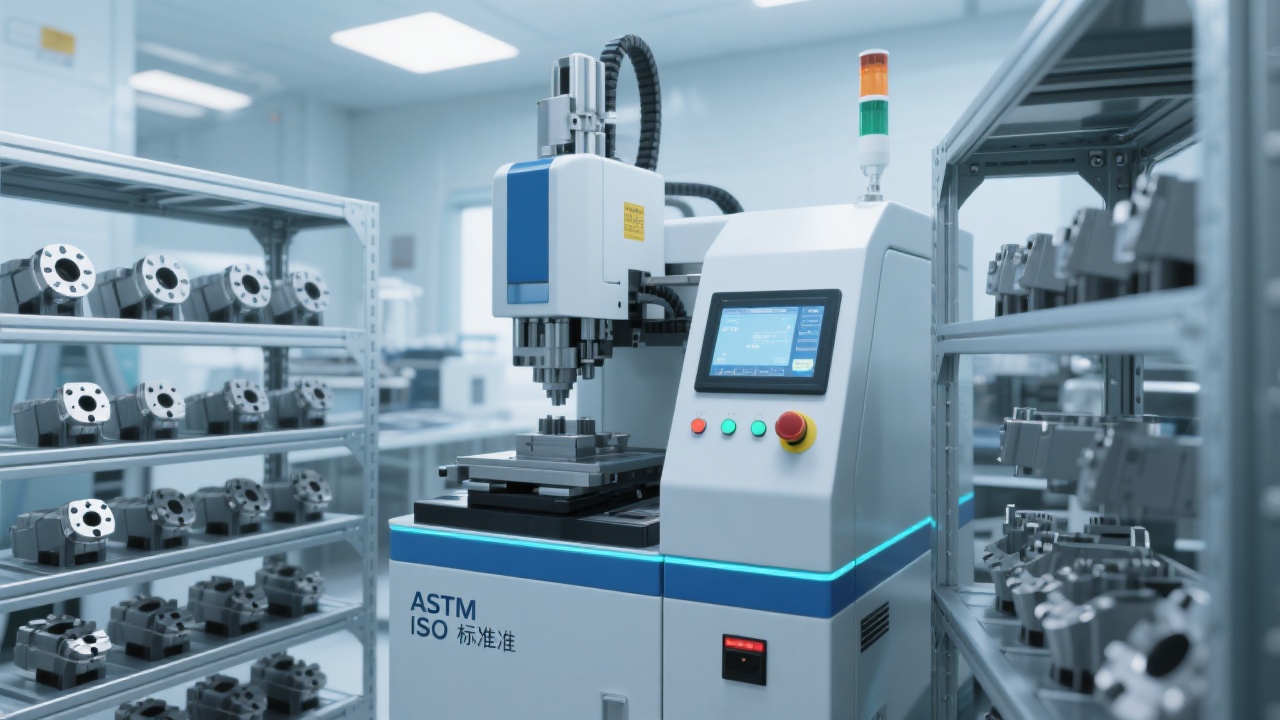
Transitioning to the HV-1000 means transforming microhardness testing into a predominantly digital, standardized process. It equips you to elevate test accuracy, reduce labor costs, and unlock unprecedented operational efficiencies.
Ready to eliminate manual errors and generate precise, traceable hardness reports at the push of a button? Discover how the HV-1000 microhardness tester can revolutionize your workflow and help you effortlessly pass ISO 6507 audits.
Explore HV-1000 Features & Request a Demo tear strength testing
incorrect clamping
textile mechanical properties
ASTM D1424
ISO 13934-1
high-precision cutting machine
metallographic sample cutting
laboratory sample preparation
metal specimen cutting
industrial quality inspection equipment
high-precision metallographic cut-off machine
metallographic cutting techniques
sample preparation equipment maintenance
ASTM metallographic standards
ISO certified metallographic equipment
tear strength testing
incorrect clamping
textile mechanical properties
ASTM D1424
ISO 13934-1
high-precision cutting machine
metallographic sample cutting
laboratory sample preparation
metal specimen cutting
industrial quality inspection equipment
high-precision metallographic cut-off machine
metallographic cutting techniques
sample preparation equipment maintenance
ASTM metallographic standards
ISO certified metallographic equipment



Hardness-TesterHV-1000-1.jpg?x-oss-process=image/resize,h_800,m_lfit/format,webp)


Hardness-TesterHV-1000-1.jpg?x-oss-process=image/resize,m_fill,h_800,w_800/format,webp)