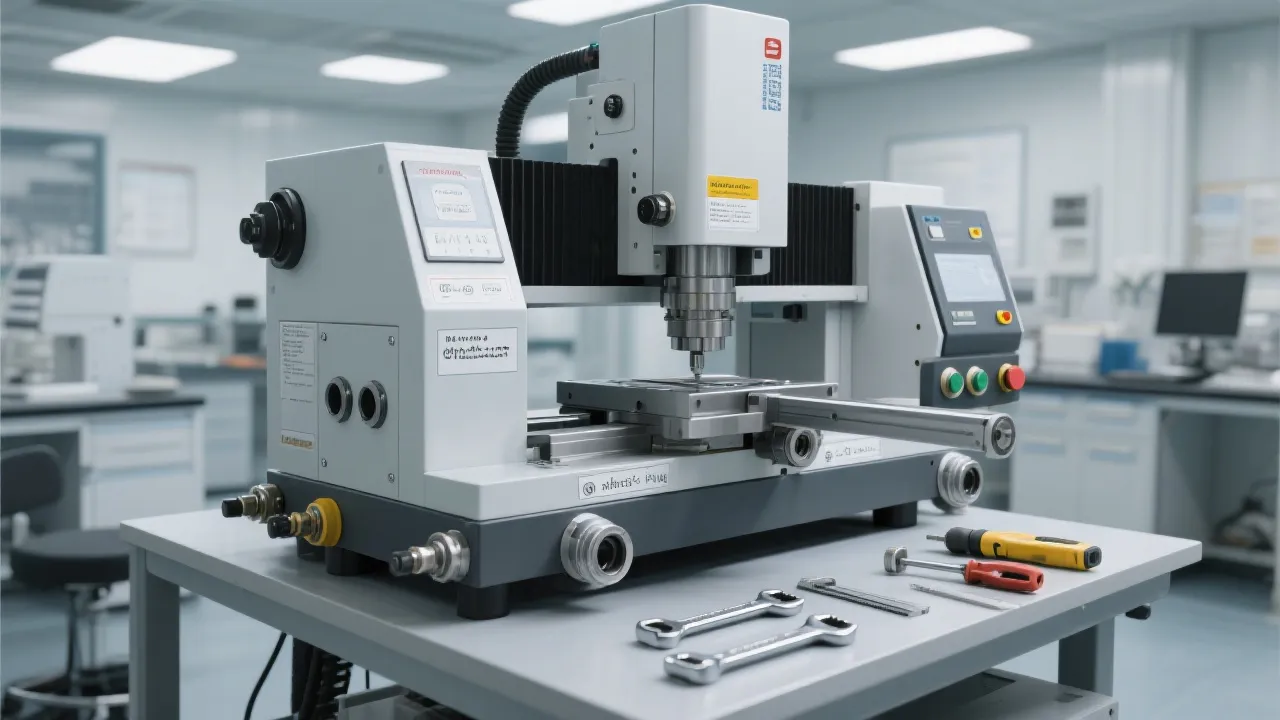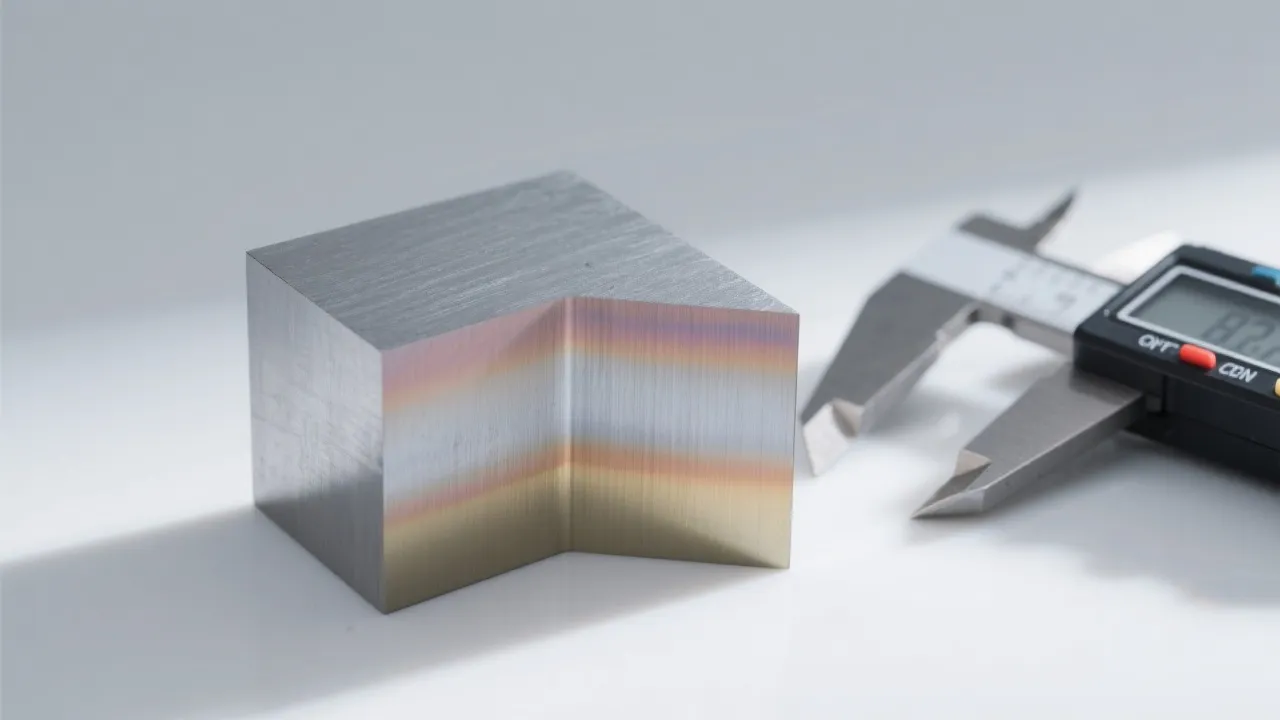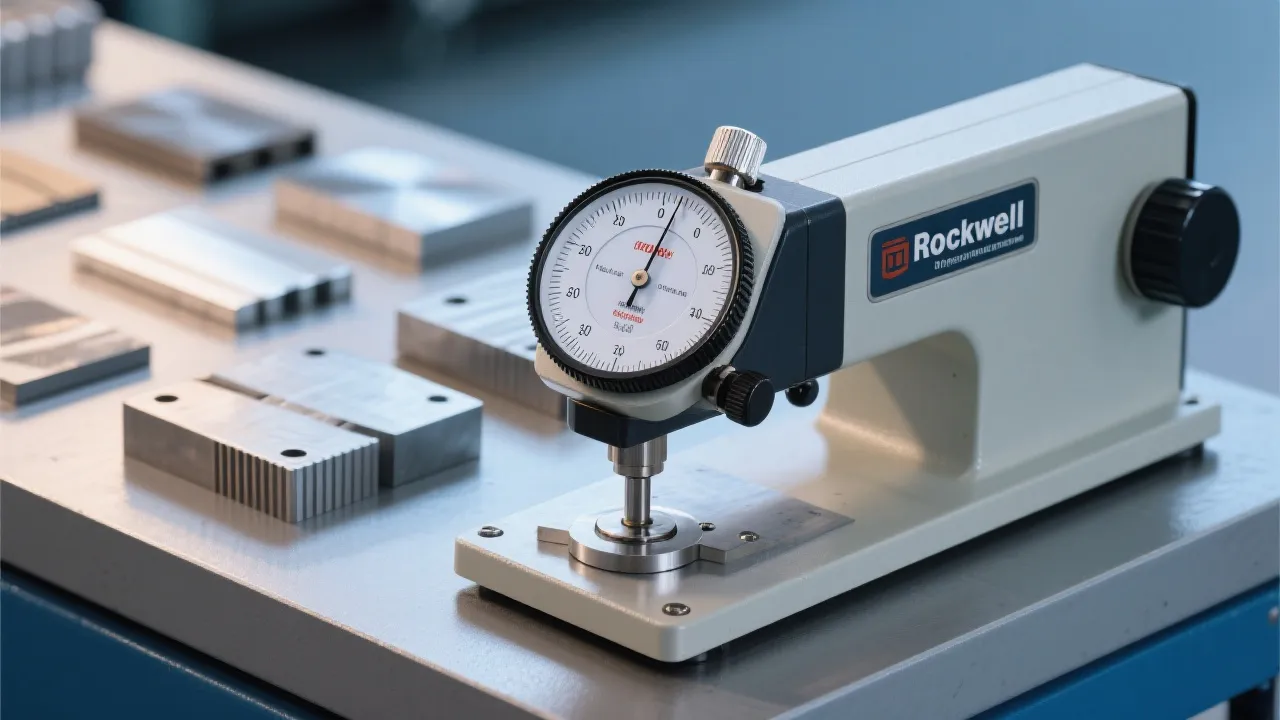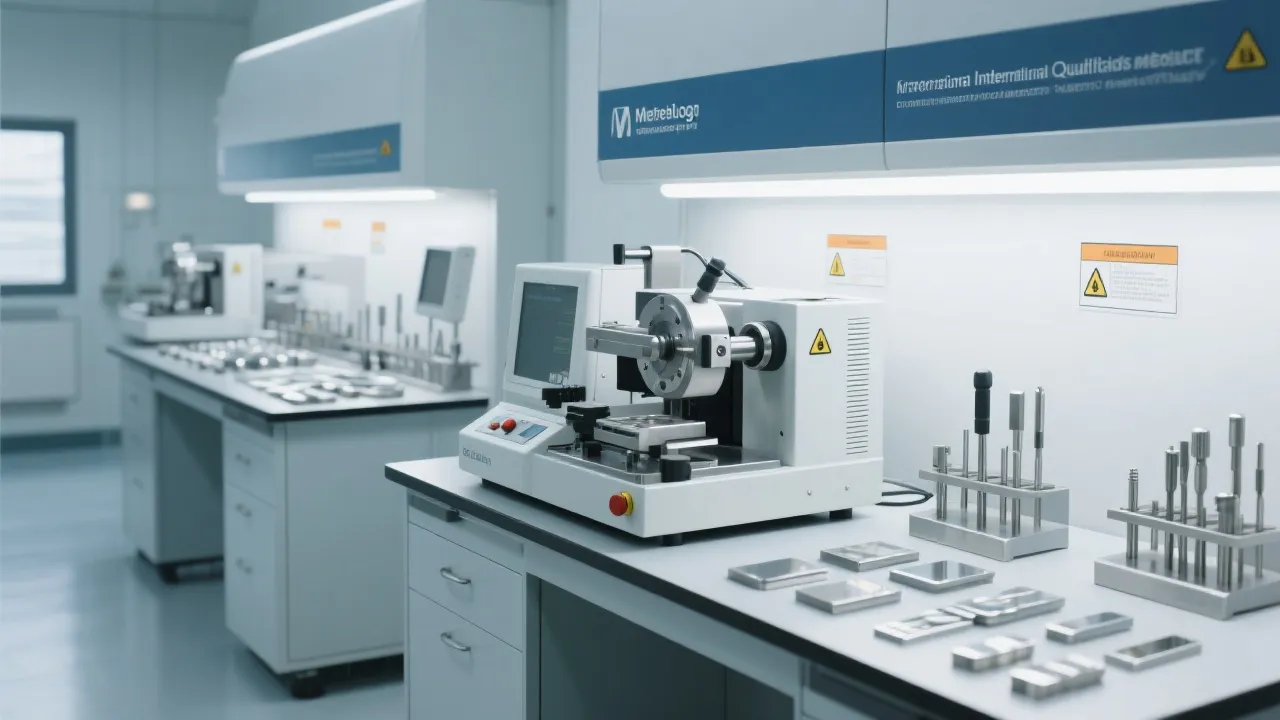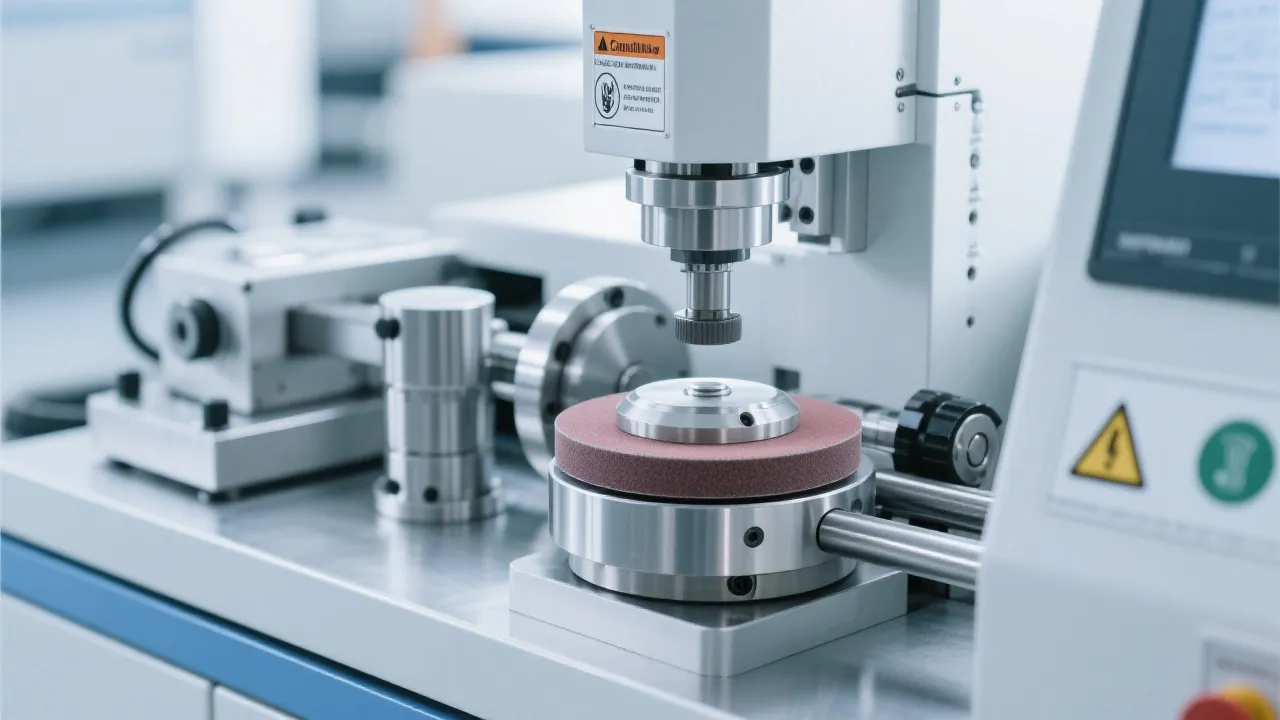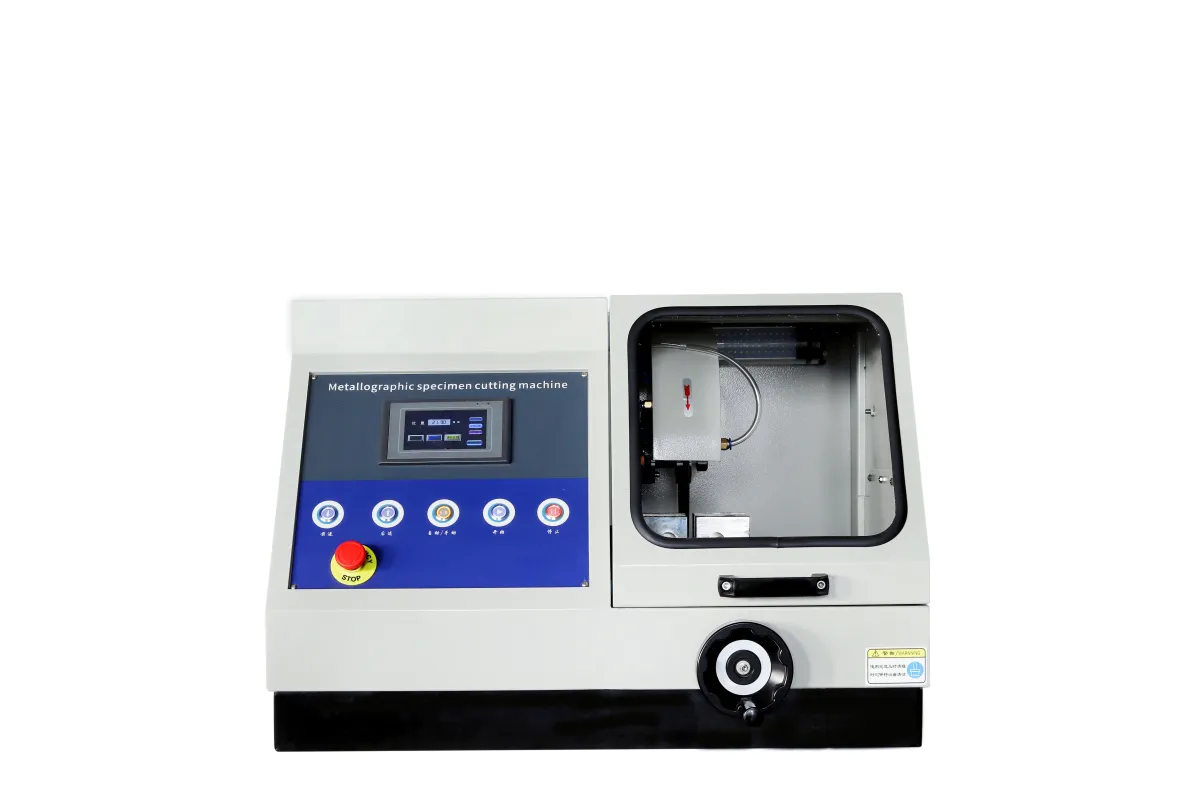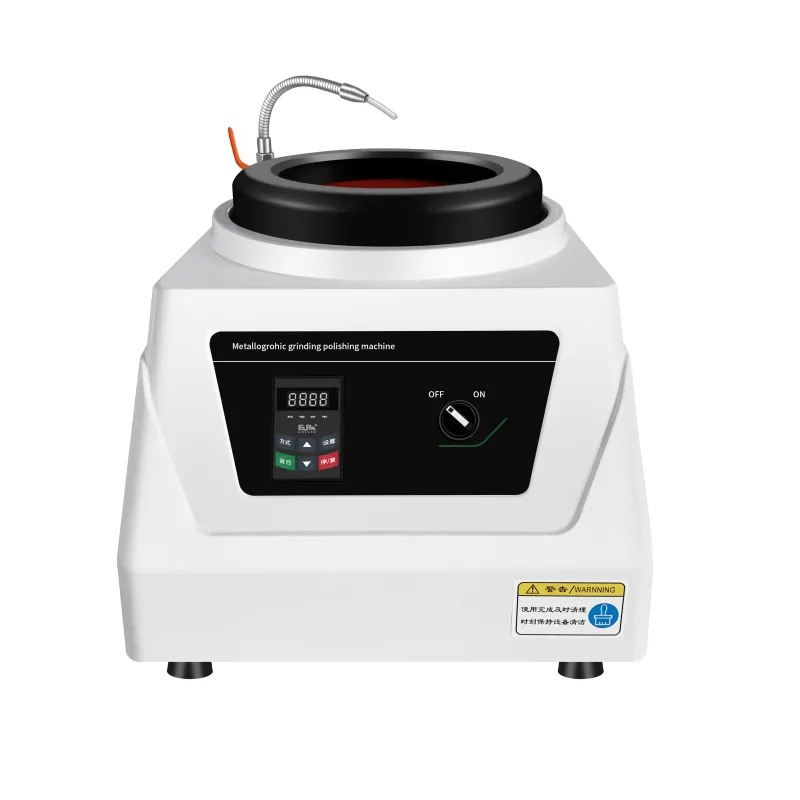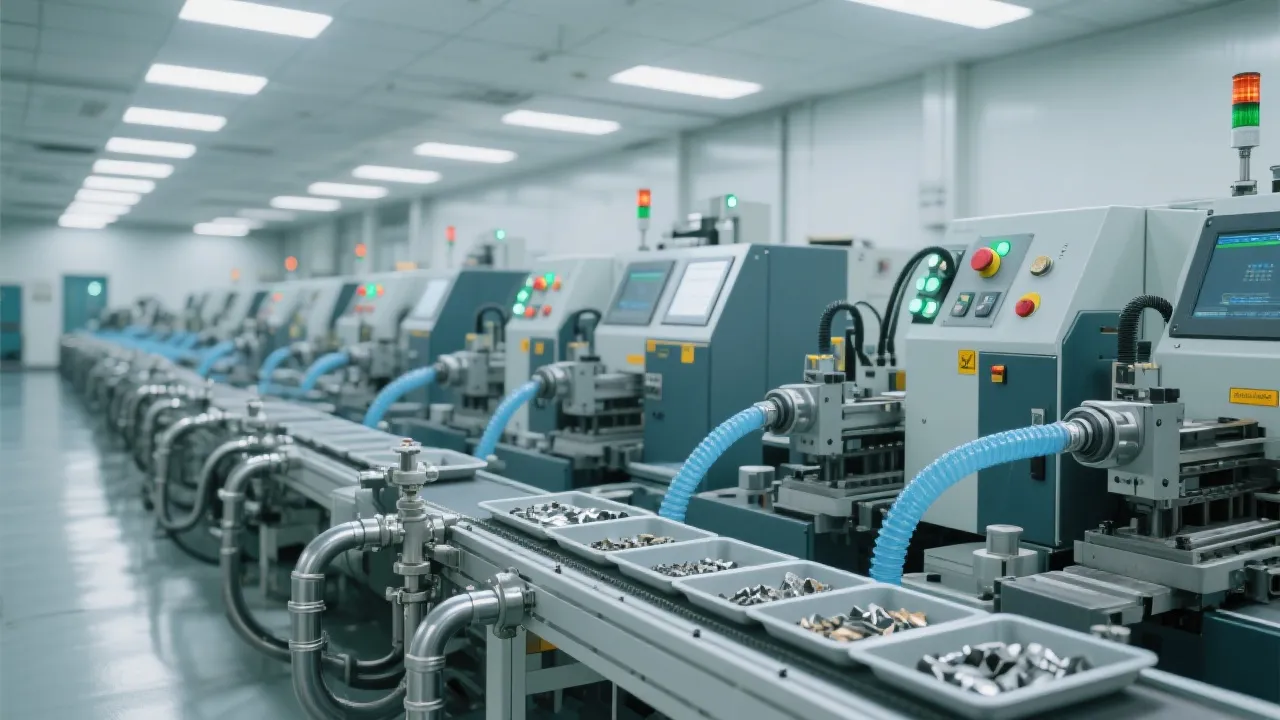
In the mechanical manufacturing and metallurgical inspection industries, achieving flawless metallographic sample preparation is often more challenging than anticipated. Nearly 80% of surface scratches stem from improper abrasive liquid selection or inconsistent polishing speeds. These recurrent issues not only delay quality assurance but also inflate operational costs due to repeated sample reworks.
Before remedying the imperfections in your metallographic samples, it's crucial to break down the contributing factors into three core dimensions:
Address each issue systematically with these practical strategies:
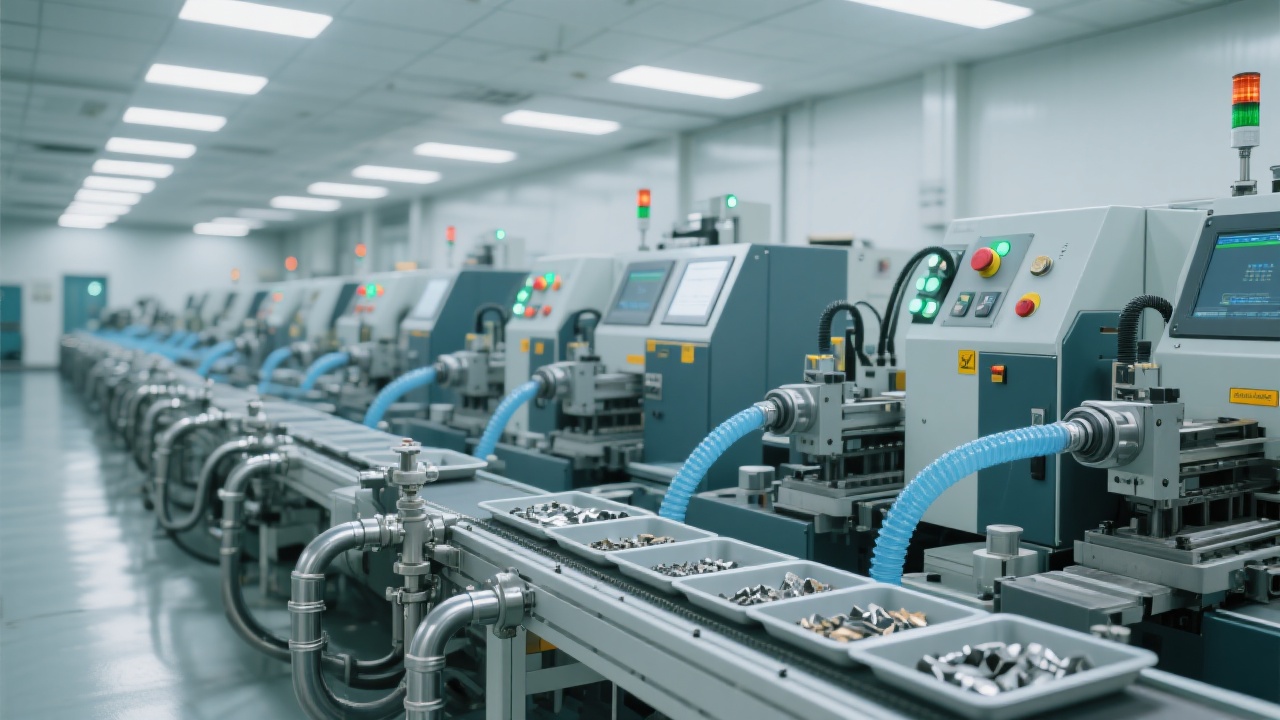
Adhering to ISO 17025 and ISO 4967 standards ensures your metallographic preparation process is reproducible and trustworthy. Your SOP should detail:
Embrace a culture of documentation and compliance to not only meet certification requirements but also improve internal knowledge transfer and training effectiveness.
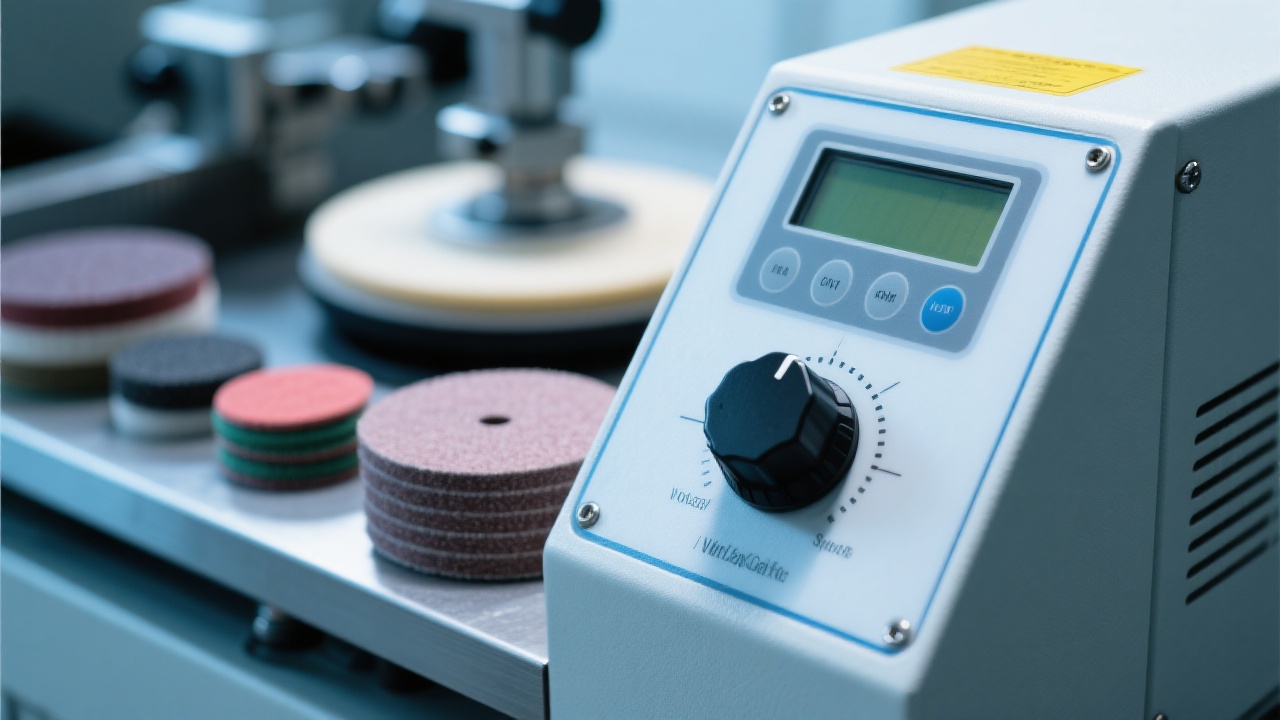
Below is a summary of common pitfalls and corrective measures that improve sample quality and reduce costly reworks:
| Frequent Error | Cause | Improvement Action |
|---|---|---|
| Surface Scratches | Inappropriate abrasive fluid or excessive speed | Select matched fluids; adjust RPM per stage |
| Beveled Edges | Loose fixture or warped grinding wheel | Tighten fixtures weekly; calibrate polishing disk monthly |
| Surface Unevenness | Environmental fluctuations and contamination | Control temperature/humidity; daily cleaning routines |
Have you encountered persistent scratch issues or edge deformities in your samples despite using advanced equipment? What strategies have you found effective? We invite you to share your challenges and solutions in the comments below. Your insights help build a stronger professional community focused on quality and innovation.
 metallographic grinder polisher operation guide
automatic grinding polishing machine tips
sample preparation workflow optimization
metallographic machine speed settings
improving metallographic polishing consistency
metallographic polishing machine maintenance
grinding disc for MP-160E
polishing cloth for metallography
sample preparation accuracy
lab equipment longevity
metallographic grinding and polishing machine tutorial
metallographic sample preparation maintenance
efficient material testing preparation
LMP-3S operation guide
automatic metallographic grinding equipment
material testing machine precision control
multi-scenario material testing solutions
metallurgy material mechanical property testing
university lab material testing equipment
UTM20KNM material tester
metallographic equipment maintenance
FRP enclosure corrosion protection
grinder-polisher保养技巧
laboratory equipment longevity
metallography sample preparation
metallographic grinder polisher operation guide
automatic grinding polishing machine tips
sample preparation workflow optimization
metallographic machine speed settings
improving metallographic polishing consistency
metallographic polishing machine maintenance
grinding disc for MP-160E
polishing cloth for metallography
sample preparation accuracy
lab equipment longevity
metallographic grinding and polishing machine tutorial
metallographic sample preparation maintenance
efficient material testing preparation
LMP-3S operation guide
automatic metallographic grinding equipment
material testing machine precision control
multi-scenario material testing solutions
metallurgy material mechanical property testing
university lab material testing equipment
UTM20KNM material tester
metallographic equipment maintenance
FRP enclosure corrosion protection
grinder-polisher保养技巧
laboratory equipment longevity
metallography sample preparation