
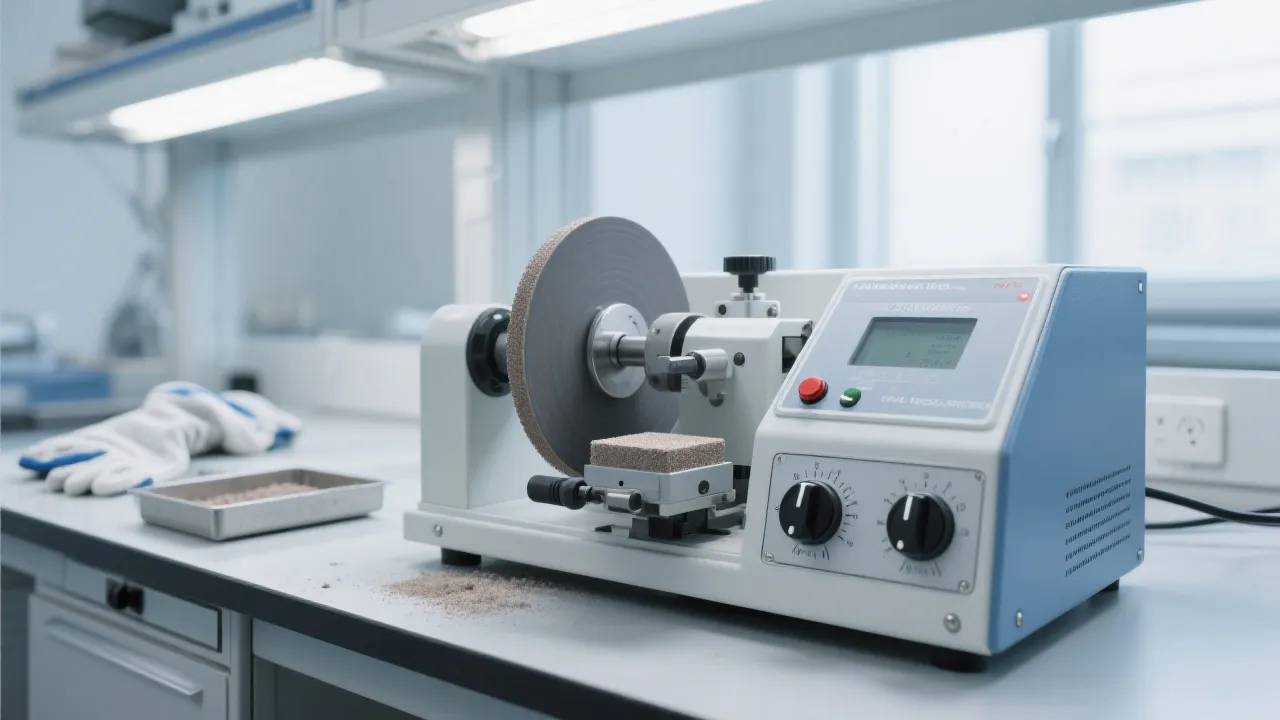
Selecting the right metallographic mounting mold is essential for producing high-quality samples that yield accurate microscopic analysis. Different molding materials and dimensions cater to a variety of sample types, including metal powders, brittle ceramics, and fine particulates. This guide explores how to choose the appropriate mold based on your specific sample requirements, enhancing both sample integrity and preparation efficiency.
Stainless Steel Ring Molds are prized for their rigidity and durability, making them ideal for hard metal powders and larger samples where precise dimensional stability is mandatory. Their corrosion resistance and wear tolerance allow repeated use over long-term lab operations. However, they require diligent cleaning to avoid contamination that could affect sample surfaces.
Polytetrafluoroethylene (PTFE) Molds, also known as Teflon molds, offer excellent chemical inertness and non-stick properties. These are particularly suitable for samples involving delicate ceramics or fine particulate materials that tend to adhere to metal surfaces. The softer PTFE surface reduces mechanical stress on fragile samples during demolding, improving the success rate of intact sample retrieval.
Removable or Split Molds provide flexibility in sample size accommodation and ease of removal, especially for irregularly shaped or fragile specimens. They can be made from stainless steel, aluminum, or plastic composites to balance strength and user convenience. The ability to disassemble molds streamlines cleaning and reduces the risk of sample damage.
Sample diameter and height dictate the minimum mold dimensions needed for proper mounting. For instance, metallic powders generally require molds with a diameter tolerance within ±0.1 mm to avoid uneven compaction, which can create defects in microscopic analysis. Conversely, brittle ceramic samples might benefit from molds slightly larger than the sample size to minimize compression-induced cracks.
Hardness is another vital factor; harder materials demand molds made from wear-resistant materials such as stainless steel or high-grade aluminum alloys to withstand abrasion. Softer or more ductile materials can be effectively handled with molds featuring smooth inner surfaces like PTFE, which mitigates surface damage during demounting and polishing stages.
Additionally, evaluating whether the sample requires subsequent polishing is critical. Polishing brittle or highly detailed specimens calls for molds that do not introduce stress points or surface irregularities. Molds with smooth, chemically inert interiors help maintain the integrity of sample surfaces, ensuring reproducible preparation results.
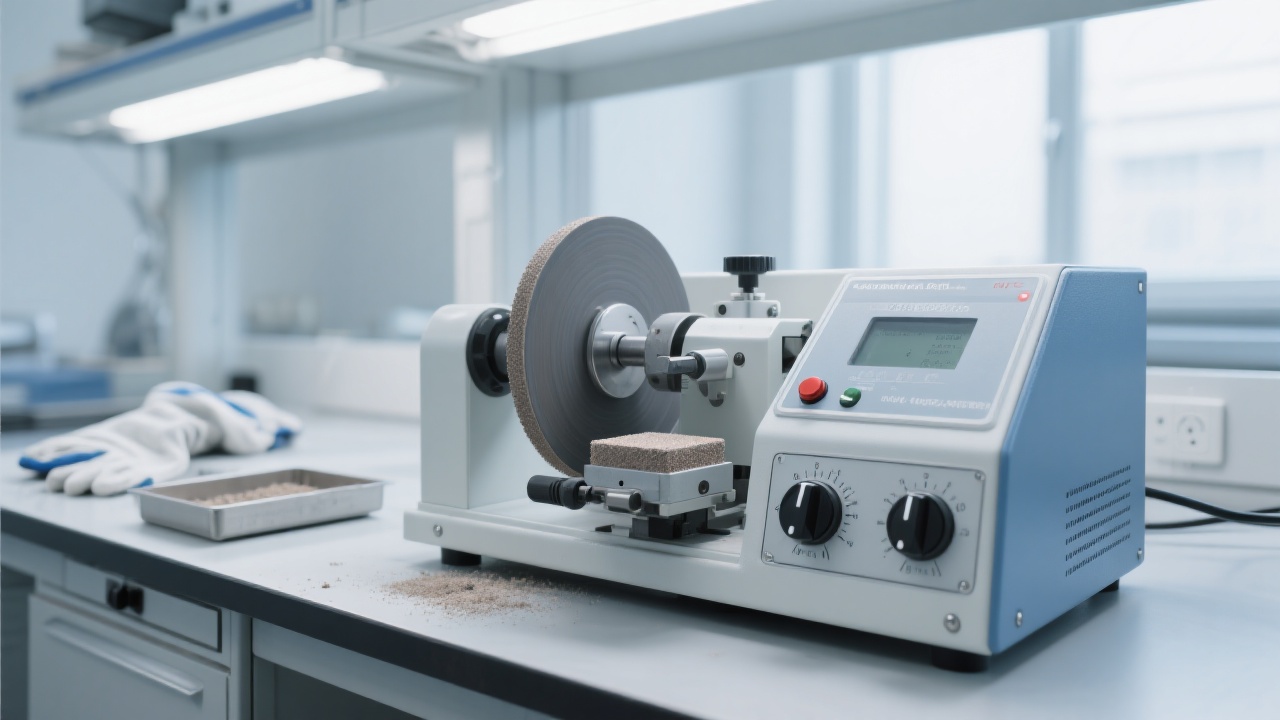
Case 1: A research lab working with fine metal powders (average particle size below 50 μm) saw a 15% improvement in sample uniformity by switching from stainless steel molds to PTFE molds, which reduced powder adhesion and demolding damage.
Case 2: An industrial ceramics manufacturer processing brittle alumina components optimized mold size to be 10–15% larger than sample dimensions, which successfully lowered microcracking incidents during mounting by 30%. The use of split stainless steel molds facilitated easy sample retrieval without surface compromise.
Case 3: For micro-particulate samples below 1 mm, a combined approach using removable molds lined with PTFE film provided high repeatability during high-throughput polishing workflows, reducing sample loss by approximately 20% and saving 12 hours of labor per 100 samples.
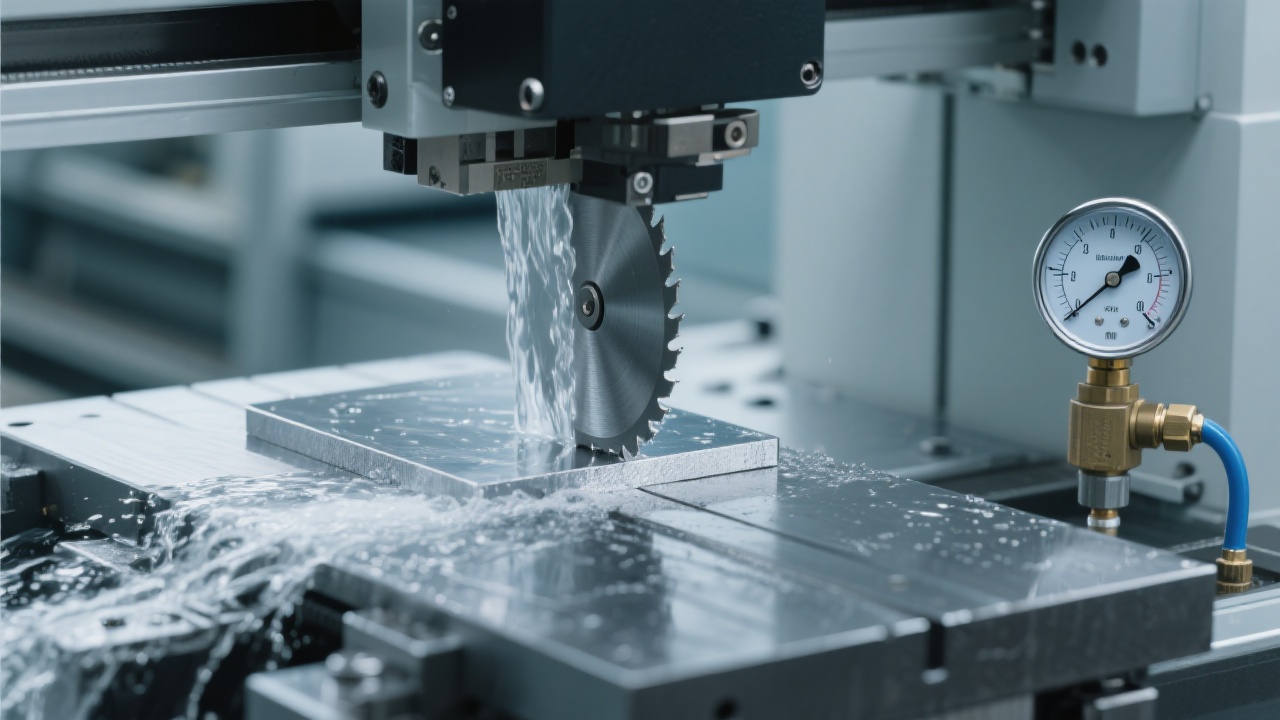
To preserve mold functionality and sample quality, routine cleaning protocols are indispensable. Stainless steel molds benefit from ultrasonic cleaning with mild detergents to remove embedded residues and magnetic particles. Avoid abrasive tools that can alter mold inner surfaces and lead to irregular sample shapes.
PTFE molds should be cleaned with non-polar solvents that do not degrade the polymer matrix. Inspect for any surface scratches or deformation before use, as these defects can transfer to the sample surface. Removable molds require disassembly and individual part cleaning to prevent cross-contamination.
Proper storage—in dry, temperature-controlled environments—and careful handling extend mold life and reduce errors caused by physical damage. Calibration of mold dimensions periodically against reference standards ensures sustained precision.
 Hot mounting machine temperature uniformity testing
Automatic hot mounting machine maintenance skills
Metallographic sample preparation equipment calibration
ZXQ-4 hot mounting machine maintenance
Laboratory equipment performance calibration
automatic hot mounting machine maintenance
temperature sensor calibration
water cooling system maintenance
ASTM E2554 compliance
ISO 3108 standard
brinell hardness test accuracy
environmental effects on hardness measurement
brinell hardness standard compliance
metal hardness testing variability
temperature impact on hardness
metallographic mounting mold selection
stainless steel ring mold vs PTFE mold
removable metallographic mold
sample preparation techniques
ZXQ-2 automatic mounting press
heat embedding machine maintenance
water cooling system anti-scaling
automatic embedding machine troubleshooting
metallographic sample preparation
lab equipment calibration
Hot mounting machine temperature uniformity testing
Automatic hot mounting machine maintenance skills
Metallographic sample preparation equipment calibration
ZXQ-4 hot mounting machine maintenance
Laboratory equipment performance calibration
automatic hot mounting machine maintenance
temperature sensor calibration
water cooling system maintenance
ASTM E2554 compliance
ISO 3108 standard
brinell hardness test accuracy
environmental effects on hardness measurement
brinell hardness standard compliance
metal hardness testing variability
temperature impact on hardness
metallographic mounting mold selection
stainless steel ring mold vs PTFE mold
removable metallographic mold
sample preparation techniques
ZXQ-2 automatic mounting press
heat embedding machine maintenance
water cooling system anti-scaling
automatic embedding machine troubleshooting
metallographic sample preparation
lab equipment calibration
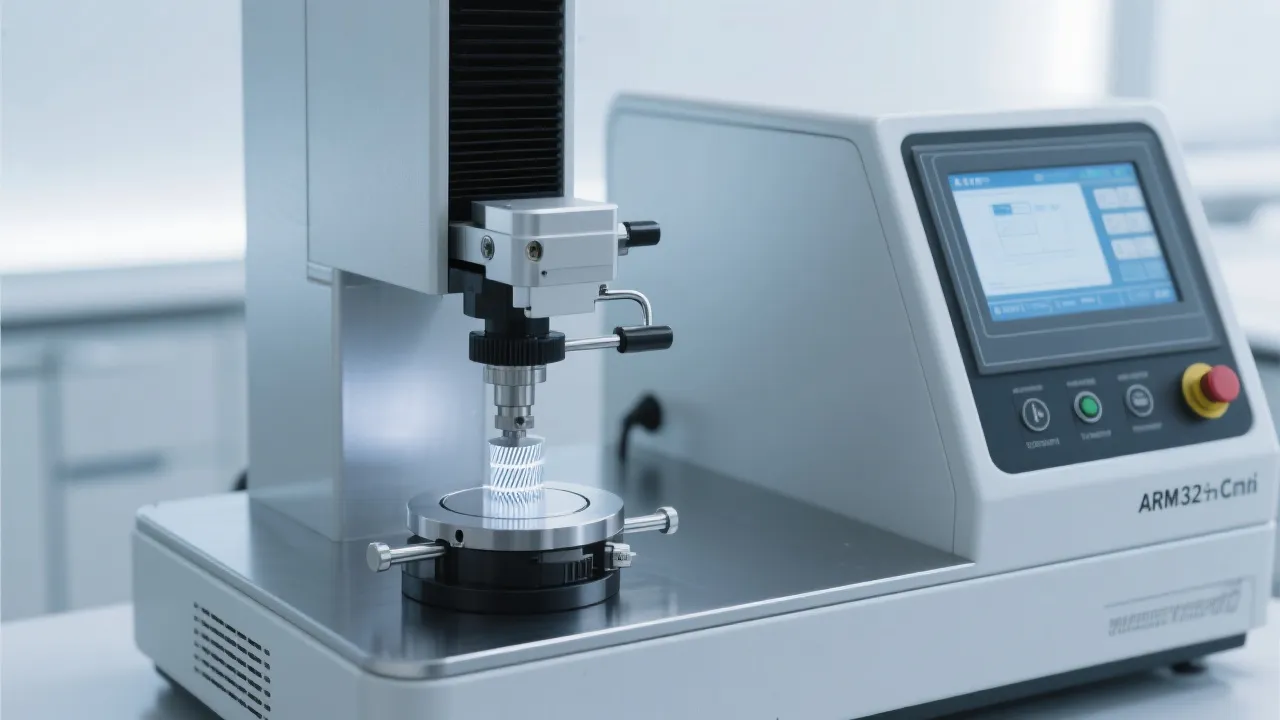


Hardness-Tester7MHVS-1000A-1.jpg?x-oss-process=image/resize,h_800,m_lfit/format,webp)

Hardness-TesterHVS-1000A-1.jpg?x-oss-process=image/resize,h_800,m_lfit/format,webp)


