
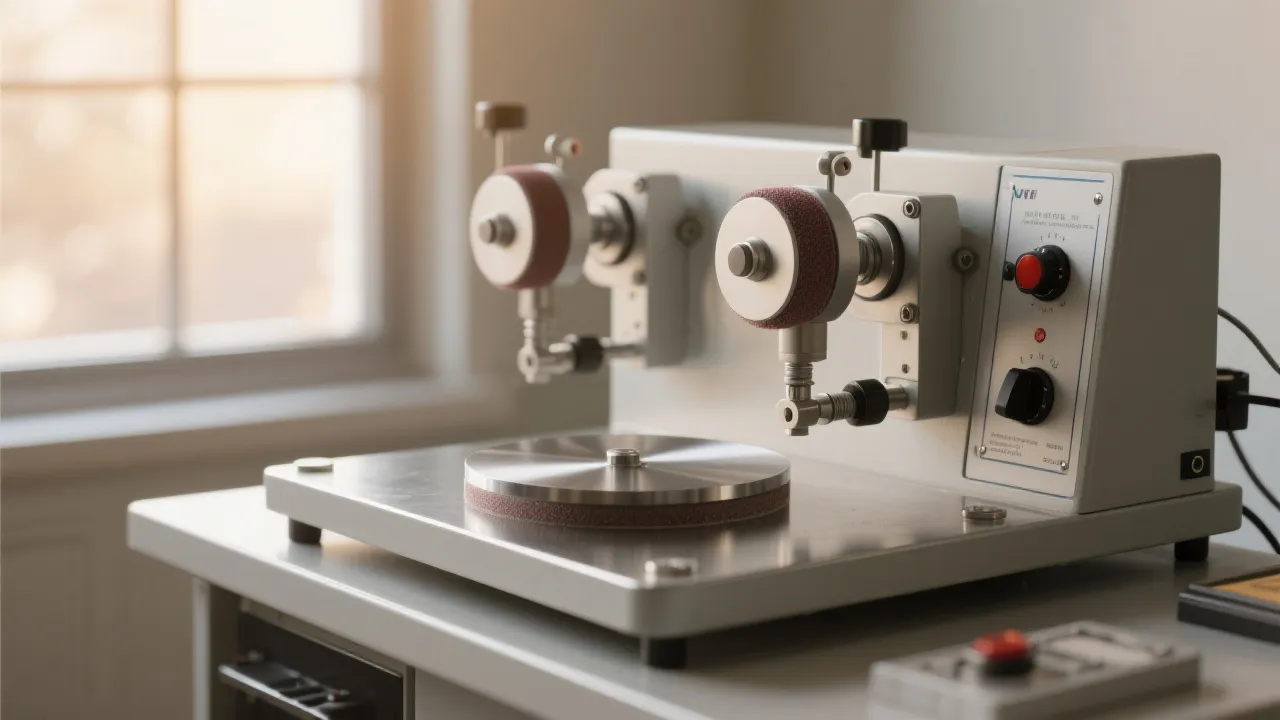
Selecting the appropriate mounting mold is a critical step in metallographic sample preparation. The mold choice directly affects your sample’s quality and the precision of microscopic analysis. If you’re working with powder metallurgy components, brittle ceramics, or fine particulate samples, understanding how different mold materials and designs perform in specific scenarios will empower you to achieve consistent, high-quality results.
Mounting molds serve as the foundation of your sample processing workflow. They encapsulate specimens, enabling ease of handling during grinding, polishing, and microscopic evaluation. The mold material and structure influence thermal expansion, adhesion, and potential contamination risks—all of which impact the integrity of your observations. Choosing the wrong mold risks sample damage or inaccurate microstructural representation.
| Mold Type | Material Properties | Advantages | Limitations |
|---|---|---|---|
| Stainless Steel Ring Mold | Durable metal with high thermal conductivity and dimensional stability | - Excellent shape retention - Resists deformation under pressure - Suitable for a wide hardness range of specimens |
- Possible sample adhesion - Requires careful cleaning to avoid contamination |
| PTFE (Polytetrafluoroethylene) Mold | Chemically inert, low friction polymer with excellent release properties | - Minimizes sample adhesion - Ideal for fragile and brittle specimens - Easier cleaning and maintenance |
- Lower mechanical strength - Potential deformation at high temperatures - Less durable over repeated uses |
| Removable (Modular) Mold | Combination of modular components, often stainless steel frame with insertable liners | - Flexible mold configuration for diverse sample sizes - Easy sample removal reducing damage risk - Reusable inserts for cost efficiency |
- Slightly complex assembly - Potential leak points if not sealed properly - Requires meticulous maintenance protocol |
Your choice should factor in the sample’s hardness, brittleness, and geometry. For instance:
In a recent analysis within a materials research laboratory, switching from stainless steel molds to PTFE molds for brittle ceramic samples decreased edge chipping incidence by 40%. Meanwhile, employing removable molds for microparticulate metal powders improved sample recovery rates and reduced mounting defects by 25%. These performance differences illustrate how an informed mold selection strategy reduces human error and elevates metallographic preparation success.
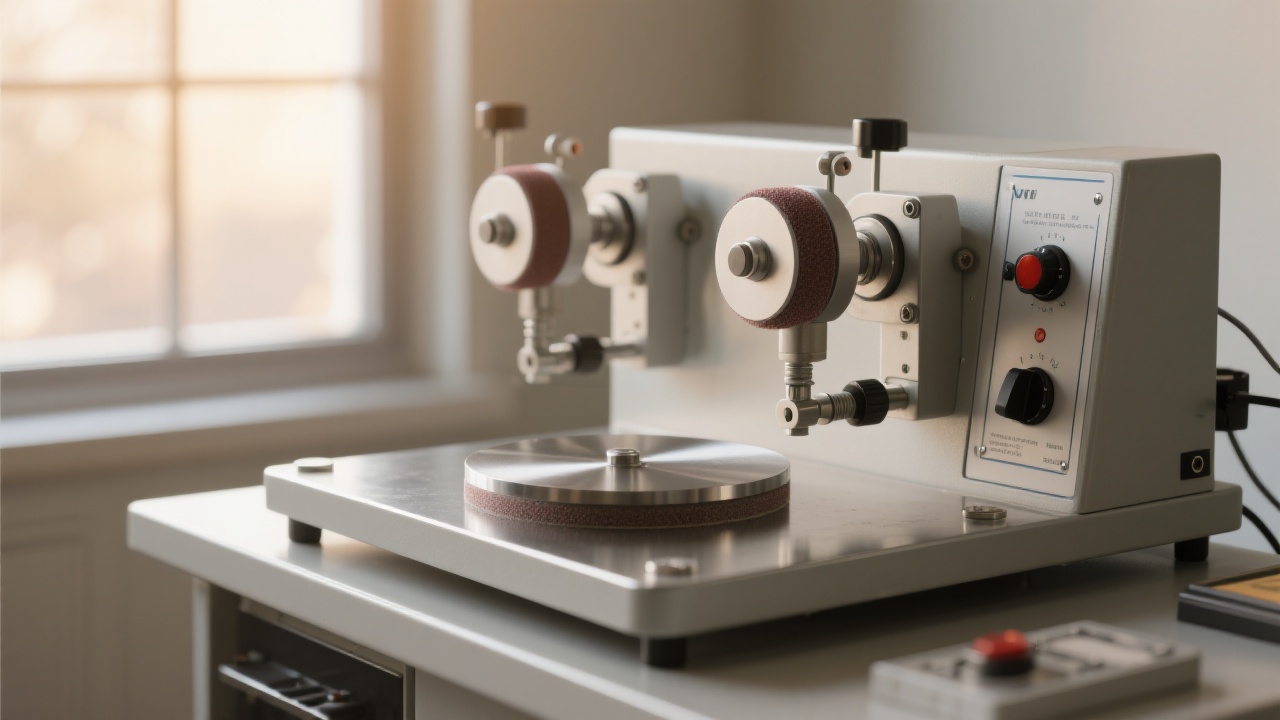
Beyond initial selection, mold upkeep has a significant impact on sample quality. Stainless steel molds must be cleaned rigorously to prevent residual contamination, while PTFE molds require gentle handling to avoid surface scratches that can trap debris. Modular molds demand precise assembly and regular inspection to maintain sealing integrity. Establishing a routine cleaning protocol—such as ultrasonic cleaning after every 10 uses and storage in dust-free conditions—can increase mold lifespan by over 30% and stabilize sample preparation outcomes.
“Accurate metallographic analysis begins with selecting the right mounting mold for your specimen material and testing conditions. Prioritizing mold material compatibility and adhering to strict maintenance protocols drastically improves microscopic resolution and repeatability.” – Dr. Emily Chen, Senior Metallurgist with 15 years in Materials Testing
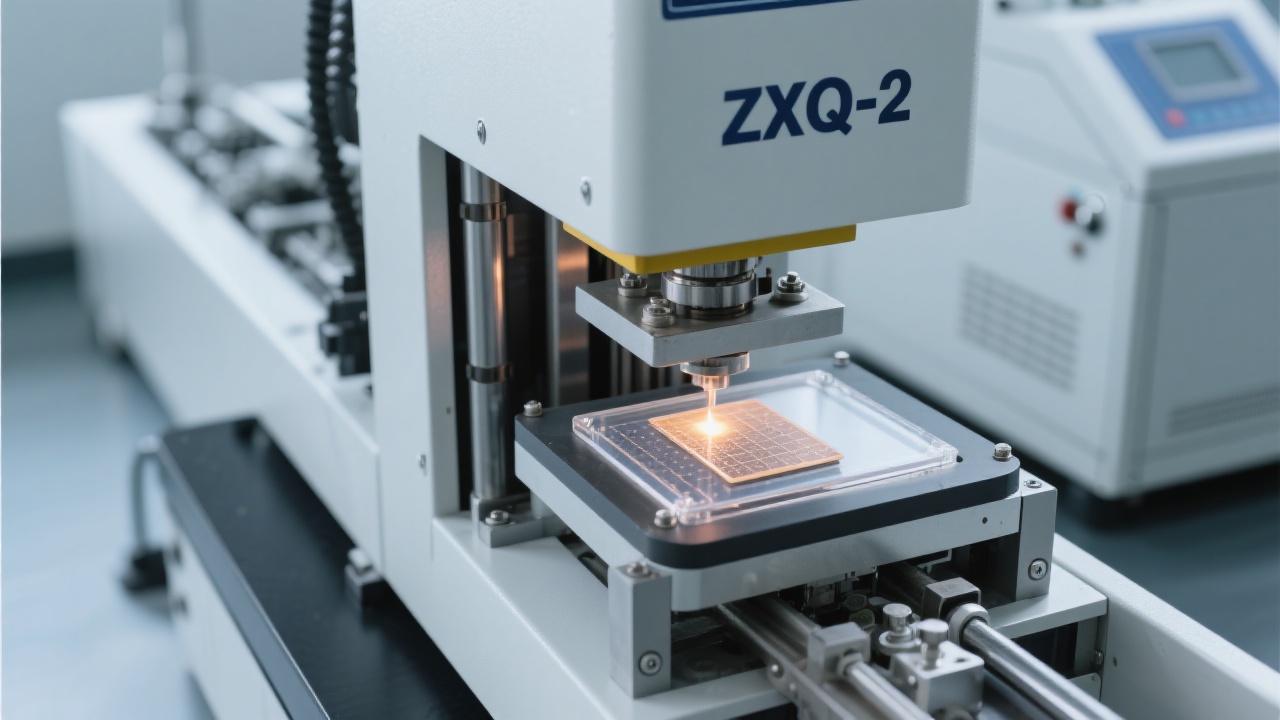
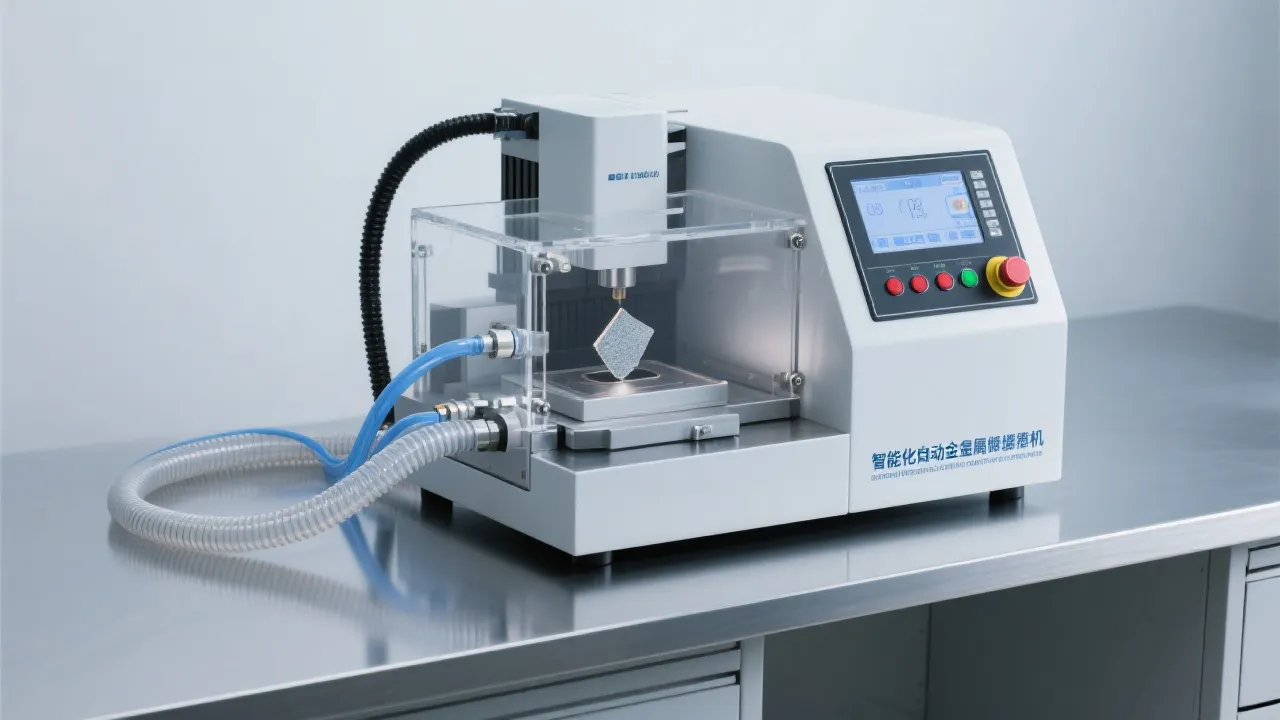
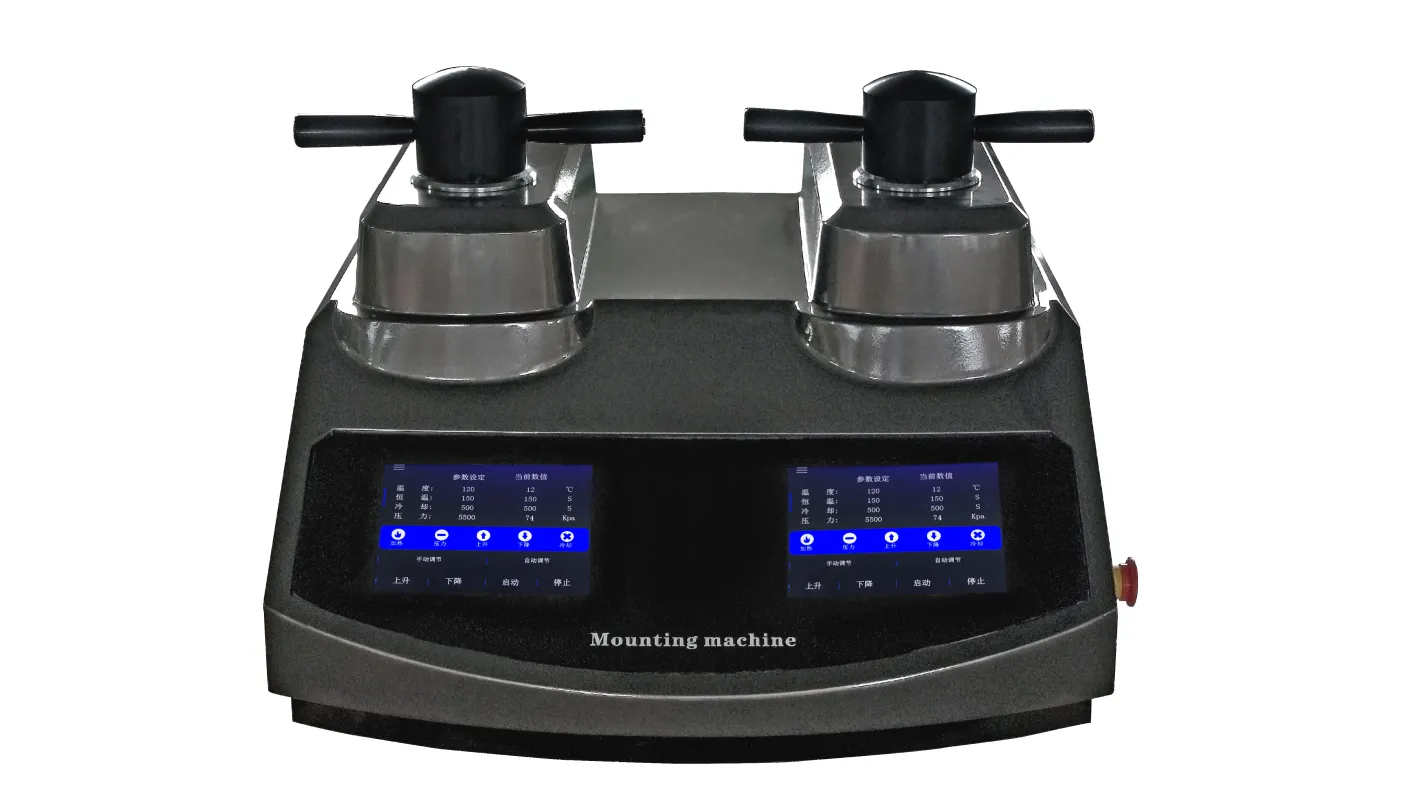
If you are looking to optimize your metallographic sample preparation process, consider the ZXQ-2 automatic mounting machine—designed to integrate seamlessly with stainless steel ring molds, PTFE molds, and removable mold systems. Combining automation precision with your tailored mold choice significantly boosts throughput and quality.
 automatic metallographic polisher
metallography sample preparation
grinding and polishing parameters
lab efficiency tips
metallographic equipment maintenance
Brinell hardness test
metal hardness measurement
hardness testing accuracy
GB/T 231.2
ISO 6506
metallurgical polishing equipment
multi-functional polishing machine
metallographic sample preparation
precision polishing machine MP-2B
laboratory equipment selection
metallurgical polishing machine
multi-function polishing equipment
polishing machine material selection
adjustable speed polishing machine
polishing equipment durability
Metallographic grinding and polishing machine
MP-1B performance
Metal material grinding solutions
Laboratory equipment selection
Metallographic sample preparation technology
automatic metallographic polisher
metallography sample preparation
grinding and polishing parameters
lab efficiency tips
metallographic equipment maintenance
Brinell hardness test
metal hardness measurement
hardness testing accuracy
GB/T 231.2
ISO 6506
metallurgical polishing equipment
multi-functional polishing machine
metallographic sample preparation
precision polishing machine MP-2B
laboratory equipment selection
metallurgical polishing machine
multi-function polishing equipment
polishing machine material selection
adjustable speed polishing machine
polishing equipment durability
Metallographic grinding and polishing machine
MP-1B performance
Metal material grinding solutions
Laboratory equipment selection
Metallographic sample preparation technology




Hardness-Tester7MHXZD-1000A-1.jpg?x-oss-process=image/resize,h_800,m_lfit/format,webp)

