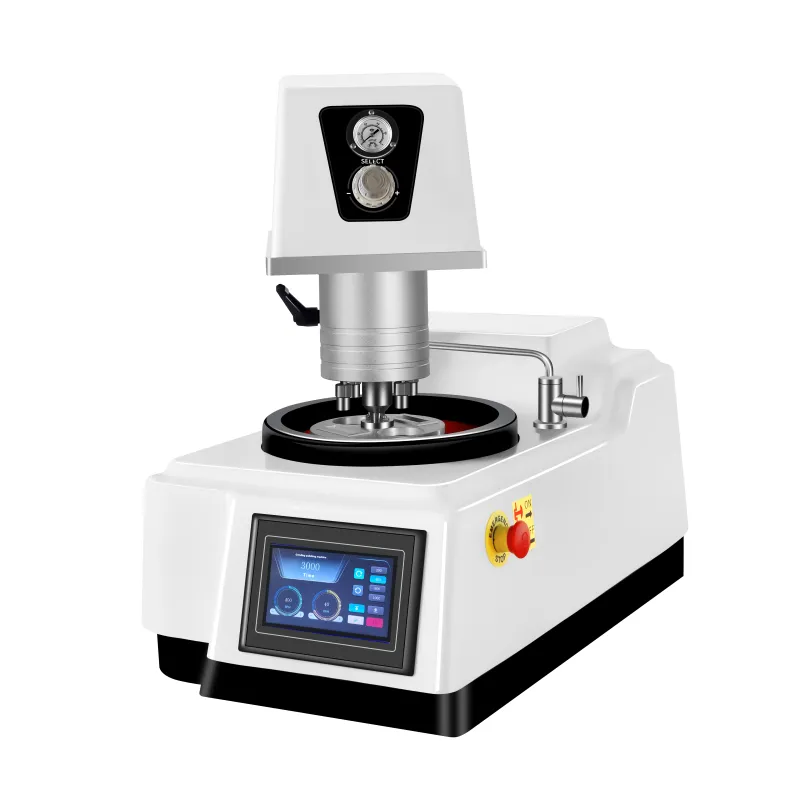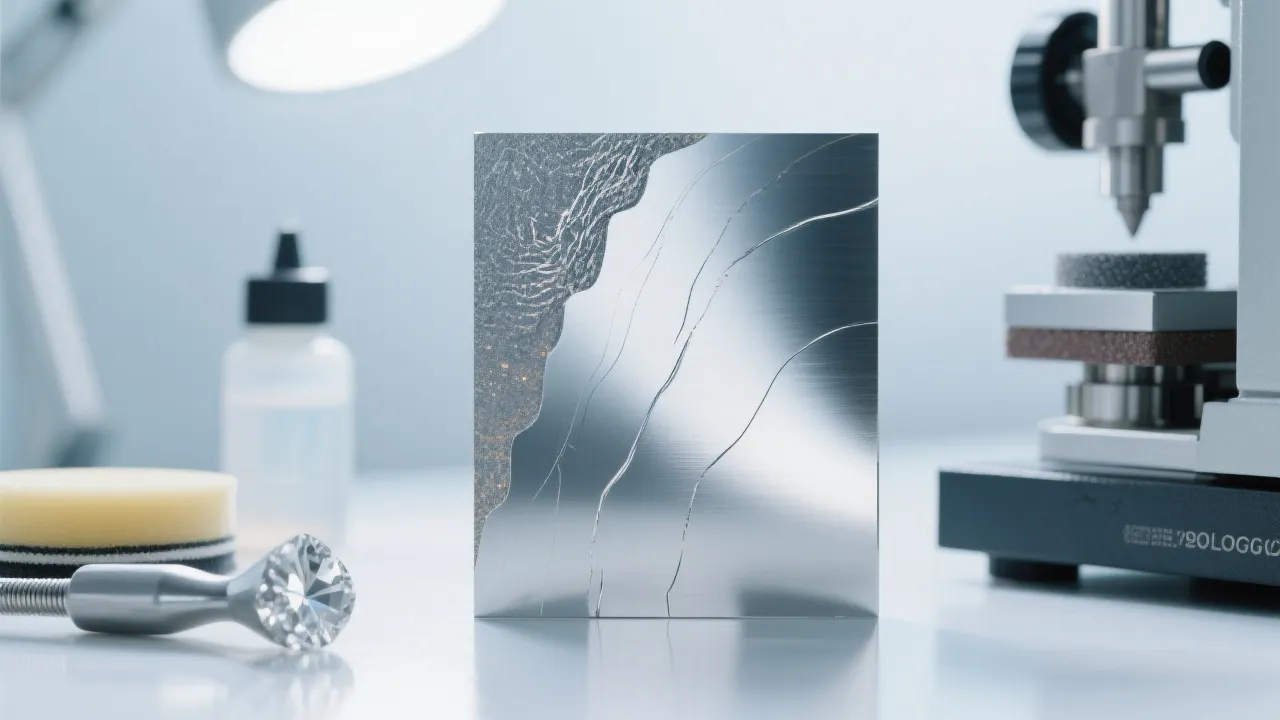
When it comes to metallographic sample preparation, consistency is king. The LMP-3 Metallographic Grinder-Polisher is engineered to deliver precision and repeatability, but it’s your mastery over the speed settings and process parameters that drives optimal results. Whether you’re a novice or a seasoned engineer, understanding how to tailor your grinding and polishing approach according to material characteristics is essential to achieving high-quality surface finishes with minimal defects.
Before diving into advanced tweaks, familiarize yourself with the LMP-3’s user-friendly LCD interface and basic operational workflow. This machine is designed with an intuitive display that facilitates easy setting adjustments and real-time monitoring of speed, time, and pressure. Ensure samples are securely mounted to avoid uneven polishing, which could compromise surface uniformity. Always perform a quick safety check—proper grounding, secure guards, and appropriate PPE must be in place. Safety is your first step towards precision.
Material-specific speed settings are the cornerstone of consistent results. Different substrates respond uniquely to grinding and polishing forces. Here’s a practical speed reference you can adapt:
| Material | Recommended Speed Range (RPM) | Optimal Process Notes |
|---|---|---|
| Metals (Steel, Aluminum) | 150 - 250 | Moderate speed prevents overheating; use stepped polishing to reduce deformation |
| Ceramics | 100 - 180 | Lower speeds avoid cracking; gentle polishing suspensions recommended |
| Composite Materials | 120 - 200 | Balanced speeds reduce delamination risks; incremental steps advised |
Just a few tweaks can make all the difference. By adjusting the speed to the specific material, you mitigate surface damage while optimizing throughput.
Routine maintenance ensures longevity and reliable performance. Develop a cleaning schedule to remove debris and polishing residues after every session. Consumables like polishing cloths and abrasive discs should be replaced in alignment with manufacturer recommendations - generally every 40-60 hours of use. Be alert to unusual noises or irregular speed variations; these often hint at bearing wear or belt slippage. Early detection and intervention prevent costly downtime.
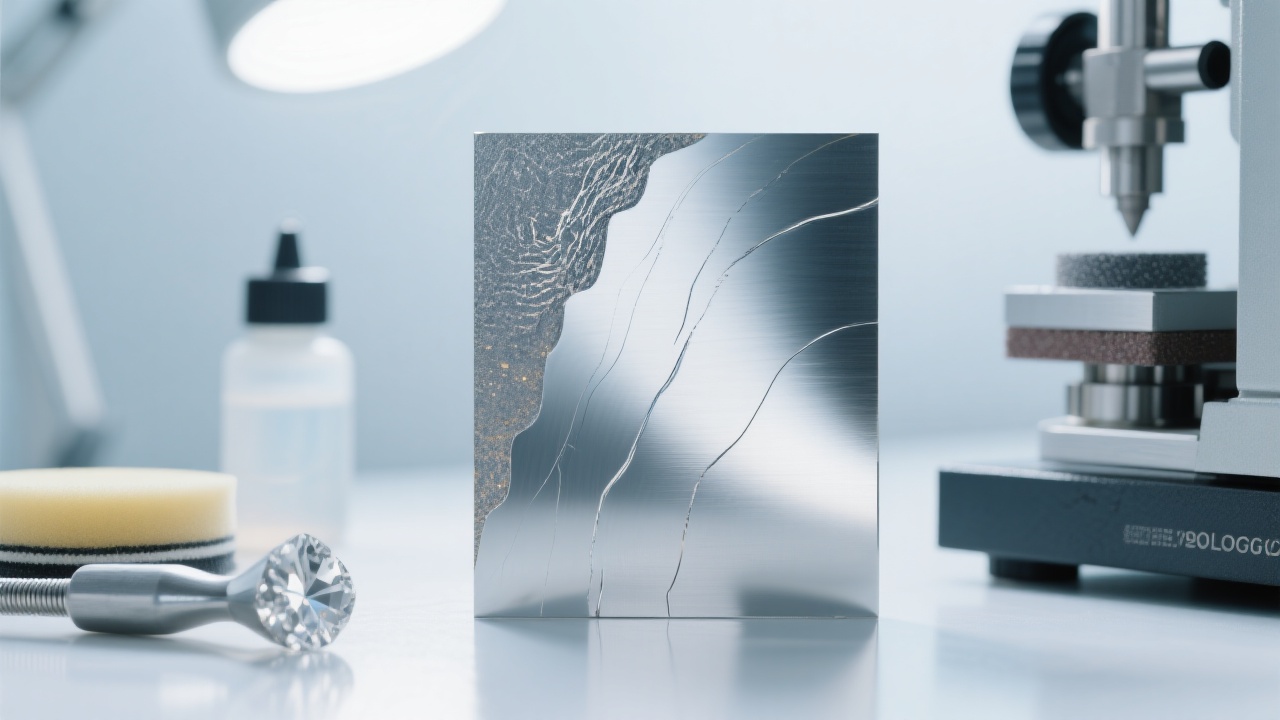
When handling batches, loading multiple samples at once is a proven strategy for maximizing throughput without compromising precision. The LMP-3 supports parallel processing modes—configure your workflow to overlap preparation phases effectively. Additionally, leverage the energy-saving modes built into the machine to reduce operational costs while maintaining performance consistency.
Design a standardized operation procedure for your team, incorporating these multi-sample and eco-friendly tactics to scale results efficiently.
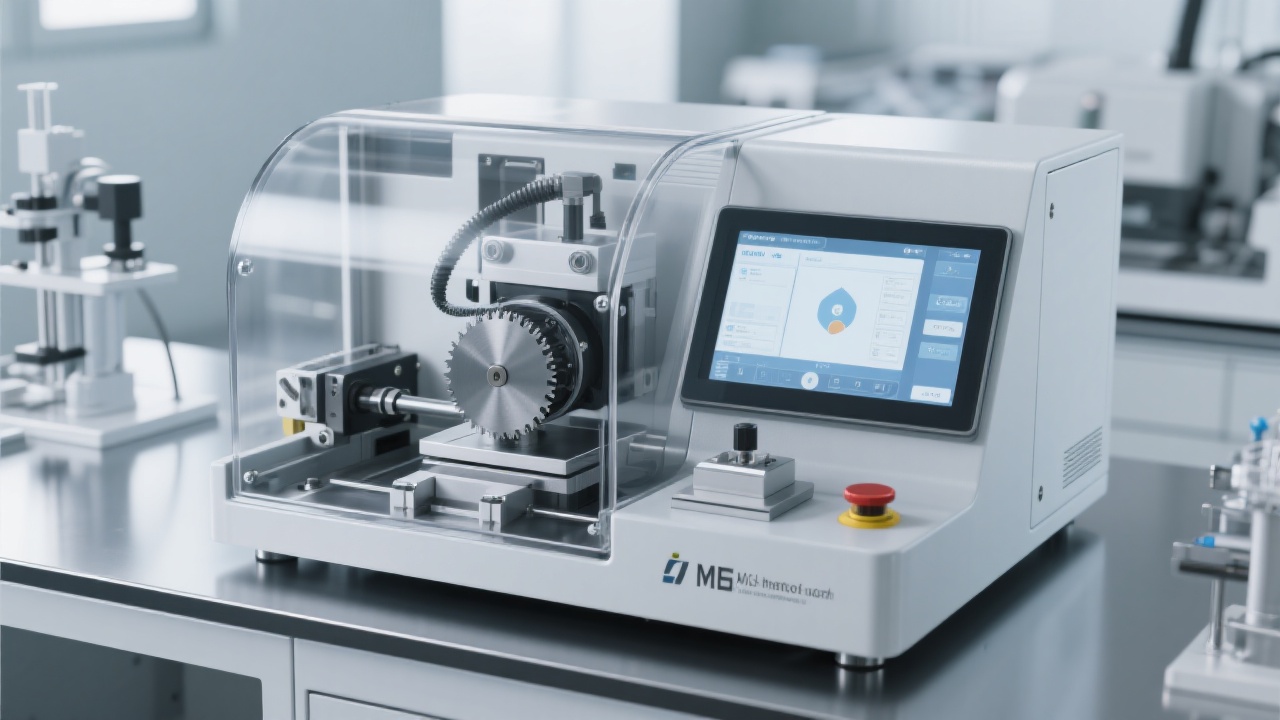
Have you experimented with different speed settings or polishing consumables on your LMP-3? Leave your questions or tips below—we’re here to help you perfect every step. Don’t waste time on guesswork; just a few minutes mastering these core techniques will put an end to repeated trial and error.
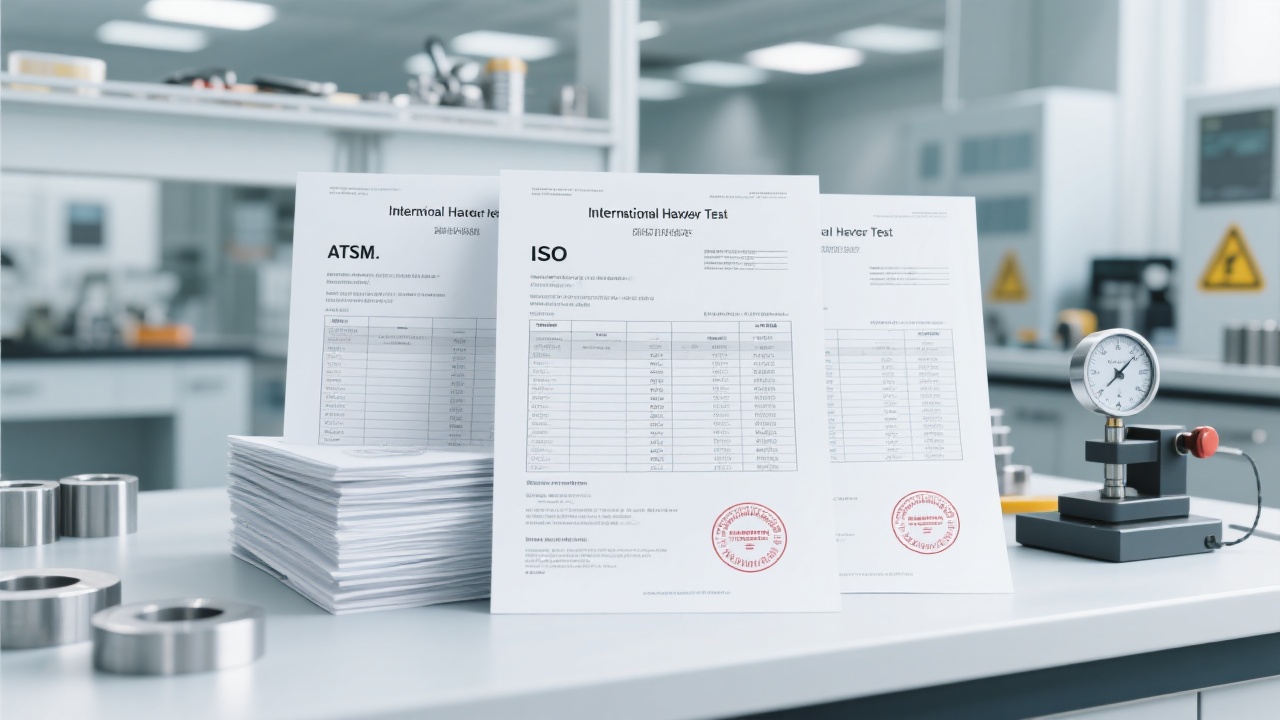
 Hot mounting machine temperature uniformity testing
Automatic hot mounting machine maintenance skills
Metallographic sample preparation equipment calibration
ZXQ-4 hot mounting machine maintenance
Laboratory equipment performance calibration
tear strength testing
incorrect clamping
textile mechanical properties
ASTM D1424
ISO 13934-1
high-precision cutting machine
metallographic sample cutting
laboratory sample preparation
metal specimen cutting
industrial quality inspection equipment
microhardness tester built-in calculator
automatic indentation recognition
hardness value conversion
multi-point averaging calculation
metal hardness testing efficiency
Brinell hardness testing
hardness report standards
test data consistency
metal hardness measurement
GB/T 231.2
Hot mounting machine temperature uniformity testing
Automatic hot mounting machine maintenance skills
Metallographic sample preparation equipment calibration
ZXQ-4 hot mounting machine maintenance
Laboratory equipment performance calibration
tear strength testing
incorrect clamping
textile mechanical properties
ASTM D1424
ISO 13934-1
high-precision cutting machine
metallographic sample cutting
laboratory sample preparation
metal specimen cutting
industrial quality inspection equipment
microhardness tester built-in calculator
automatic indentation recognition
hardness value conversion
multi-point averaging calculation
metal hardness testing efficiency
Brinell hardness testing
hardness report standards
test data consistency
metal hardness measurement
GB/T 231.2
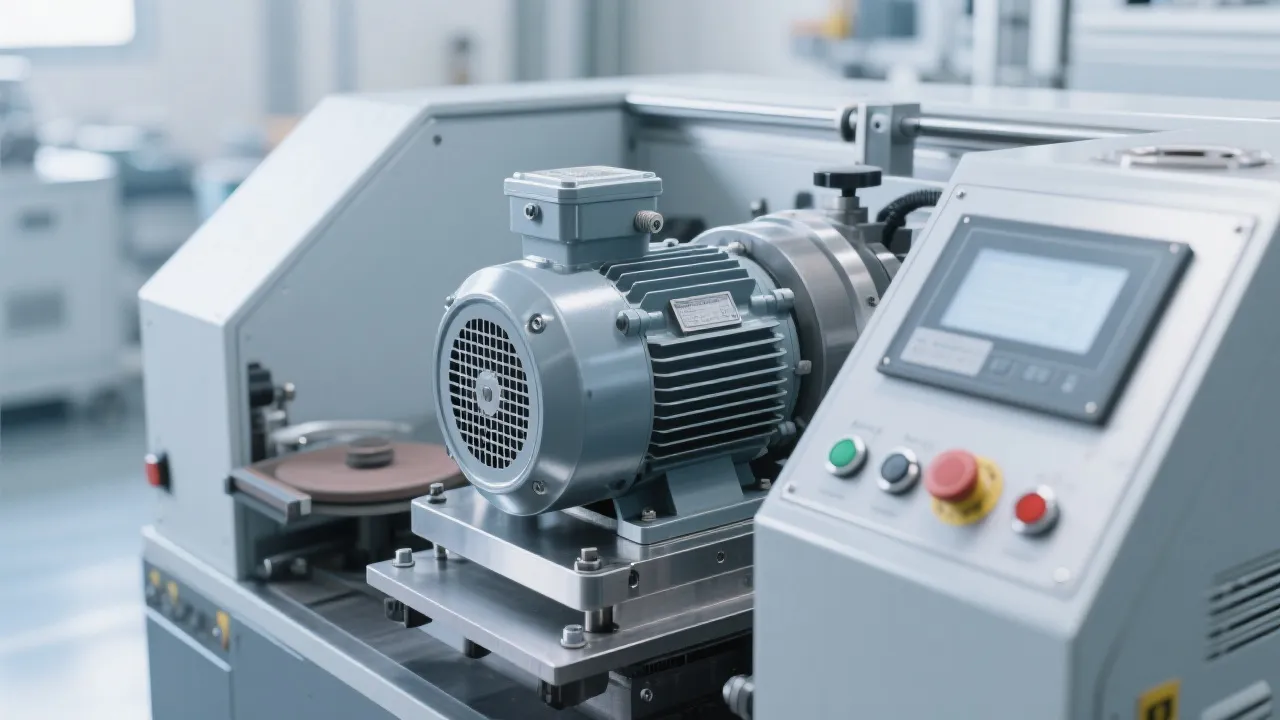

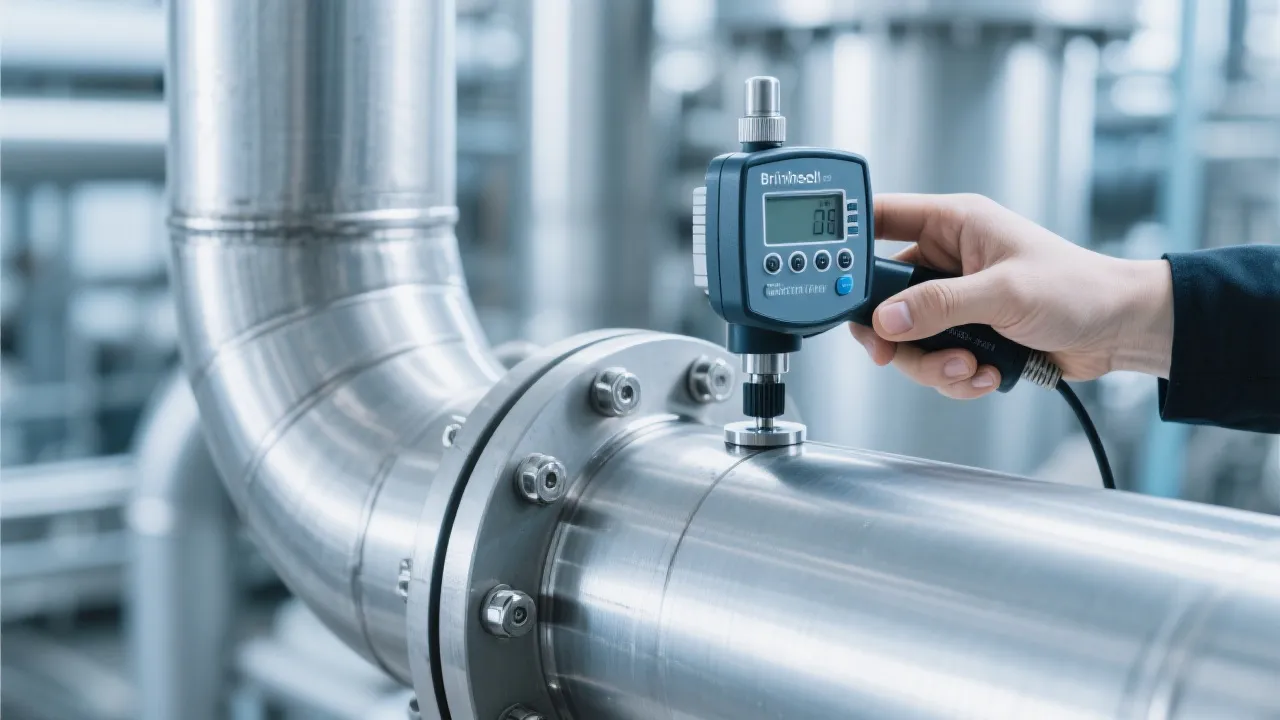
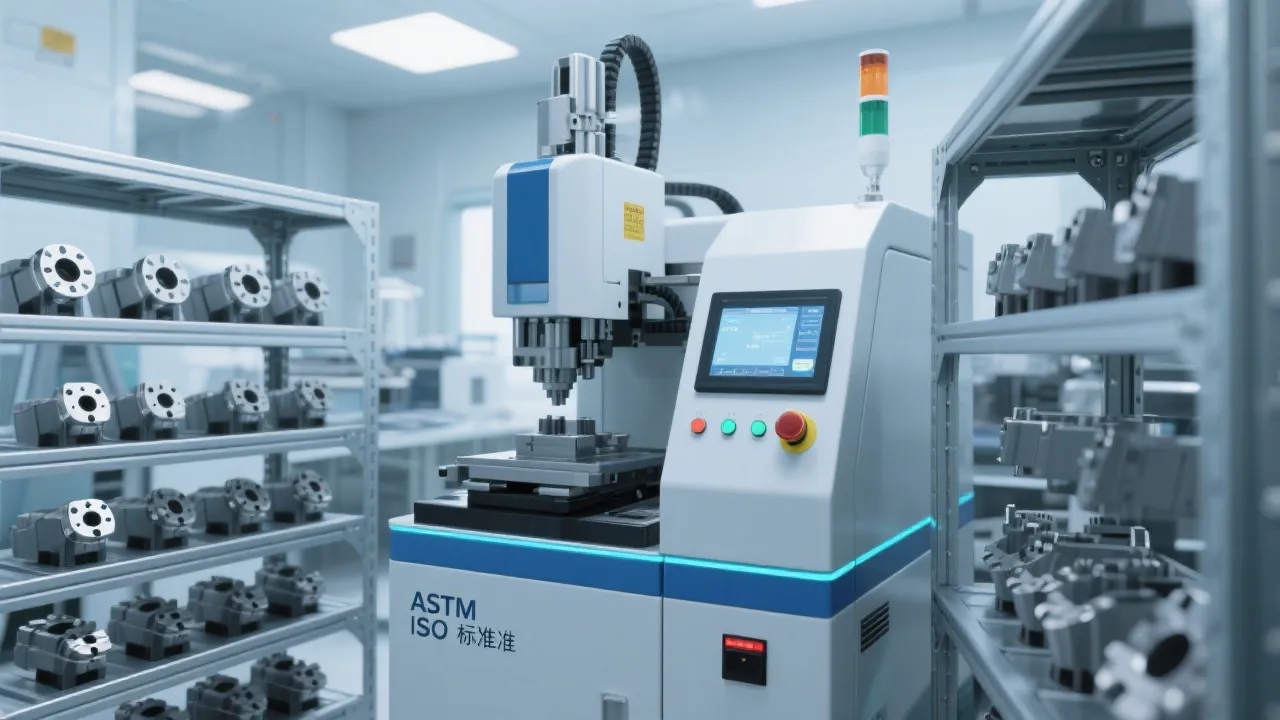





Hardness-Tester7MHXZD-1000A-1.jpg?x-oss-process=image/resize,h_800,m_lfit/format,webp)
Hardness-TesterHV-1000A-1.jpg?x-oss-process=image/resize,h_800,m_lfit/format,webp)