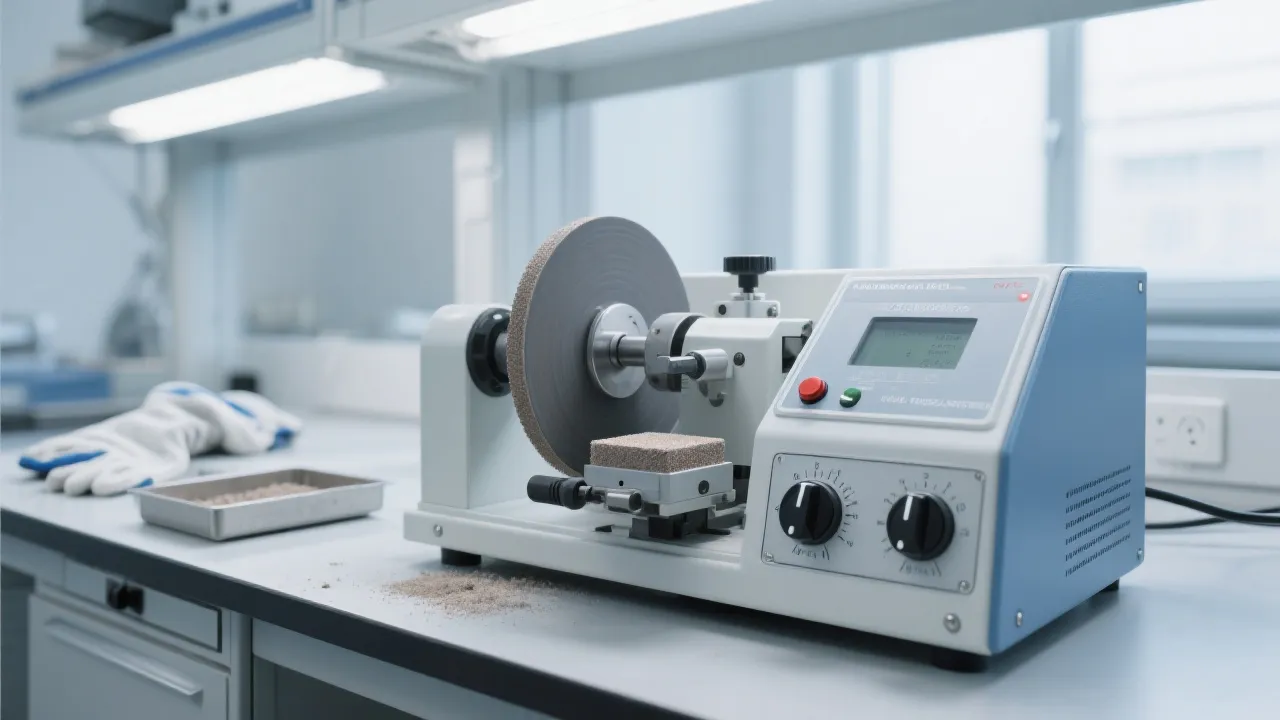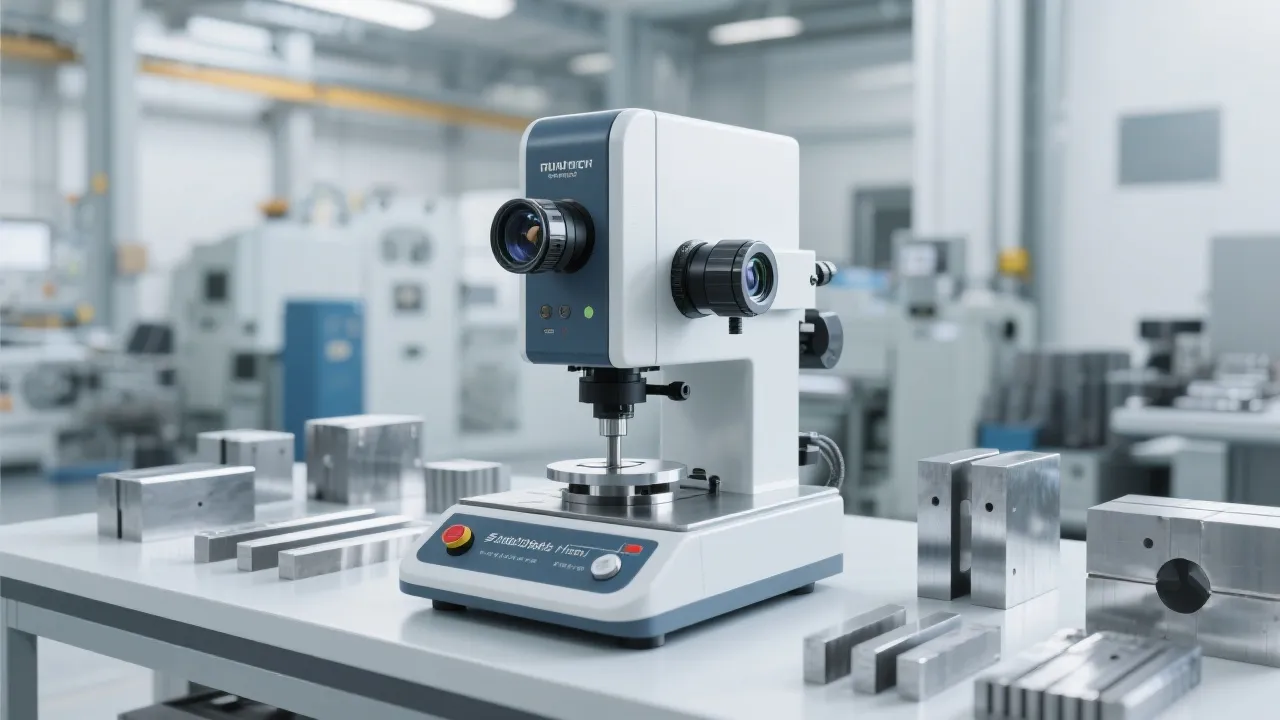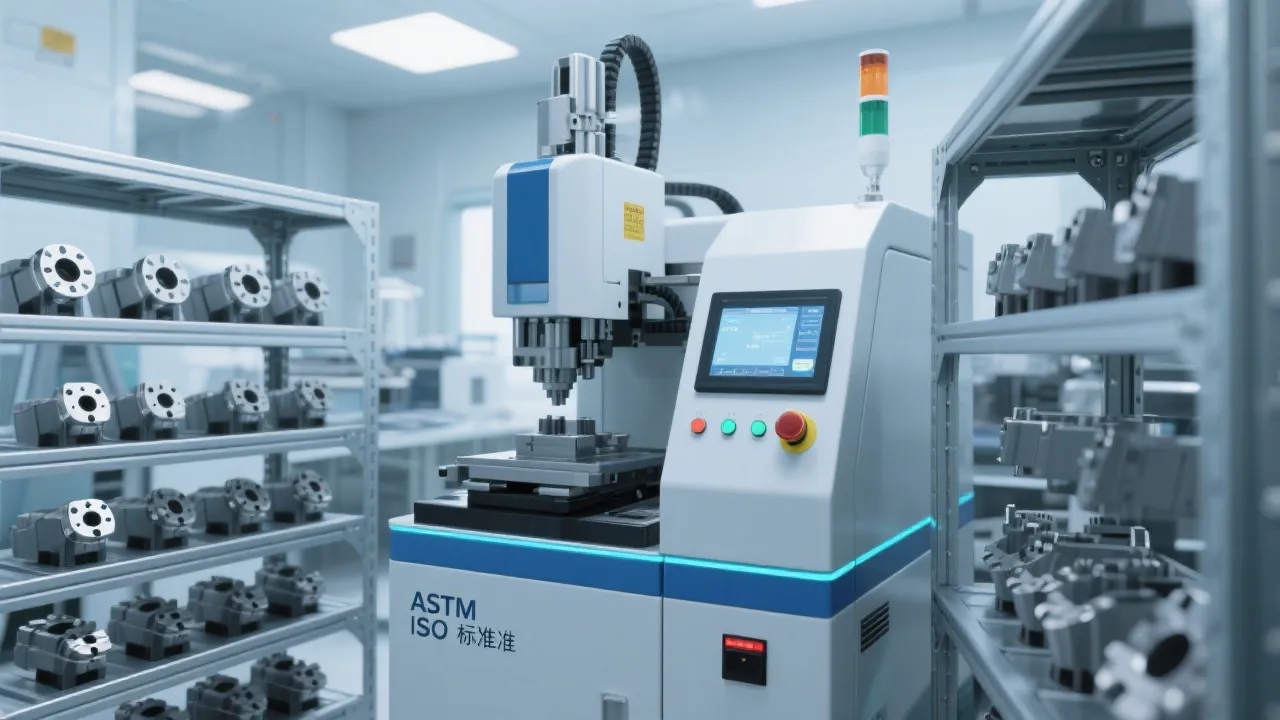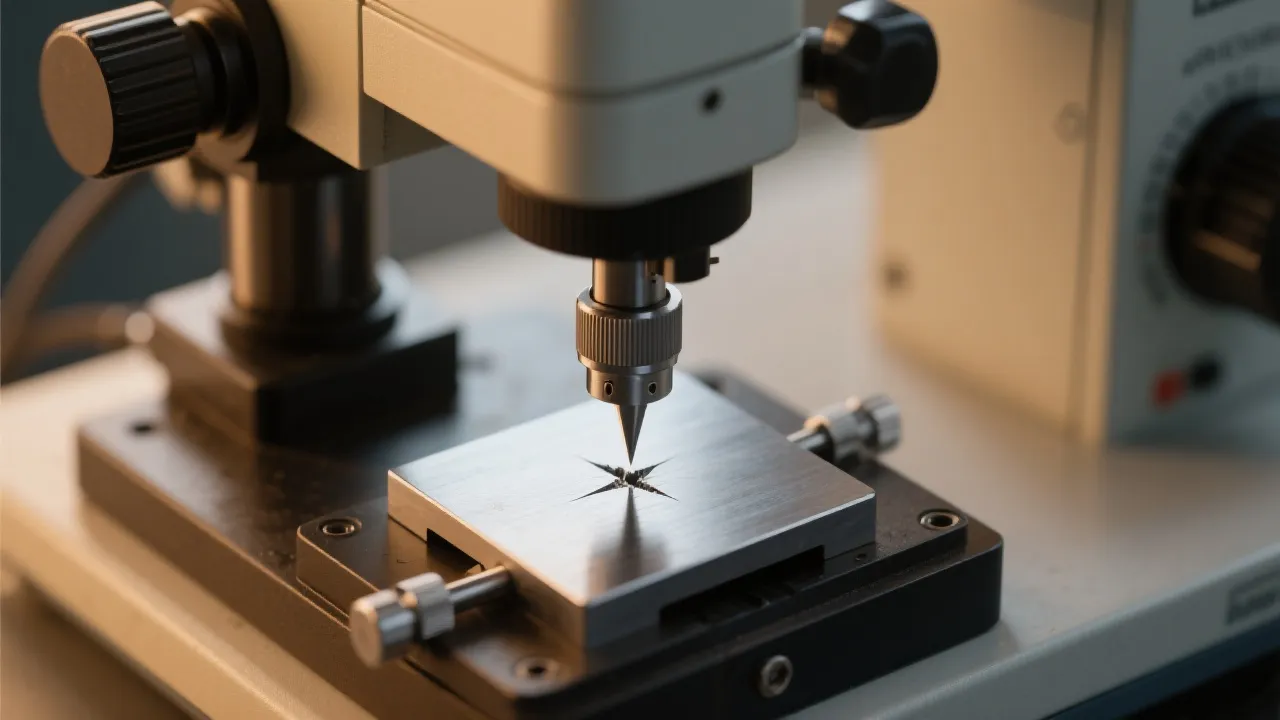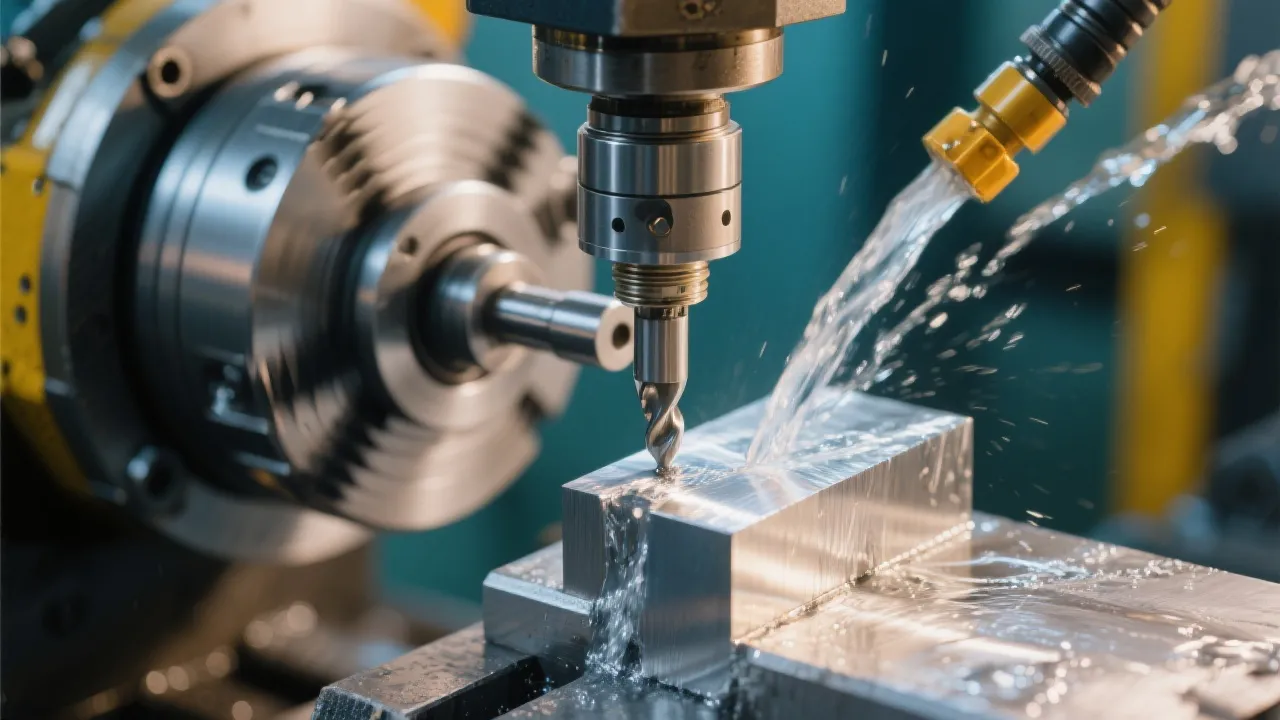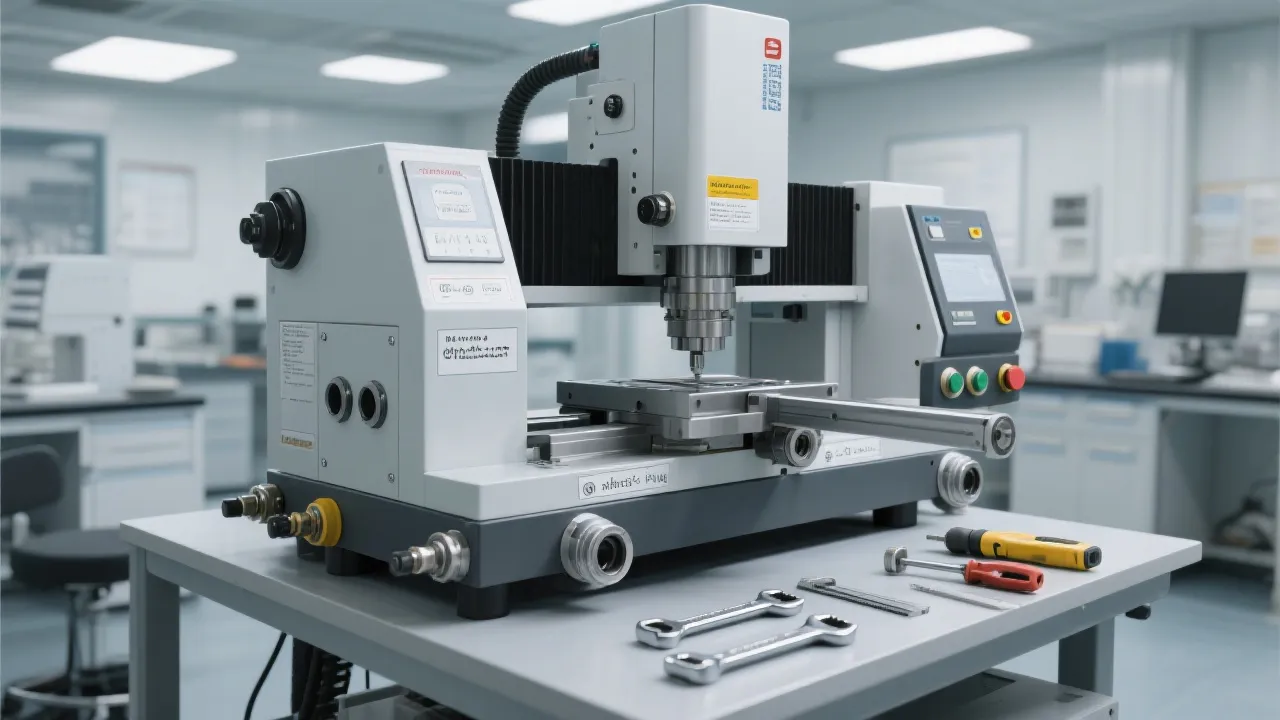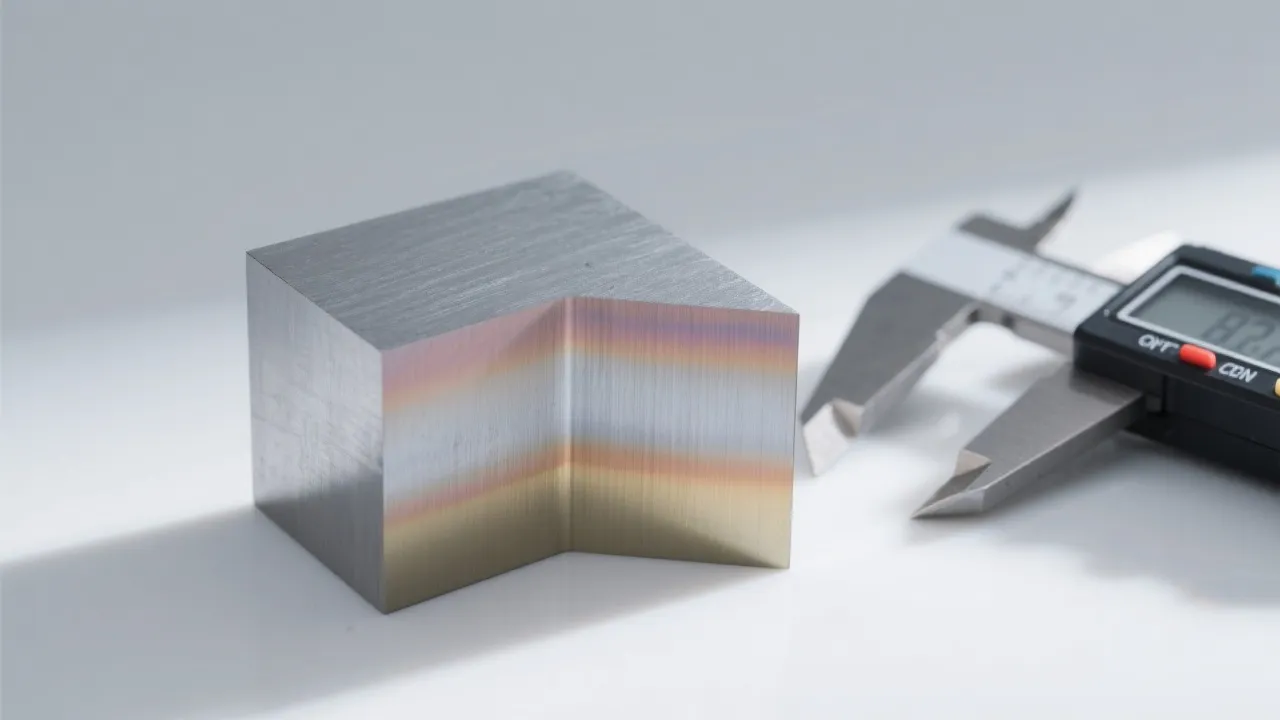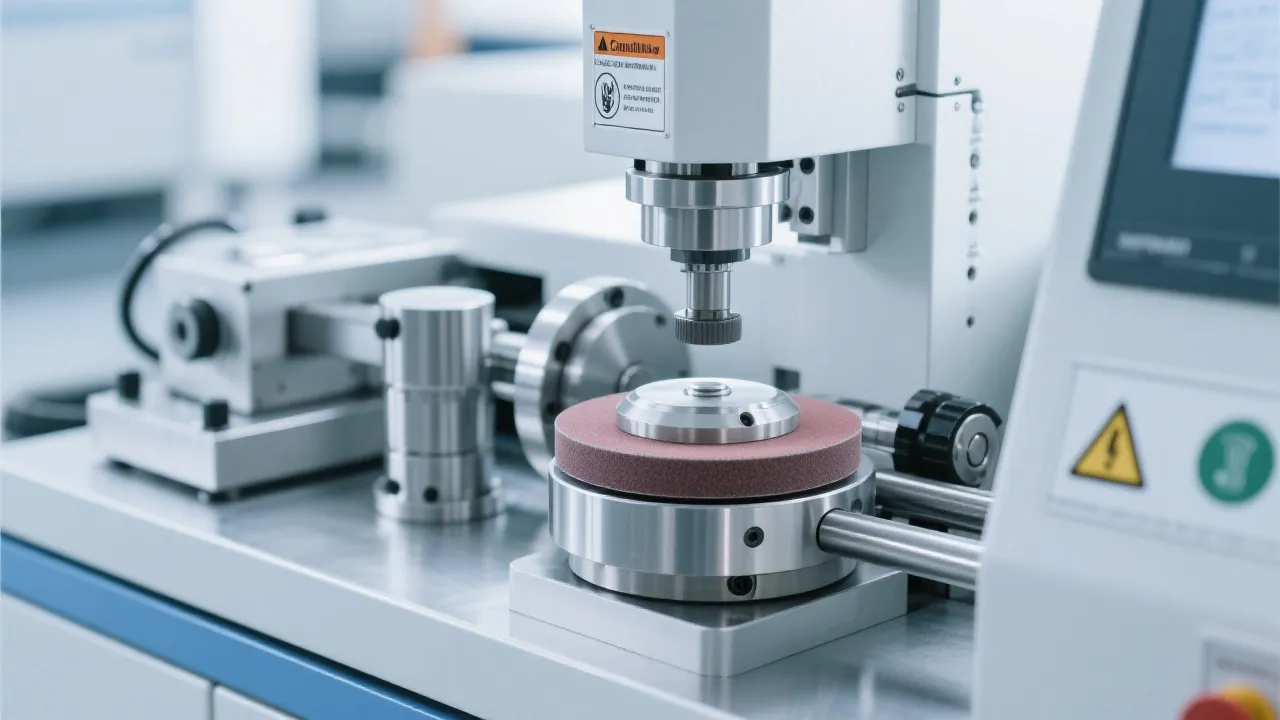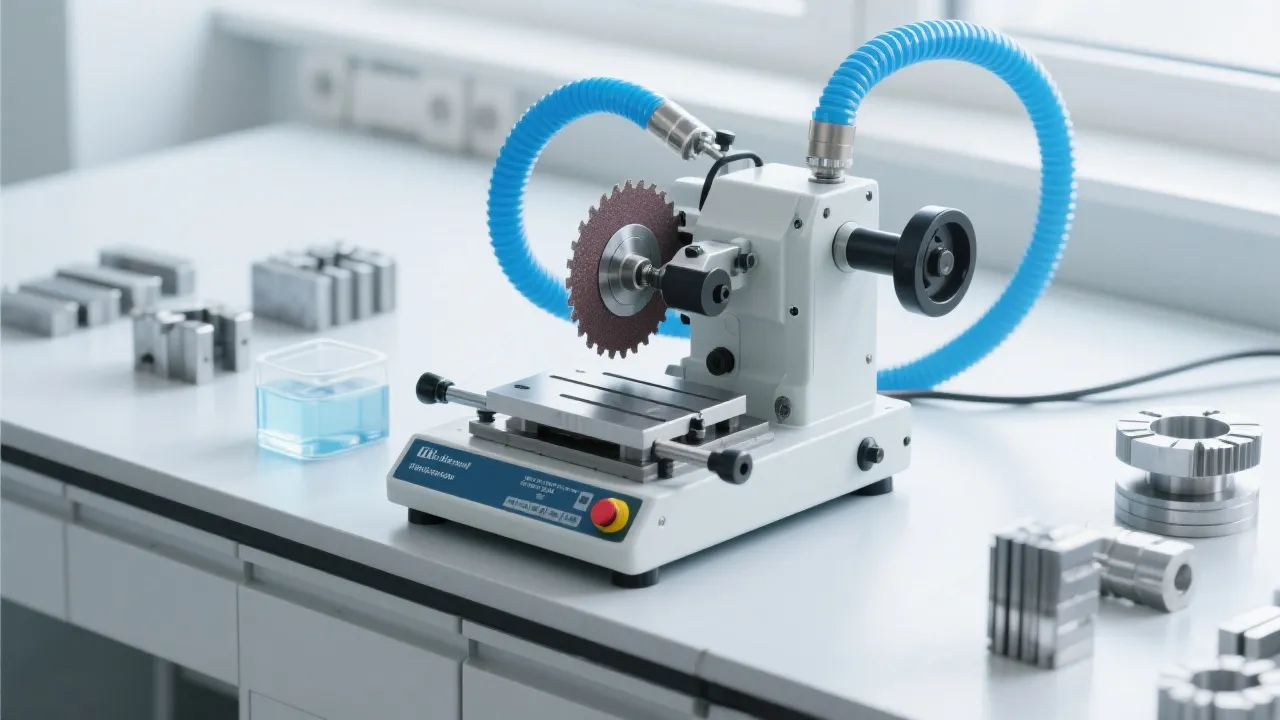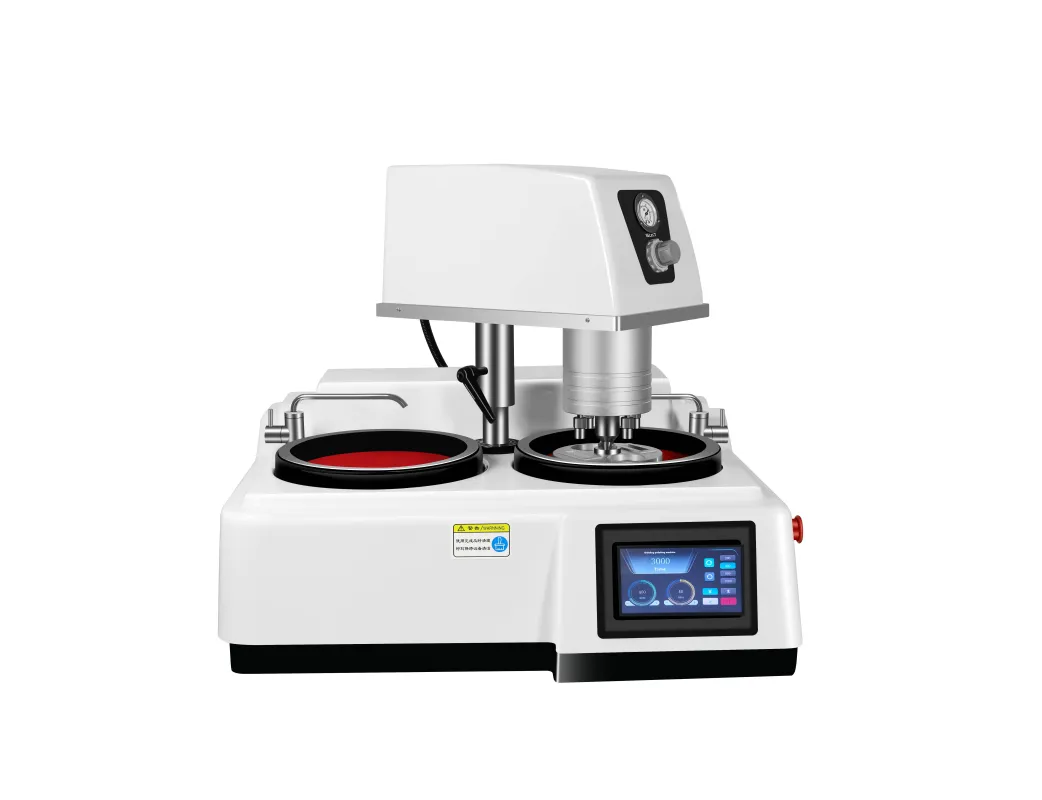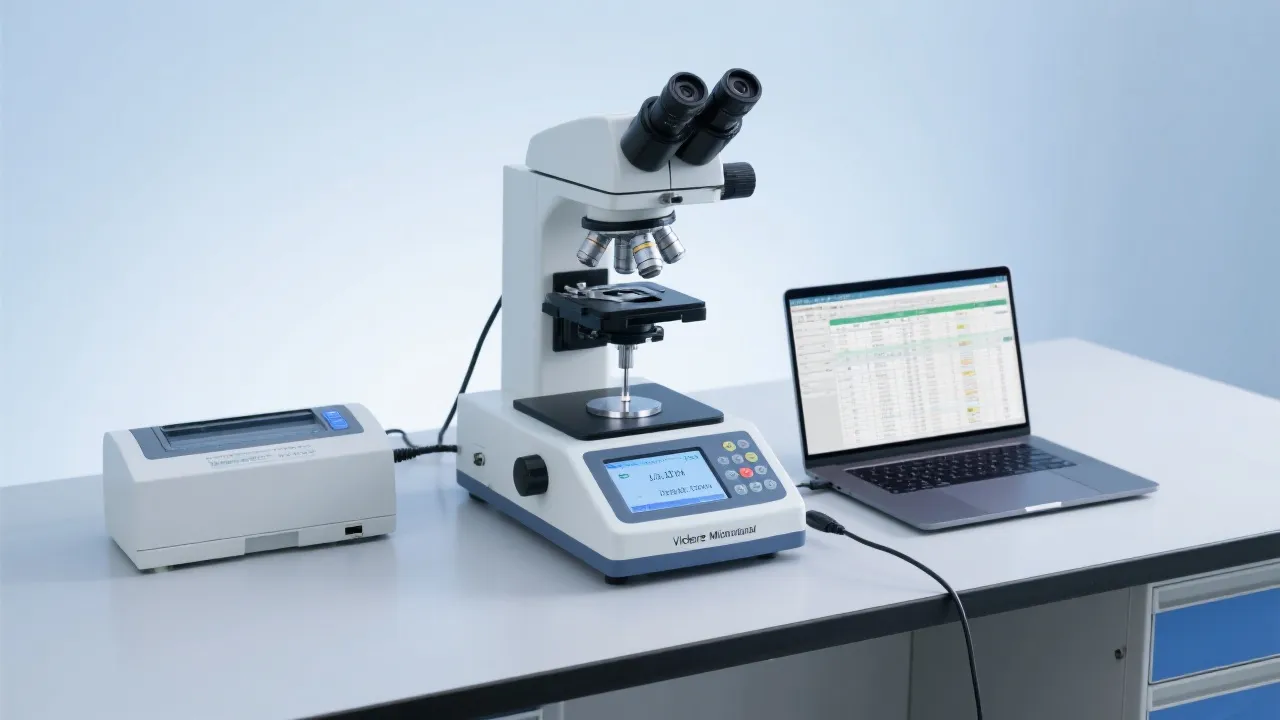
In the field of metal analysis, metallographic equipment plays a central role. It is the key to obtaining accurate and reliable metallographic samples, which are essential for understanding the microstructure and properties of metals. Your laboratory relies on this equipment to conduct in - depth research and quality control. For example, in the production of high - strength steel components, metallographic analysis helps to ensure that the material meets the required standards.
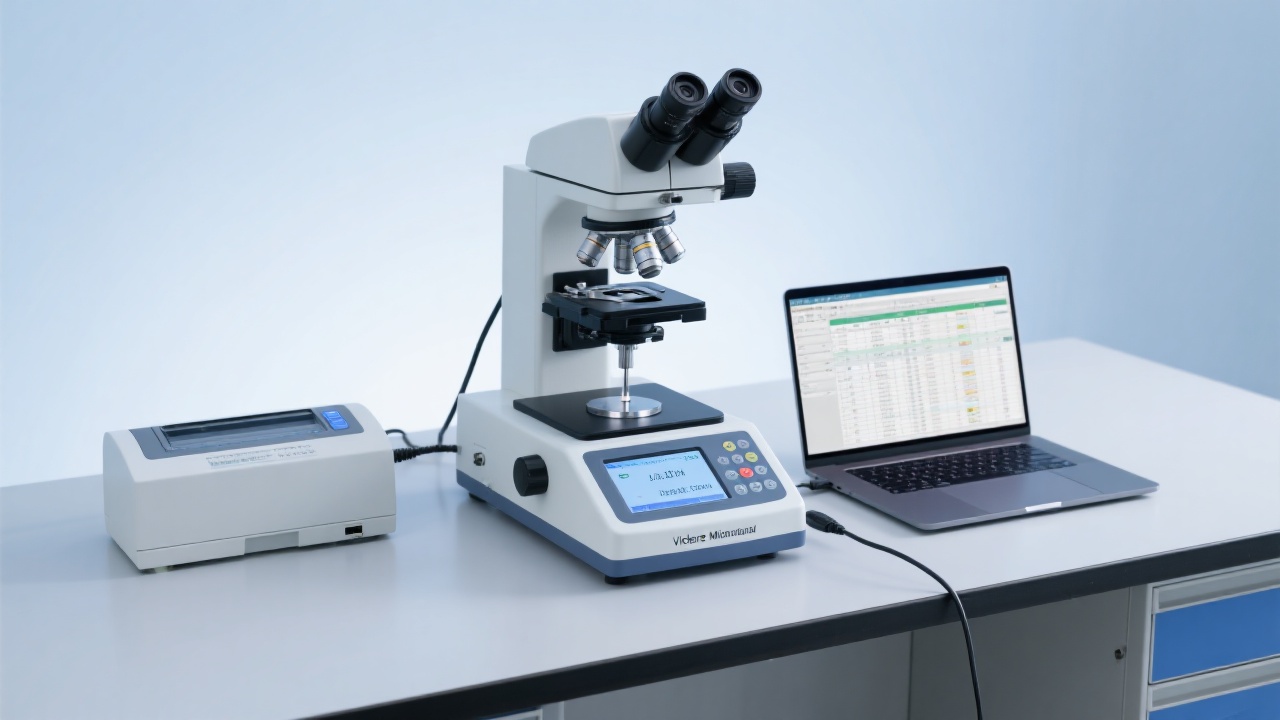
Daily maintenance is crucial for the long - term operation of metallographic equipment. Regular maintenance can not only extend the service life of the equipment but also ensure the accuracy of sample preparation. However, many laboratories often overlook some important maintenance points. For instance, they may forget to clean the grinding disc grooves regularly, which can lead to the accumulation of debris and affect the grinding effect. By neglecting these simple maintenance tasks, the risk of equipment failure increases significantly, resulting in unexpected downtime and additional costs.
Let's take a look at the key components of the metallographic equipment. The grinding disc is the most important part for sample preparation. It is recommended to clean the grinding disc grooves at least once a week. This can prevent the build - up of abrasive particles and ensure a smooth grinding process. As for the polishing cloth, it should be replaced every 10 - 15 uses to maintain a high - quality polishing effect. The transmission system also needs regular inspection. For example, check the belt tension every month and lubricate the bearings every three months to ensure stable operation.
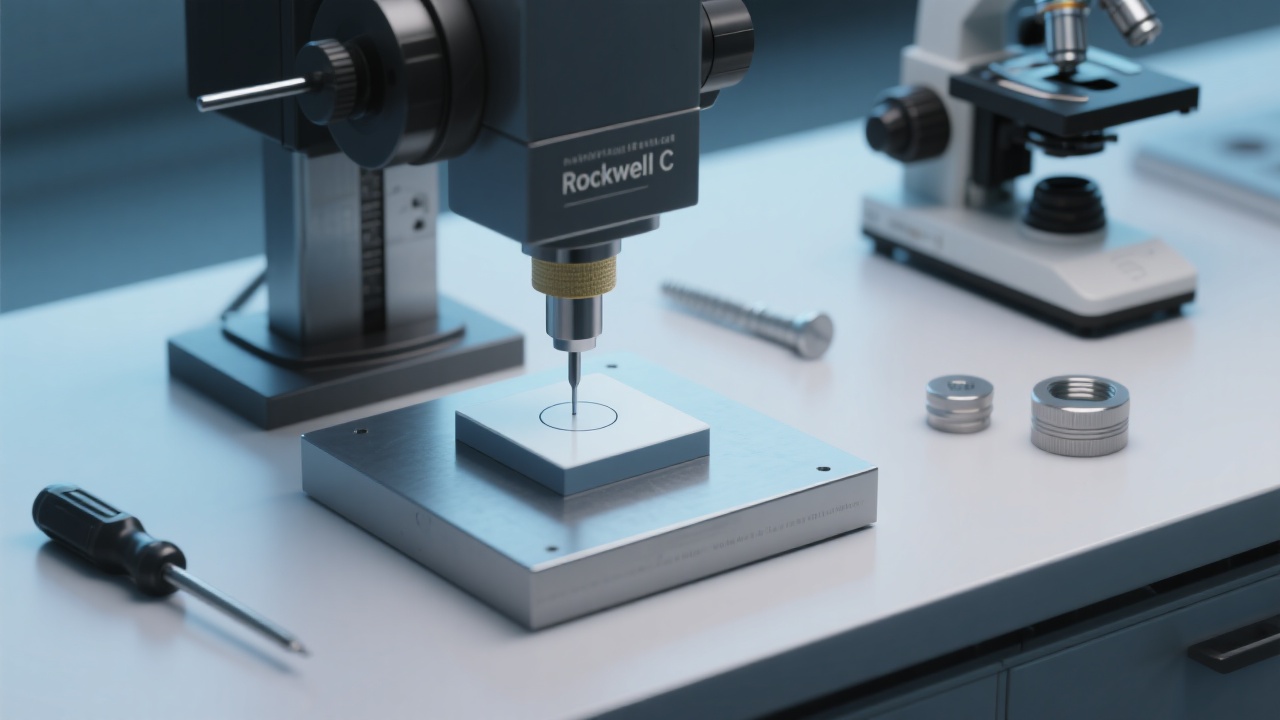
The high - strength fiberglass shell of Laizhou Jincheng's MP - 160E offers excellent corrosion - resistance. This is especially important in a laboratory environment where there are often various chemical reagents. However, even with this advantage, proper protection is still necessary. You can apply a protective coating to the shell every six months to enhance its corrosion - resistance. This will help to keep the equipment in good condition and prevent damage caused by chemical corrosion.
It's important to be able to recognize the early signs of equipment failure. If you hear abnormal noises during the operation of the equipment, it may indicate a problem with the bearings or the transmission system. A sudden change in rotational speed or excessive vibration can also be a sign of trouble. When you encounter these symptoms, stop the equipment immediately and conduct a detailed inspection. For minor problems, you can refer to the user manual for troubleshooting. For more serious issues, contact the manufacturer's technical support team in time.
Let's look at a real - world example. A laboratory was experiencing frequent sample preparation failures, which affected their research progress. After a detailed inspection, it was found that the grinding disc had not been cleaned regularly, and the polishing cloth was severely worn. By following the proper maintenance procedures, such as cleaning the grinding disc and replacing the polishing cloth, the laboratory was able to restore the normal operation of the equipment and improve the quality of sample preparation.
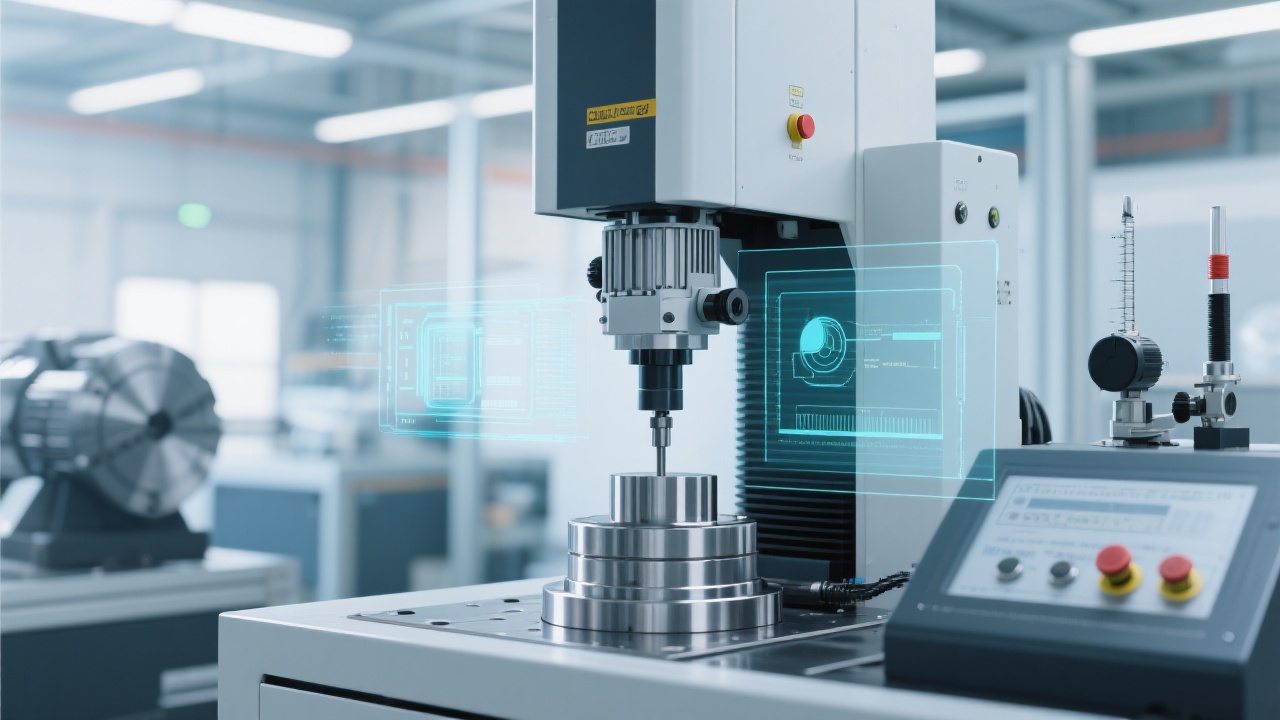
To help you better maintain your metallographic equipment, here is a simple maintenance checklist:
Your equipment's health is crucial for the smooth operation of your laboratory. Do you have any experiences with equipment failures or successful maintenance? Leave a message and share with us. If you want to learn more about suitable grinding disc models or polishing cloth brands for your Laizhou Jincheng MP - 160E, click here to explore more.
 compact manual metallographic cutting machine
Q-2 metallographic cutter
space-saving lab cutting equipment
metallographic specimen cutting precision
smart coolant system for metallography
metallographic equipment maintenance
grinding and polishing machine care
laboratory metallography troubleshooting
corrosion protection for lab equipment
metal sample preparation equipment
metallographic polishing machine
automatic grinding and polishing
sample preparation optimization
energy-efficient lab equipment
metallography workflow
metallographic cutting machine
sample preparation standardization
parameter optimization
cutting quality improvement
metallographic sample cutting tutorial
Brinell hardness testing errors
indentation deformation deviation
hardness testing standards compliance
metal hardness measurement
GB/T 231.2 standard
compact manual metallographic cutting machine
Q-2 metallographic cutter
space-saving lab cutting equipment
metallographic specimen cutting precision
smart coolant system for metallography
metallographic equipment maintenance
grinding and polishing machine care
laboratory metallography troubleshooting
corrosion protection for lab equipment
metal sample preparation equipment
metallographic polishing machine
automatic grinding and polishing
sample preparation optimization
energy-efficient lab equipment
metallography workflow
metallographic cutting machine
sample preparation standardization
parameter optimization
cutting quality improvement
metallographic sample cutting tutorial
Brinell hardness testing errors
indentation deformation deviation
hardness testing standards compliance
metal hardness measurement
GB/T 231.2 standard