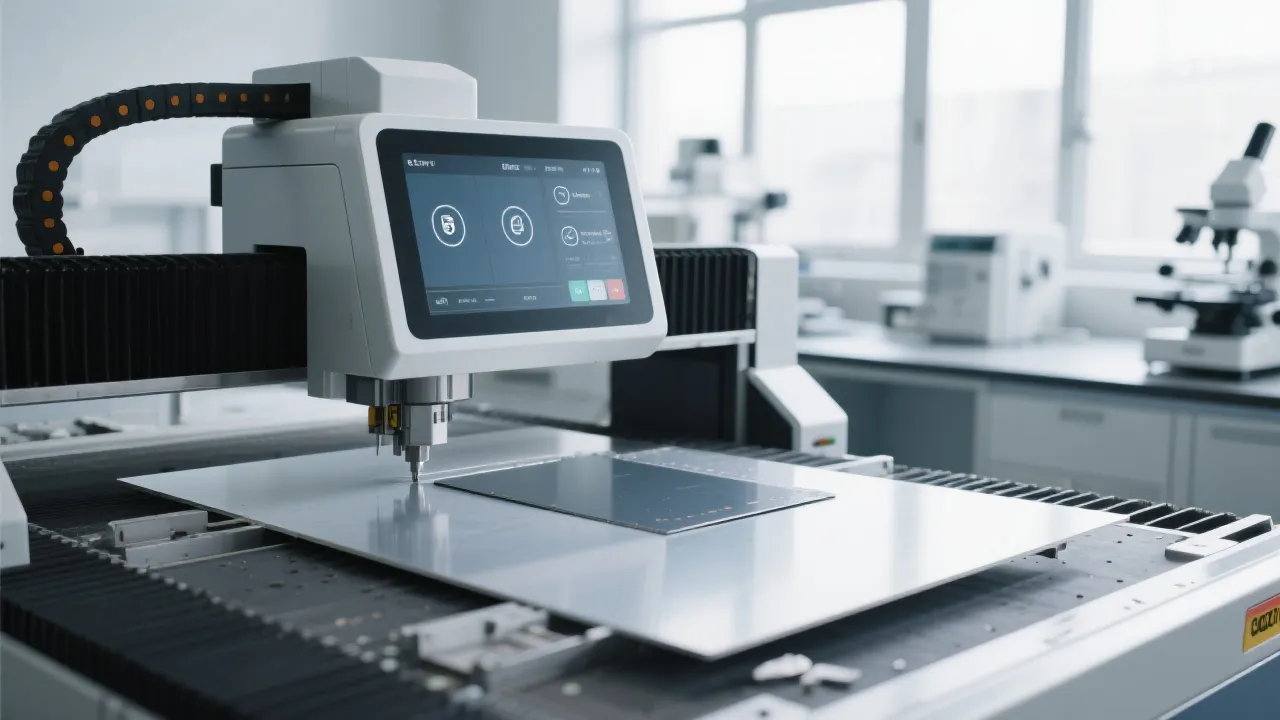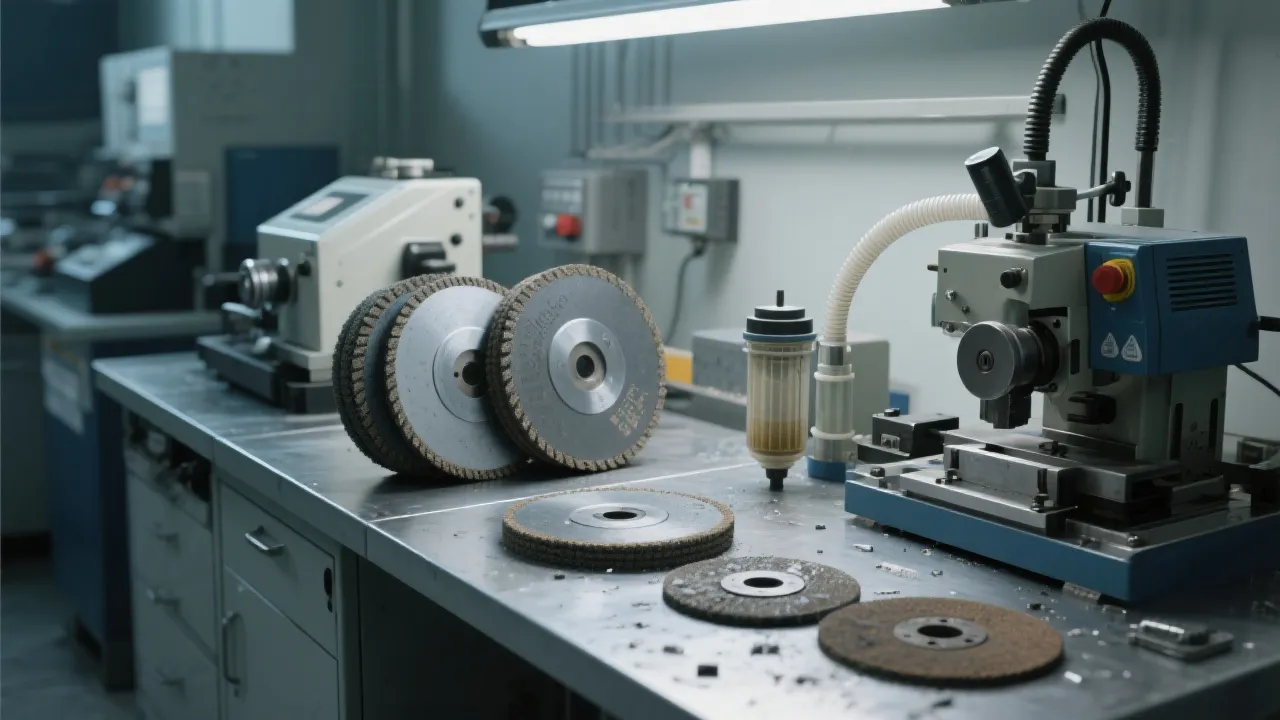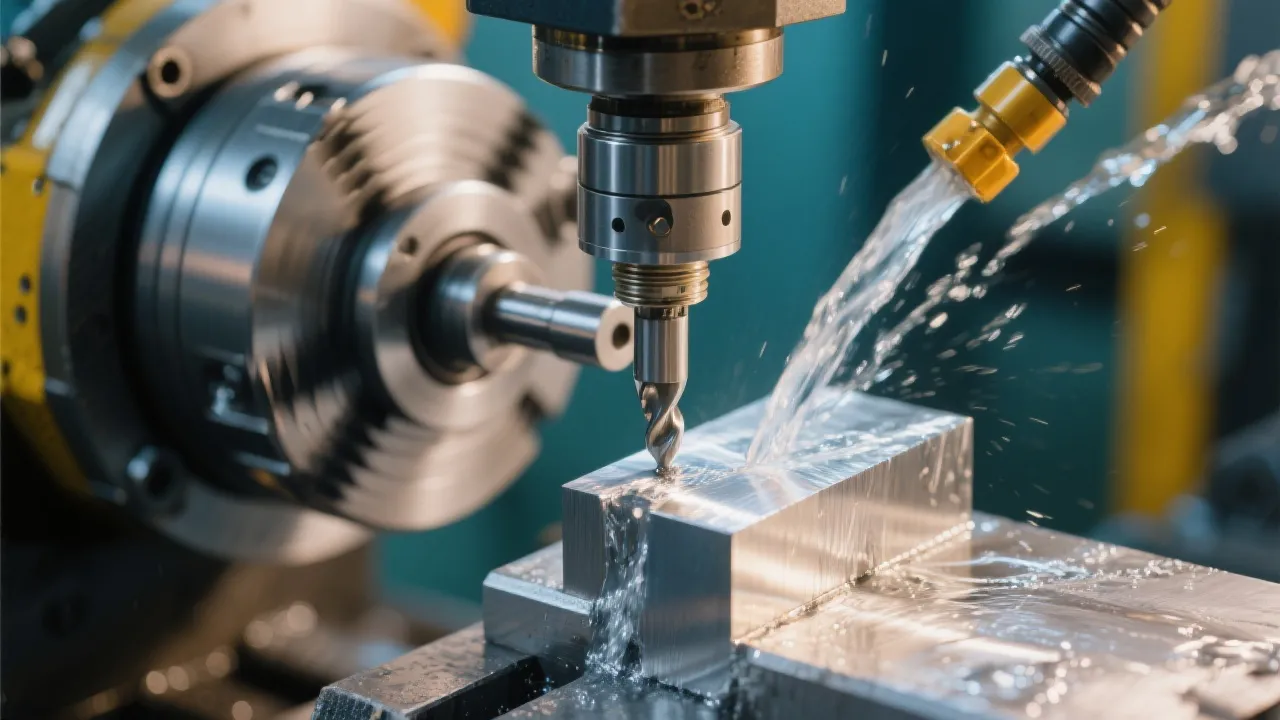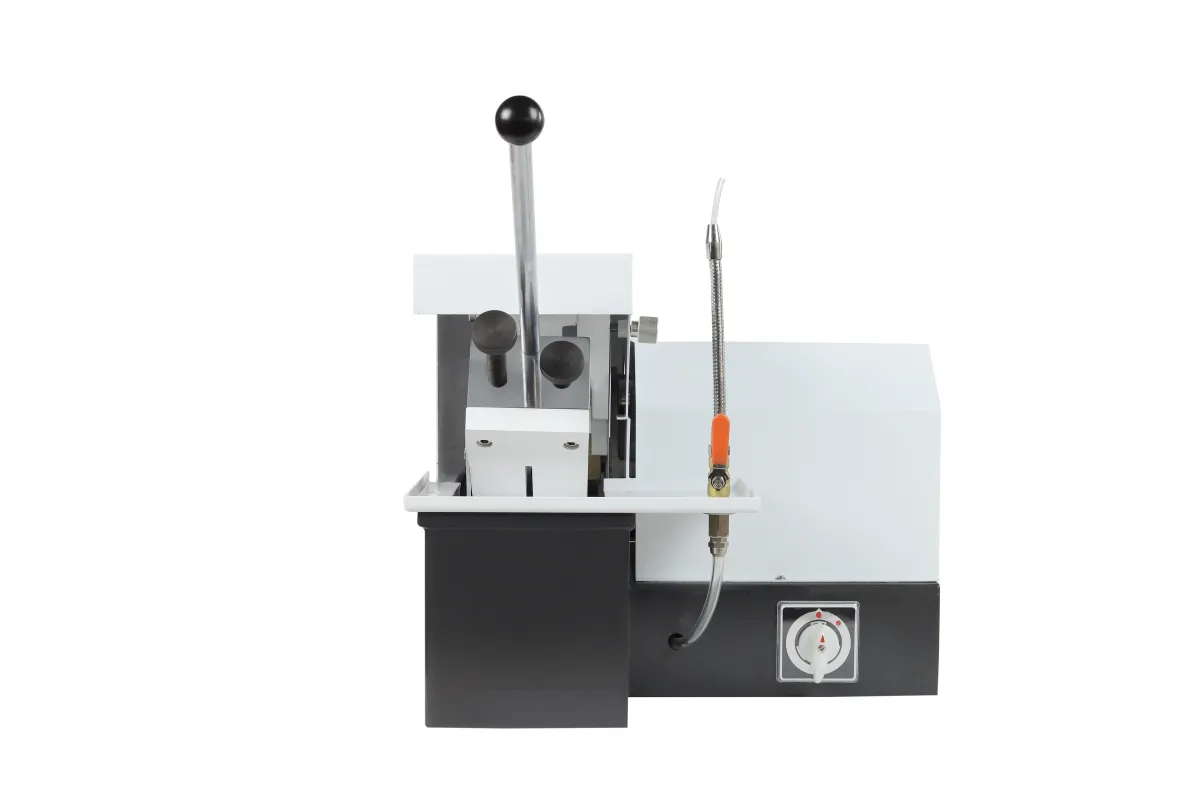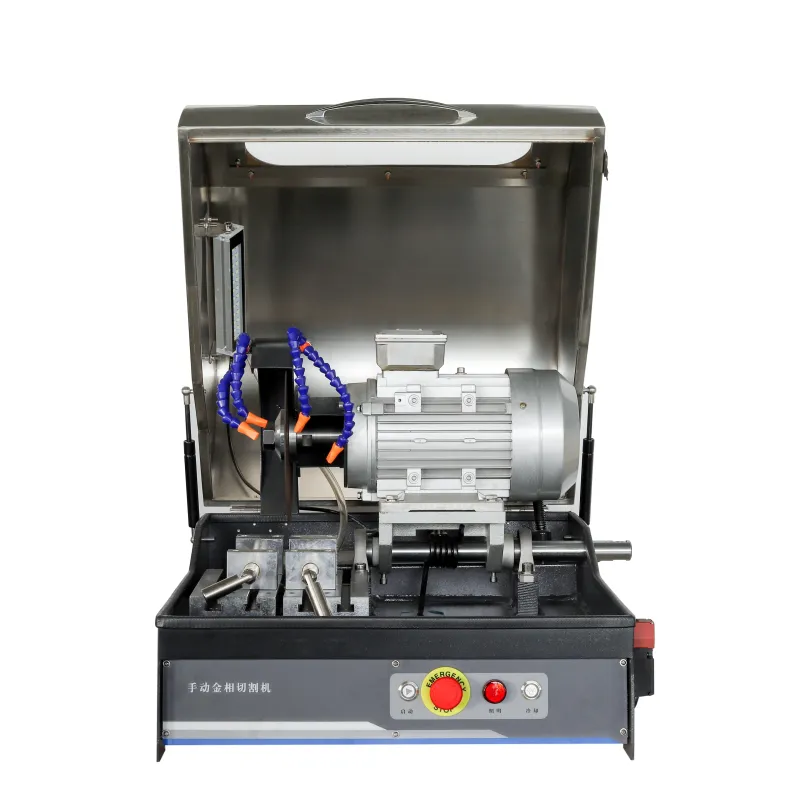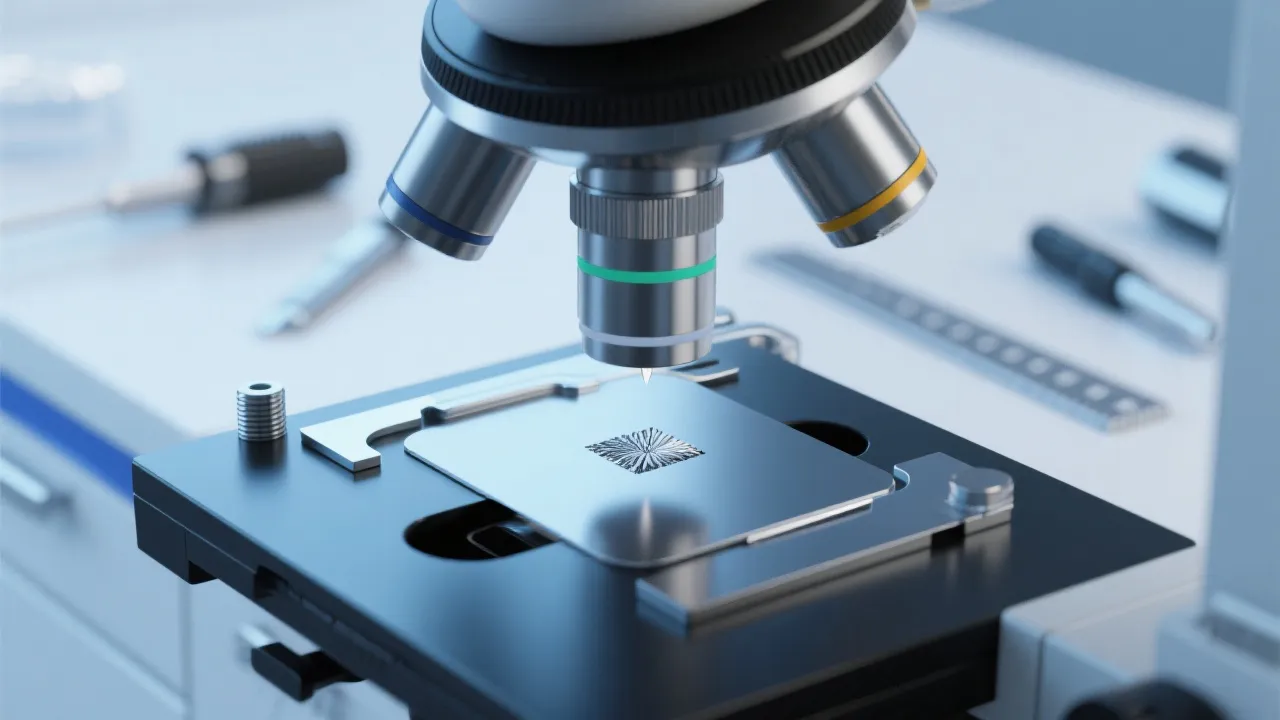
In the realm of materials science and quality control, precision isn't just a goal—it's the foundation of reliable analysis. When it comes to metallographic sample preparation, one critical factor often determines the accuracy of your results before you even place the sample under the microscope: cooling technology. The right cooling system doesn't just protect your equipment; it preserves the integrity of your material's microstructure, ensuring your analysis reflects the true nature of the material rather than artifacts introduced during preparation.
Every metallographer knows the frustration of analyzing a sample only to discover that the microstructure has been altered by heat during cutting. When a cutting wheel interacts with a metal or ceramic sample, friction generates temperatures that can exceed 500°C at the cutting interface—more than enough to cause phase transformations in most metallic materials. This thermal damage manifests in several ways:
These issues aren't merely academic concerns. A study published in the Journal of Materials Science demonstrated that improper cooling can reduce the accuracy of hardness measurements by up to 15% and render inclusion analysis virtually meaningless. For quality control professionals, this translates to potentially missing critical material defects or incorrectly certifying components.
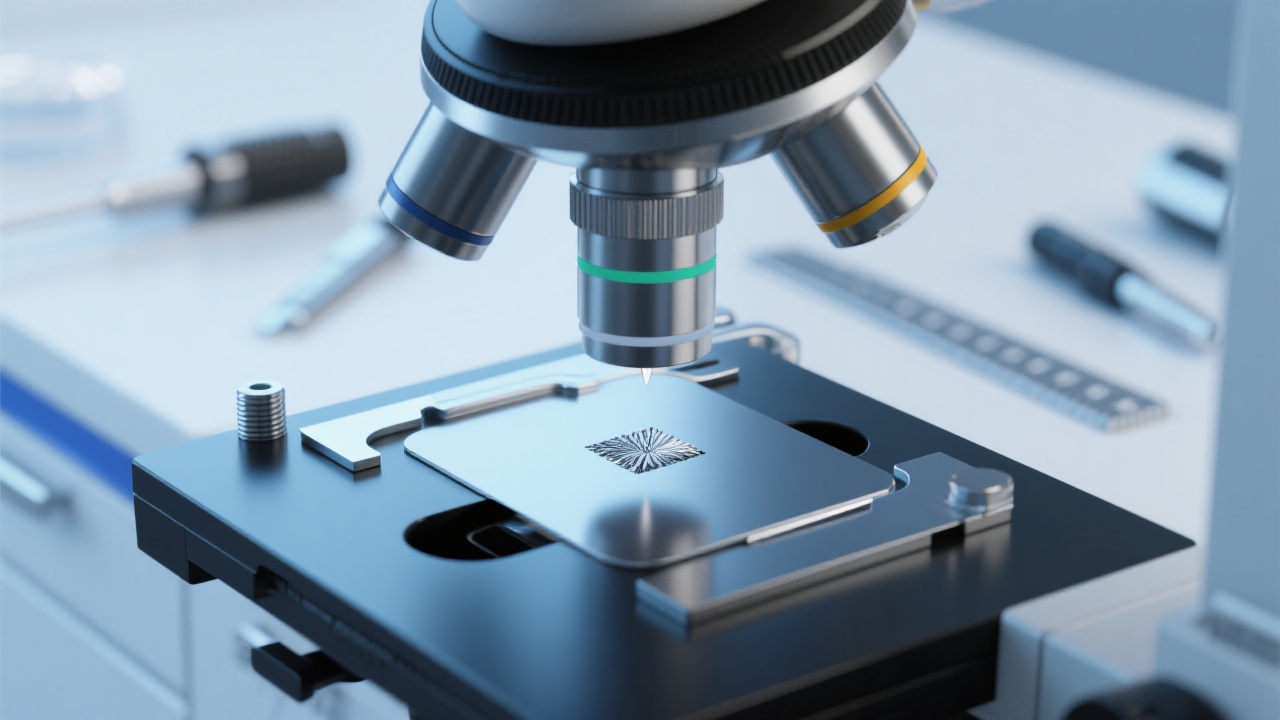
Water cooling remains the most widely used method in metallographic cutting, valued for its exceptional heat transfer capabilities. A properly designed water cooling system can remove up to 80% of the heat generated during cutting, maintaining sample temperatures below critical transformation thresholds. The system typically consists of a reservoir, pump, filtration system, and strategically positioned nozzles that direct a continuous stream of coolant to the cutting interface.
The effectiveness of water cooling depends on several factors: flow rate (typically 2-5 liters per minute for laboratory cutters), coolant pressure (15-30 psi), and the use of specialized cutting fluids. Modern coolants combine water with additives that improve lubrication, prevent corrosion, and enhance heat transfer. The optimal concentration generally ranges from 5% to 10% coolant in water, though this can vary based on material type and cutting conditions.
Ideal Applications: High-volume sample preparation, ferrous metals, aluminum alloys, and general-purpose cutting where maximum heat removal is priority. Water cooling excels with materials that conduct heat well and are less susceptible to corrosion.
Air cooling systems use compressed air (typically 80-100 psi) to dissipate heat through convection and evaporative cooling of cutting lubricants. While air cooling removes approximately 30-40% less heat than water cooling, it offers distinct advantages in specific scenarios. The absence of liquid coolant eliminates concerns about sample contamination, corrosion, and cleanup, making it ideal for materials that react with water or where absolute cleanliness is required.
Air cooling systems often incorporate specialized lubricant delivery mechanisms that apply a minimal amount of cutting oil directly to the cutting wheel. This combination provides lubrication while allowing the air stream to carry away heat. The technology is particularly effective with high-speed cutting wheels where the air flow can be directed precisely to the cutting zone.
The effectiveness of air cooling depends on air velocity (minimum 60 m/s at the cutting interface), nozzle design, and positioning. Convergent-divergent nozzles can increase air velocity while reducing pressure requirements, making them more energy-efficient than standard nozzles.
Ideal Applications: Carbide tools, ceramics, magnetic materials, and samples destined for electron microscopy where water contamination would compromise results. Air cooling is also preferred for materials prone to hydrogen embrittlement or oxidation in aqueous environments.
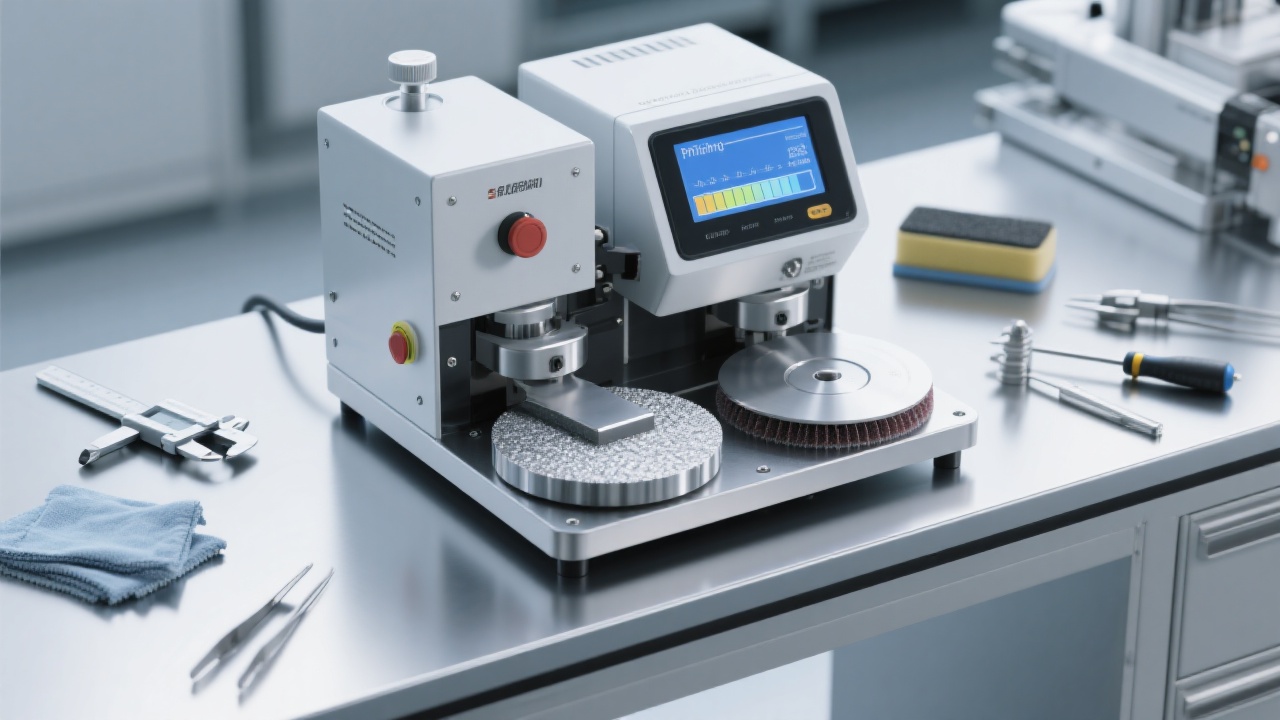
Hybrid cooling systems combine the thermal efficiency of water cooling with the precision and cleanliness of air cooling, offering a versatile solution for complex metallographic applications. These systems typically feature dual nozzles or adjustable delivery systems that can switch between cooling modes or combine them for optimal results.
Advanced hybrid systems may include variable flow rates, temperature monitoring, and automatic adjustment based on cutting conditions. For example, when cutting a heat-sensitive material, the system might start with air cooling, then switch to a mist of water and air for increased heat removal while maintaining minimal moisture exposure.
Ideal Applications: Mixed material laboratories, research environments with diverse sample types, and critical applications requiring both thermal control and sample integrity. Hybrid systems particularly shine in industries like aerospace and medical device manufacturing where material analysis must meet stringent standards.
Even the most advanced cooling system requires proper setup and maintenance to deliver optimal performance. Here are proven techniques to enhance your cooling efficiency and sample quality:
The quality and concentration of your coolant directly impact cooling efficiency and sample quality. For water-based systems:
The position, angle, and design of cooling nozzles significantly affect cooling efficiency. Best practices include:
Optimal Nozzle Positioning: Direct coolant to the cutting zone where the wheel contacts the sample, maintaining a distance of 10-15mm from the interface. Angling the nozzle at 30-45° relative to the cutting surface maximizes heat transfer while minimizing splashing.
Consider upgrading to adjustable multi-jet nozzles that provide uniform cooling around the cutting wheel. These specialized nozzles can reduce localized heating by up to 40% compared to single-jet designs.
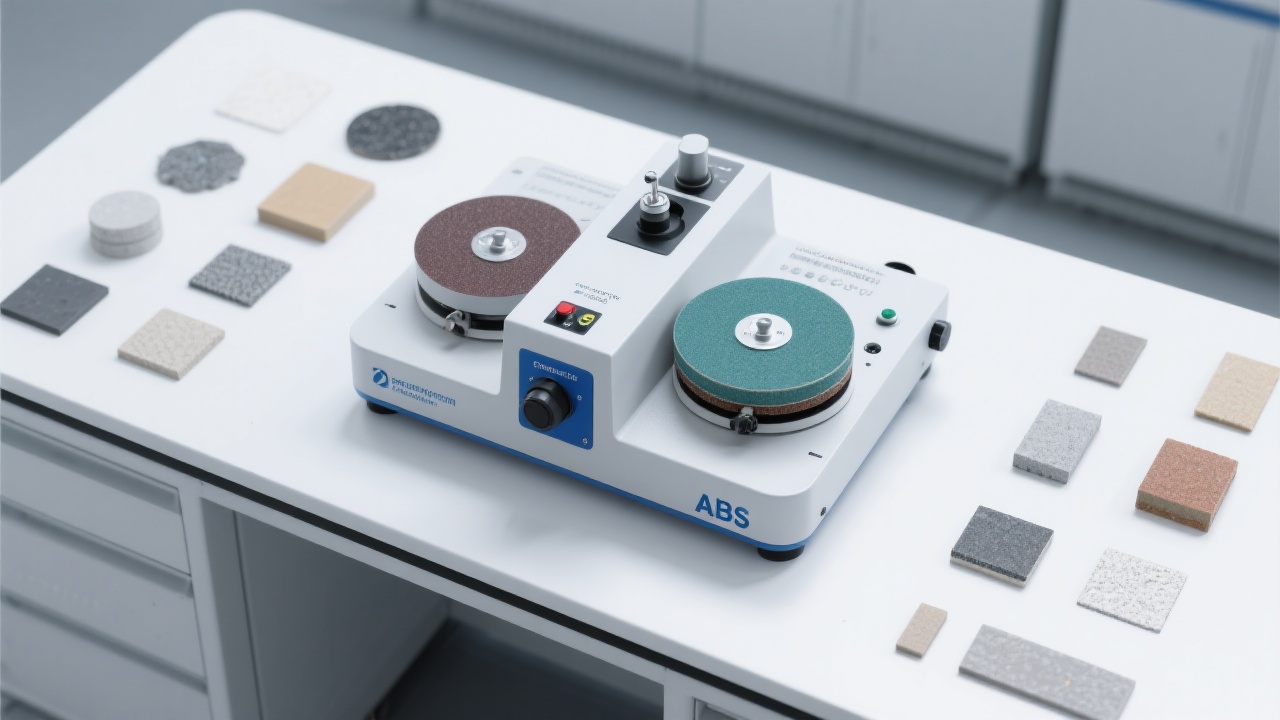
Regular maintenance prevents cooling system degradation and ensures consistent sample quality. Implement these key practices:
ASTM E3-11 Standard Note: "Cooling during sectioning shall be sufficient to prevent metallographic changes in the microstructure. The method of cooling and coolant type shall be documented as part of the test procedure."
Advancements in cooling technology are transforming metallographic sample preparation. Modern systems like the SQ-80 industrial-grade metallographic cutter incorporate intelligent cooling modules that automatically adjust cooling parameters based on material type, sample size, and cutting conditions. This adaptive technology ensures optimal cooling for every application, from delicate ceramics to high-alloy steels.
These smart systems monitor cutting temperature in real-time, adjusting coolant flow rates and pressure to maintain ideal conditions. Some models even feature predictive maintenance alerts, notifying operators when filters need replacement or when cooling efficiency decreases—preventing quality issues before they occur.
Experience the difference intelligent cooling can make in your sample preparation process. Discover how the SQ-80's advanced cooling technology delivers consistent, reliable results across all material types.
Explore the SQ-80 Cooling SystemAs materials science continues to advance, the demand for precise, reliable metallographic analysis grows. By understanding and optimizing cooling technology, you can ensure your results accurately represent the true microstructure of your materials—from routine quality control to groundbreaking research. The right cooling approach isn't just about protecting your equipment; it's about preserving the integrity of your data and the reliability of your conclusions.
 compact manual metallographic cutting machine
Q-2 metallographic cutter
space-saving lab cutting equipment
metallographic specimen cutting precision
smart coolant system for metallography
metallographic polishing machine maintenance
grinding disc for MP-160E
polishing cloth for metallography
sample preparation accuracy
lab equipment longevity
high-precision metallographic cut-off machine
metallographic cutting techniques
sample preparation equipment maintenance
ASTM metallographic standards
ISO certified metallographic equipment
metallographic equipment maintenance
FRP enclosure corrosion protection
grinder-polisher保养技巧
laboratory equipment longevity
metallography sample preparation
Metallographic grinder - polisher operation guide
Automatic grinding and polishing machine usage skills
Sample preparation process optimization
Metallographic sample polishing consistency improvement methods
Grinding and polishing equipment daily maintenance checklist
compact manual metallographic cutting machine
Q-2 metallographic cutter
space-saving lab cutting equipment
metallographic specimen cutting precision
smart coolant system for metallography
metallographic polishing machine maintenance
grinding disc for MP-160E
polishing cloth for metallography
sample preparation accuracy
lab equipment longevity
high-precision metallographic cut-off machine
metallographic cutting techniques
sample preparation equipment maintenance
ASTM metallographic standards
ISO certified metallographic equipment
metallographic equipment maintenance
FRP enclosure corrosion protection
grinder-polisher保养技巧
laboratory equipment longevity
metallography sample preparation
Metallographic grinder - polisher operation guide
Automatic grinding and polishing machine usage skills
Sample preparation process optimization
Metallographic sample polishing consistency improvement methods
Grinding and polishing equipment daily maintenance checklist