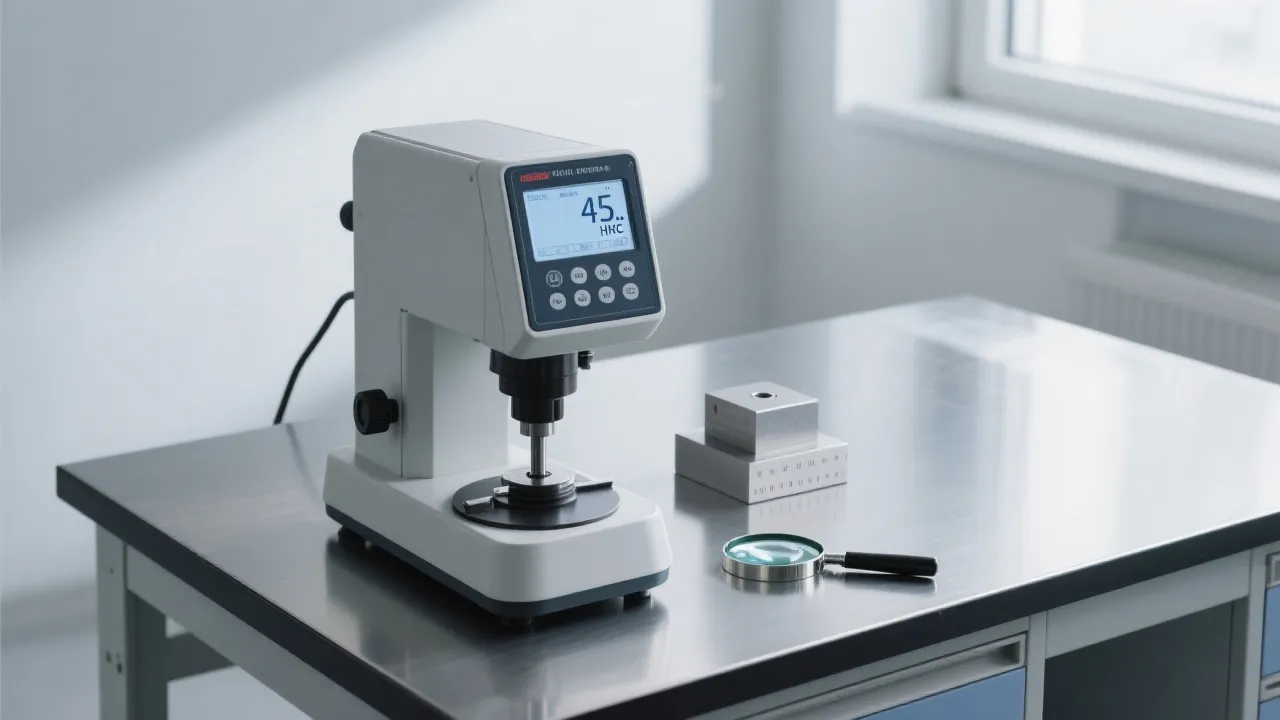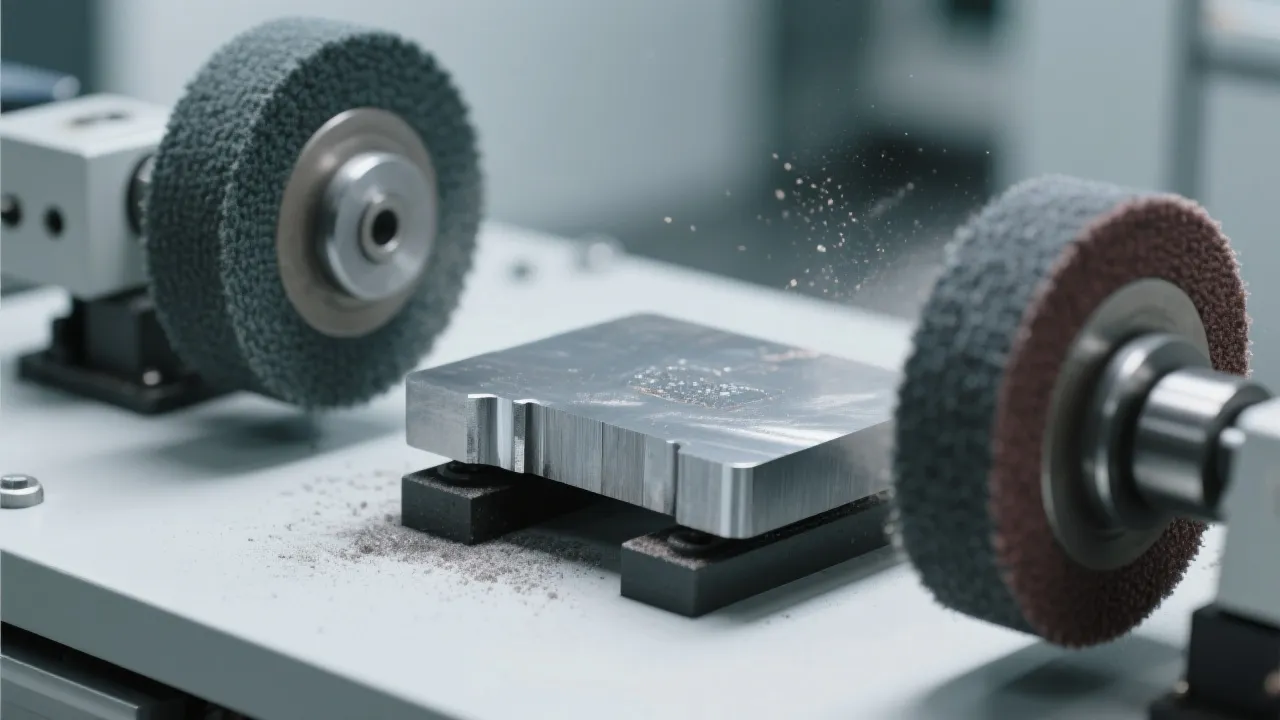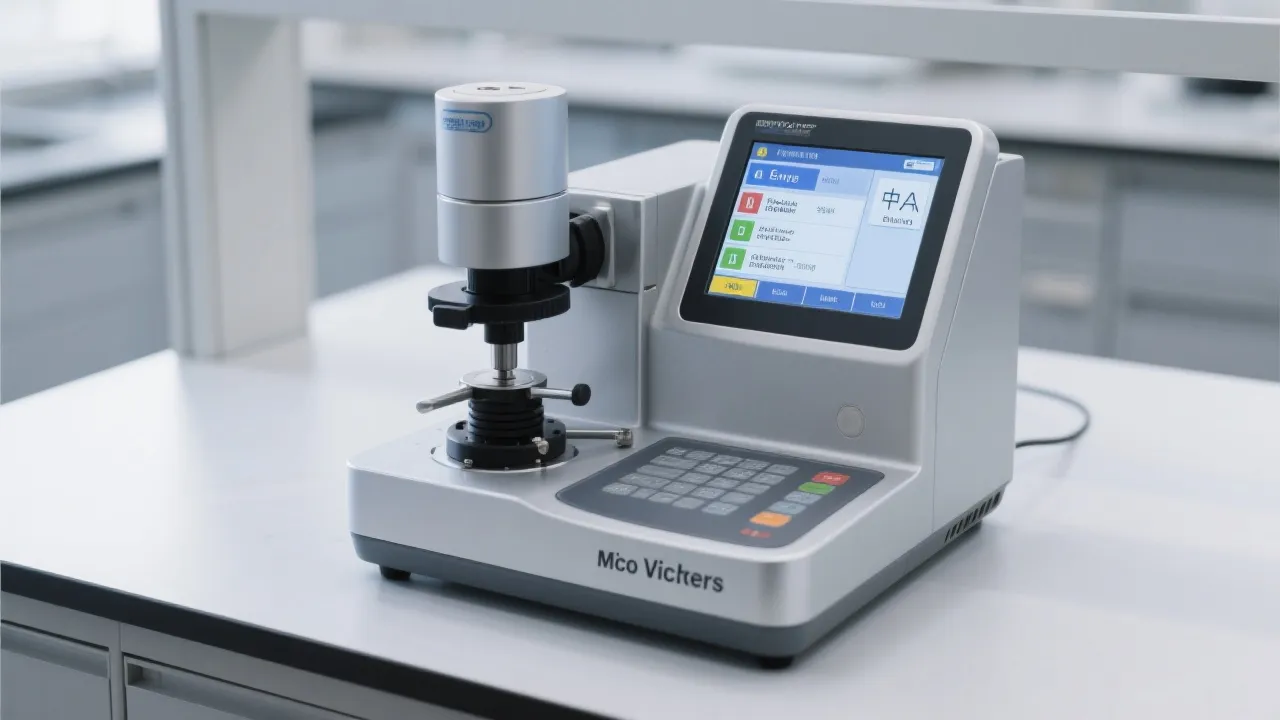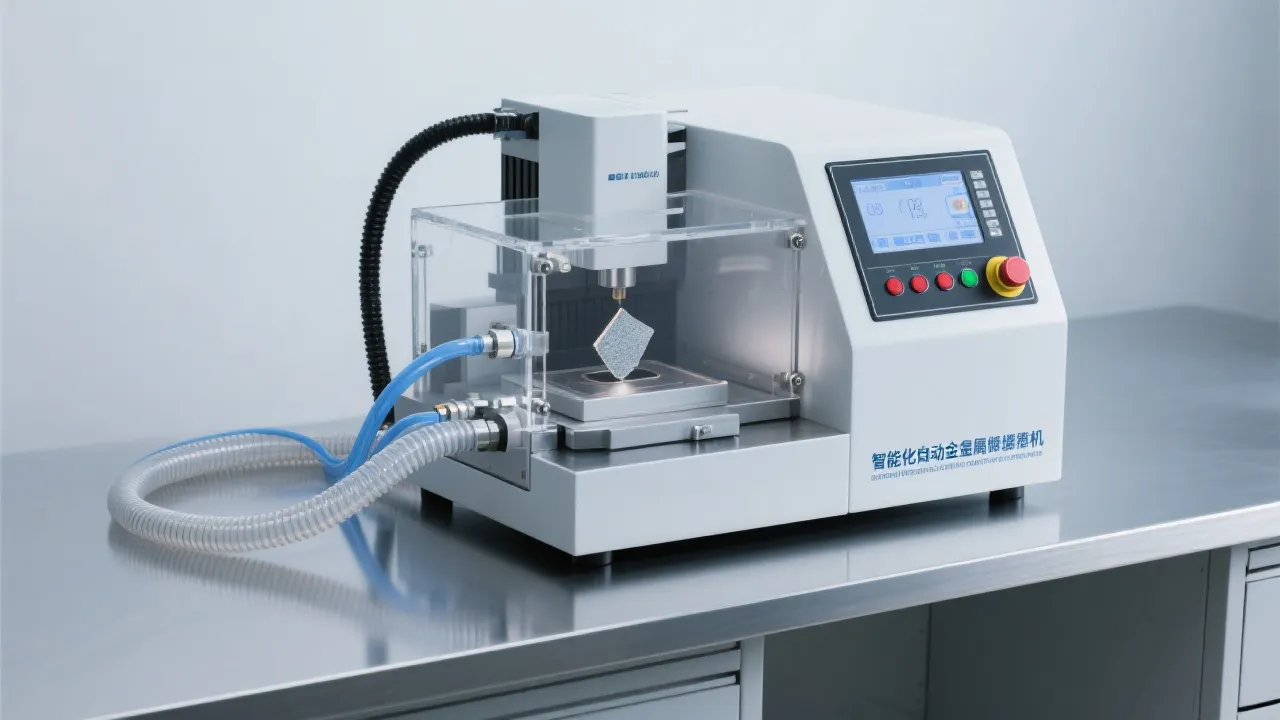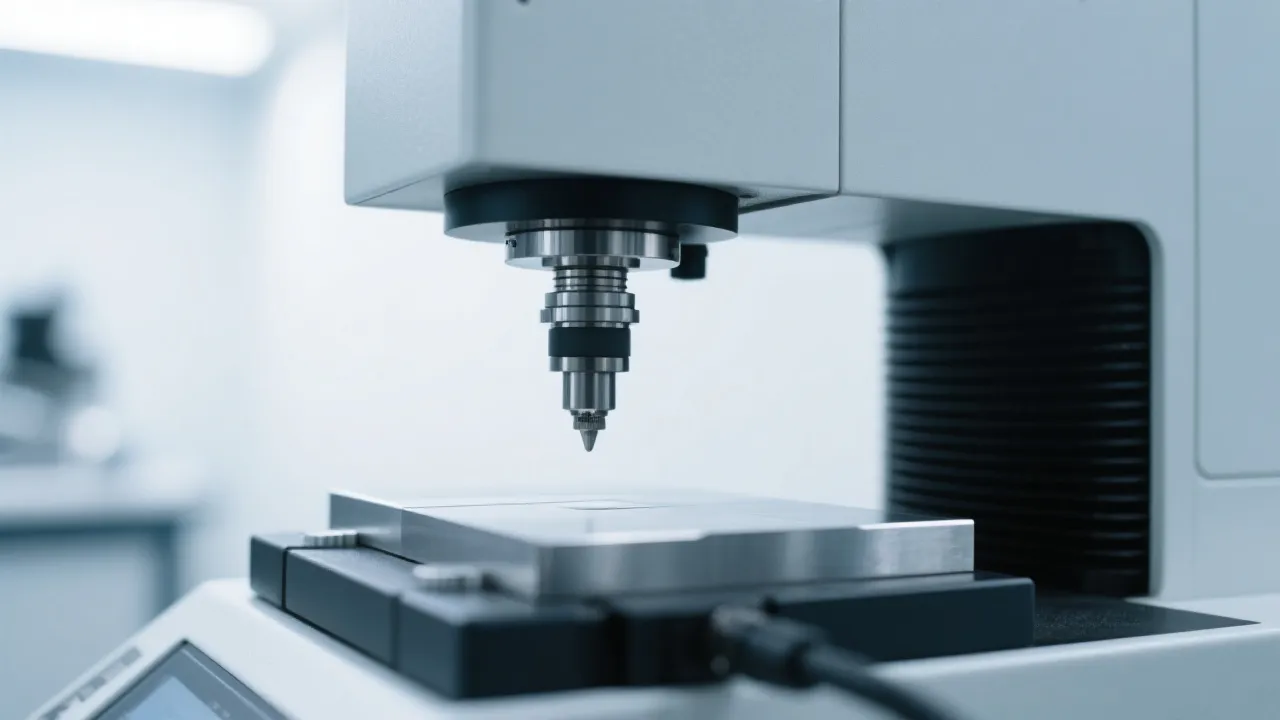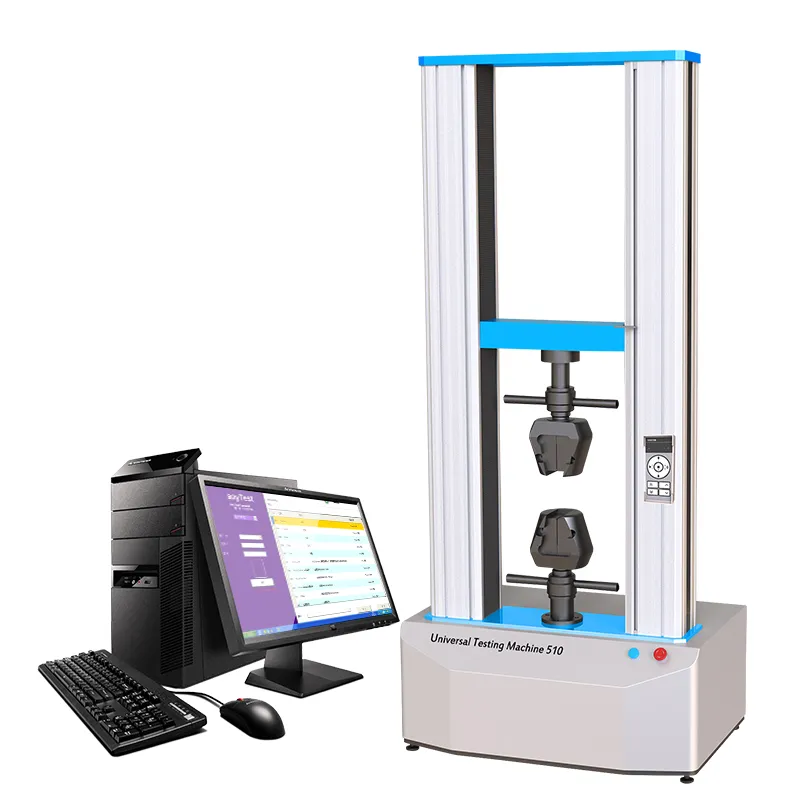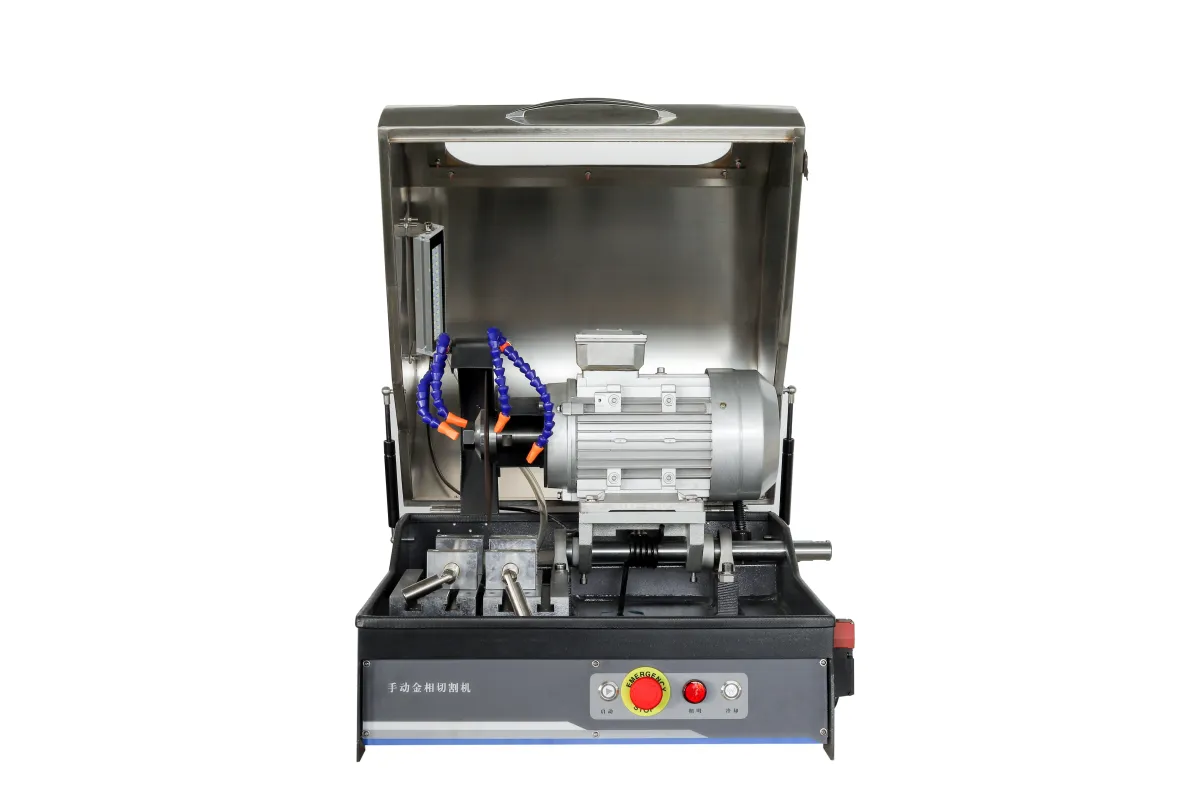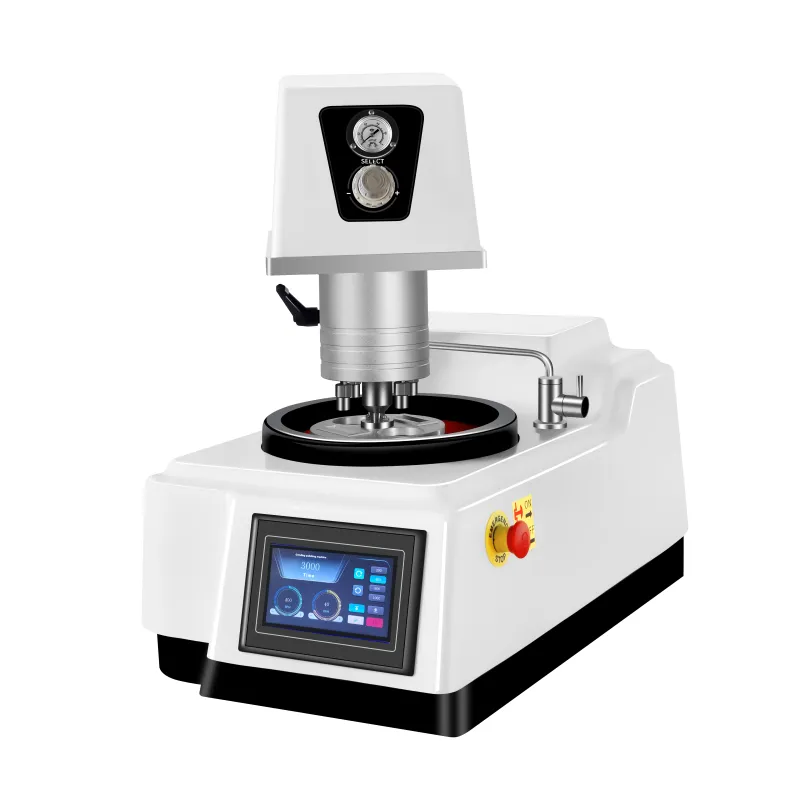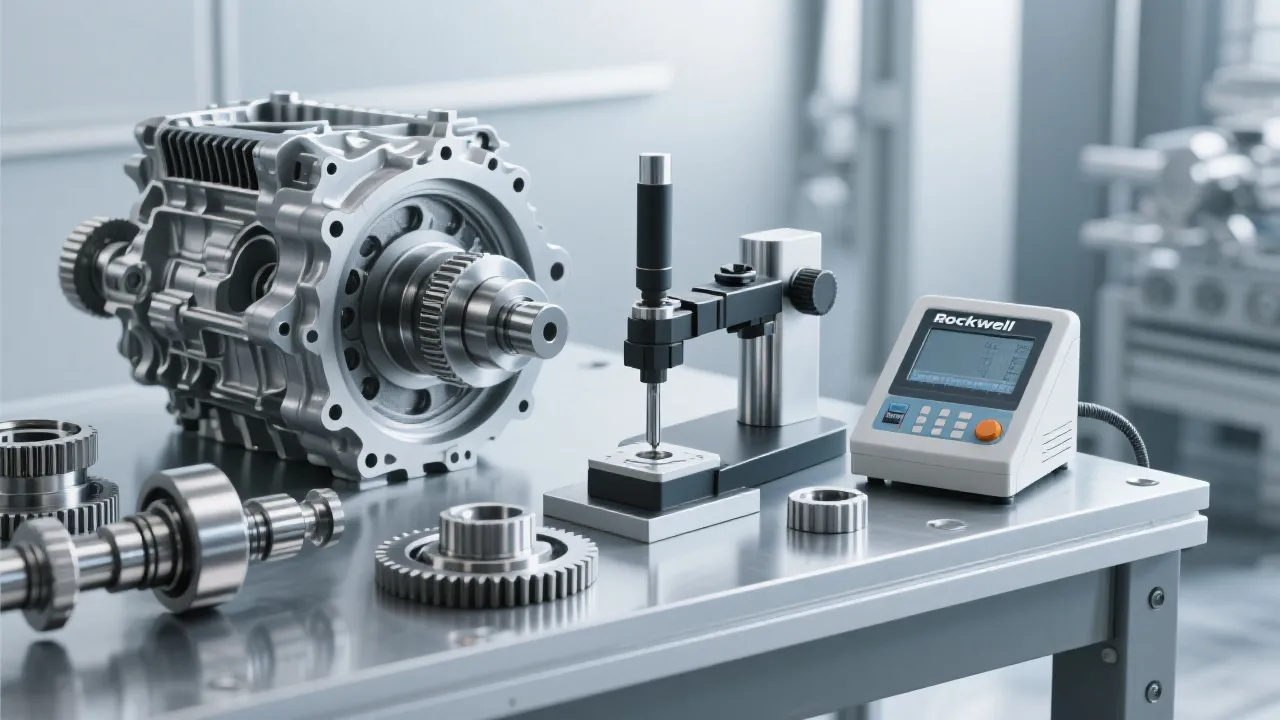
Are you new to using the Jincheng LMP-3 metallographic grinding and polishing machine? Don't worry! This guide is designed to help you quickly master the LCD interface settings and sample loading techniques, even if you have no prior experience. With our step-by-step tutorial, you'll be able to operate the machine efficiently and effectively in no time.
Before you start the machine, it's essential to perform a pre-operation check. First, ensure that the power supply is stable and the machine is properly grounded. Next, install the sample fixture correctly. You can refer to the user manual for detailed instructions. Once the fixture is installed, familiarize yourself with the basic functions of the LCD screen. The screen provides a user-friendly interface that allows you to easily set parameters such as speed, time, and pressure. 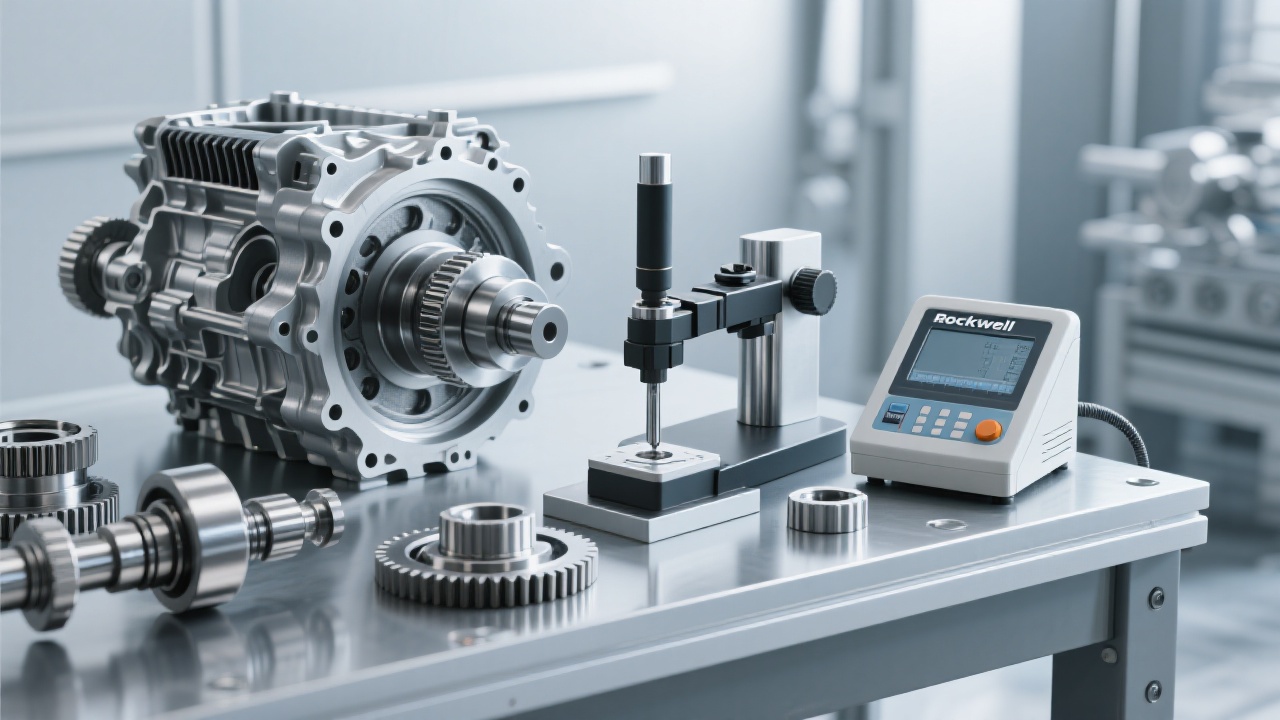
Different materials, such as metals and ceramics, require different grinding and polishing parameters. For metals, a higher speed may be suitable for rough grinding, while a lower speed is better for fine polishing. For ceramics, a slower speed is generally recommended to prevent damage to the sample. You can refer to the following speed comparison table for guidance:
| Material | Rough Grinding Speed (rpm) | Fine Polishing Speed (rpm) |
|---|---|---|
| Metal | 1000 - 1500 | 300 - 500 |
| Ceramic | 500 - 800 | 200 - 300 |
Remember to adjust the parameters according to the specific requirements of your sample. You can also refer to the ASTM/ISO standard processes for more accurate settings.
Regular maintenance is crucial for the long-term performance of your Jincheng LMP-3 metallographic grinding and polishing machine. Clean the machine after each use to remove any debris or residue. It's recommended to clean the machine at least once a week, depending on the frequency of use. Replace the consumables, such as grinding discs and polishing pads, regularly to ensure optimal performance. You can refer to the user manual for the recommended replacement cycle. 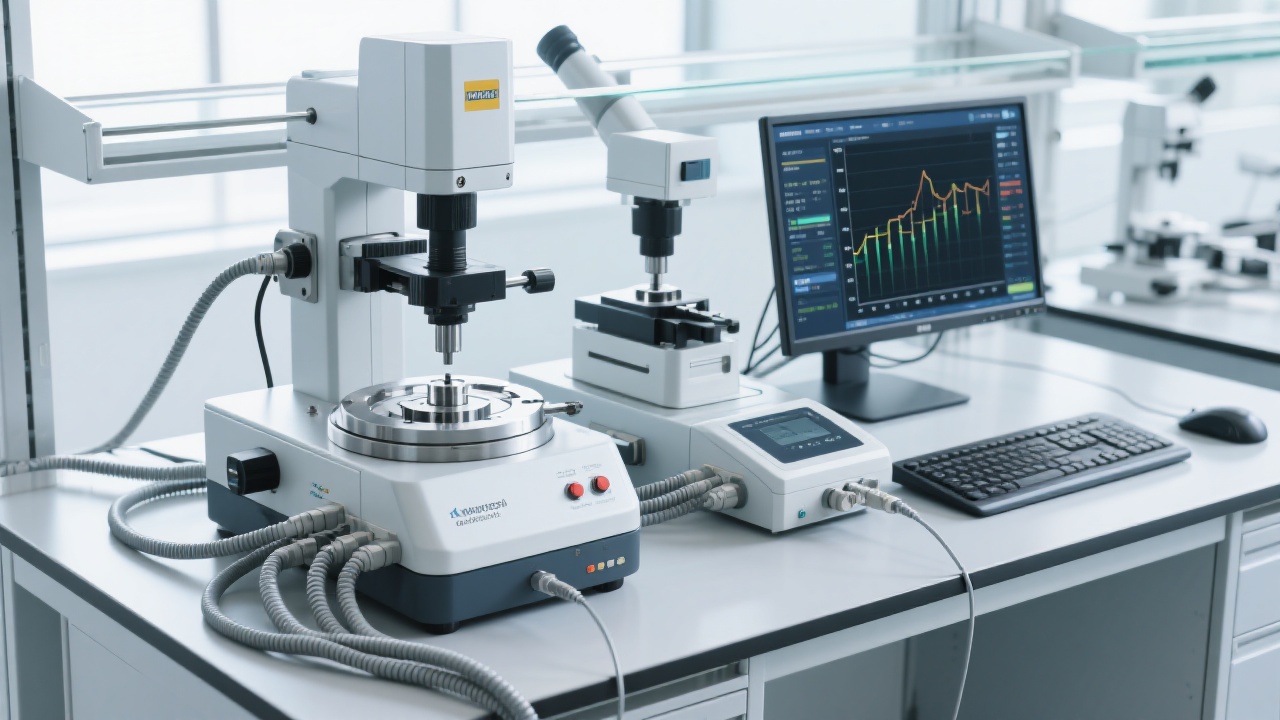
If you encounter any problems, such as abnormal noise or speed, refer to the troubleshooting section in the user manual. In most cases, you can solve the problem by following the instructions provided. If the problem persists, contact the manufacturer's customer service for further assistance.
To increase efficiency, you can process multiple samples simultaneously. The Jincheng LMP-3 machine allows you to load multiple samples at once, saving you time and effort. You can also use the energy-saving mode to reduce power consumption without sacrificing performance. Additionally, design a standardized operating process to ensure consistency and accuracy in your sample preparation.
Let's take a real-world example. A research laboratory was struggling with low efficiency in sample preparation. After implementing the techniques and processes described in this guide, they were able to increase their sample preparation speed by 30% and improve the consistency of their samples. This not only saved them time and resources but also enhanced the quality of their research.
The Jincheng LMP-3 metallographic grinding and polishing machine is designed to be easy to use, even for beginners. You can operate it without extensive training. It meets international standards, ensuring high quality and reliability. With its efficient and stable performance, it can significantly boost your scientific research speed. 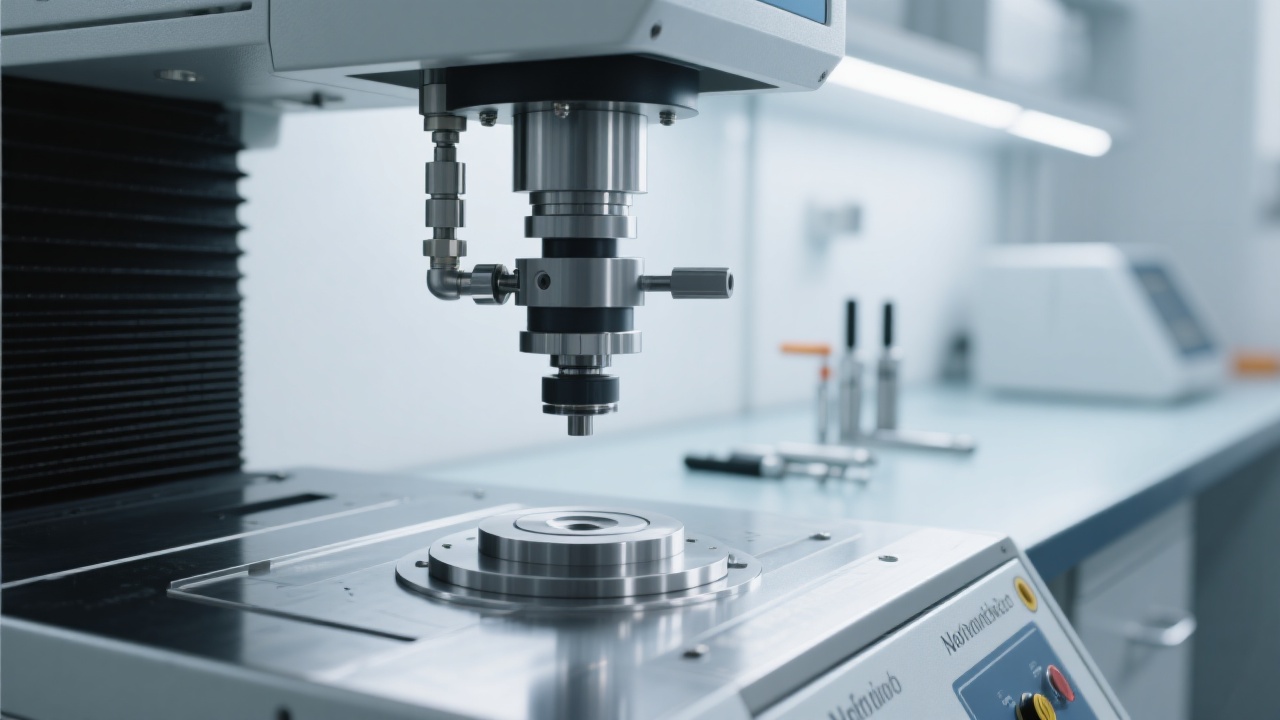
 metallographic grinder polisher operation guide
automatic grinding polishing machine tips
sample preparation workflow optimization
metallographic machine speed settings
improving metallographic polishing consistency
metallographic equipment maintenance
grinding and polishing machine care
laboratory metallography troubleshooting
corrosion protection for lab equipment
metal sample preparation equipment
metallographic polishing equipment
multifunction precision polisher
metallographic sample preparation
MP-2B polisher
laboratory equipment selection guide
metallographic mounting mold
mounting mold selection
sample preparation
stainless steel ring mold
PTFE mold
heat embedding machine maintenance
water cooling system anti-scaling
automatic embedding machine troubleshooting
metallographic sample preparation
lab equipment calibration
metallographic grinder polisher operation guide
automatic grinding polishing machine tips
sample preparation workflow optimization
metallographic machine speed settings
improving metallographic polishing consistency
metallographic equipment maintenance
grinding and polishing machine care
laboratory metallography troubleshooting
corrosion protection for lab equipment
metal sample preparation equipment
metallographic polishing equipment
multifunction precision polisher
metallographic sample preparation
MP-2B polisher
laboratory equipment selection guide
metallographic mounting mold
mounting mold selection
sample preparation
stainless steel ring mold
PTFE mold
heat embedding machine maintenance
water cooling system anti-scaling
automatic embedding machine troubleshooting
metallographic sample preparation
lab equipment calibration