
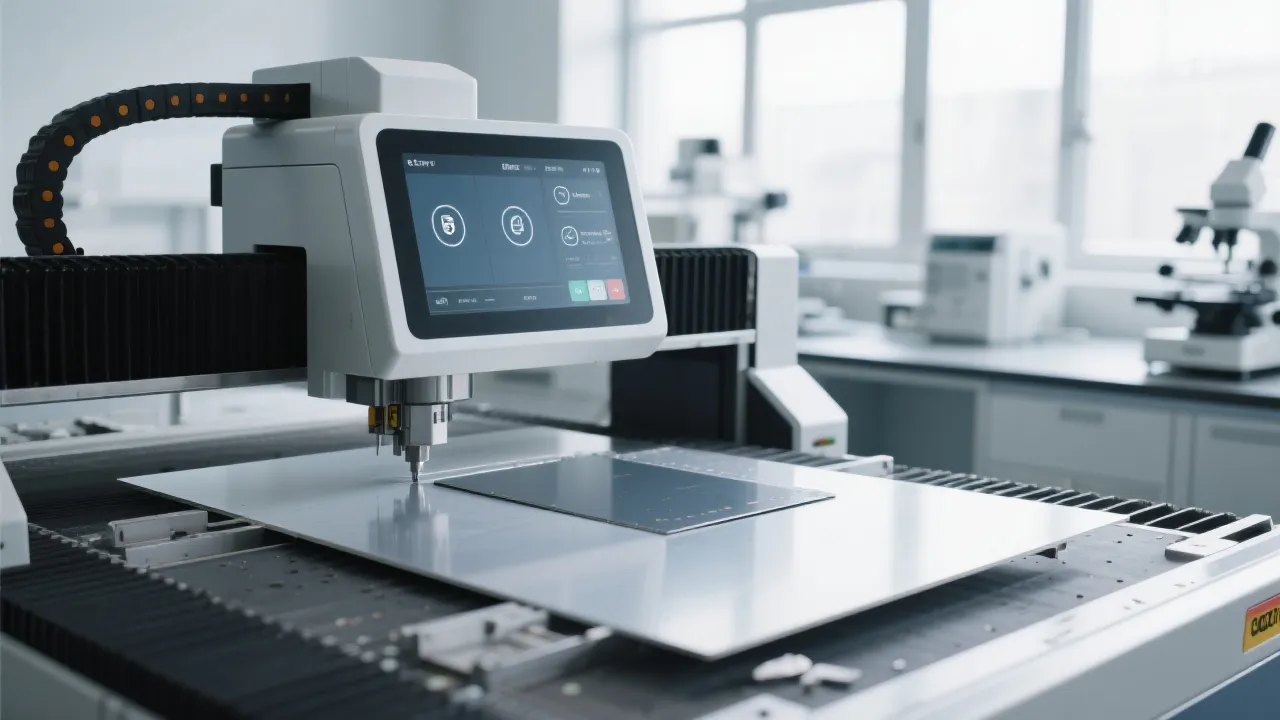
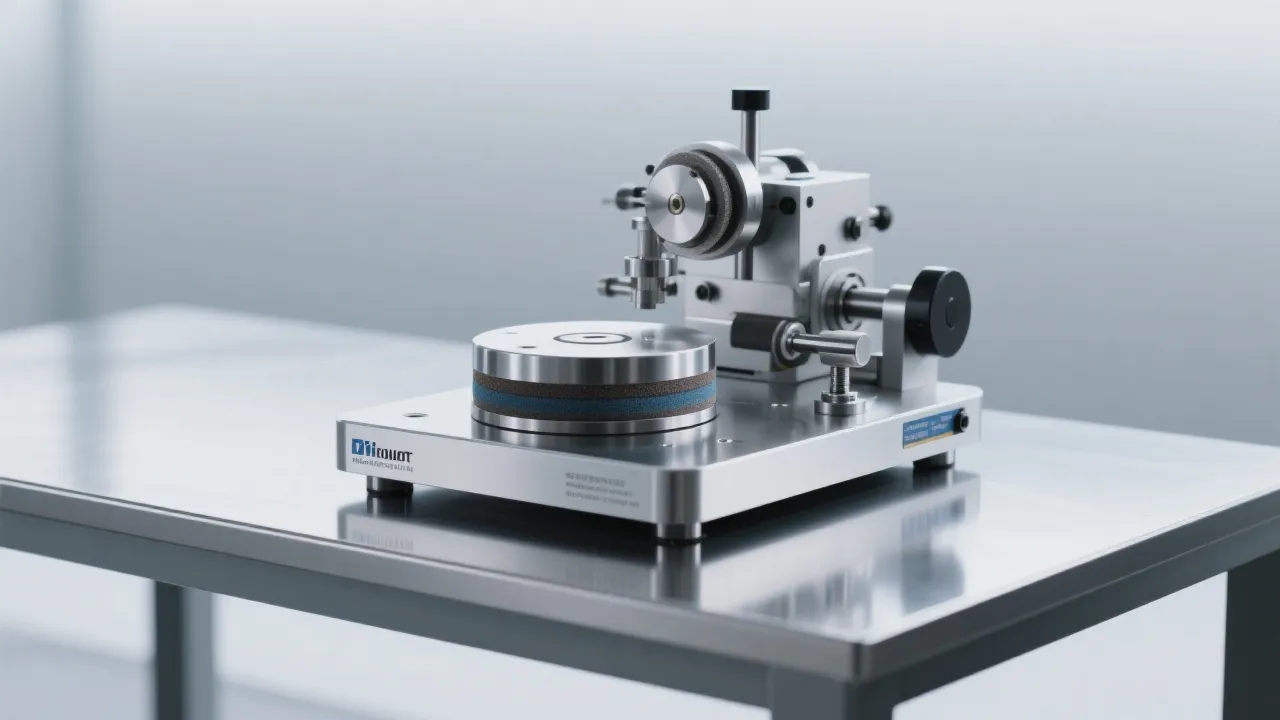
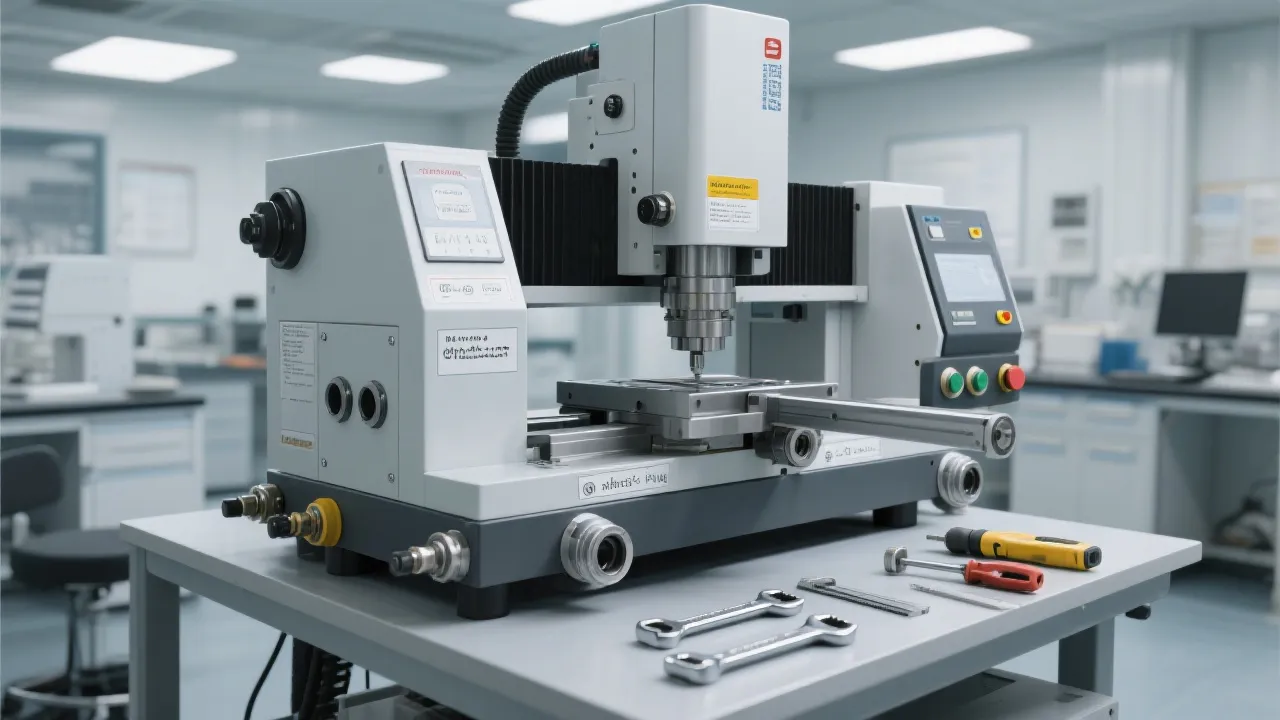
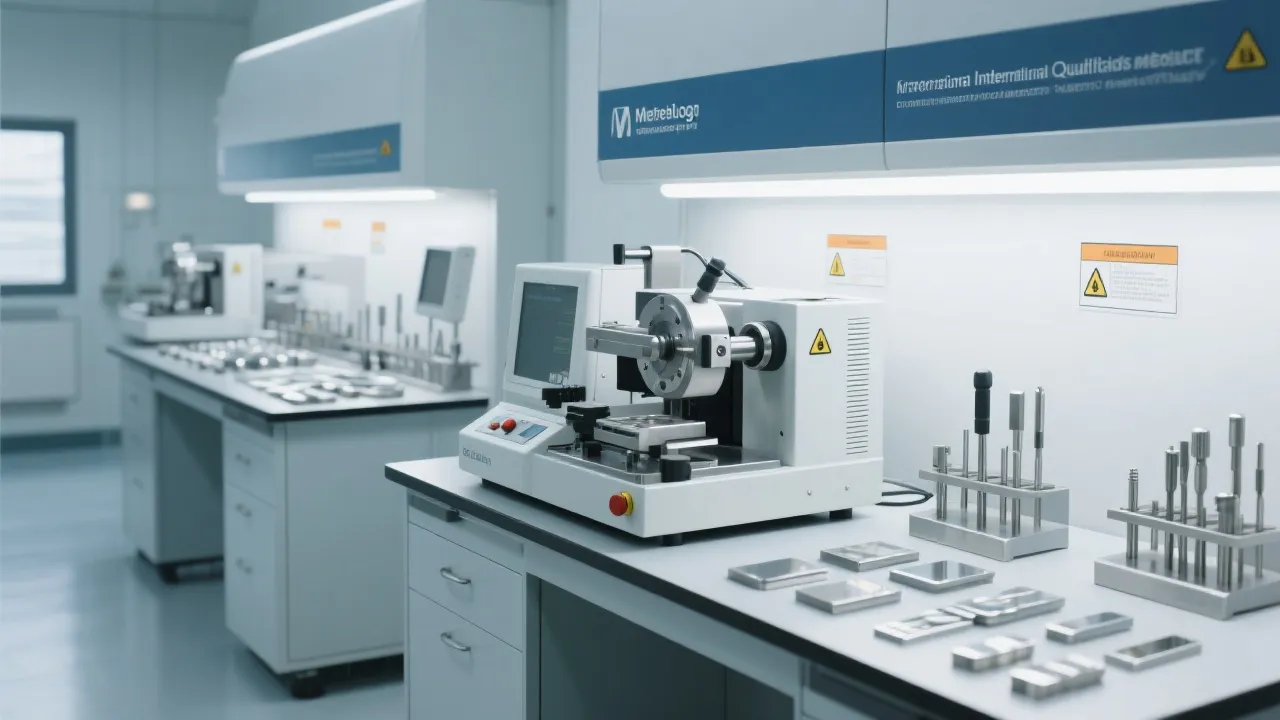
Selecting the optimal housing material is crucial for the performance, durability, and safety of metallographic polishing machines used across manufacturing plants and research laboratories. Among various options, high-strength fiberglass has emerged as the preferred choice due to its exceptional combination of corrosion resistance, impact toughness, and lightweight properties. This article delves into the scientific and practical merits of fiberglass housings, aligned with ASTM and ISO standards, and provides actionable maintenance guidelines to maximize equipment lifecycle and user safety.
Traditional polishing machine housings often rely on metals like aluminum or stainless steel, or plastics such as ABS. While metals offer sturdiness, they tend to suffer from corrosion when exposed to harsh chemical agents commonly used in laboratories. Plastics, conversely, may degrade under continuous mechanical stress and UV exposure. High-strength fiberglass, composed primarily of glass fibers embedded in a resin matrix, exhibits superior performance:
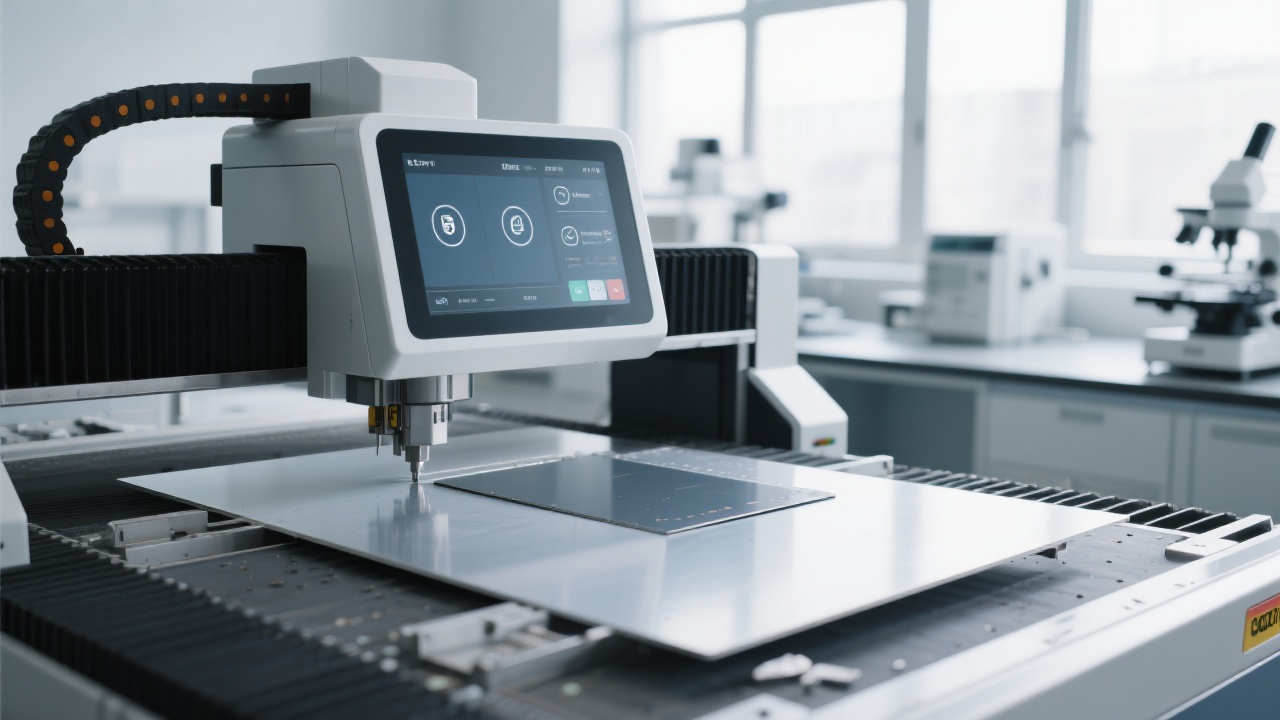
Fiberglass housings for metallographic polishing equipment are engineered to meet rigorous quality benchmarks such as ASTM D638 (Standard Test Method for Tensile Properties of Plastics) and ISO 4589 (Determination of Burning Behavior). These standards guarantee mechanical integrity, flame retardancy, and chemical compatibility, essential for regulatory compliance and laboratory safety.
More so, manufacturers adopt controlled fabrication processes like vacuum infusion to ensure uniform fiber distribution and resin curing, reducing defects and extending service life.
Despite its robustness, periodic maintenance is vital. Recommended procedures include:
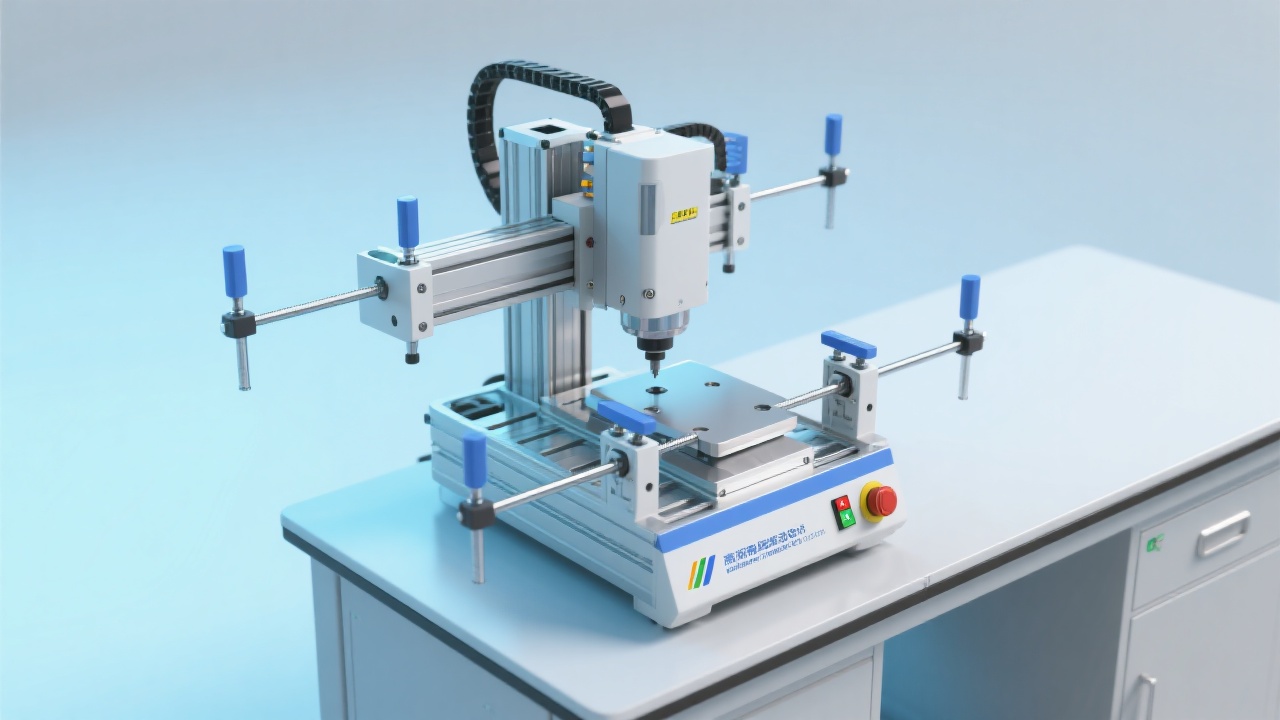
Initial investment in high-strength fiberglass housings may exceed that of cheaper metals or plastics by an estimated 15-25%, yet the reduction in downtime, repair costs, and safety incidents often results in a total cost of ownership (TCO) decrease of up to 30% over five years. This substantiates fiberglass as a cost-efficient solution, especially for R&D institutions and precision manufacturing environments where maintenance disruptions bear high indirect costs.
Enterprises are encouraged to consider these lifecycle economics alongside ASTM/ISO certified quality attributes to make scientifically grounded procurement decisions that ensure equipment reliability and user safety long-term.
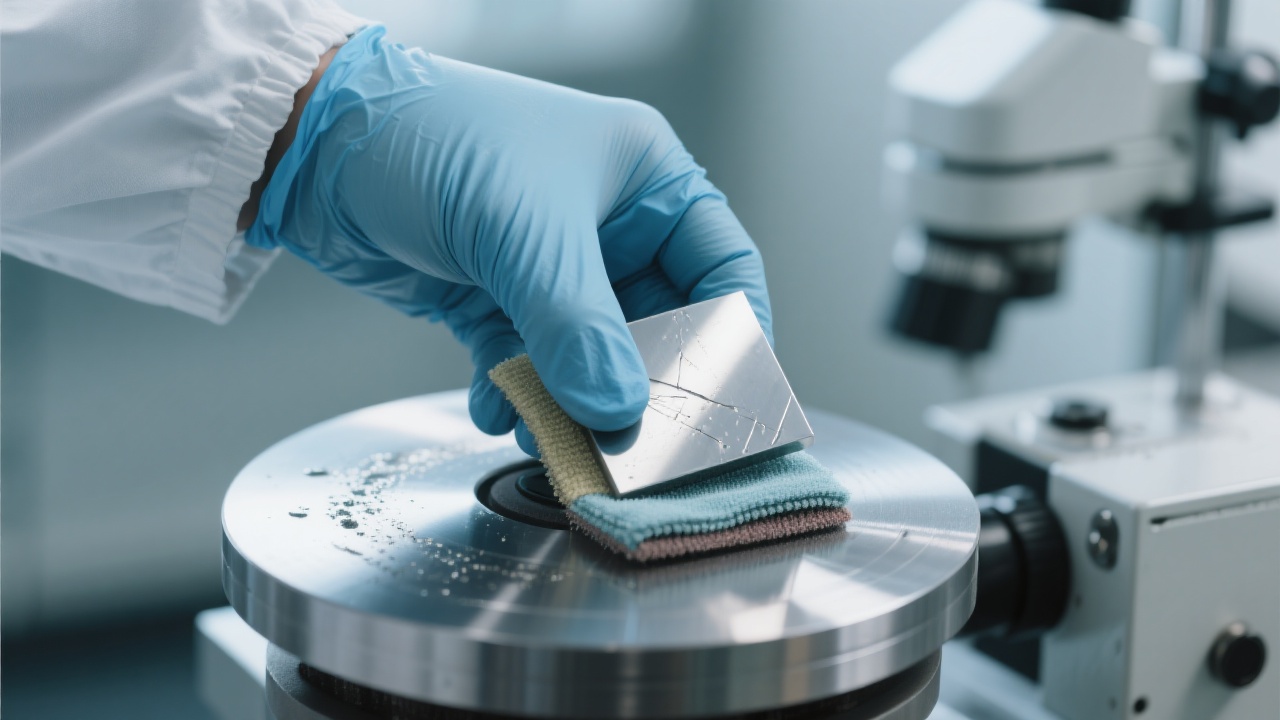
Manufacturers endorsing high-strength fiberglass housings demonstrate commitment to innovation, longevity, and compliance. Sharing maintenance guides, case studies of successful deployments, and providing responsive technical support fosters client confidence and positions the brand as a thought leader in metallographic polishing equipment.
 Brinell hardness testing errors
indentation deformation deviation
hardness testing standards compliance
metal hardness measurement
GB/T 231.2 standard
high-precision cutting machine
metallographic sample cutting
laboratory sample preparation
metal specimen cutting
industrial quality inspection equipment
microhardness tester built-in calculator
automatic indentation recognition
hardness value conversion
multi-point averaging calculation
metal hardness testing efficiency
metallographic equipment maintenance
FRP enclosure corrosion protection
grinder-polisher保养技巧
laboratory equipment longevity
metallography sample preparation
Metallographic grinder - polisher operation guide
Automatic grinding and polishing machine usage skills
Sample preparation process optimization
Metallographic sample polishing consistency improvement methods
Grinding and polishing equipment daily maintenance checklist
Brinell hardness testing errors
indentation deformation deviation
hardness testing standards compliance
metal hardness measurement
GB/T 231.2 standard
high-precision cutting machine
metallographic sample cutting
laboratory sample preparation
metal specimen cutting
industrial quality inspection equipment
microhardness tester built-in calculator
automatic indentation recognition
hardness value conversion
multi-point averaging calculation
metal hardness testing efficiency
metallographic equipment maintenance
FRP enclosure corrosion protection
grinder-polisher保养技巧
laboratory equipment longevity
metallography sample preparation
Metallographic grinder - polisher operation guide
Automatic grinding and polishing machine usage skills
Sample preparation process optimization
Metallographic sample polishing consistency improvement methods
Grinding and polishing equipment daily maintenance checklist



Hardness_TesterHV-50A-1.png?x-oss-process=image/resize,h_800,m_lfit/format,webp)

