
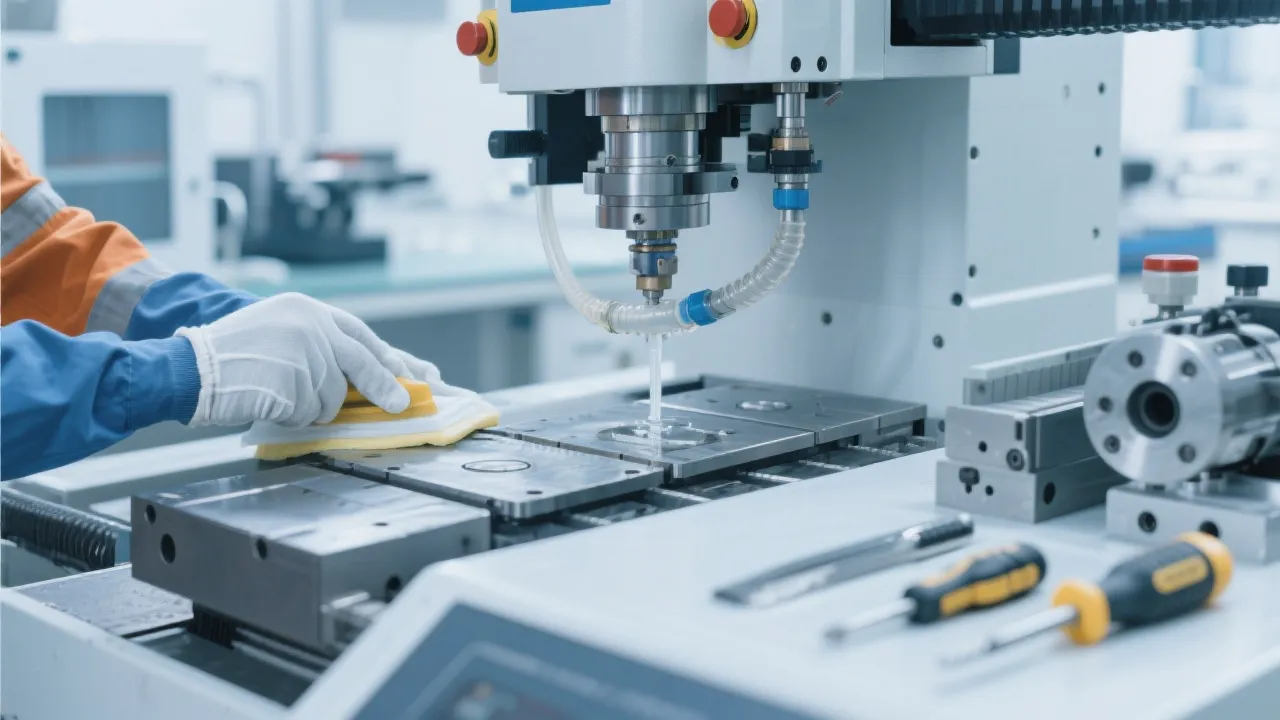
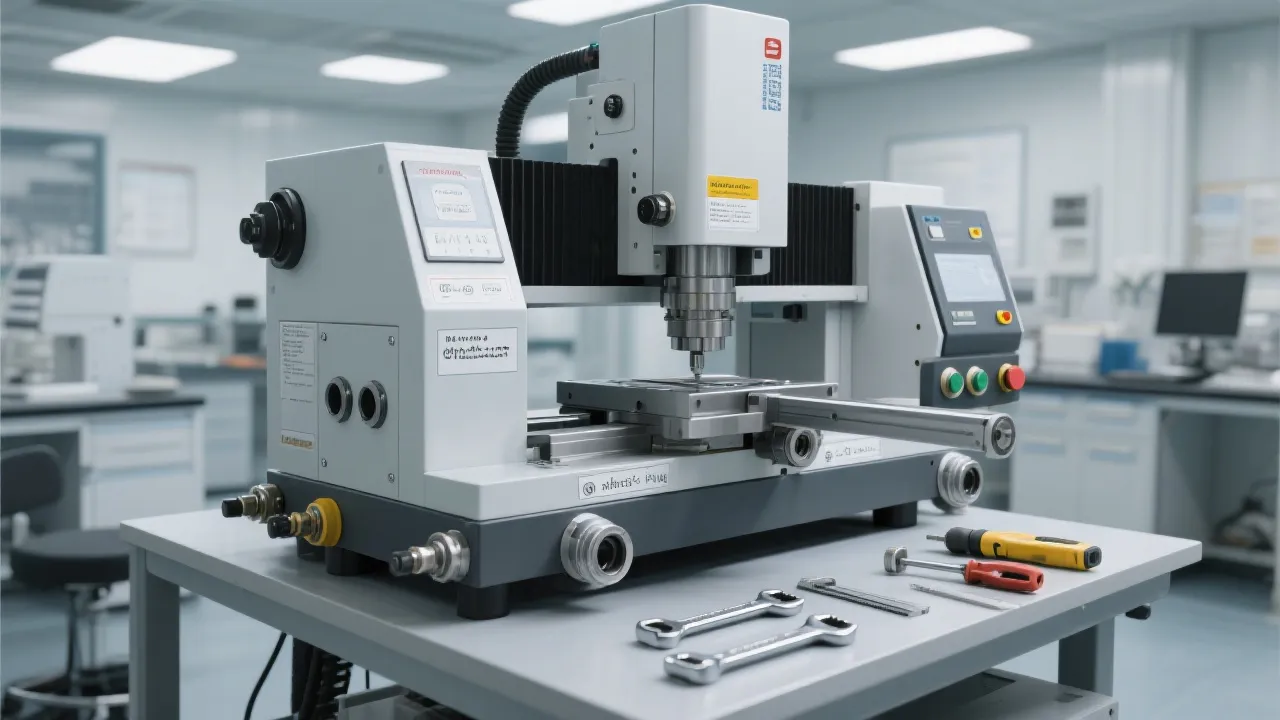
Maintaining the long-term stable operation of the ZXQ-4 automatic hot mounting press is crucial for laboratories aiming to ensure the consistency of sample preparation and compliance with international standards. This article delves into the key aspects of daily maintenance and performance calibration of the hot mounting press, focusing on practical technical details.
1. Mold Cleaning: Regular mold cleaning is essential for the proper functioning of the hot mounting press. It is recommended to clean the mold after every 10 - 15 uses. Use a soft brush and a mild cleaning agent to remove any residue from the mold surface. This helps to prevent contamination of samples and ensures the quality of the mounting process.
2. Temperature Control Sensor Calibration: The temperature control sensor is a critical component of the hot mounting press. Calibrate the sensor at least once every three months to ensure accurate temperature readings. The calibration process involves comparing the sensor readings with a known standard and adjusting the sensor settings accordingly. This helps to maintain the temperature uniformity inside the mounting chamber.
3. Water Cooling System Maintenance: The water cooling system plays a vital role in preventing overheating of the hot mounting press. To prevent scale buildup in the water cooling system, add a descaling agent to the water every six months. Regularly check the water level and the flow rate to ensure proper cooling. A well-maintained water cooling system helps to extend the lifespan of the equipment.
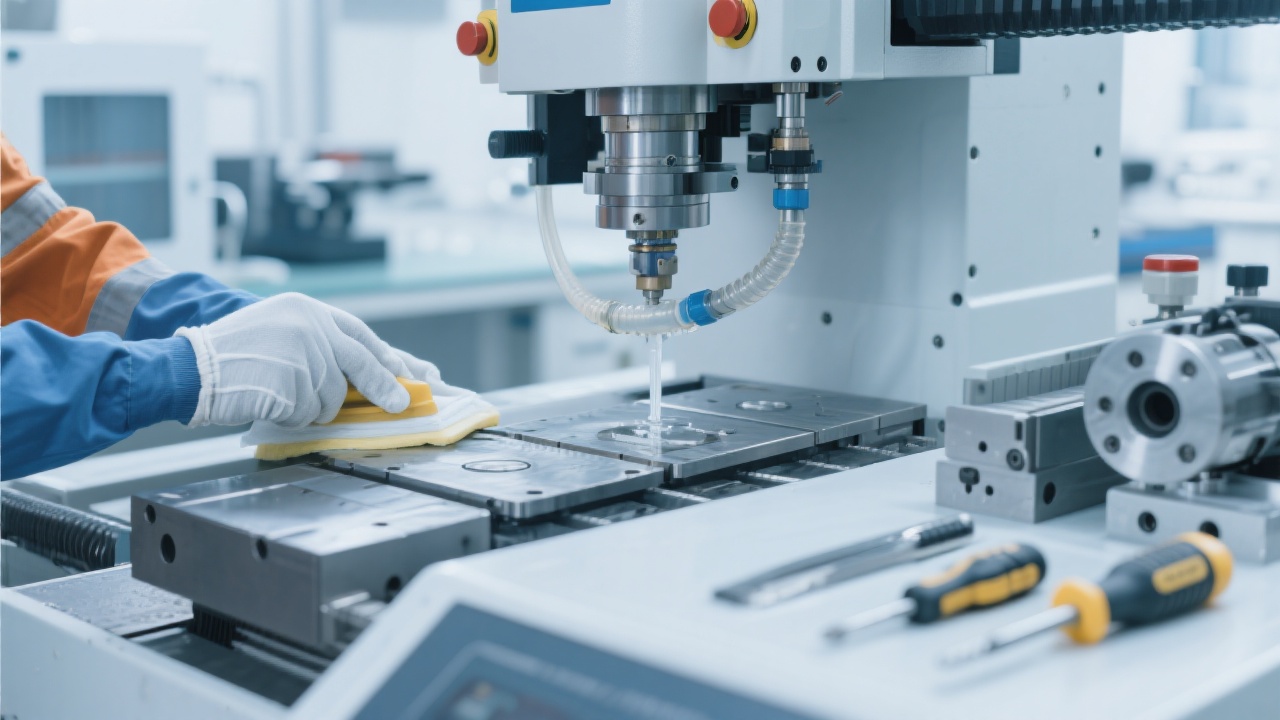
Temperature uniformity testing is a key factor in ensuring the long-term stability of the ZXQ-4 automatic hot mounting press. The temperature uniformity test involves measuring the temperature at multiple points inside the mounting chamber to ensure that the temperature is evenly distributed. Standards such as ASTM E2554 provide guidelines for conducting temperature uniformity tests. By following these standards, laboratories can ensure that the hot mounting press operates within the specified temperature range, which is crucial for the consistency of sample preparation.
To perform a temperature uniformity test, follow these steps:
1. Heating Delay: If the hot mounting press experiences a heating delay, check the power supply and the heating element. Ensure that the power supply is stable and that the heating element is functioning properly. If the problem persists, it may be necessary to replace the heating element.
2. Pressing Mold Jamming: In case of pressing mold jamming, first, turn off the power and release the pressure. Then, check for any foreign objects or debris in the mold. Clean the mold thoroughly and lubricate the moving parts if necessary. If the problem still exists, contact the manufacturer for further assistance.
Q: Can I use any cleaning agent to clean the mold?
A: No, it is recommended to use a mild cleaning agent specifically designed for the mold material. Harsh chemicals may damage the mold surface.
Q: How often should I replace the temperature control sensor?
A: The temperature control sensor should be replaced if it fails the calibration test or shows signs of malfunction. Generally, it is a good practice to replace the sensor every 1 - 2 years.
Q: What should I do if the water cooling system leaks?
A: First, turn off the power and stop the water supply. Check the water pipes and connections for any leaks. Tighten the connections or replace the damaged pipes if necessary. If the problem persists, contact a professional technician.
By following the maintenance and calibration procedures outlined in this article, laboratory administrators and technicians can ensure the long-term stable operation of the ZXQ-4 automatic hot mounting press. Temperature uniformity testing is a crucial step in maintaining the performance of the equipment and ensuring the quality of sample preparation. Regular maintenance and timely troubleshooting can significantly extend the lifespan of the hot mounting press and improve the reliability of experimental data.
Do you have any experiences with temperature fluctuations causing sample deformation? Leave a message and share your experiences with us!
 tear strength testing
incorrect clamping
textile mechanical properties
ASTM D1424
ISO 13934-1
automatic hot mounting machine maintenance
mold cleaning frequency
temperature sensor calibration
water cooling system descaling
equipment performance testing
high-precision metallographic cut-off machine
metallographic cutting techniques
sample preparation equipment maintenance
ASTM metallographic standards
ISO certified metallographic equipment
microhardness tester built-in calculator
automatic indentation recognition
hardness value conversion
multi-point averaging calculation
metal hardness testing efficiency
Metallographic grinding and polishing machine
MP-1B performance
Metal material grinding solutions
Laboratory equipment selection
Metallographic sample preparation technology
tear strength testing
incorrect clamping
textile mechanical properties
ASTM D1424
ISO 13934-1
automatic hot mounting machine maintenance
mold cleaning frequency
temperature sensor calibration
water cooling system descaling
equipment performance testing
high-precision metallographic cut-off machine
metallographic cutting techniques
sample preparation equipment maintenance
ASTM metallographic standards
ISO certified metallographic equipment
microhardness tester built-in calculator
automatic indentation recognition
hardness value conversion
multi-point averaging calculation
metal hardness testing efficiency
Metallographic grinding and polishing machine
MP-1B performance
Metal material grinding solutions
Laboratory equipment selection
Metallographic sample preparation technology



Hardness-Tester7MHVS-1000A-1.jpg?x-oss-process=image/resize,h_800,m_lfit/format,webp)
Hardness_TesterHV-50A-1.png?x-oss-process=image/resize,h_800,m_lfit/format,webp)
