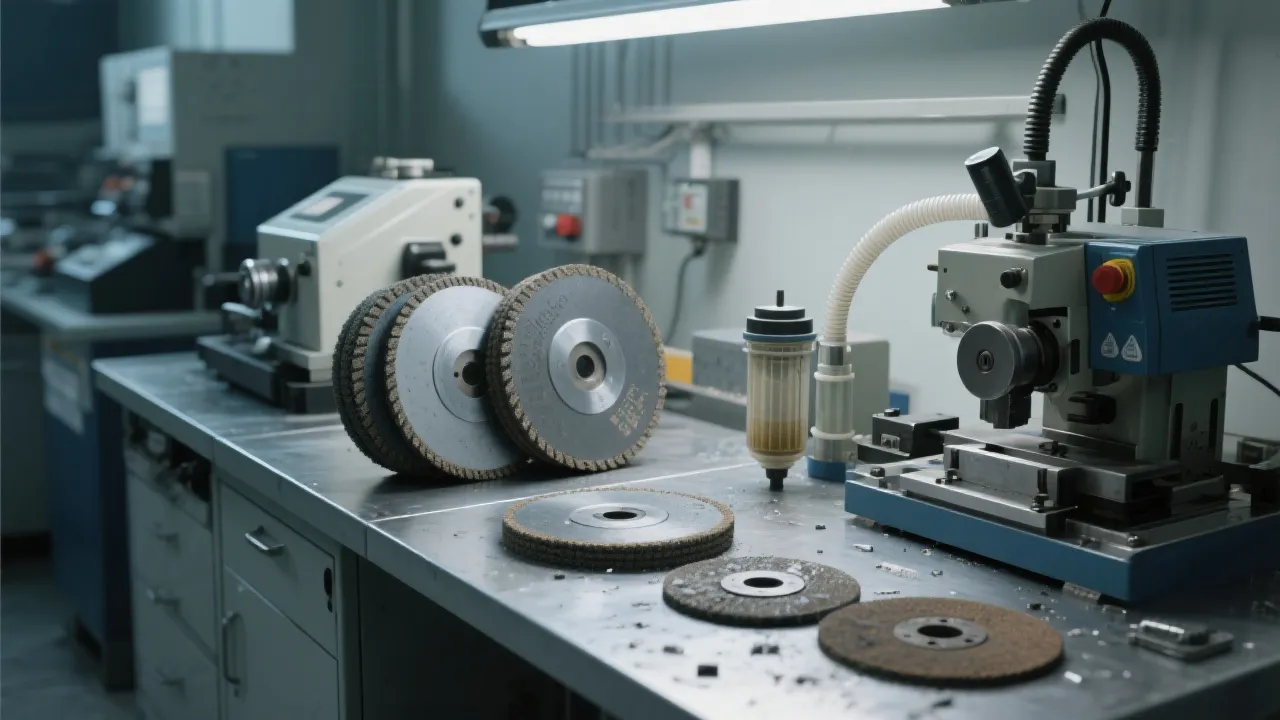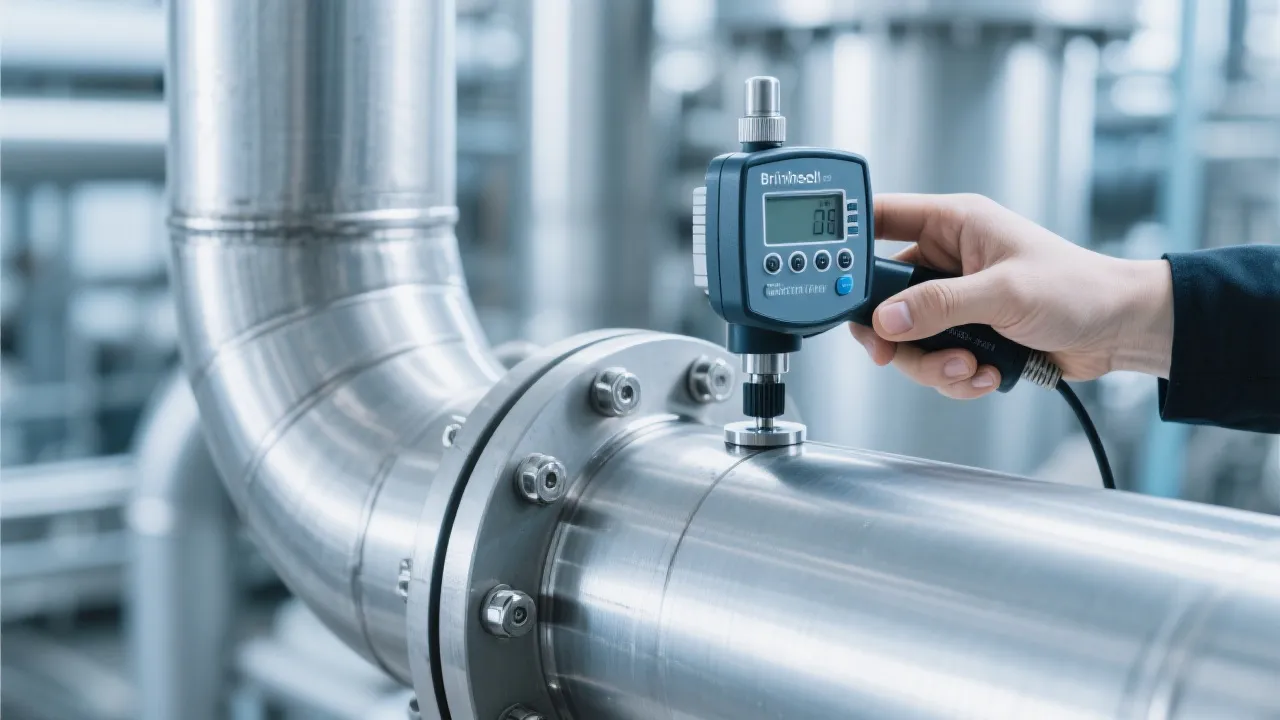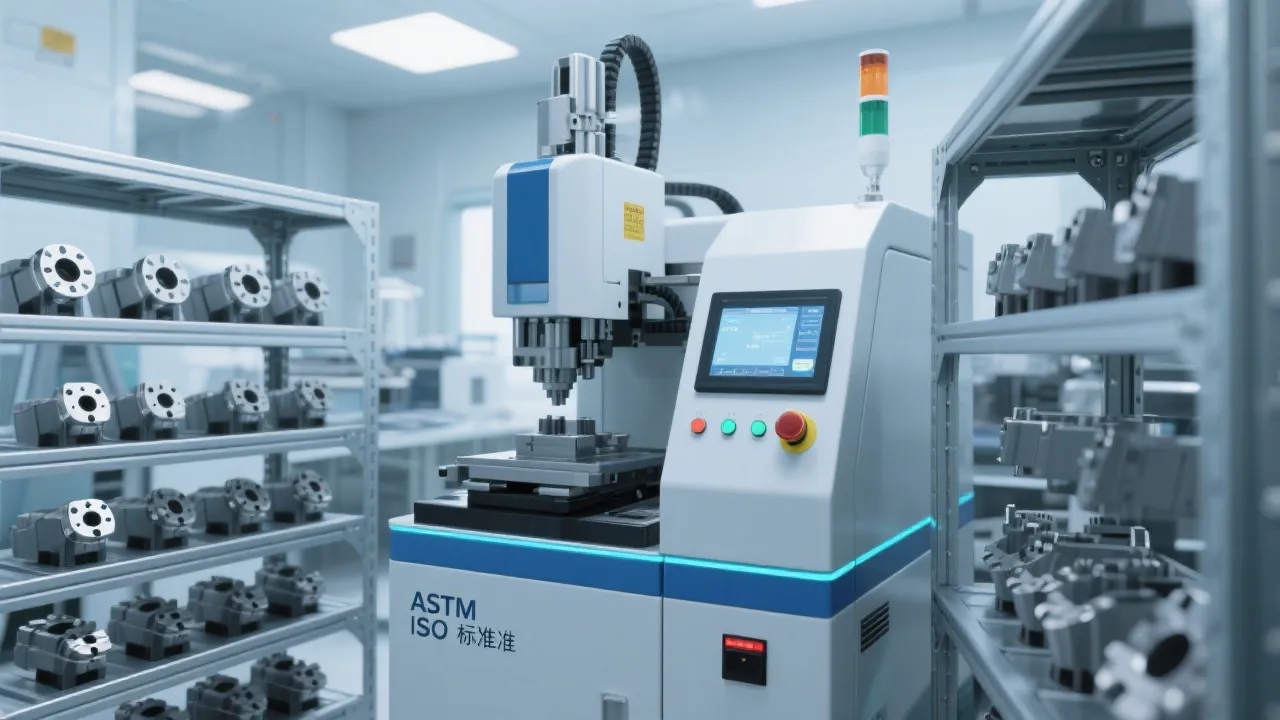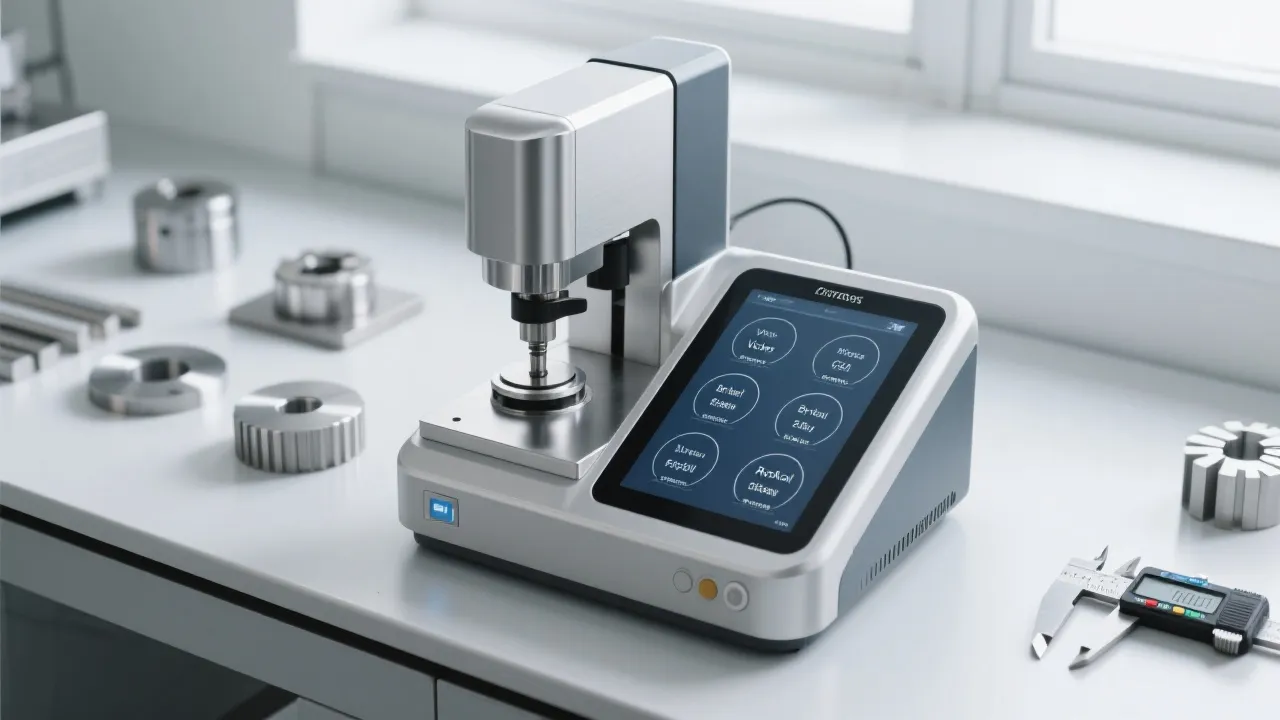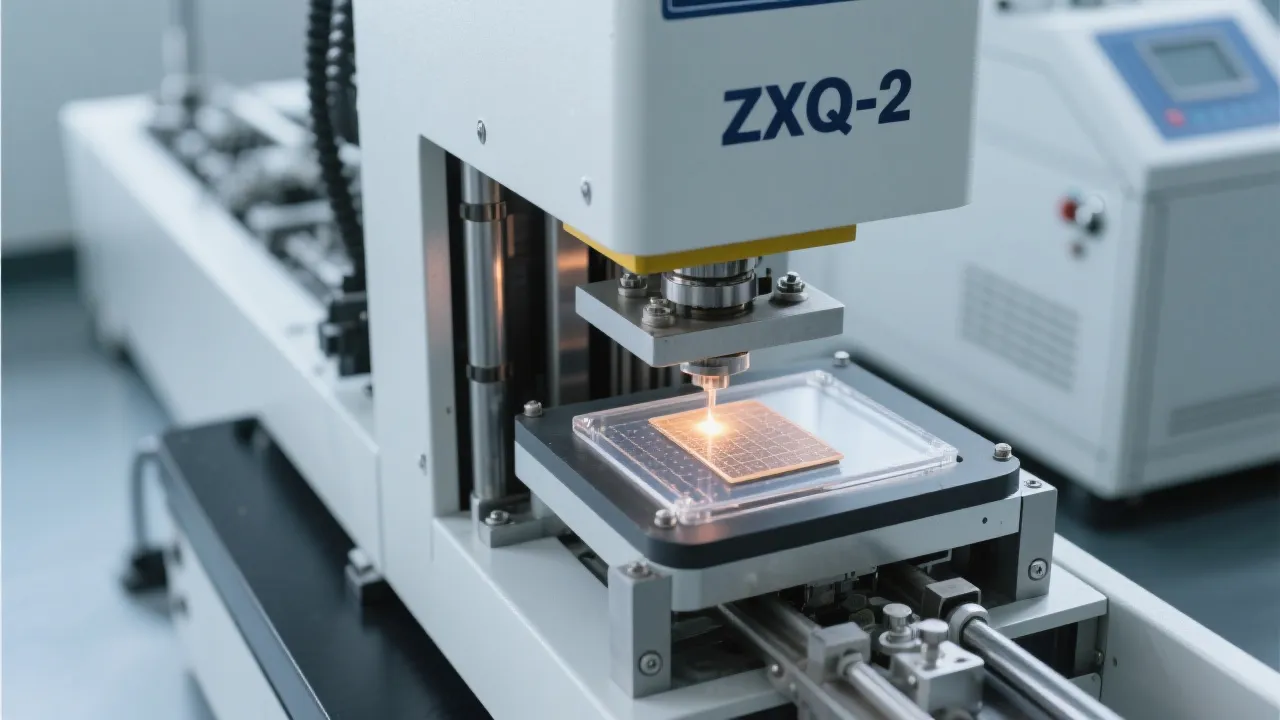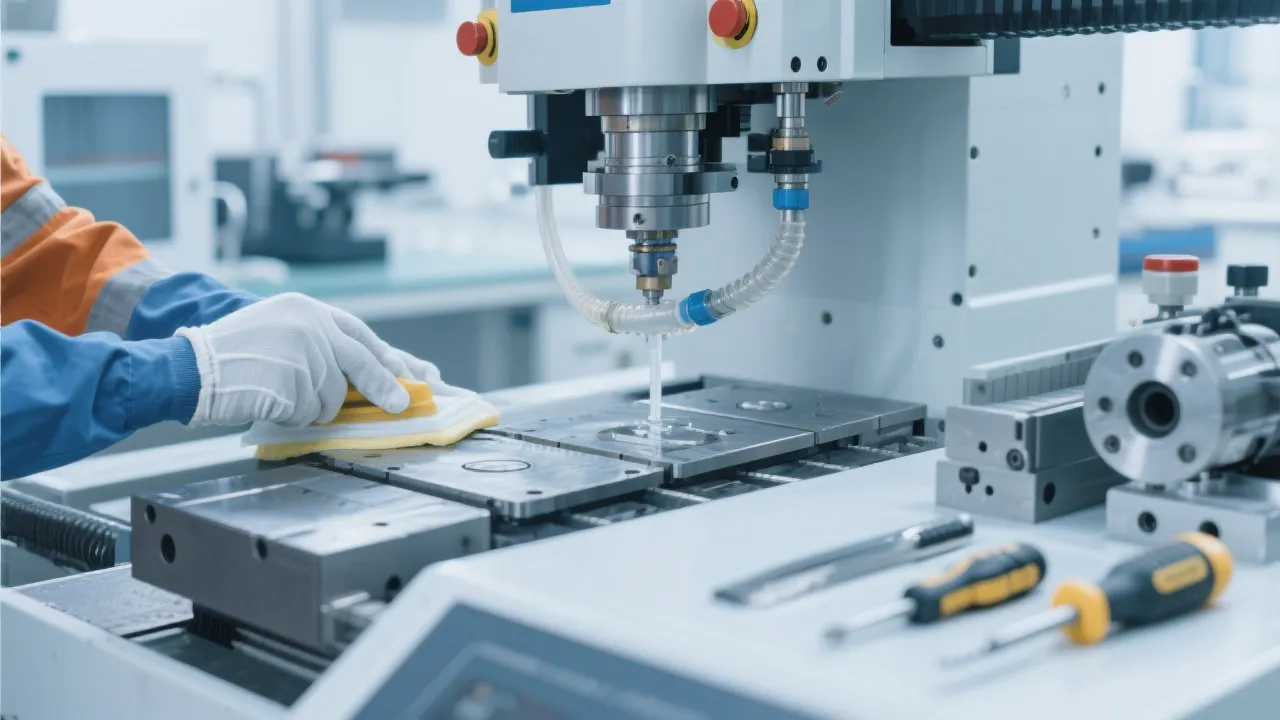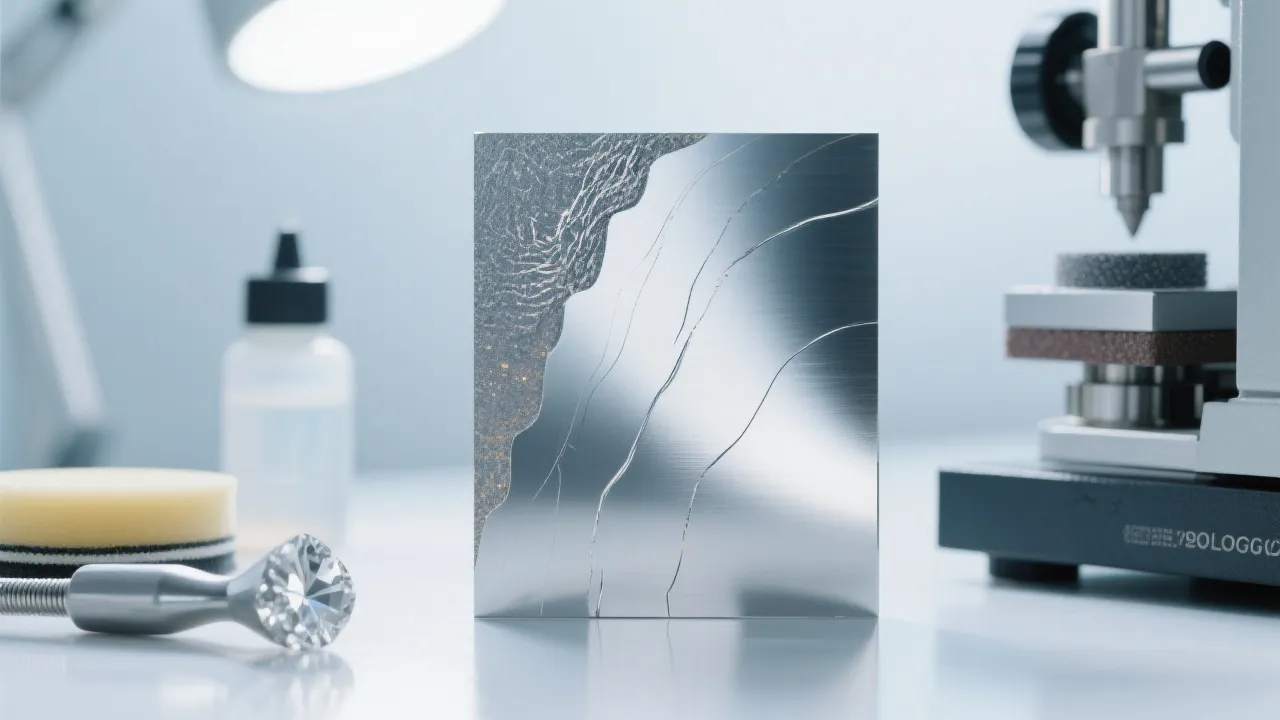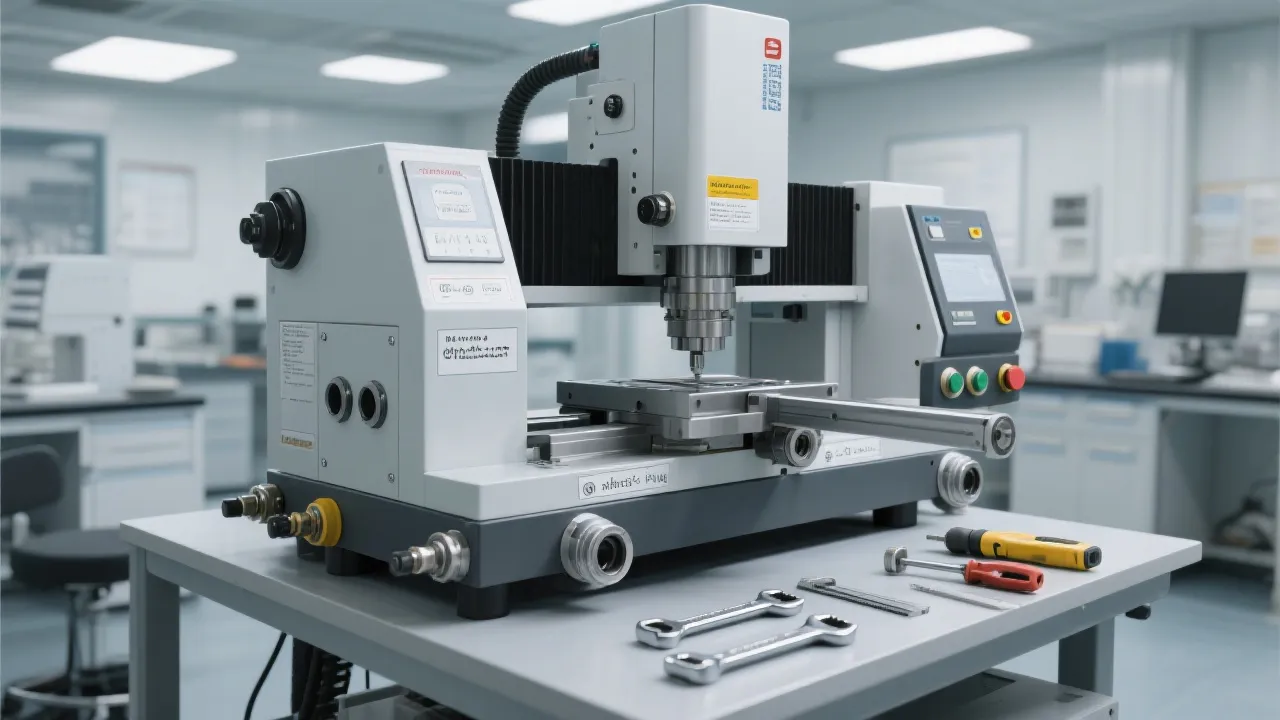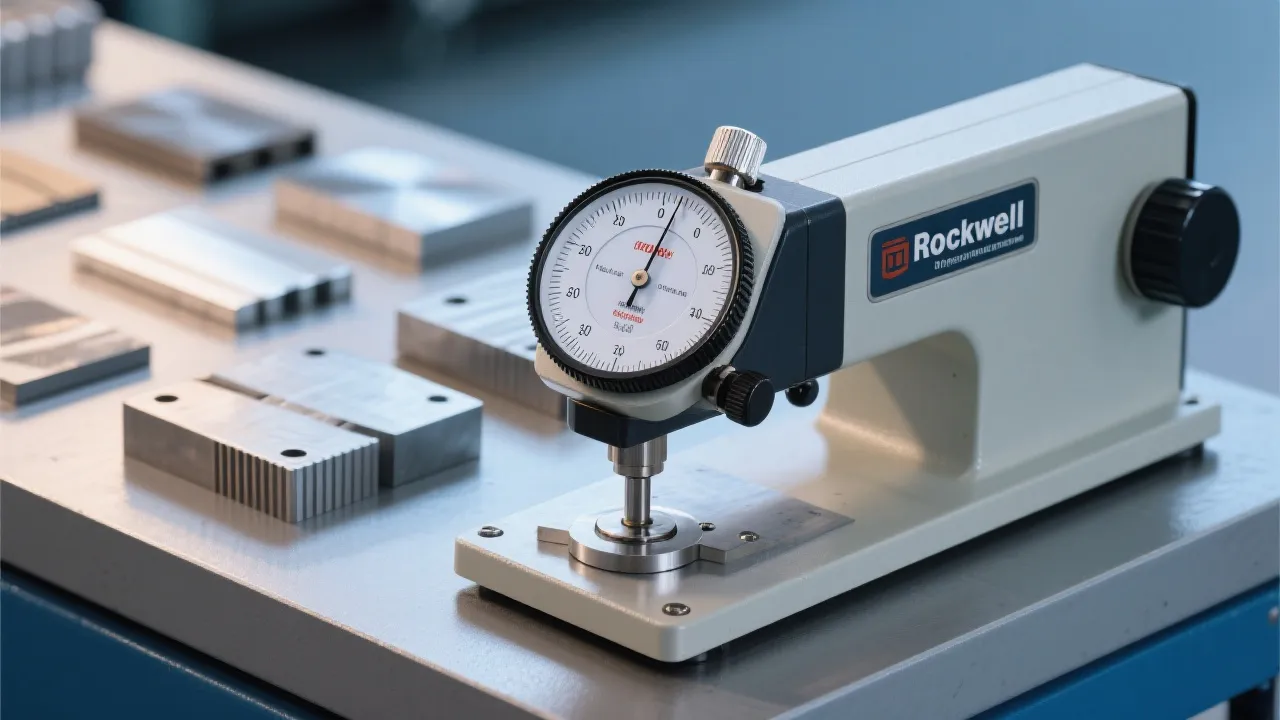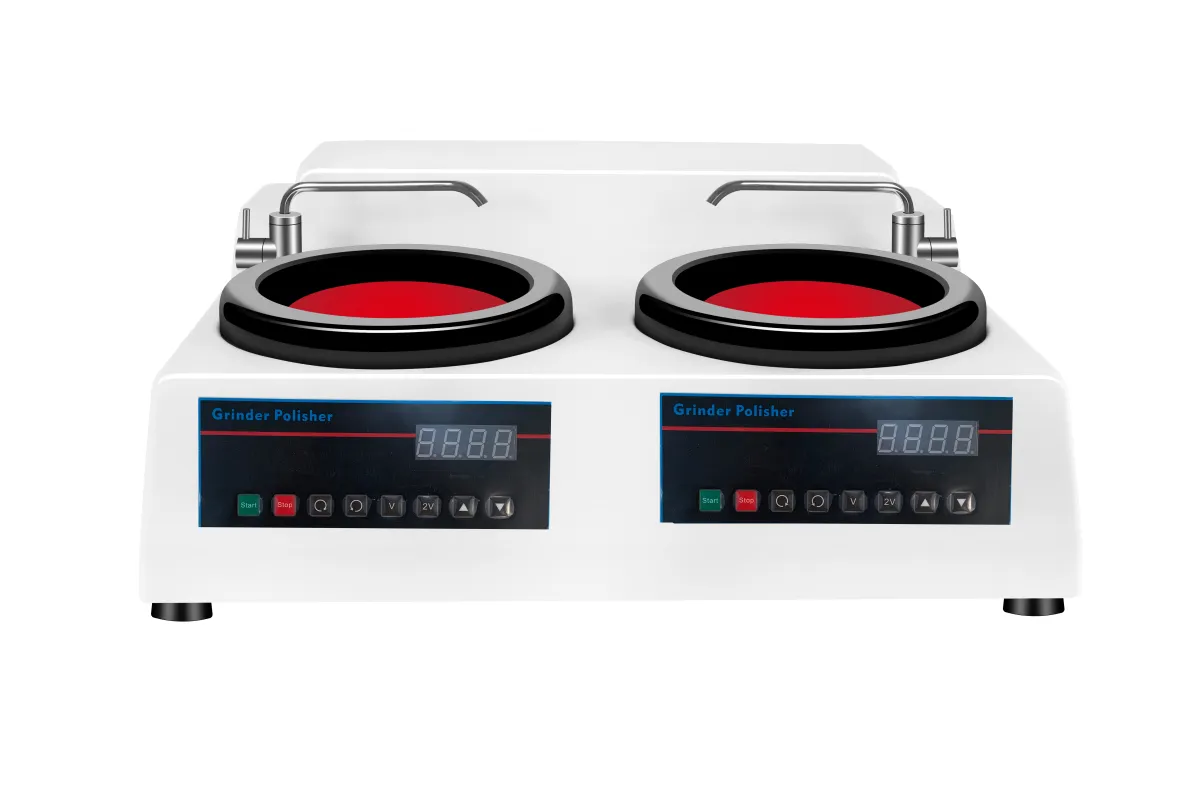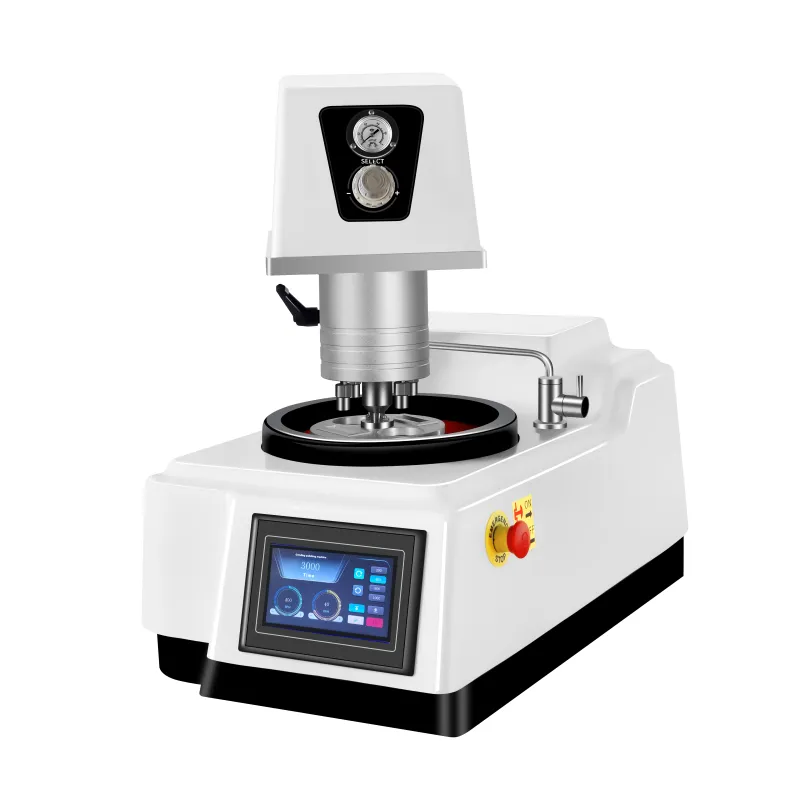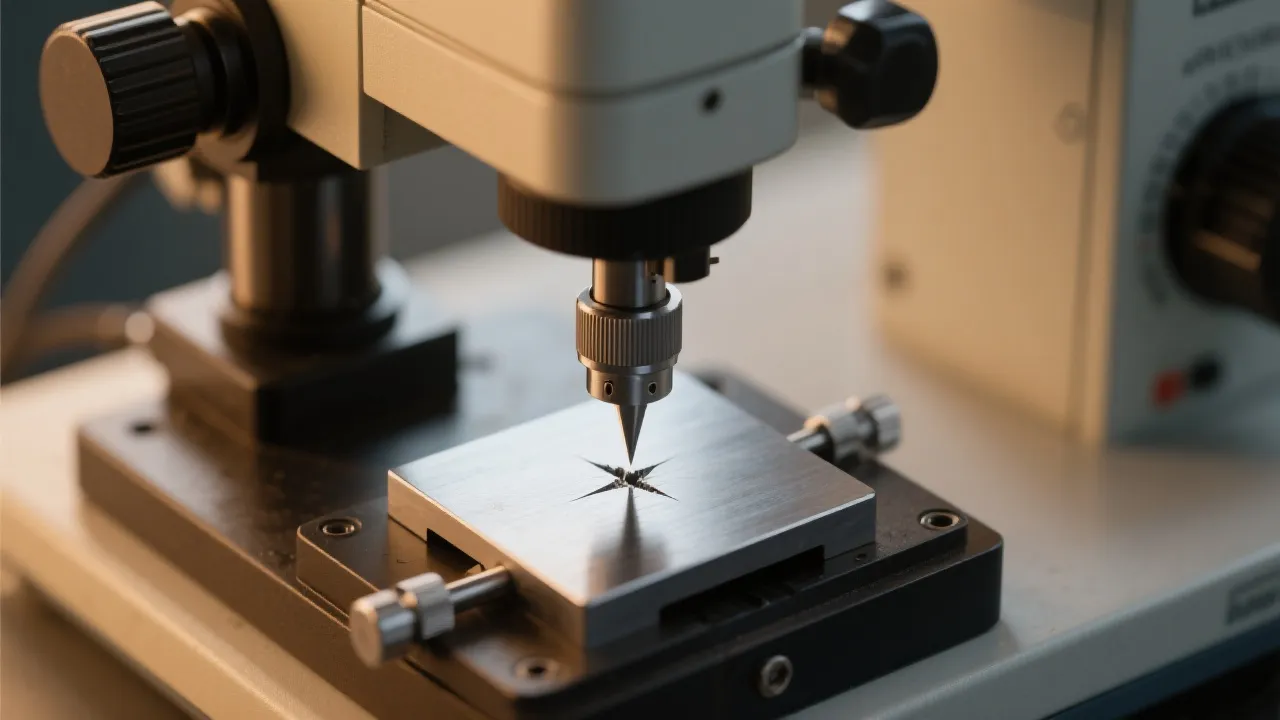
If you're responsible for metallographic sample preparation in a lab or QA department, time and energy efficiency are critical—not just for productivity, but also for consistency across batches. The LMP-3 Automatic Polishing Machine is engineered to help labs reduce manual effort by up to 40% while maintaining high reproducibility across diverse materials—from hardened steel to aluminum alloys.
With a user-friendly 7-inch LCD interface, setting parameters takes under 90 seconds—even for new operators. No more guesswork. The machine comes preloaded with optimized settings for common materials:
| Material Type | Recommended RPM | Polishing Time (min) | Pressure Setting |
|---|---|---|---|
| Carbon Steel | 120 rpm | 6–8 min | 2.5 kg |
| Aluminum Alloy | 80 rpm | 5–7 min | 1.5 kg |
| Copper | 100 rpm | 4–6 min | 2.0 kg |
These presets ensure consistent results—whether it’s your third batch of the day or your first. And if you’re processing multiple samples at once, the LMP-3 supports up to 6 simultaneous setups without compromising quality.
Pro Tip: Use the “Batch Mode” feature to queue different materials in one run. This reduces idle time between cycles by ~25%, saving both labor and electricity costs over time.
The LMP-3 uses only 350W during active polishing—less than most desktop computers. Compared to older models that consume 600–800W, this means a potential annual savings of $120–$180 per unit in power bills (assuming 8 hours/day, 5 days/week).
But it’s not just about watts—it’s about smart operation. The machine automatically enters standby mode after 10 minutes of inactivity, further reducing unnecessary consumption. For labs running multiple shifts, this adds up fast.
Want to know if your current workflow aligns with best practices? Take our 2-minute quiz: “Is Your Lab Using Energy-Efficient Polishing Techniques?” Share your answers in the comments below—we’ll send personalized tips based on your responses.
Real-world impact: A European automotive testing facility reported a 30% increase in daily throughput after switching to LMP-3—with no additional staff. They now process 20+ samples per shift instead of 14.
Daily checks take less than 5 minutes. Here’s what to do weekly:
Following these steps can extend the lifespan of your LMP-3 beyond 8 years—well beyond the industry average of 5–6 years.
Download our free PDF guide: "5 Pro Tips for Efficient Metallography with LMP-3"
Click here to get the PDF Metallographic grinding and polishing machine operation guide
Automatic grinding and polishing machine usage tips
Sample preparation process optimization
Grinding and polishing equipment maintenance
Multiple sample processing methods
high-precision metallographic cut-off machine
metallographic cutting techniques
sample preparation equipment maintenance
ASTM metallographic standards
ISO certified metallographic equipment
microhardness tester built-in calculator
automatic indentation recognition
hardness value conversion
multi-point averaging calculation
metal hardness testing efficiency
metallographic equipment maintenance
FRP enclosure corrosion protection
grinder-polisher保养技巧
laboratory equipment longevity
metallography sample preparation
Metallographic grinding and polishing machine
MP-1B performance
Metal material grinding solutions
Laboratory equipment selection
Metallographic sample preparation technology
Metallographic grinding and polishing machine operation guide
Automatic grinding and polishing machine usage tips
Sample preparation process optimization
Grinding and polishing equipment maintenance
Multiple sample processing methods
high-precision metallographic cut-off machine
metallographic cutting techniques
sample preparation equipment maintenance
ASTM metallographic standards
ISO certified metallographic equipment
microhardness tester built-in calculator
automatic indentation recognition
hardness value conversion
multi-point averaging calculation
metal hardness testing efficiency
metallographic equipment maintenance
FRP enclosure corrosion protection
grinder-polisher保养技巧
laboratory equipment longevity
metallography sample preparation
Metallographic grinding and polishing machine
MP-1B performance
Metal material grinding solutions
Laboratory equipment selection
Metallographic sample preparation technology