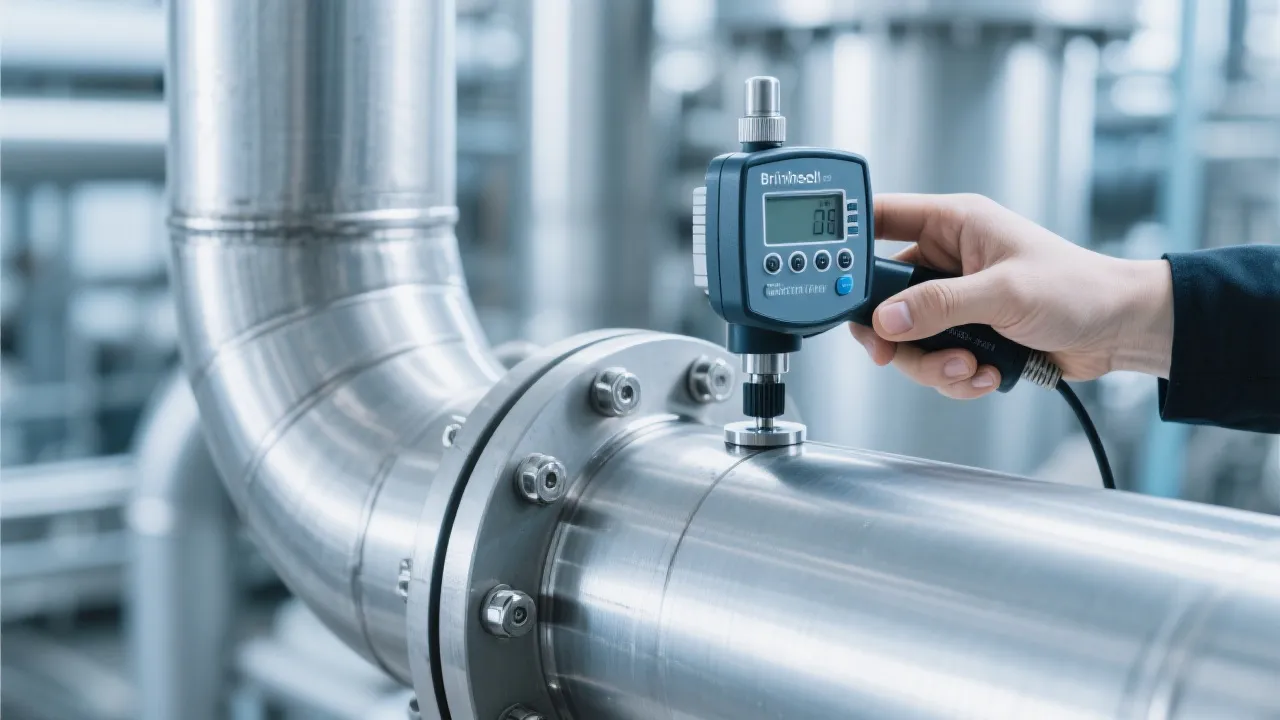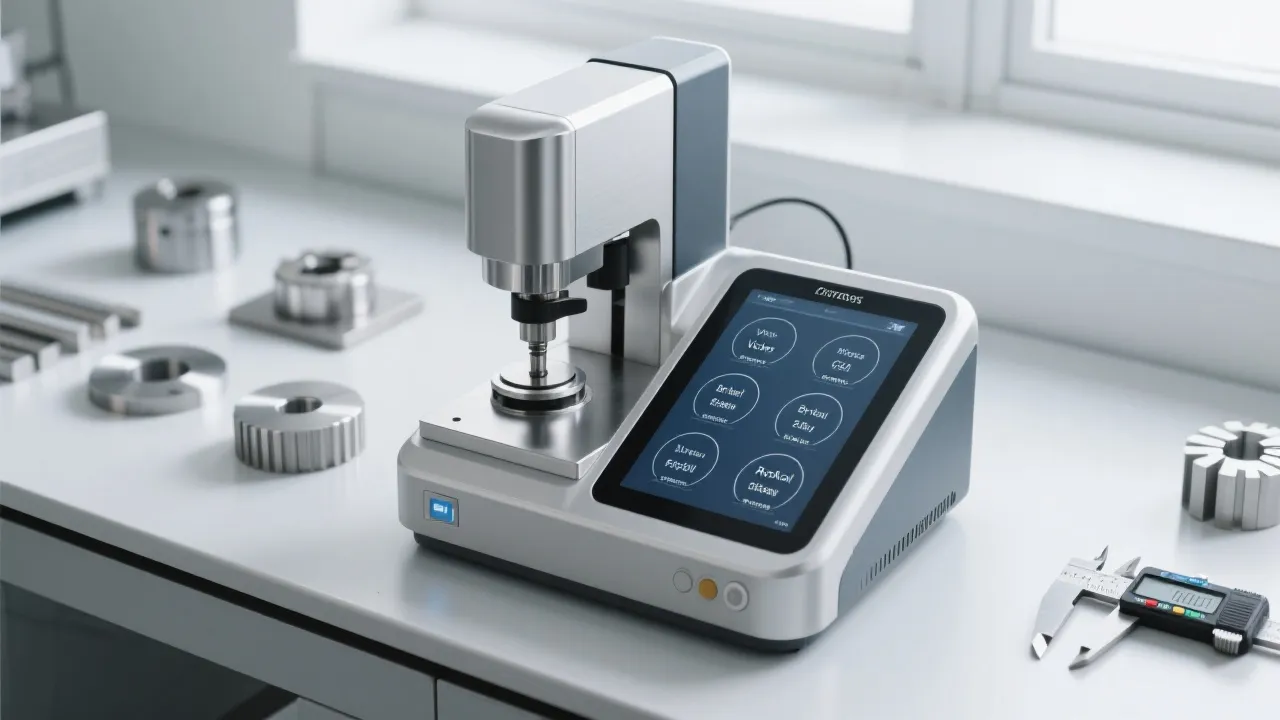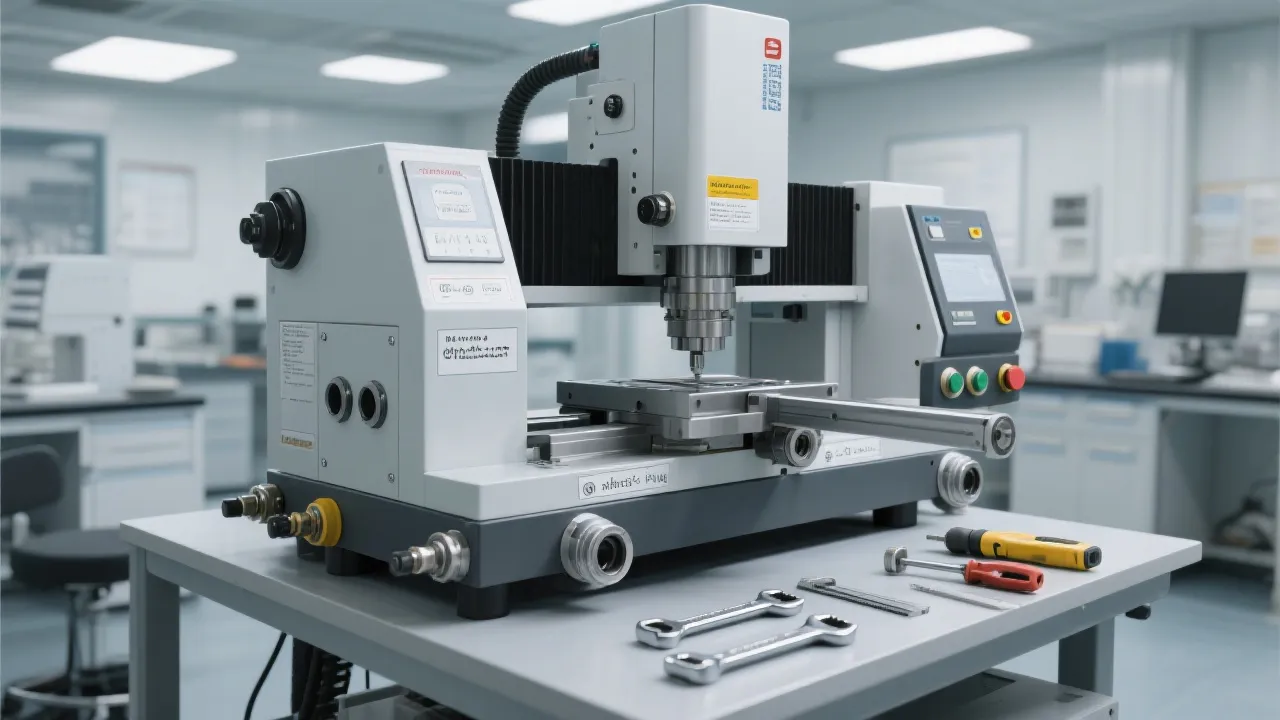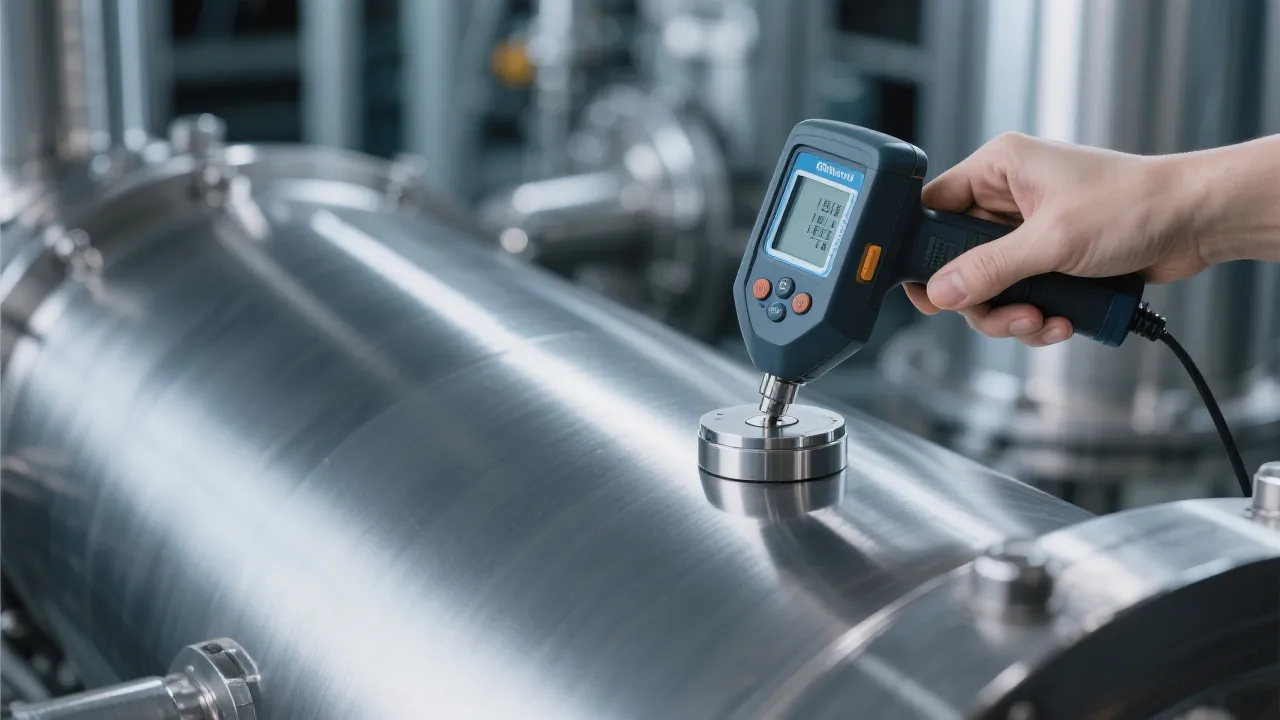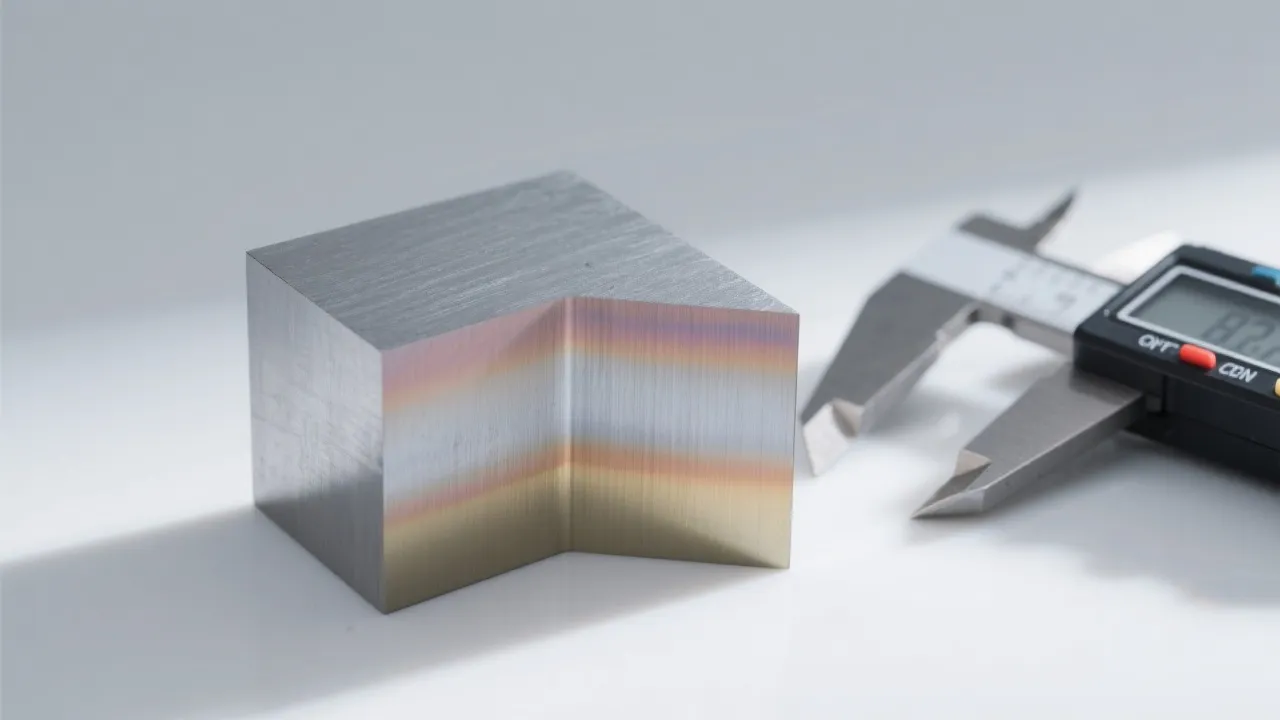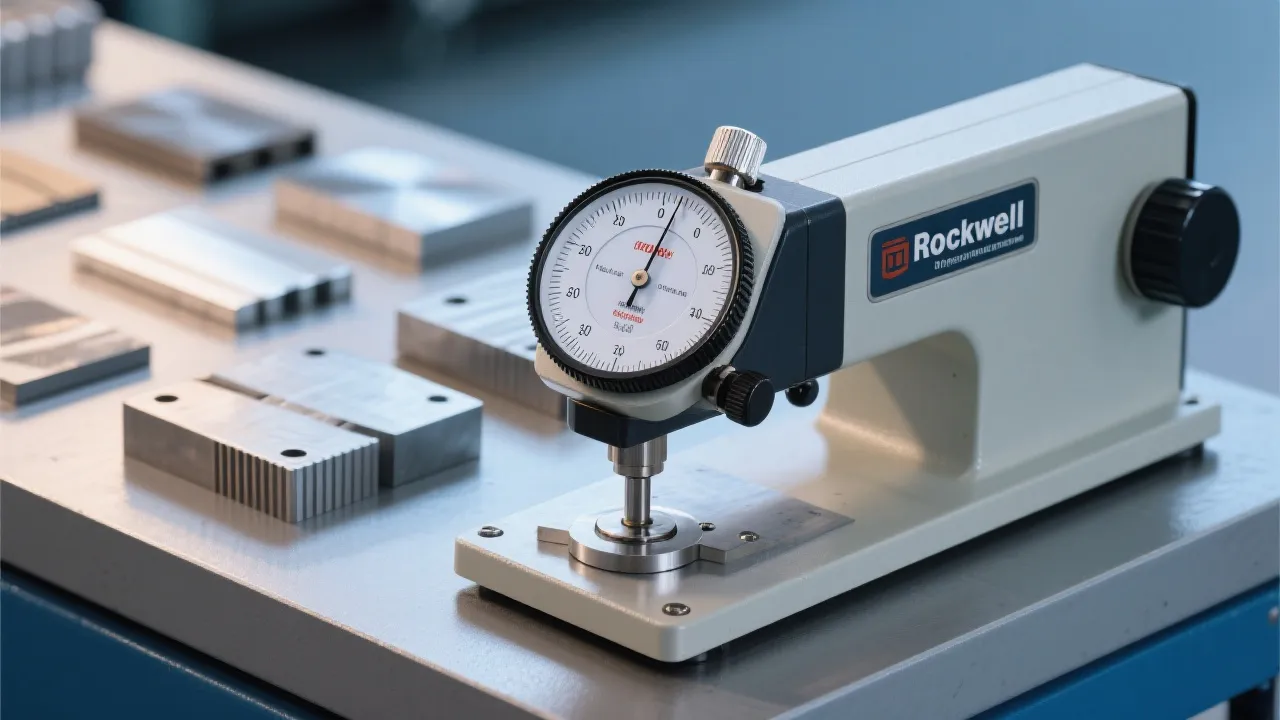
Imagine this: you run three Brinell hardness tests on the same batch of steel parts, expecting consistent results—but your readings vary by 15–20%. One customer questions your quality control. Another demands a retest. This isn’t just an inconvenience—it’s a compliance risk.
In our experience across 40+ manufacturing facilities in Europe, North America, and Asia, over 90% of such inconsistencies stem from uncontrolled environmental conditions—not faulty equipment or operator error.
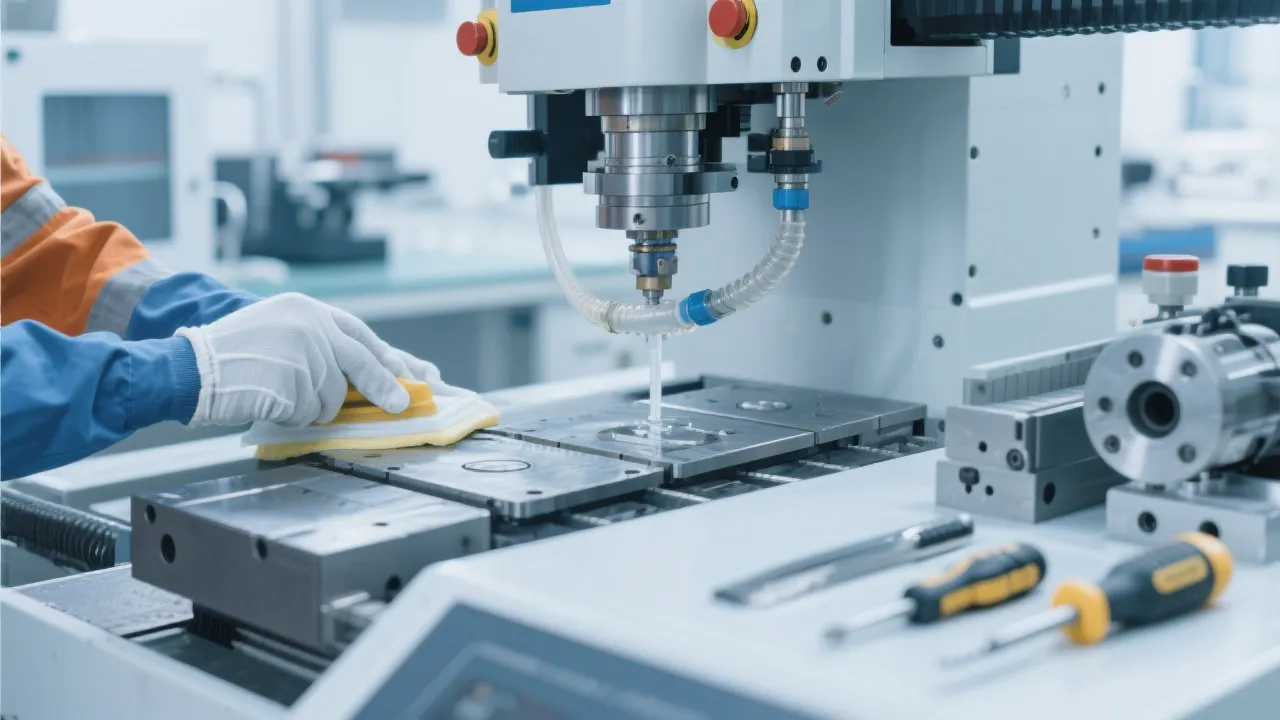
Temperature changes affect materials at the microstructural level—especially metals like aluminum alloys and carbon steels. A 5°C rise can cause thermal expansion in both the test specimen and the indenter, altering contact area and pressure distribution. Meanwhile, humidity influences oil viscosity in hydraulic systems, leading to unstable load application during testing.
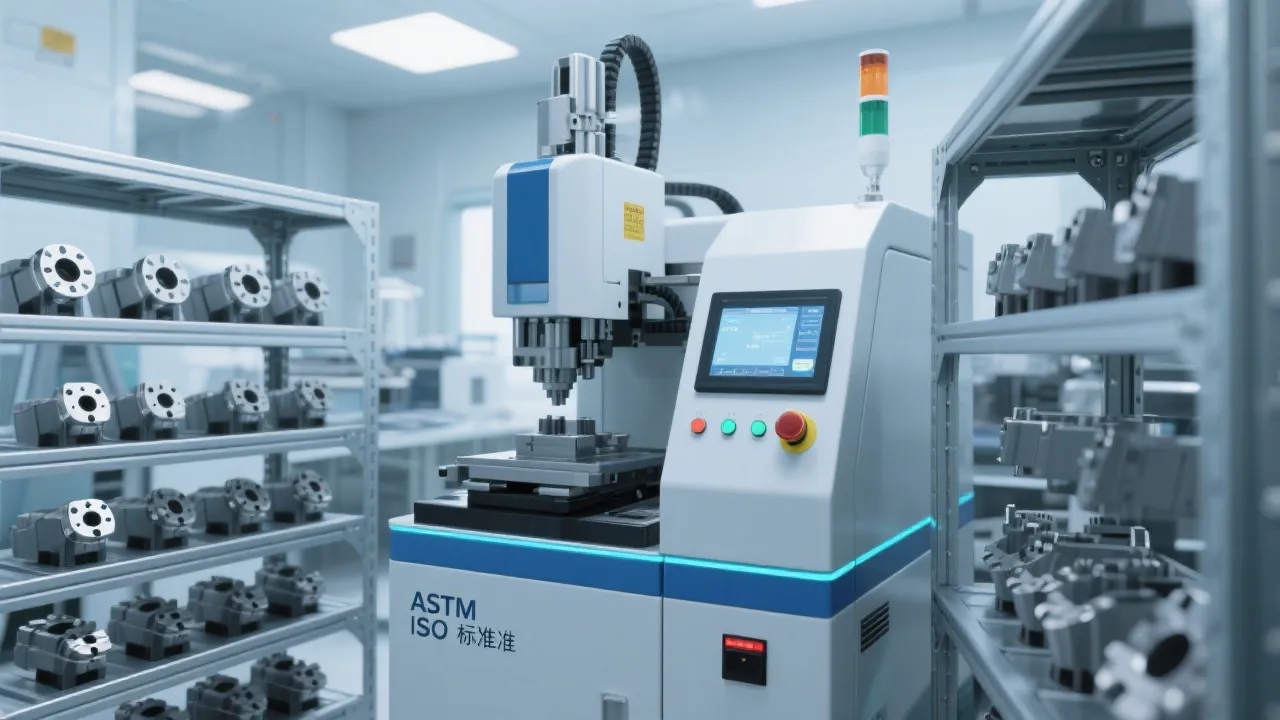
According to ISO 6506-2 and GB/T 231.2, acceptable room temperature for hardness testing must be maintained within ±5°C of 23°C (73°F). Relative humidity should stay below 75%, ideally between 45–65%. Ignoring these guidelines leads to measurable drifts—studies show up to 12% variation in hardness values when conditions exceed these ranges.
“Environmental conditions shall be recorded before and after each test series.” — ISO 6506-2, Clause 6.3
Start with small but impactful changes:
For production lines where full labs aren’t feasible, consider portable climate monitors and standardized warm-up procedures. Even basic training for operators on how temperature shifts affect results reduces variability significantly—our clients report 30–40% fewer disputes after implementing simple protocols.
Download our free Environmental Control Checklist for Brinell Testing—used by ISO-certified labs worldwide.
Get the Free PDF NowConsistency starts not with the machine—but with how well you control the environment around it. When you make the invisible visible, your data becomes trustworthy, your customers satisfied, and your processes compliant.

 tear strength testing
incorrect clamping
textile mechanical properties
ASTM D1424
ISO 13934-1
Brinell hardness testing errors
indentation deformation deviation
hardness testing standards compliance
metal hardness measurement
GB/T 231.2 standard
high-precision metallographic cut-off machine
metallographic cutting techniques
sample preparation equipment maintenance
ASTM metallographic standards
ISO certified metallographic equipment
heat embedding machine maintenance
water cooling system anti-scaling
automatic embedding machine troubleshooting
metallographic sample preparation
lab equipment calibration
Metallographic grinding and polishing machine
MP-1B performance
Metal material grinding solutions
Laboratory equipment selection
Metallographic sample preparation technology
tear strength testing
incorrect clamping
textile mechanical properties
ASTM D1424
ISO 13934-1
Brinell hardness testing errors
indentation deformation deviation
hardness testing standards compliance
metal hardness measurement
GB/T 231.2 standard
high-precision metallographic cut-off machine
metallographic cutting techniques
sample preparation equipment maintenance
ASTM metallographic standards
ISO certified metallographic equipment
heat embedding machine maintenance
water cooling system anti-scaling
automatic embedding machine troubleshooting
metallographic sample preparation
lab equipment calibration
Metallographic grinding and polishing machine
MP-1B performance
Metal material grinding solutions
Laboratory equipment selection
Metallographic sample preparation technology