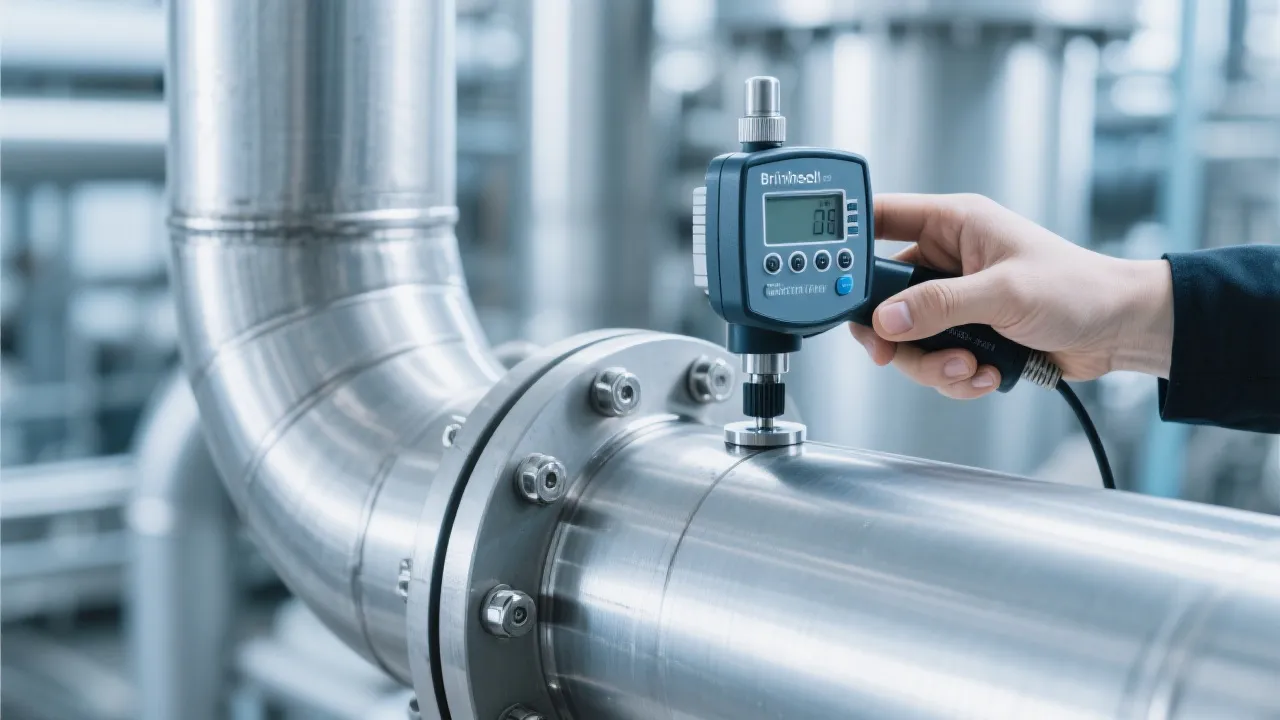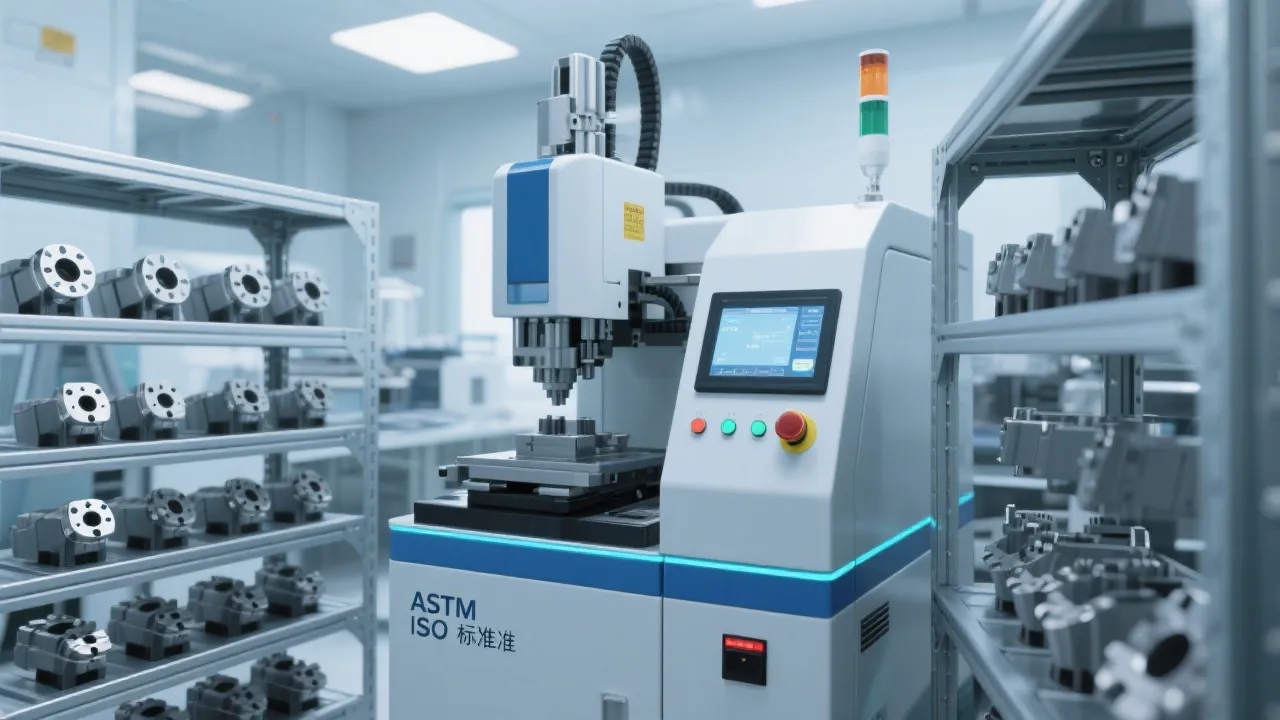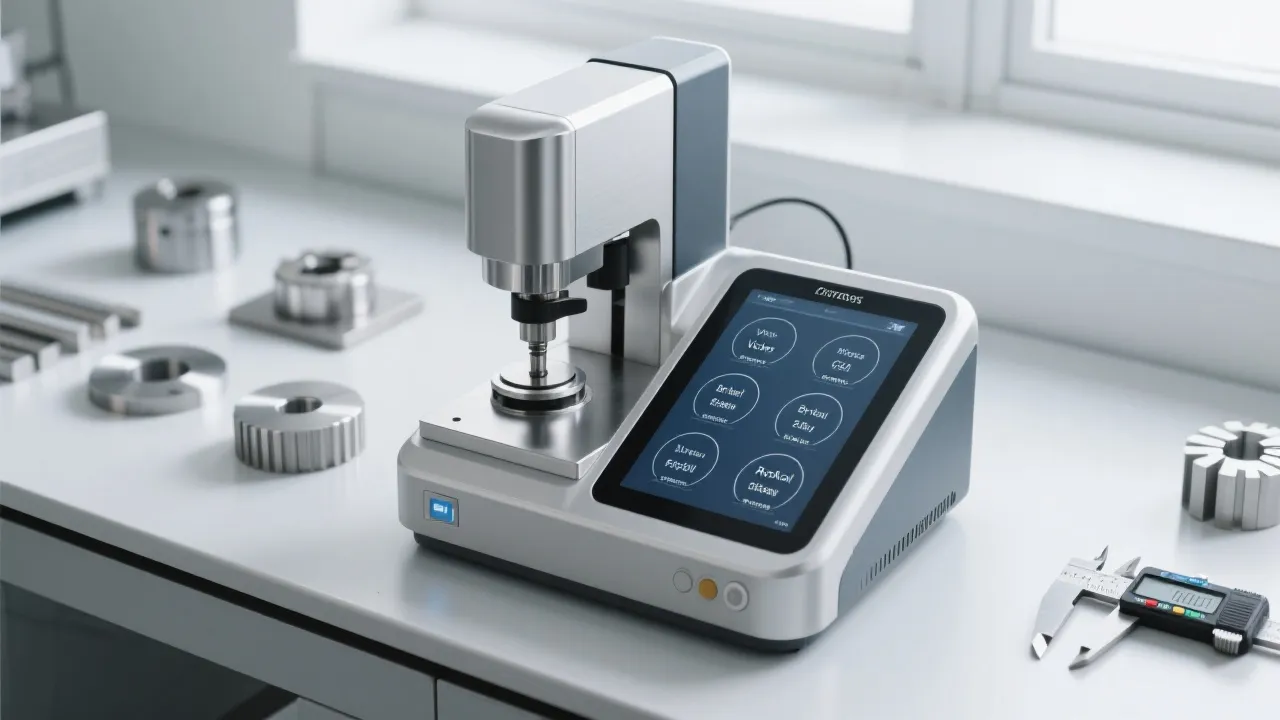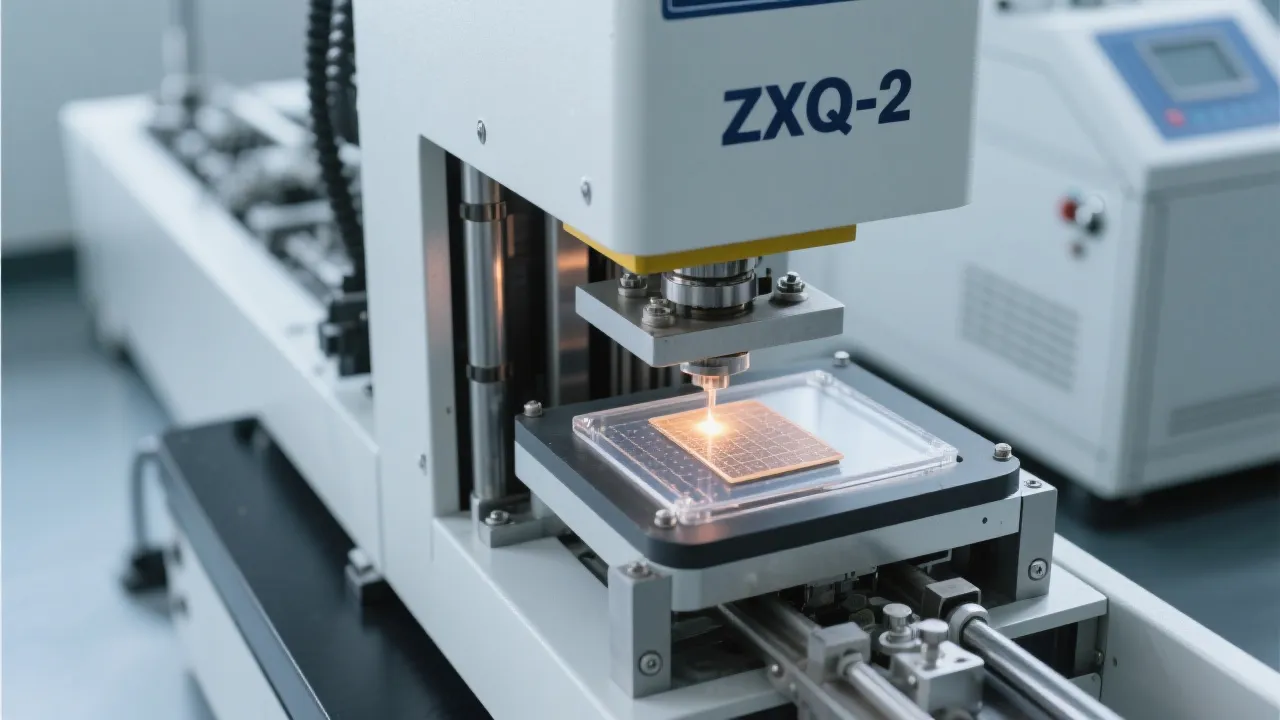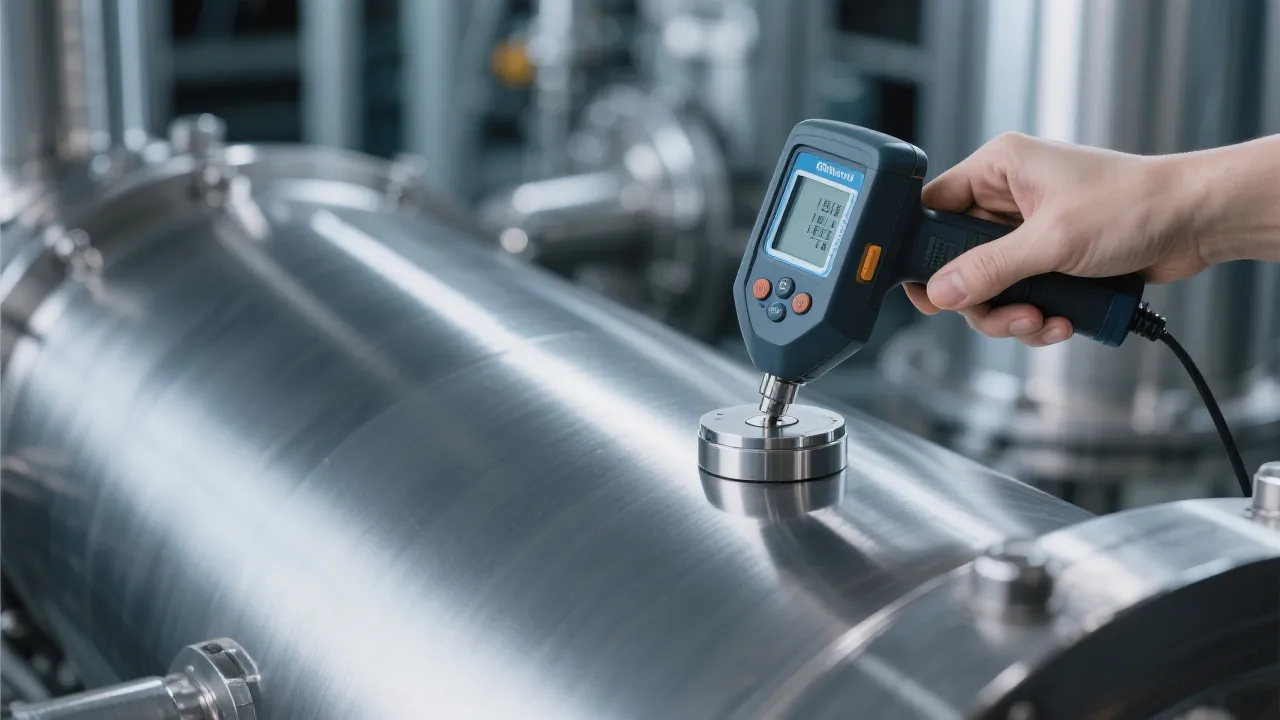
If your Brinell hardness test results consistently show higher values than expected, you’re not alone. A recent industry survey by the International Association for Materials Testing (IAMT) found that over 90% of labs miss at least one critical detail in their testing process — leading to inconsistent data and potential quality control failures.
Brinell hardness testing may seem straightforward, but accuracy hinges on three often-overlooked variables:
These aren’t just theoretical concerns — they’re real-world issues affecting tens of thousands of industrial tests annually, especially in automotive, aerospace, and construction sectors where compliance with ISO 6506, ASTM E10-12, and GB/T 231.2 is mandatory.
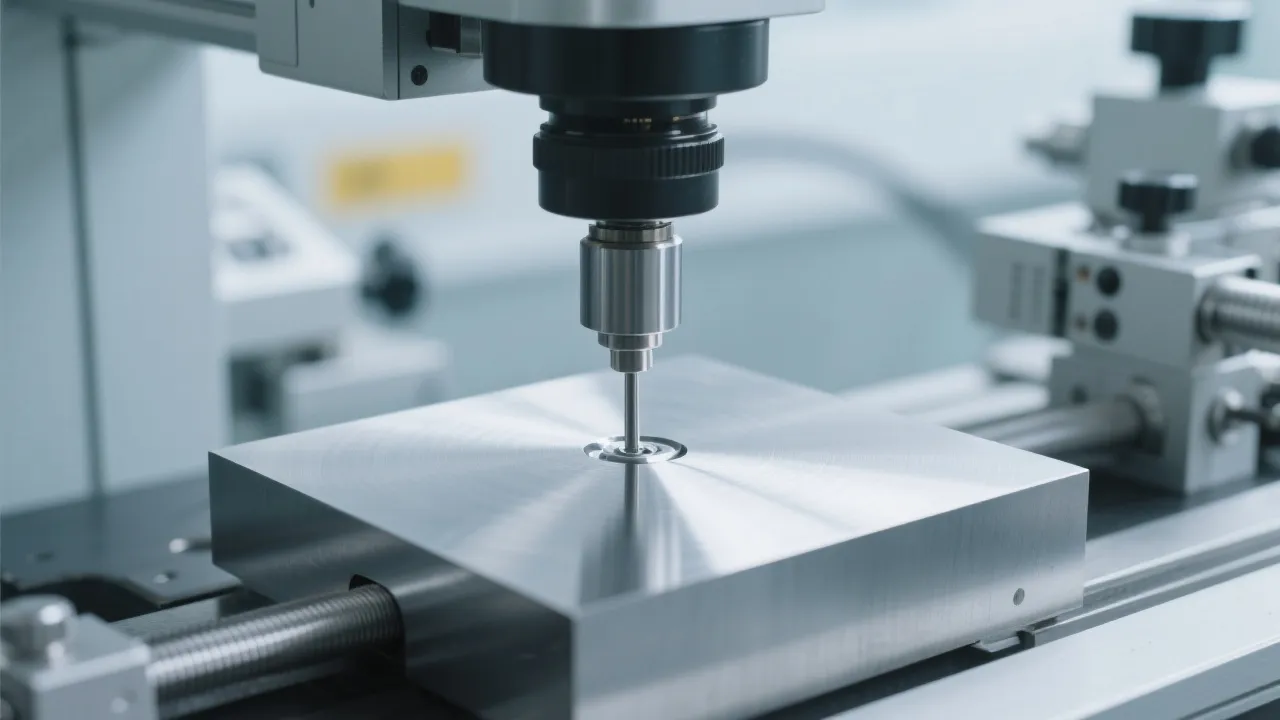
A European OEM once reported "high hardness" in an aluminum alloy batch. Upon review, it was discovered that the technician had applied the load too quickly — causing uneven deformation. After adjusting the application time to meet ISO 6506’s recommended 2–8 seconds, the hardness dropped by 4.2%, aligning with the accepted specification range.
This case highlights how a simple procedural error can lead to costly rework or even rejection of entire production batches.
Pro Tip: Always verify your hardness tester's load cell calibration monthly — and use a certified reference block for verification.
Following this checklist reduces variability by up to 85%, according to internal validation studies conducted across 12 global manufacturing sites.
Remember: consistent, accurate hardness testing isn’t just about following standards — it’s about building trust in your data. Whether you're in R&D, QA, or production, small improvements in procedure yield big gains in reliability.
Explore our full guide to international hardness testing standards — including practical templates, sample reports, and expert tips from certified metrologists.
Download the Ultimate Brinell Test Optimization Guide automatic hot mounting machine maintenance
temperature sensor calibration
water cooling system maintenance
ASTM E2554 compliance
ISO 3108 standard
tear strength testing
incorrect clamping
textile mechanical properties
ASTM D1424
ISO 13934-1
Brinell hardness testing errors
indentation deformation deviation
hardness testing standards compliance
metal hardness measurement
GB/T 231.2 standard
high-precision metallographic cut-off machine
metallographic cutting techniques
sample preparation equipment maintenance
ASTM metallographic standards
ISO certified metallographic equipment
heat embedding machine maintenance
water cooling system anti-scaling
automatic embedding machine troubleshooting
metallographic sample preparation
lab equipment calibration
automatic hot mounting machine maintenance
temperature sensor calibration
water cooling system maintenance
ASTM E2554 compliance
ISO 3108 standard
tear strength testing
incorrect clamping
textile mechanical properties
ASTM D1424
ISO 13934-1
Brinell hardness testing errors
indentation deformation deviation
hardness testing standards compliance
metal hardness measurement
GB/T 231.2 standard
high-precision metallographic cut-off machine
metallographic cutting techniques
sample preparation equipment maintenance
ASTM metallographic standards
ISO certified metallographic equipment
heat embedding machine maintenance
water cooling system anti-scaling
automatic embedding machine troubleshooting
metallographic sample preparation
lab equipment calibration