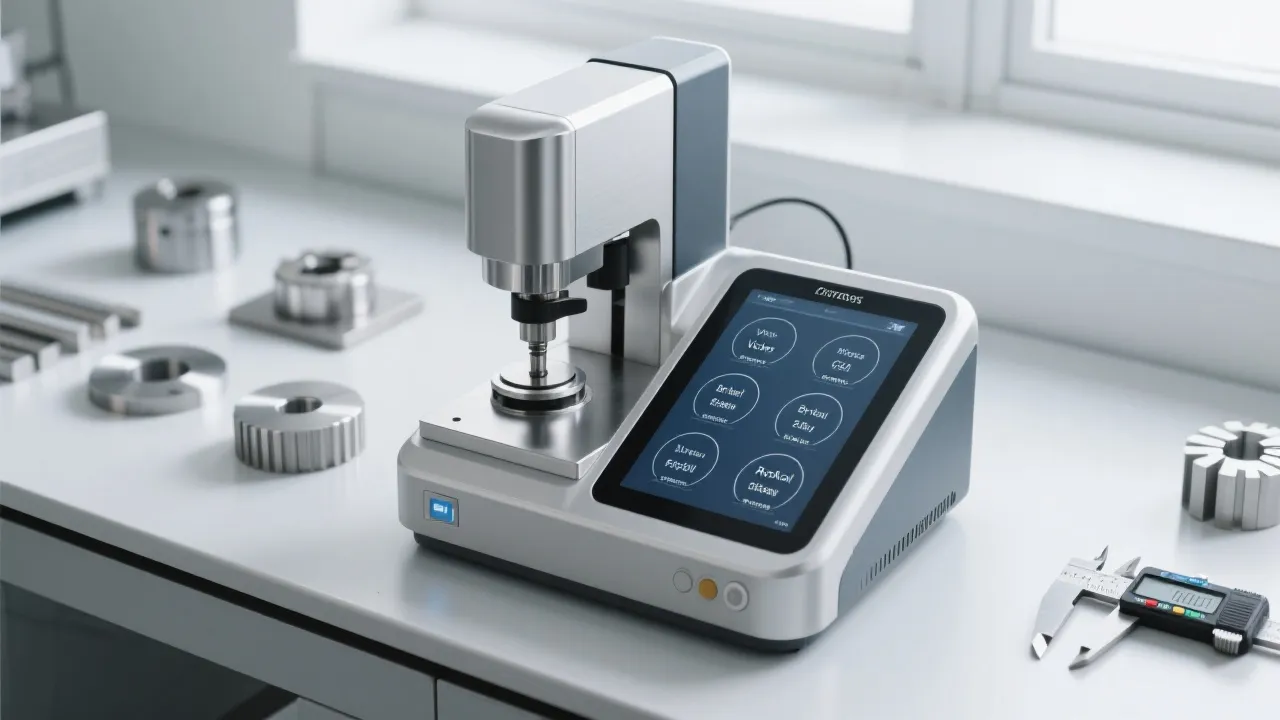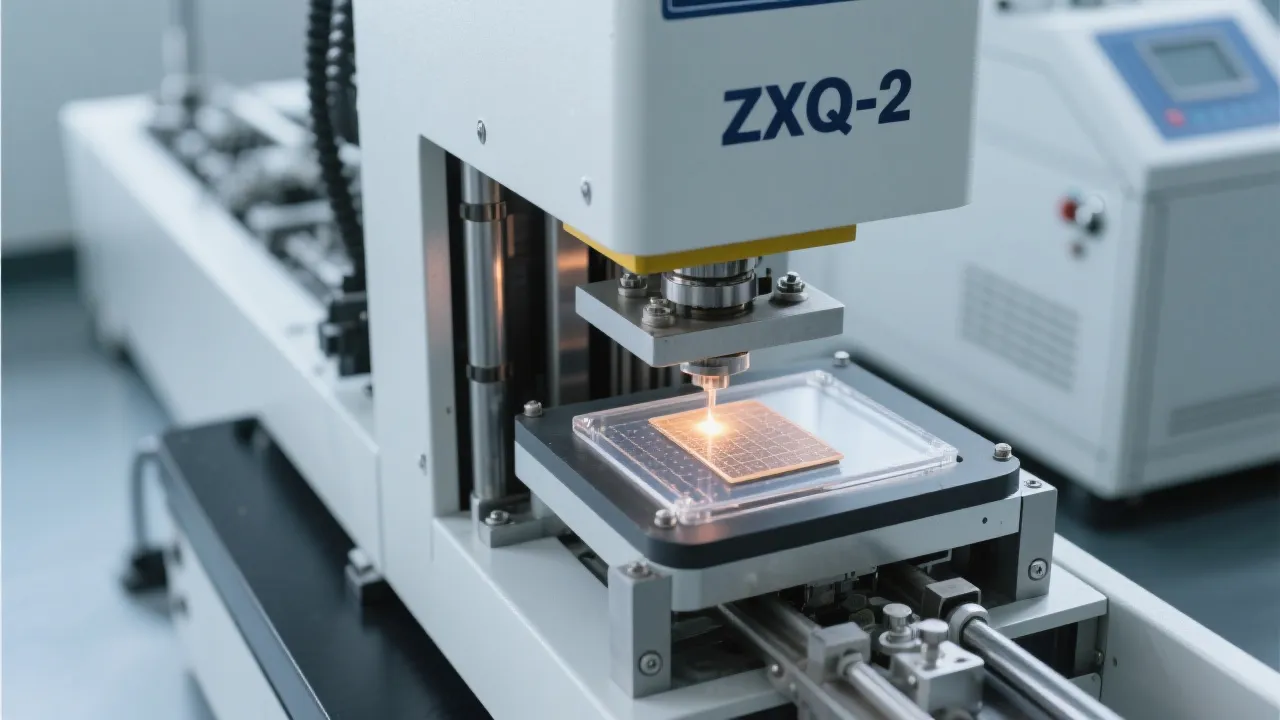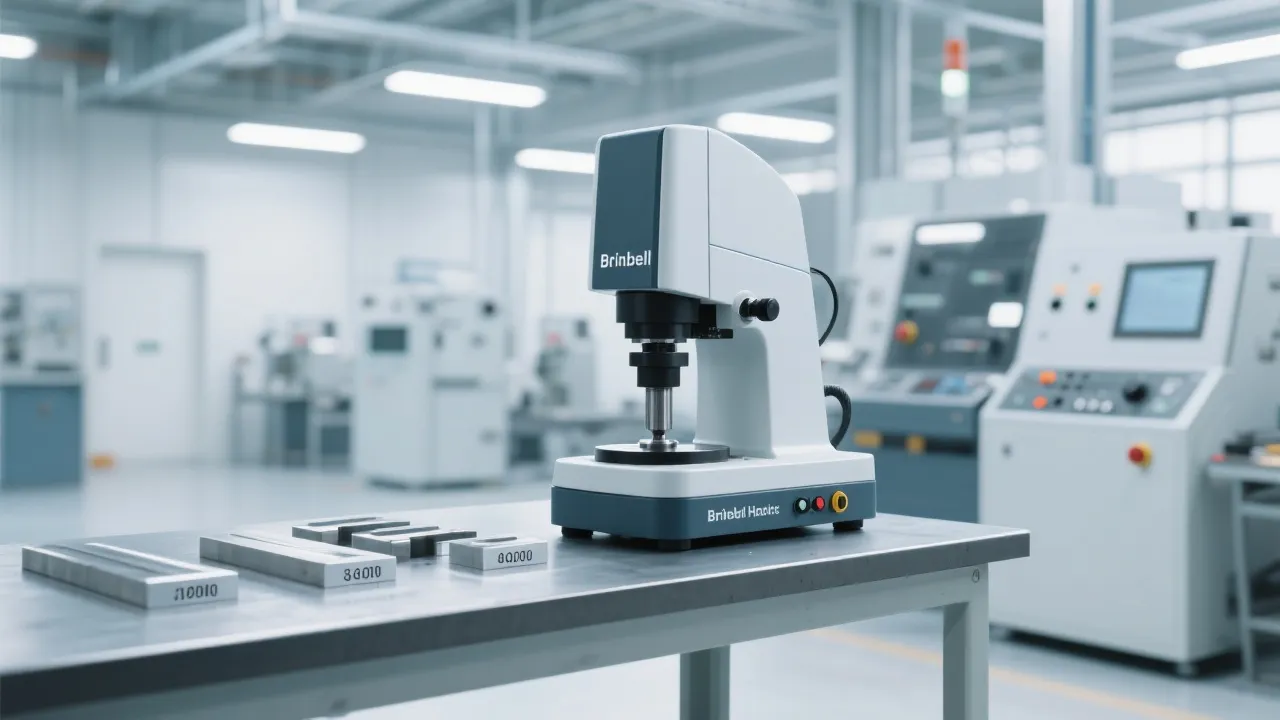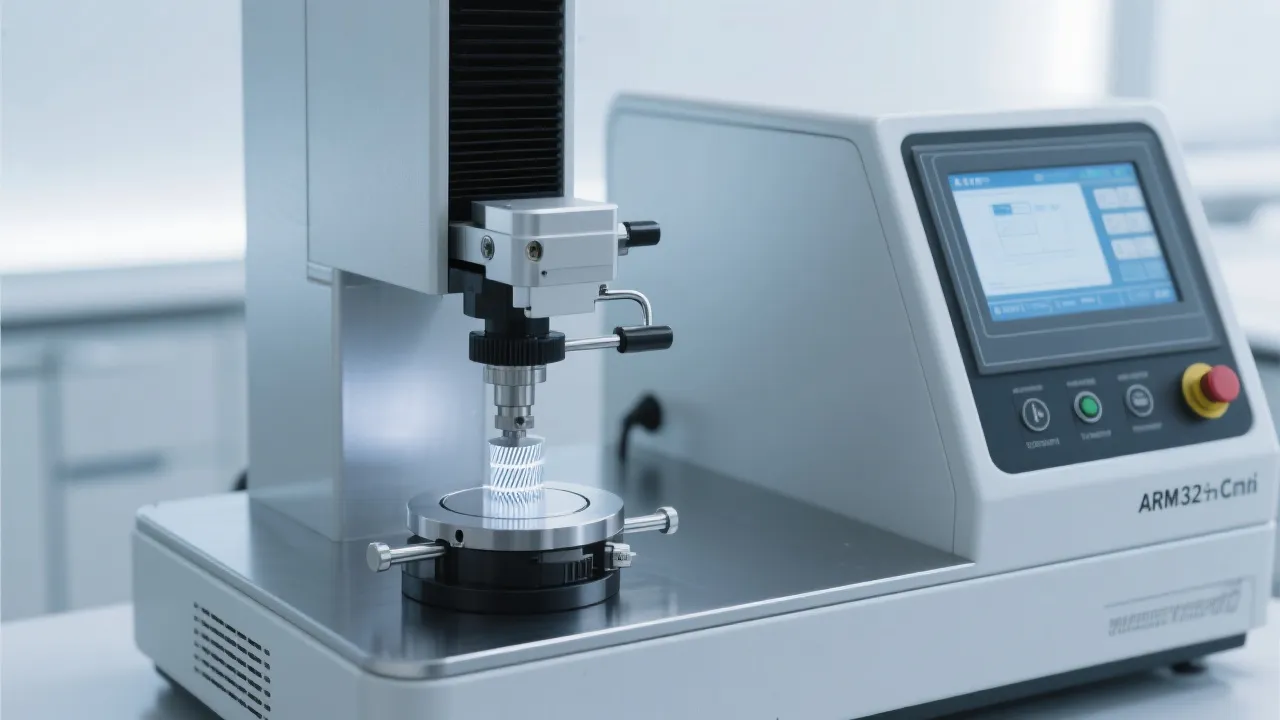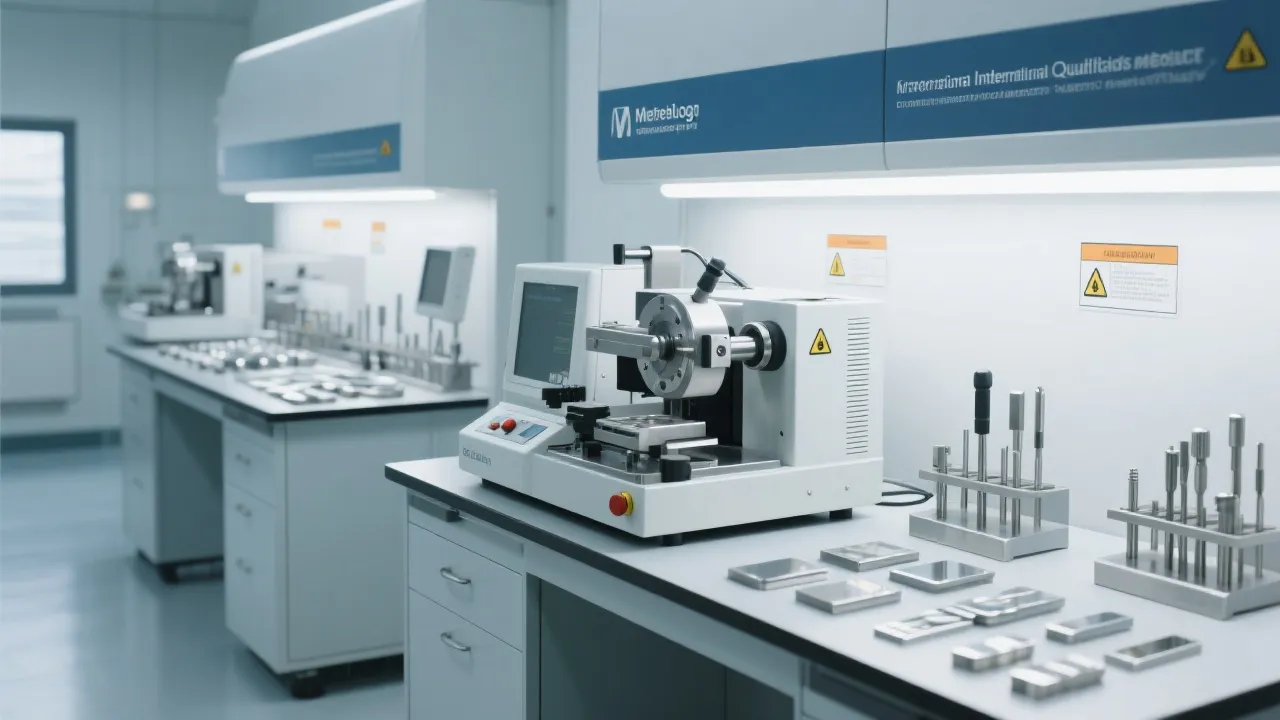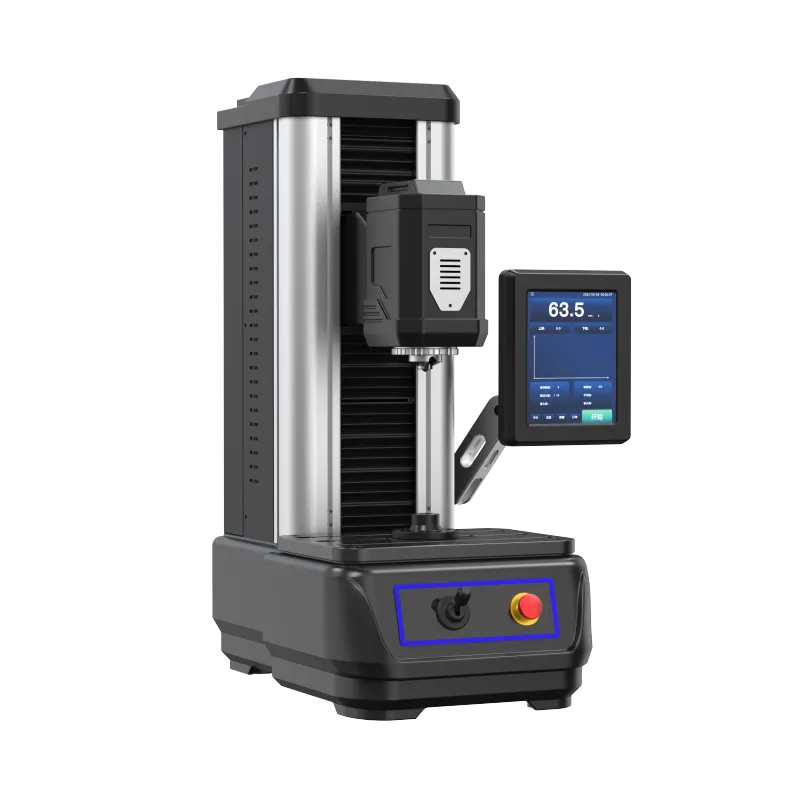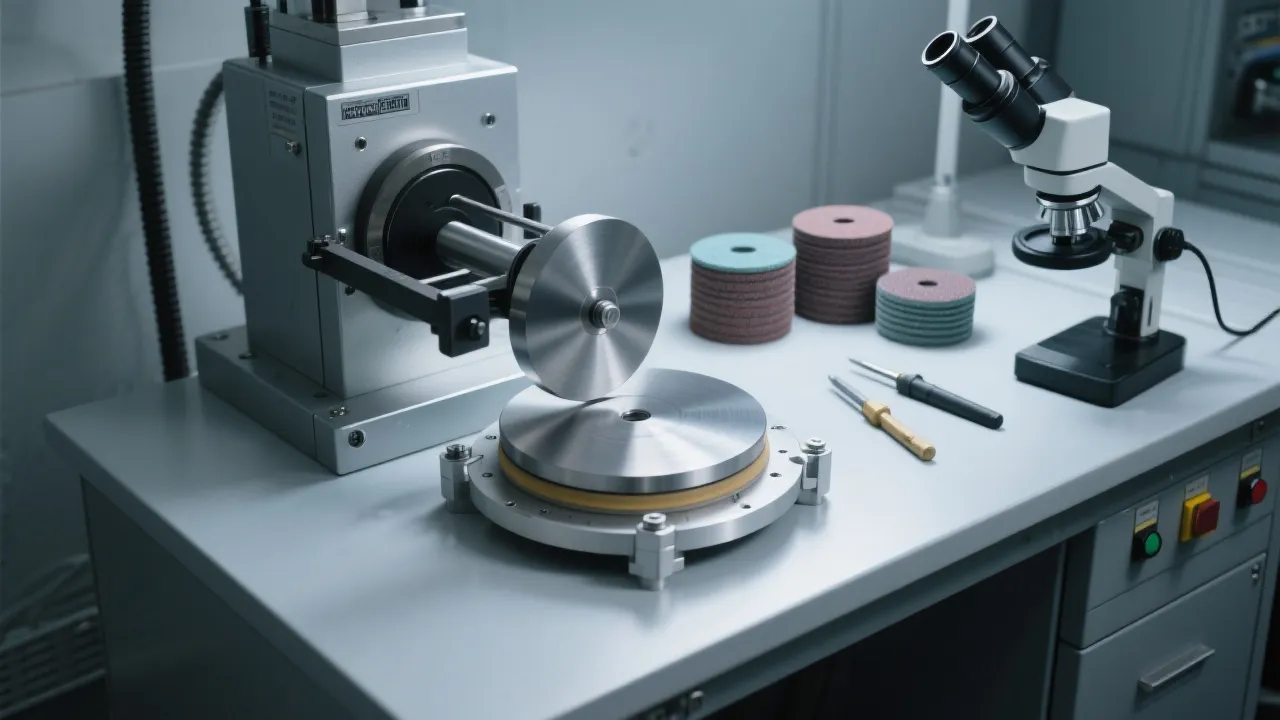
Brinell hardness testing is a crucial method for assessing the hardness of metallic materials, which is essential for ensuring product quality and compliance with international standards. However, many common mistakes in the testing process can lead to inaccurate results and potential quality issues, especially for products intended for the global market.
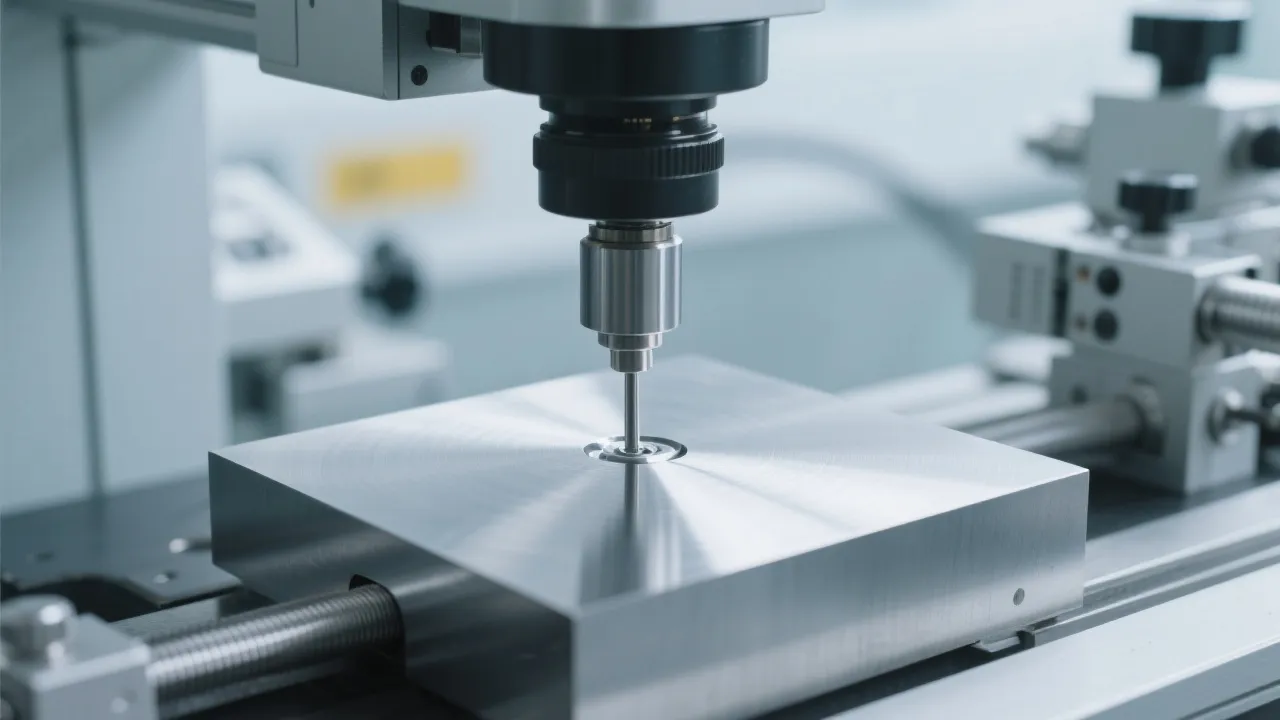
One of the most common mistakes is the irregular deformation of the indentation. In some cases, the indentation may appear oval or have uneven edges, which can be caused by improper alignment of the indenter or the specimen. A survey shows that approximately 20% of Brinell hardness testing errors are related to indentation - related issues. Another significant error source is the unstable application of the test load. Fluctuations in the load can result from poor equipment calibration or improper operation, leading to inconsistent hardness measurements.
"The accuracy of Brinell hardness testing is not only about the measurement itself but also about following the strict procedures and standards." - A renowned material scientist
The testing environment also plays a vital role. Temperature and humidity changes can affect the physical properties of both the indenter and the specimen. For example, in high - humidity environments, the indenter may corrode over time, affecting its accuracy. Moreover, vibrations during the testing process can cause the indenter to shift, leading to imprecise indentations.
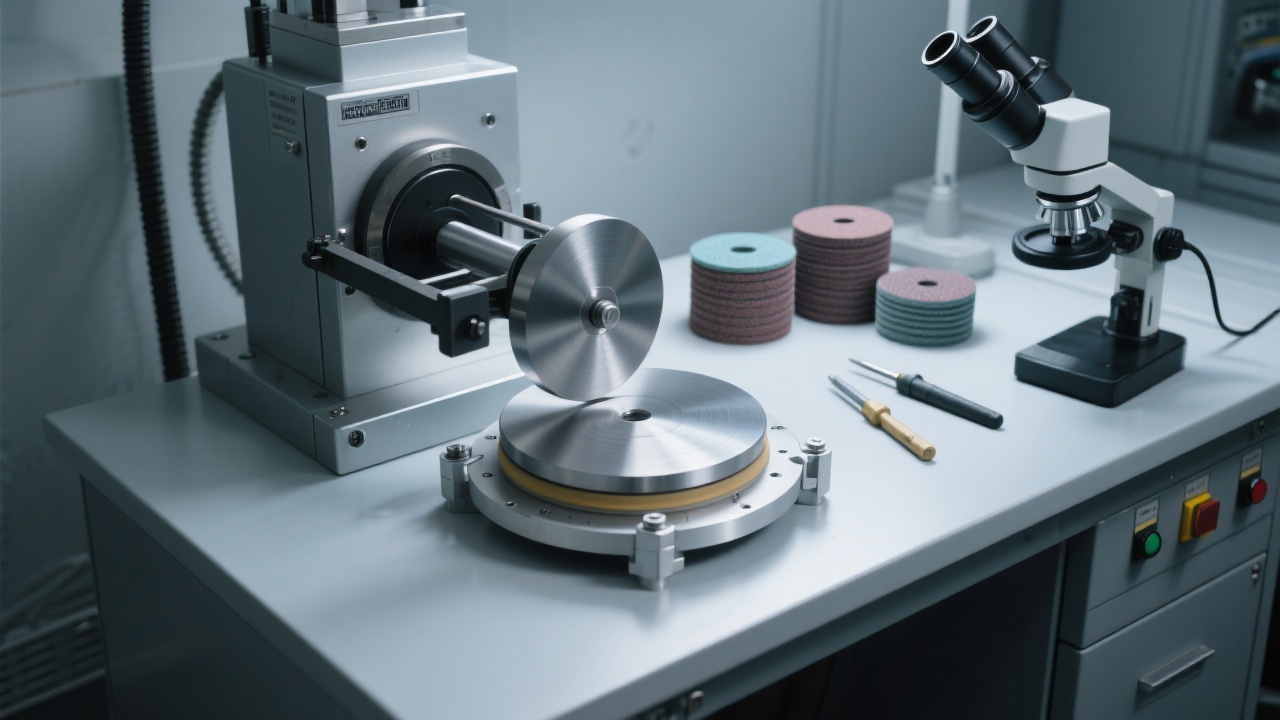
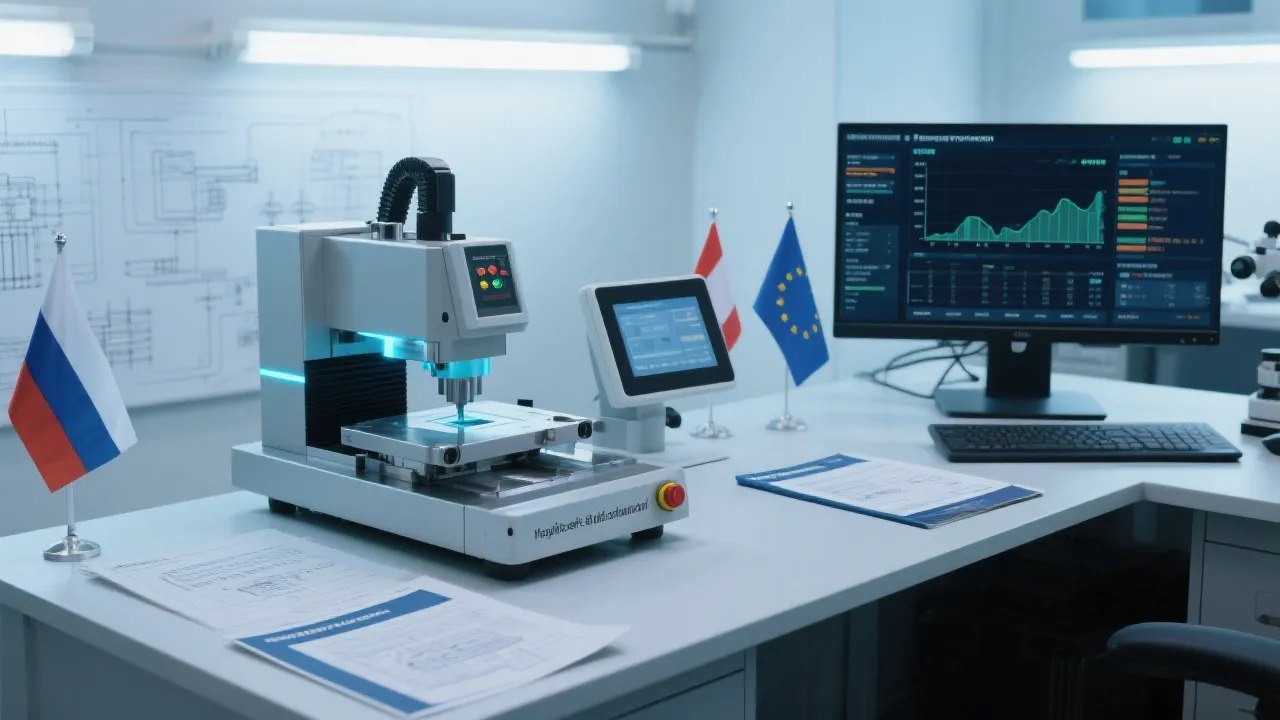
International standards such as GB/T 231.2, ISO 6506, and ASTM E10 - 12 provide clear guidelines for Brinell hardness testing. These standards specify the requirements for test equipment, specimen preparation, test procedures, and result calculation. By adhering to these standards, quality managers, materials engineers, and researchers can ensure the accuracy and comparability of hardness test results.
For instance, ISO 6506 defines the geometric requirements for the indenter and the test force, which helps to standardize the testing process across different laboratories and industries. Complying with these standards is not only a matter of technical accuracy but also a necessity for meeting the quality requirements of the global market.
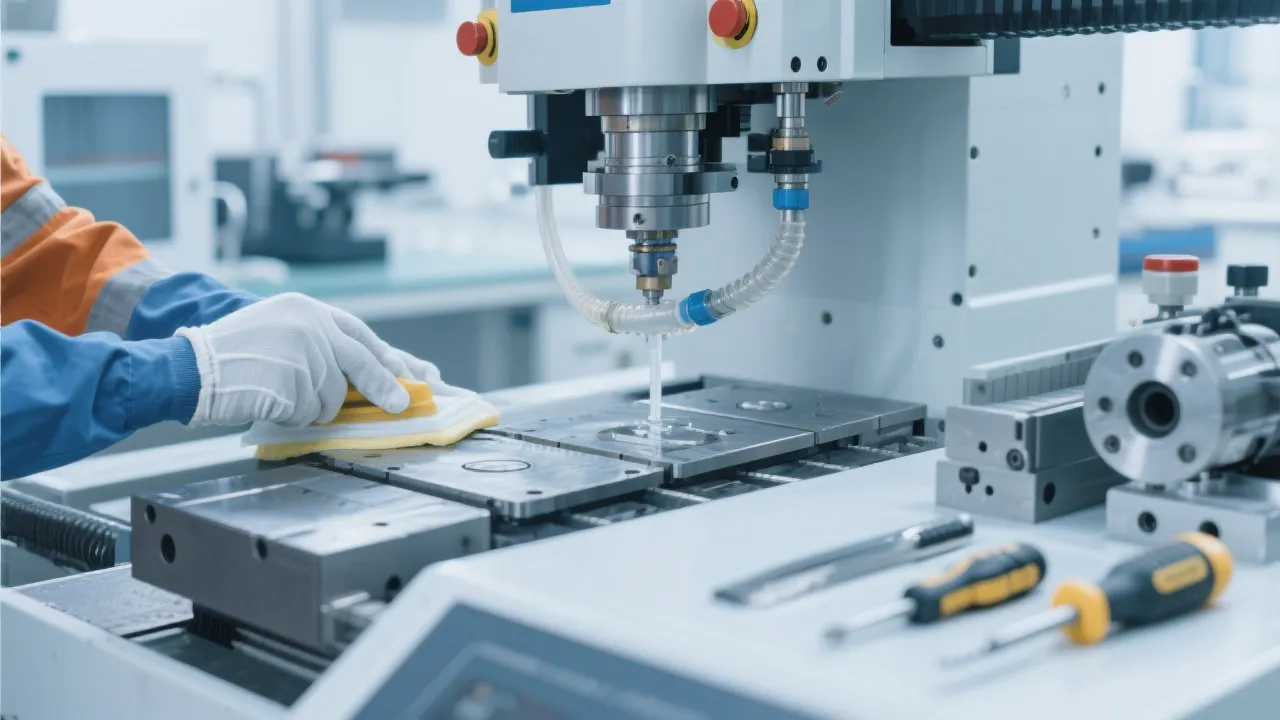
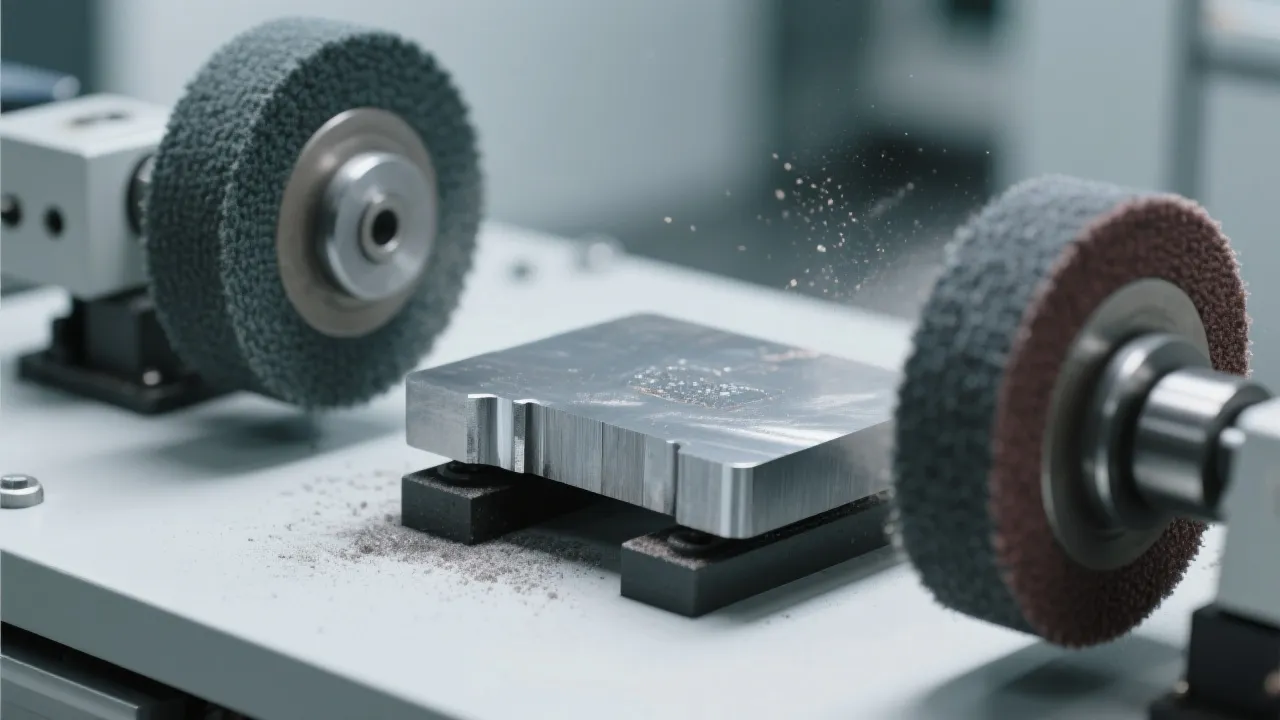
To avoid the common mistakes in Brinell hardness testing, it is essential to follow a strict operating procedure. First, ensure that the test equipment is properly calibrated regularly. According to industry best practices, calibration should be performed at least once every six months. Second, properly prepare the specimen surface to ensure it is flat, smooth, and free of any contaminants.
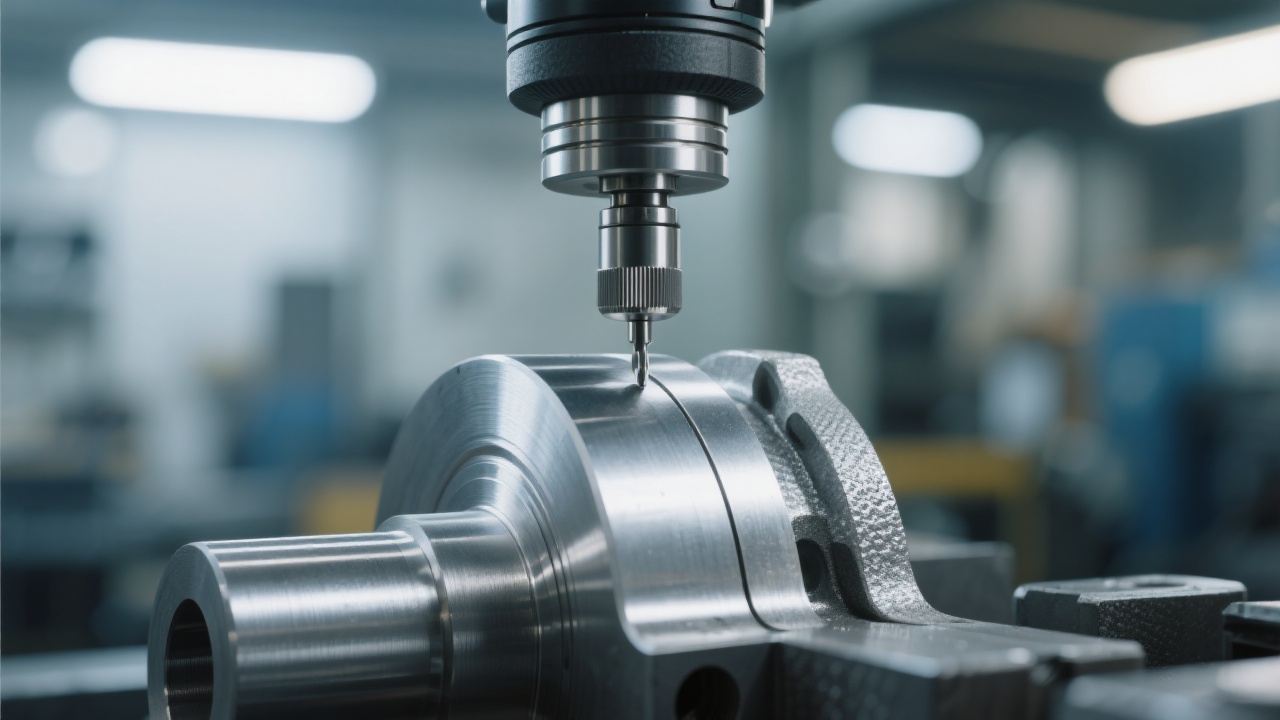
Here is a simple checklist for Brinell hardness testing:
Standards are constantly evolving to keep up with technological advancements and changing market demands. Therefore, it is crucial for professionals in the field to stay informed about the latest updates to the relevant standards. Regularly referring to official standards documents and participating in industry seminars can help ensure that the testing process remains up - to - date and compliant.
For those who need more in - depth guidance on Brinell hardness testing and compliance with international standards, contacting the technical support team or referring to the official standards is a great way to obtain accurate and detailed information.
Interested in learning more about Brinell hardness testing standards and getting professional technical support? Click here to explore further!
 Automatic hot mounting machine maintenance
Hot mounting machine performance calibration
ZXQ - 4 hot mounting machine
Mold cleaning skills
Temperature control sensor calibration
Brinell hardness test
metal hardness measurement
hardness testing accuracy
GB/T 231.2
ISO 6506
Metallographic equipment maintenance
Grinding and polishing machine maintenance techniques
Transmission system monitoring
Motor status inspection
Laboratory sample preparation
metallographic sample preparation
multi-stage polishing technique
mechanical manufacturing metallography
ISO metallographic standards
grinding and polishing troubleshooting
high-precision metallographic cut-off machine
metallographic cutting techniques
sample preparation equipment maintenance
ASTM metallographic standards
ISO certified metallographic equipment
Automatic hot mounting machine maintenance
Hot mounting machine performance calibration
ZXQ - 4 hot mounting machine
Mold cleaning skills
Temperature control sensor calibration
Brinell hardness test
metal hardness measurement
hardness testing accuracy
GB/T 231.2
ISO 6506
Metallographic equipment maintenance
Grinding and polishing machine maintenance techniques
Transmission system monitoring
Motor status inspection
Laboratory sample preparation
metallographic sample preparation
multi-stage polishing technique
mechanical manufacturing metallography
ISO metallographic standards
grinding and polishing troubleshooting
high-precision metallographic cut-off machine
metallographic cutting techniques
sample preparation equipment maintenance
ASTM metallographic standards
ISO certified metallographic equipment