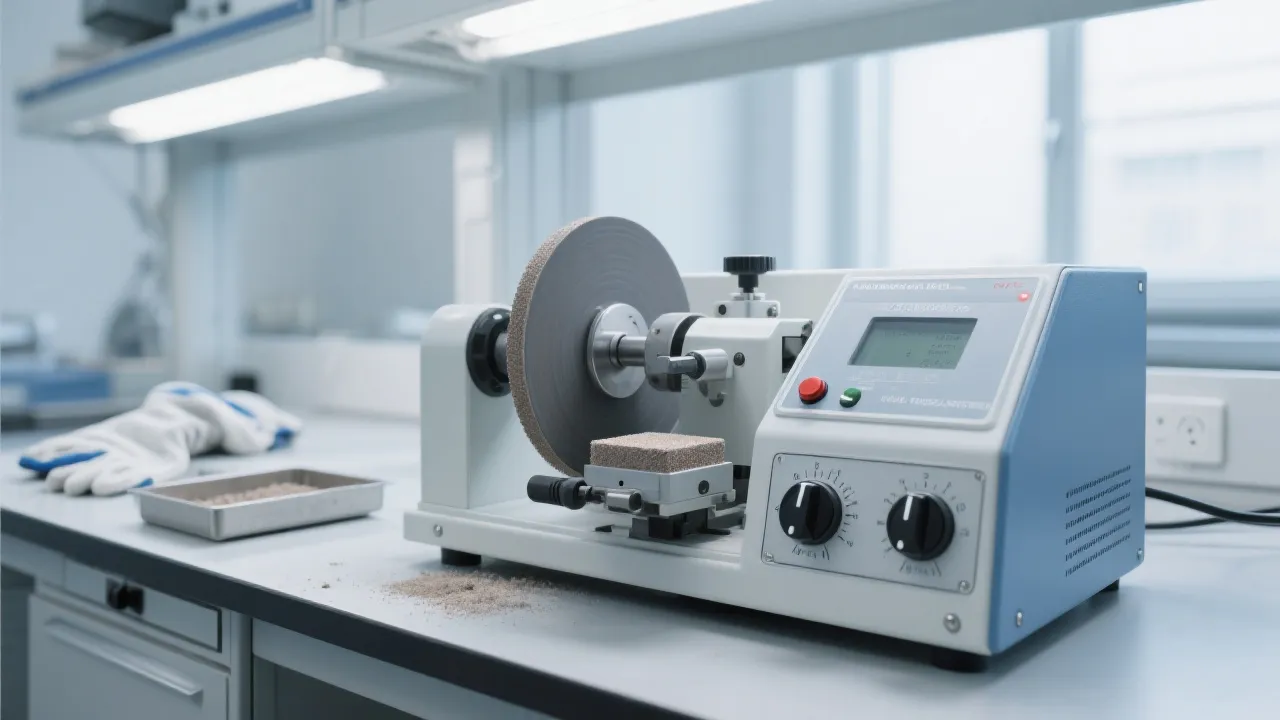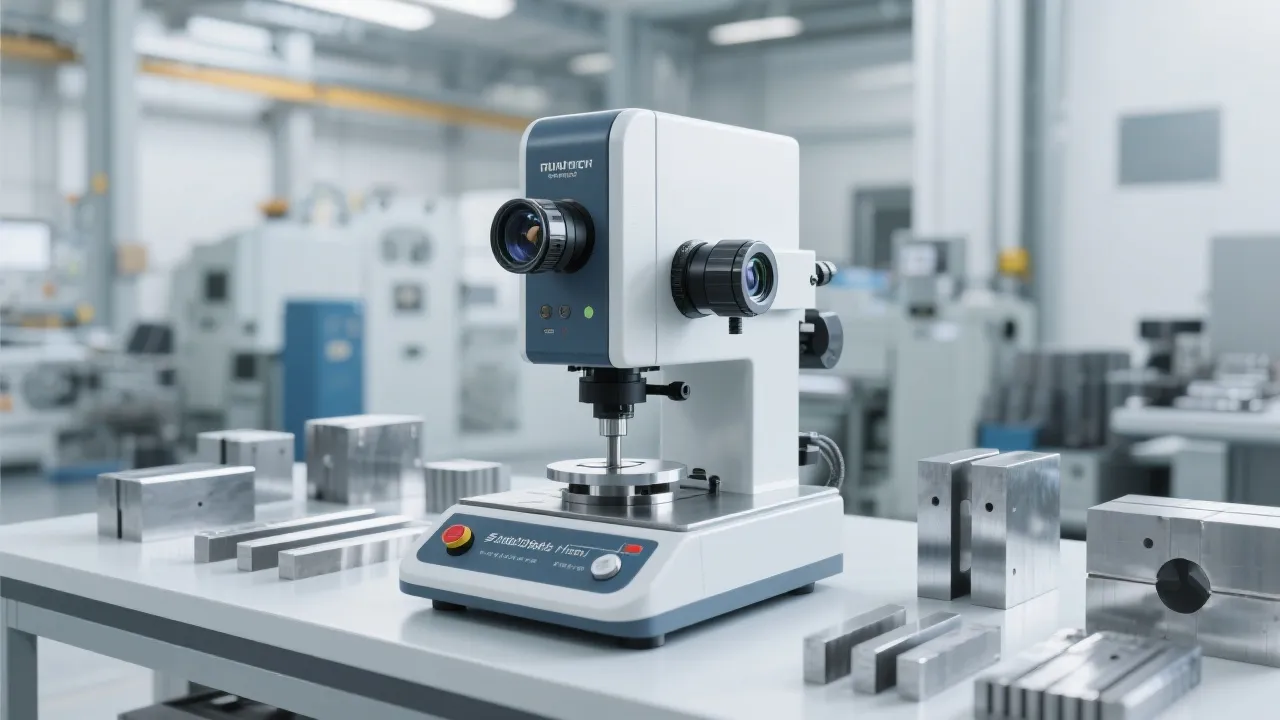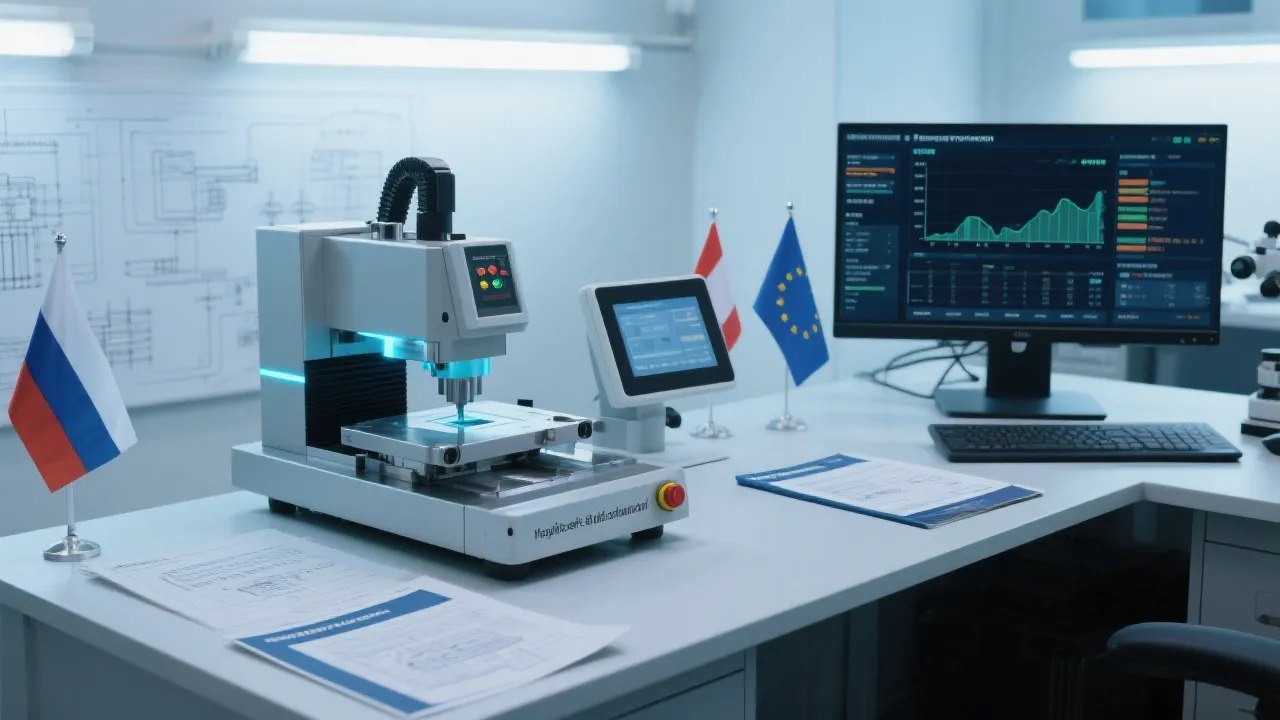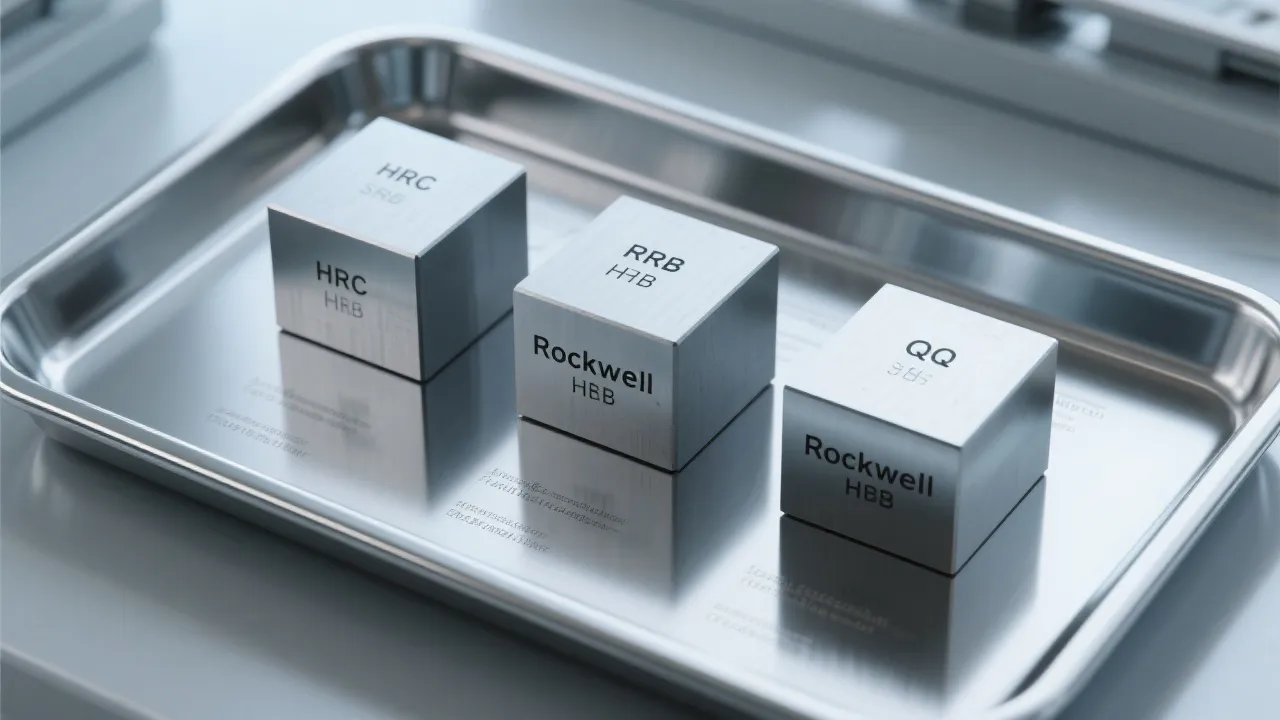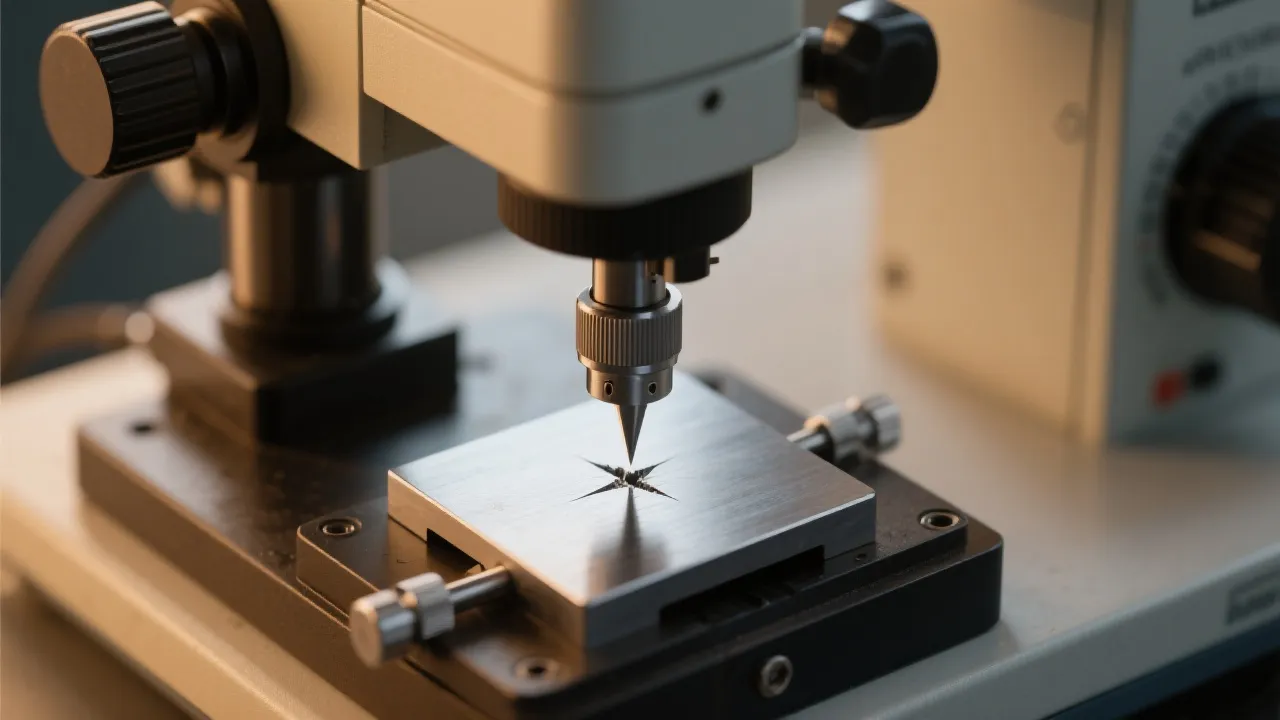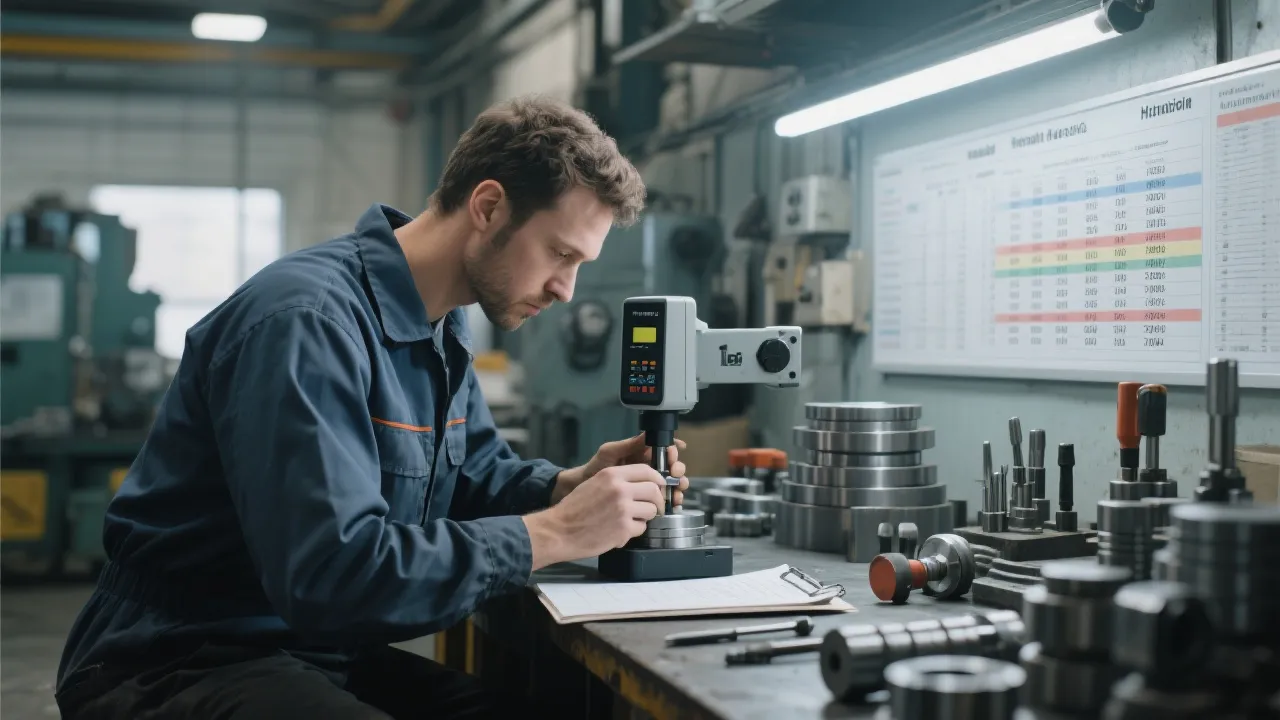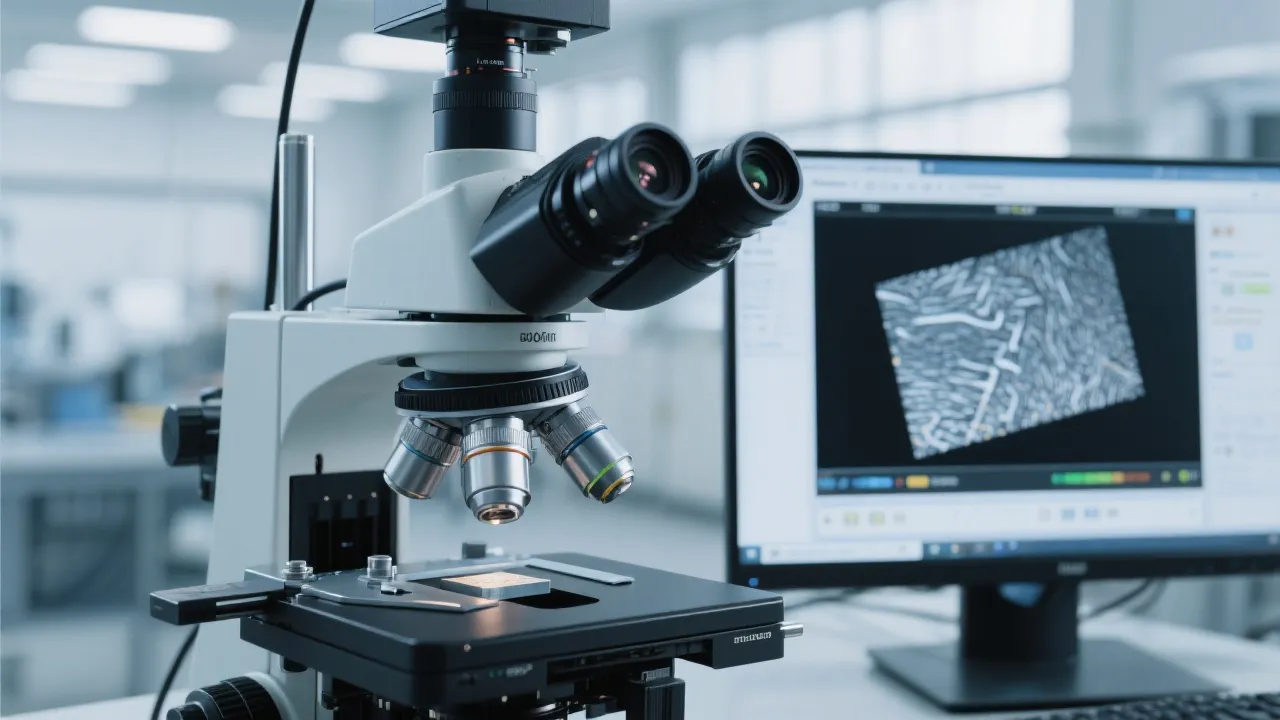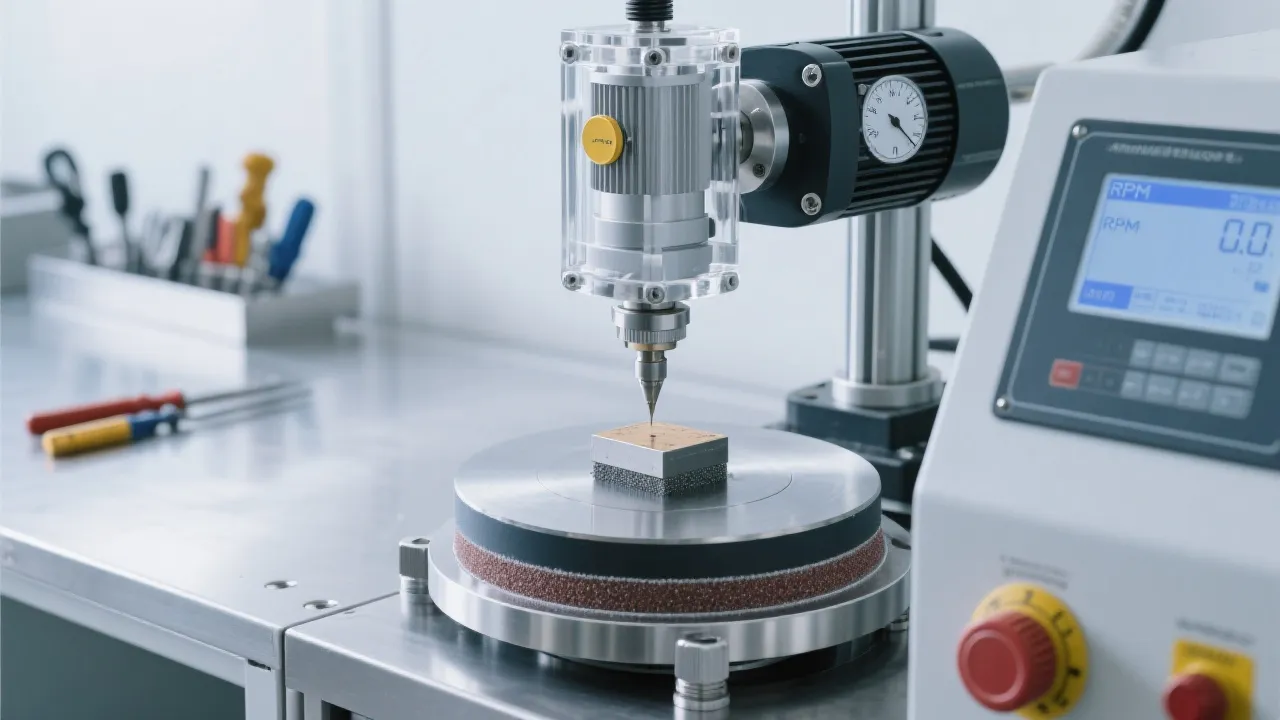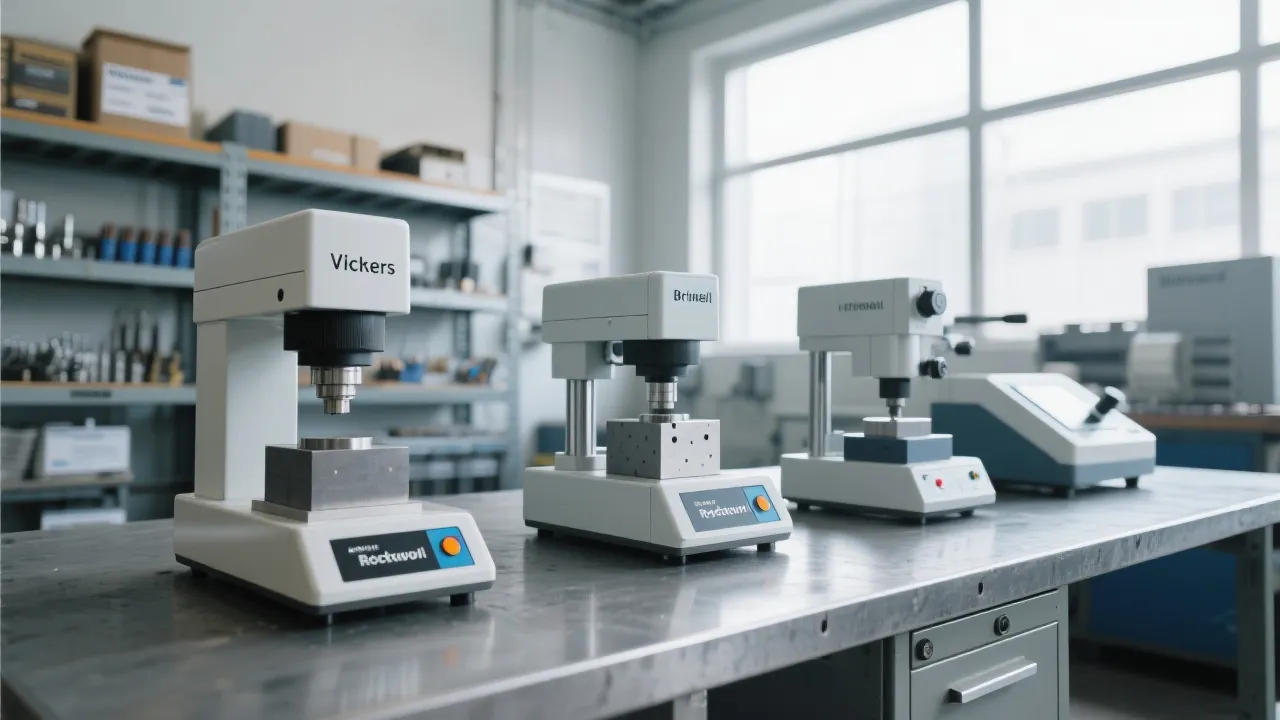
As a user of automatic hot mounting machines, you understand the importance of keeping your equipment in top - notch condition. This guide will walk you through the core maintenance techniques for your ZXQ - 4 automatic hot mounting machine, ensuring its long - term performance and compliance with international standards such as ASTM E2554 and ISO 3108.
The frequency of mold cleaning depends on the intensity of use. If your machine is used daily, it's recommended to clean the mold every day. For less frequent use, a weekly cleaning should suffice. Using the right cleaning tools and materials is crucial. Opt for non - abrasive tools and appropriate cleaning agents to prevent any damage to the mold and ensure the quality of your embedded samples. For example, a soft brush and a mild cleaning solution can effectively remove residues without scratching the surface.
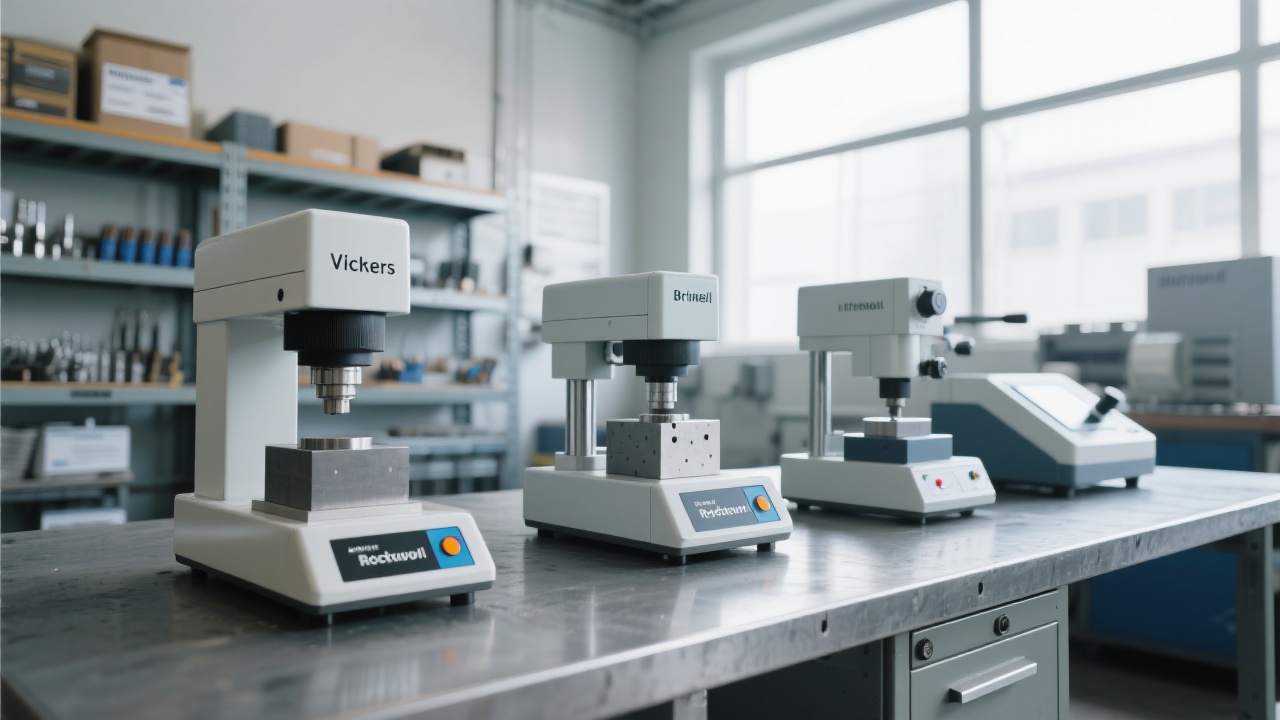
Accurate temperature control is vital for the performance of your hot mounting machine. Before calibration, make sure to prepare the necessary equipment and a standard temperature probe. The calibration process involves comparing the readings of the standard probe with those of your machine's sensor. Any errors detected should be promptly corrected. After calibration, conduct a verification test to ensure the temperature control accuracy is within ±1°C. This precision is essential for maintaining the consistency of your metallographic samples.
The water - cooling system plays a key role in preventing overheating. To avoid scale formation, proper water quality management is necessary. Use demineralized water and add descaling agents regularly. Additionally, flush the cooling pipes every few months to remove any accumulated scale. Scale can lead to poor heat dissipation and temperature fluctuations, which can affect the performance of your machine.
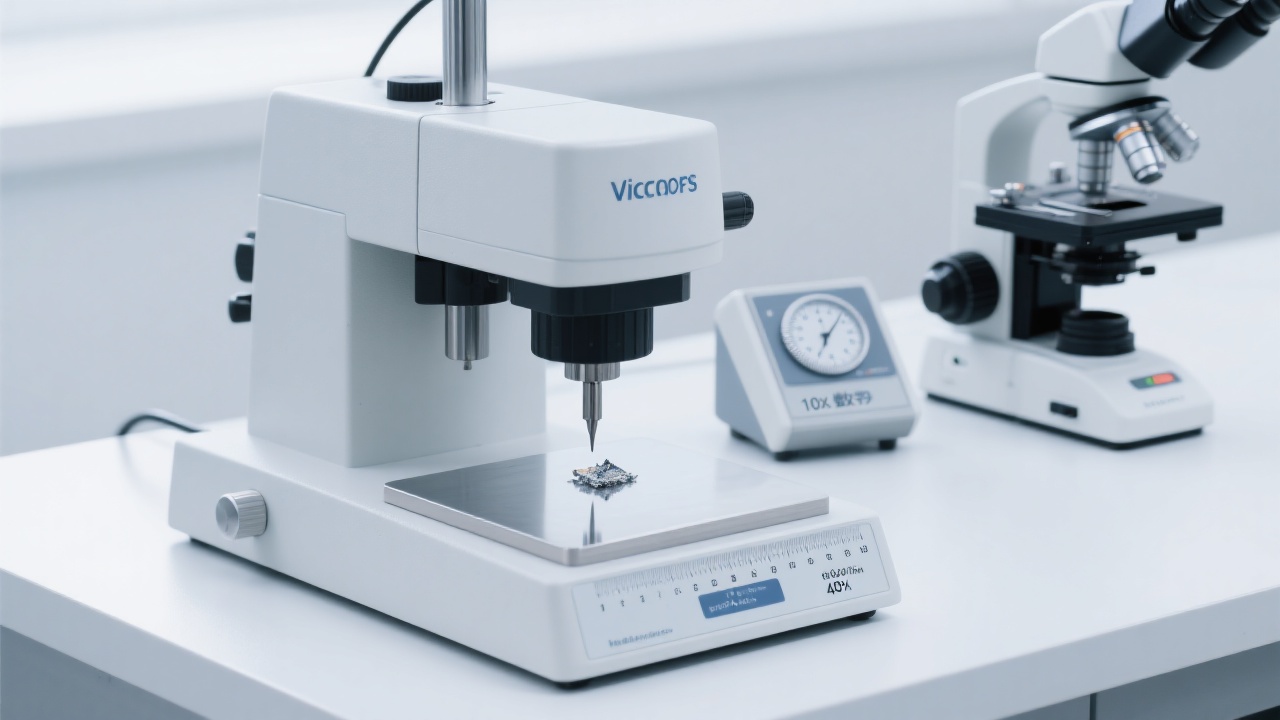
Establish a performance testing mechanism to evaluate the temperature uniformity and pressure stability of your machine. For temperature uniformity, use a multi - point temperature measurement method. This will help you identify any areas with temperature variations. To test pressure stability, use a pressure gauge to monitor the pressure during the operation. By establishing these self - assessment capabilities, you can quickly detect and address any potential issues.
Some common problems you may encounter include slow heating, mold jamming, and uneven heating. These issues can be caused by various factors such as sensor malfunctions, mechanical blockages, or scale in the heating elements. This guide provides quick troubleshooting paths and emergency measures to help you resolve these problems in a timely manner.
Here are some frequently asked questions: Do you need to calibrate the sensor every day? The answer is usually no, but it depends on the frequency of use and the accuracy requirements of your experiments. Also, avoid using hard objects to scrape the mold, as this can cause irreversible damage. These reminders can help you avoid common mistakes and improve the efficiency of your machine operation.

For original equipment manufacturer (OEM) parts support or professional installation and commissioning services, please click to get a customized technical support plan. Our team is dedicated to providing you with the best after - sales service to ensure your machine runs smoothly.
 metallographic sample cutting parameters
metallographic cutting speed rpm
cutting feed force control
coolant flow for metallographic cutting
metallographic specimen preparation workflow
automatic hot mounting machine maintenance
temperature sensor calibration
water cooling system maintenance
ASTM E2554 compliance
ISO 3108 standard
non-metallic Rockwell hardness testing
Rockwell hardness standards
non-metal material hardness measurement
Rockwell hardness applications
Jincheng MHRS-150 hardness tester
tear strength testing
incorrect clamping
textile mechanical properties
ASTM D1424
ISO 13934-1
high-precision cutting machine
metallographic sample cutting
laboratory sample preparation
metal specimen cutting
industrial quality inspection equipment
metallographic sample cutting parameters
metallographic cutting speed rpm
cutting feed force control
coolant flow for metallographic cutting
metallographic specimen preparation workflow
automatic hot mounting machine maintenance
temperature sensor calibration
water cooling system maintenance
ASTM E2554 compliance
ISO 3108 standard
non-metallic Rockwell hardness testing
Rockwell hardness standards
non-metal material hardness measurement
Rockwell hardness applications
Jincheng MHRS-150 hardness tester
tear strength testing
incorrect clamping
textile mechanical properties
ASTM D1424
ISO 13934-1
high-precision cutting machine
metallographic sample cutting
laboratory sample preparation
metal specimen cutting
industrial quality inspection equipment