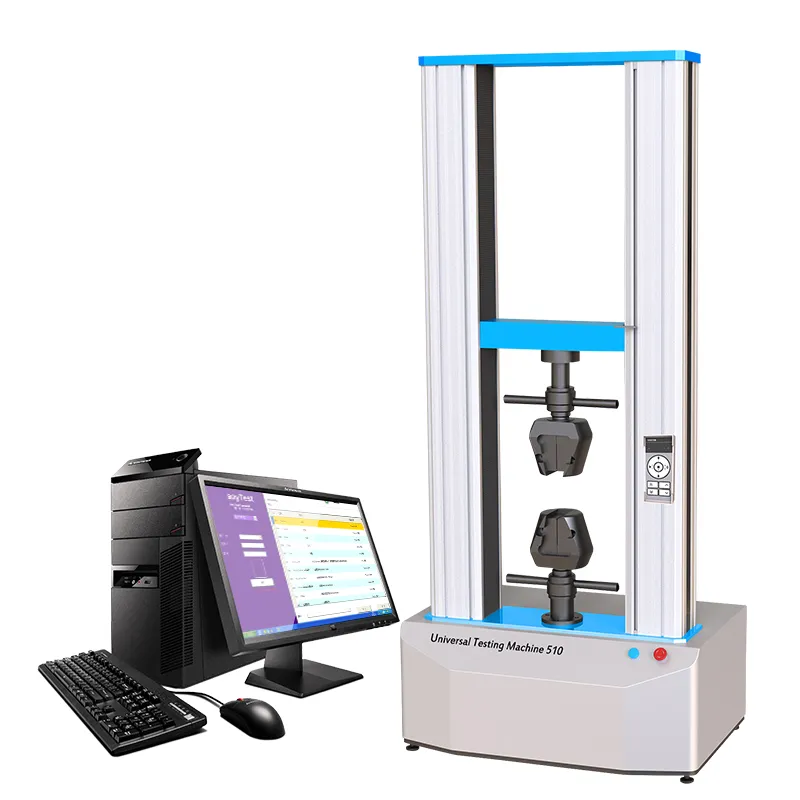
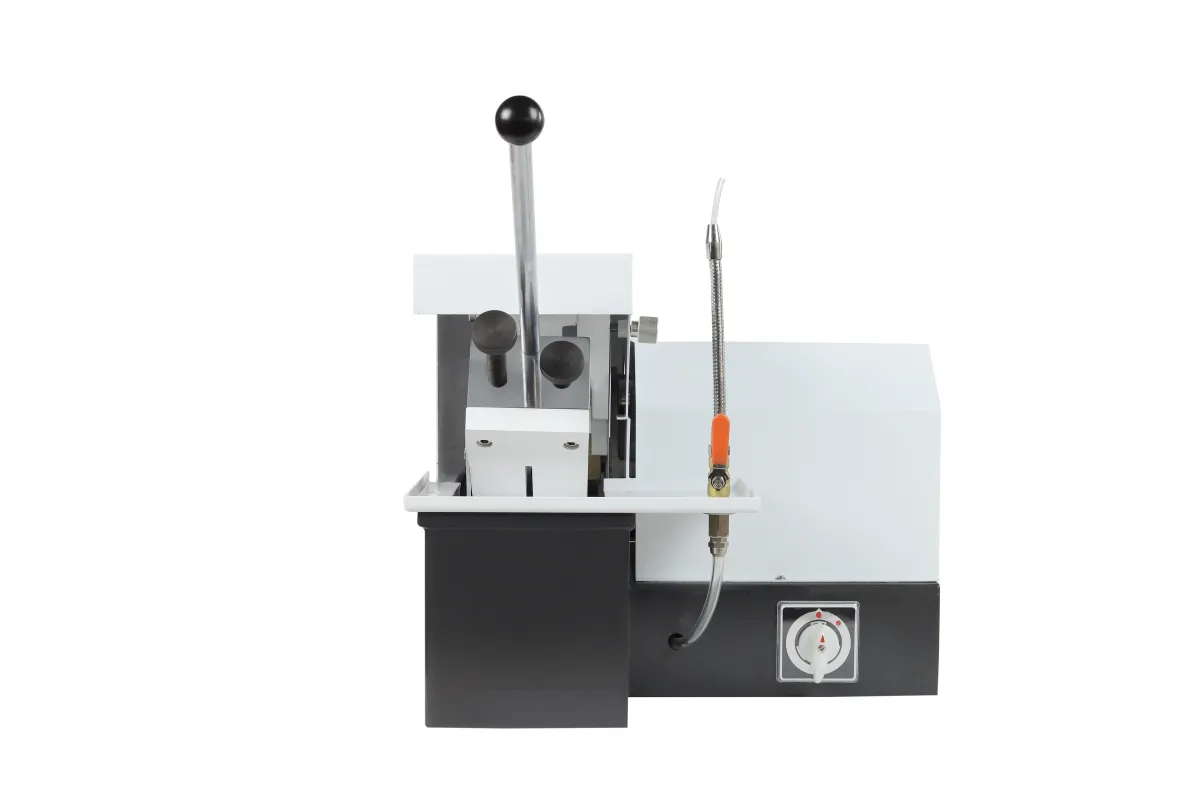
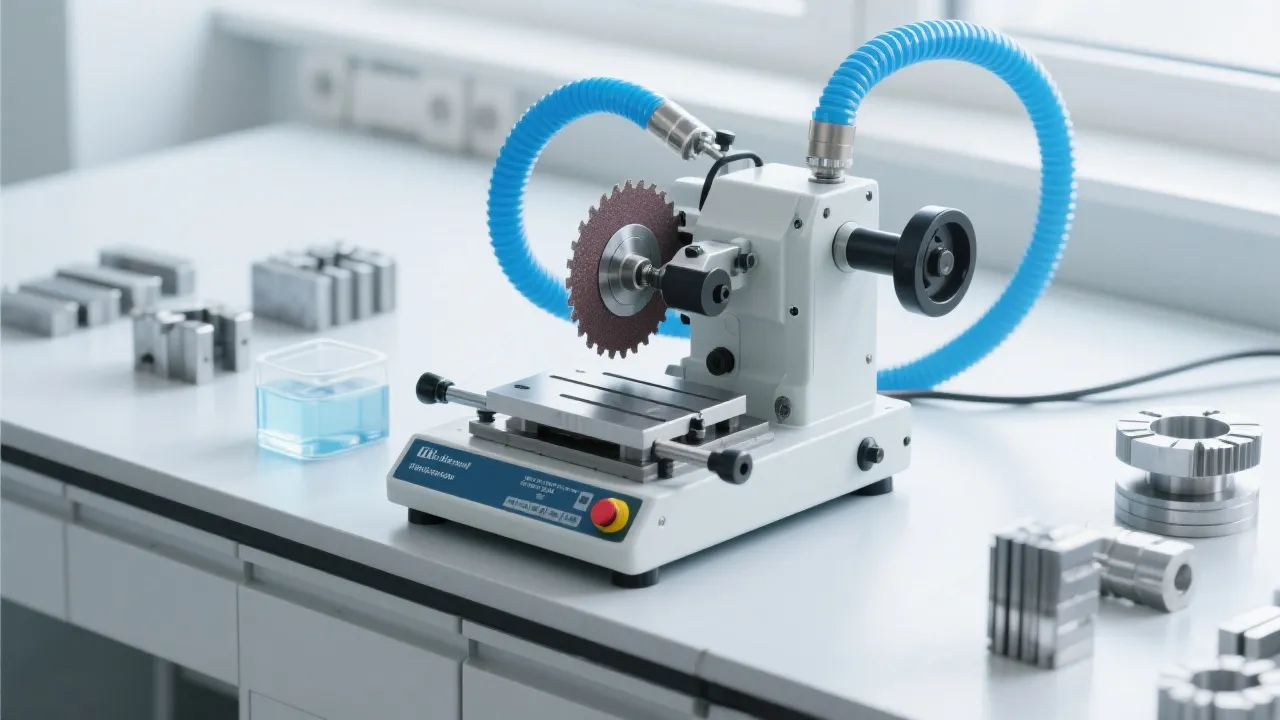
For laboratories relying on consistent sample preparation quality, the ZXQ-4 Automatic Hot Mounting Press from Laizhou Jincheng Industrial Equipment Co., Ltd. is a critical tool. However, even the most advanced equipment requires regular maintenance to ensure accuracy, longevity, and compliance with international standards like ISO 14139.
According to our field data, over 60% of unexpected downtime in hot mounting systems stems from poor cleaning practices or sensor drift—not mechanical failure. A well-maintained machine not only improves reproducibility but also reduces long-term operational costs by up to 25%.
Run a standardized temperature uniformity test weekly: place three thermocouples at different points inside the chamber and record readings over 10 minutes at 120°C. If variance >±3°C, investigate insulation integrity or heater element wear.
If you experience slow heating (>5 min to reach target temp), check for clogged water filters or faulty PT100 sensors. For press head jams during operation, verify die alignment and lubrication intervals (every 50 cycles).
Track each task in a simple spreadsheet—this helps identify patterns early and ensures accountability across lab teams.
Q: How often should I replace the thermal paste?
A: Every 6 months under heavy use. Reapply only with high-grade thermal compound (e.g., Dow Corning RTV 218).
Q: Is it safe to run the press without water cooling?
A: No. Running dry can cause irreversible damage to the heating elements—always ensure coolant flow before startup.
Our team has helped labs reduce unplanned downtime by 40% simply by implementing structured maintenance routines.
Get professional installation support, timely access to genuine replacement parts, and expert technical guidance—all designed to maximize uptime and precision.
Schedule Expert Installation & Support Today tear strength testing
incorrect clamping
textile mechanical properties
ASTM D1424
ISO 13934-1
high-precision metallographic cut-off machine
metallographic cutting techniques
sample preparation equipment maintenance
ASTM metallographic standards
ISO certified metallographic equipment
microhardness tester built-in calculator
automatic indentation recognition
hardness value conversion
multi-point averaging calculation
metal hardness testing efficiency
Metallographic grinding and polishing machine
MP-1B performance
Metal material grinding solutions
Laboratory equipment selection
Metallographic sample preparation technology
tear strength testing
incorrect clamping
textile mechanical properties
ASTM D1424
ISO 13934-1
high-precision metallographic cut-off machine
metallographic cutting techniques
sample preparation equipment maintenance
ASTM metallographic standards
ISO certified metallographic equipment
microhardness tester built-in calculator
automatic indentation recognition
hardness value conversion
multi-point averaging calculation
metal hardness testing efficiency
Metallographic grinding and polishing machine
MP-1B performance
Metal material grinding solutions
Laboratory equipment selection
Metallographic sample preparation technology



Hardness-TesterHVS-5103050-1.jpg?x-oss-process=image/resize,h_800,m_lfit/format,webp)