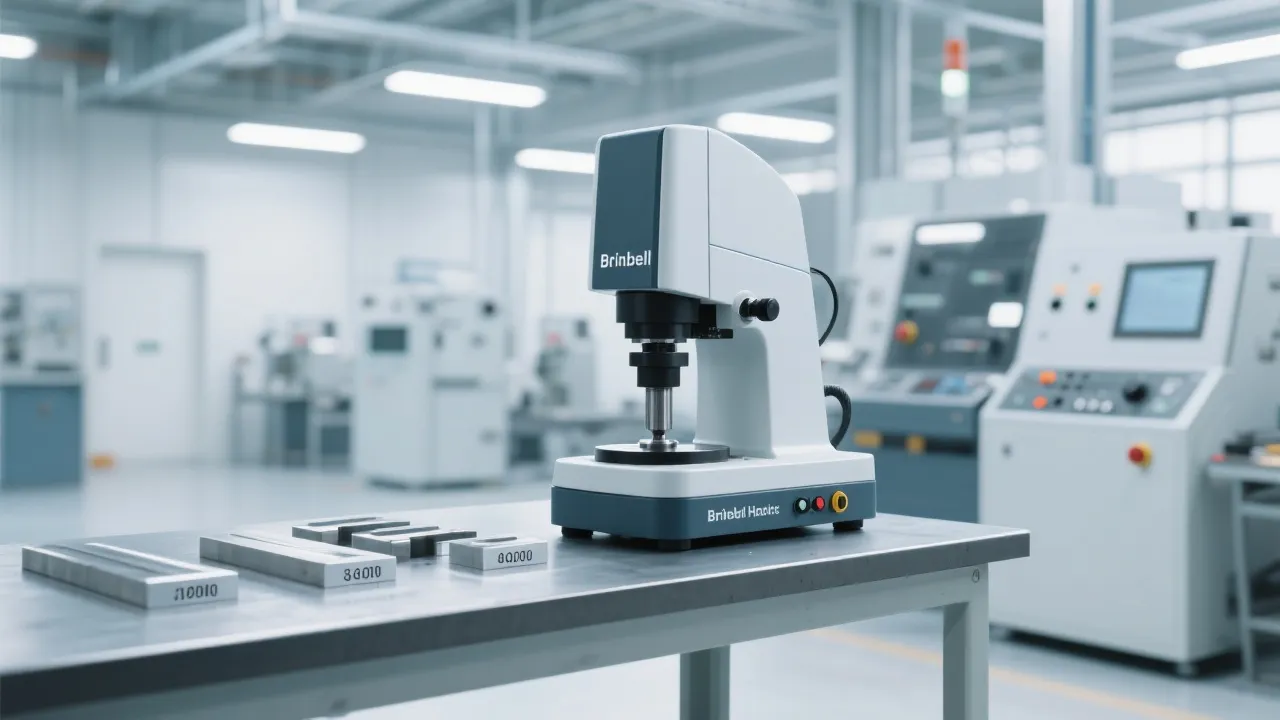
Metal hardness testing is a crucial process in ensuring the quality of metal products, especially those intended for international export. Among the various hardness testing methods, the Brinell hardness test is widely used. However, many common misconceptions in this testing process can lead to inaccurate results and potential quality issues.
One of the most prevalent mistakes is improper operation. In some cases, operators may not apply the test force correctly, leading to inconsistent indentation sizes. For example, if the test force is not applied evenly, the resulting indentation may be elliptical rather than circular, which can significantly affect the hardness measurement. It is estimated that approximately 30% of inaccurate hardness test results are due to improper operation.
Another common issue is insufficient equipment calibration. Over time, the Brinell hardness tester may experience wear and tear, which can cause inaccuracies in force application and indentation measurement. A study shows that about 25% of hardness testing errors are related to equipment calibration problems. Without regular calibration according to international standards, the test results may deviate from the actual hardness values.
There is also a misunderstanding of international standards. Different countries and industries may have specific requirements for metal hardness testing, and not all operators are fully aware of these differences. For instance, the GB/T 231.2 and ISO 6506 standards have detailed regulations on test force, indentor diameter, and testing time. Failure to comply with these standards can lead to non - compliant products in the international market.
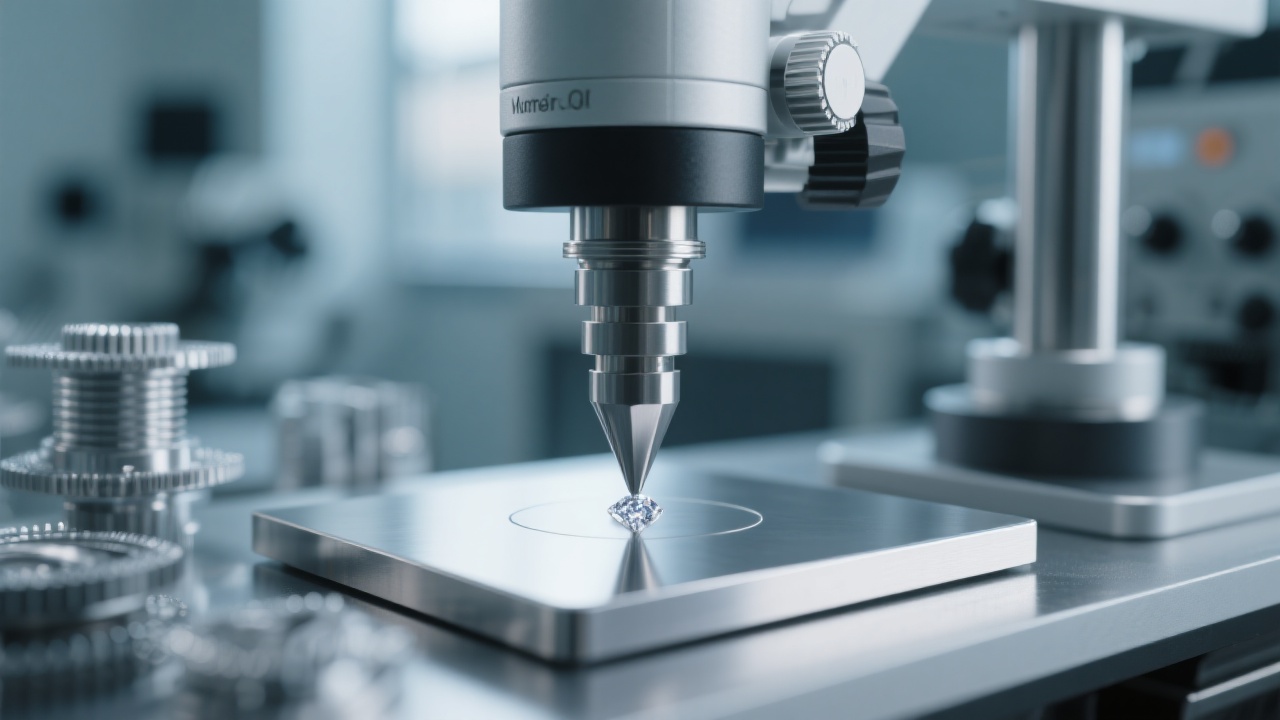
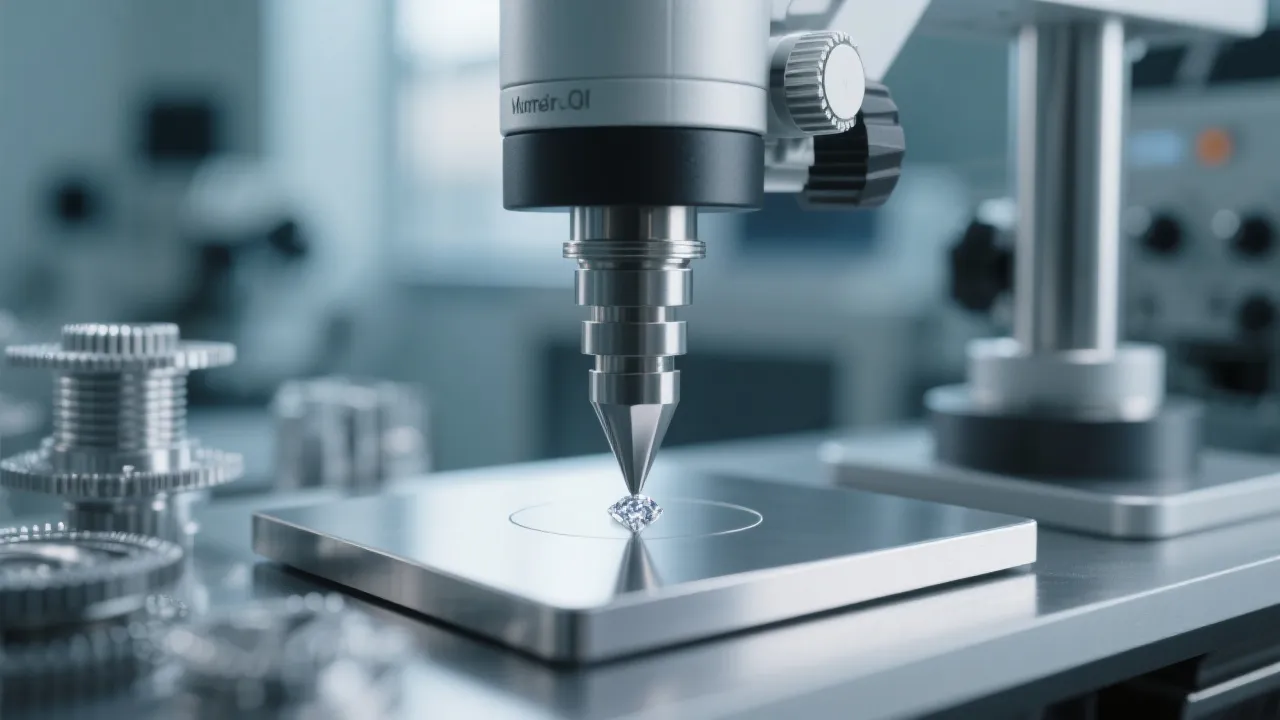
Let's take a look at a typical error case. A metal manufacturing company exported a batch of steel products. The in - house hardness test results showed that the products met the required standards. However, when the products arrived at the overseas customer, the customer's independent test found that the hardness was significantly lower than the stated value. After review, it was found that the company's testing equipment had not been properly calibrated, and the test force was lower than the standard value.
In contrast, another company that strictly followed the international standards and conducted regular equipment calibration and operator training had a high customer satisfaction rate for their exported metal products. Their products passed the quality inspections in various international markets with flying colors, which helped them gain a competitive edge in the global market.
Compliance with international standards such as GB/T 231.2 and ISO 6506 is essential for accurate Brinell hardness testing. These standards provide clear guidelines on every aspect of the testing process, from sample preparation to data processing. By following these standards, companies can ensure the accuracy and reliability of their test results, which is crucial for product quality control and international trade compliance.
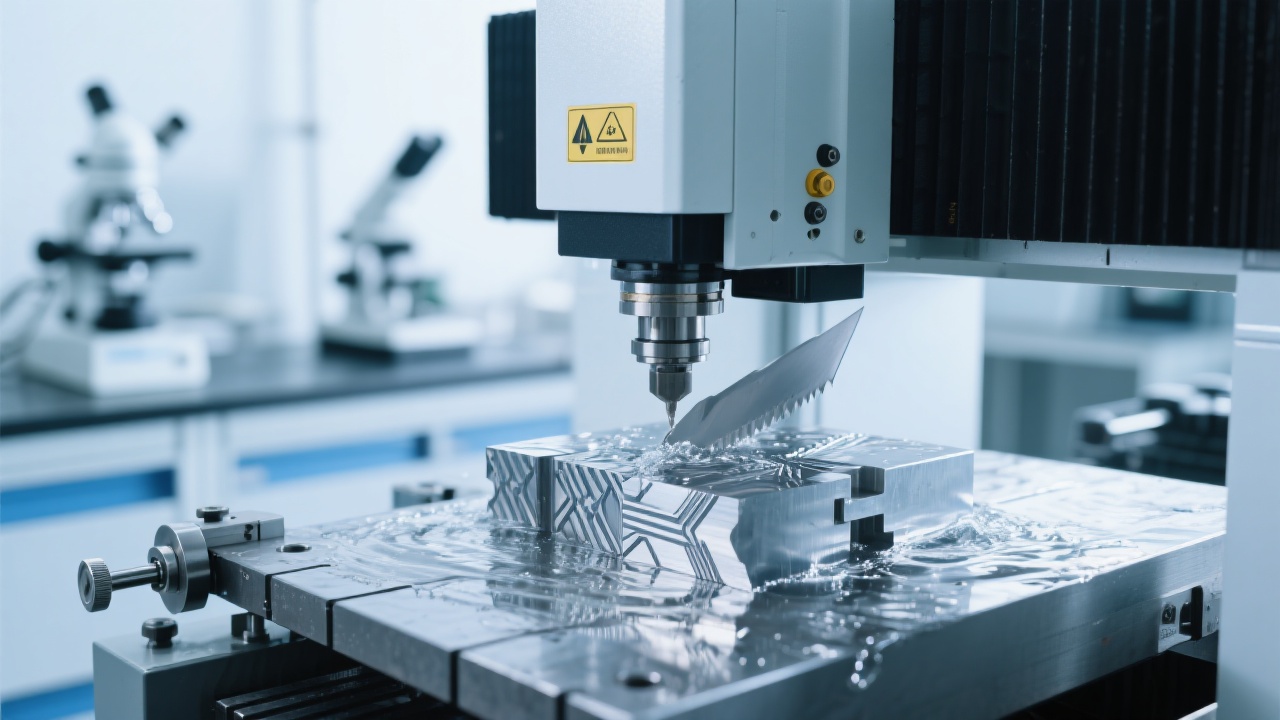
In summary, accurate Brinell hardness testing is vital for maintaining the quality of metal products and ensuring international export compliance. By being aware of the common misconceptions, following international standards, and using the practical checklist, quality managers, researchers, and engineers can improve the accuracy and reliability of their testing results. This will not only help companies avoid potential quality issues but also enhance their competitiveness in the global market.
To learn more about authoritative testing methods, please refer to official standard documents or contact technical support for guidance. Explore More on Hardness Testing
 automatic metallographic polisher
metallography sample preparation
grinding and polishing parameters
lab efficiency tips
metallographic equipment maintenance
Metallographic equipment maintenance
Grinding and polishing machine maintenance techniques
Transmission system monitoring
Motor status inspection
Laboratory sample preparation
metallographic polishing machine
automatic grinding and polishing
sample preparation optimization
energy-efficient lab equipment
metallography workflow
metallographic polishing machine maintenance
MP-160E grinder保养技巧
laboratory equipment care
gold sample preparation
equipment failure prevention
metallographic mounting mold selection
stainless steel ring mold vs PTFE mold
removable metallographic mold
sample preparation techniques
ZXQ-2 automatic mounting press
automatic metallographic polisher
metallography sample preparation
grinding and polishing parameters
lab efficiency tips
metallographic equipment maintenance
Metallographic equipment maintenance
Grinding and polishing machine maintenance techniques
Transmission system monitoring
Motor status inspection
Laboratory sample preparation
metallographic polishing machine
automatic grinding and polishing
sample preparation optimization
energy-efficient lab equipment
metallography workflow
metallographic polishing machine maintenance
MP-160E grinder保养技巧
laboratory equipment care
gold sample preparation
equipment failure prevention
metallographic mounting mold selection
stainless steel ring mold vs PTFE mold
removable metallographic mold
sample preparation techniques
ZXQ-2 automatic mounting press
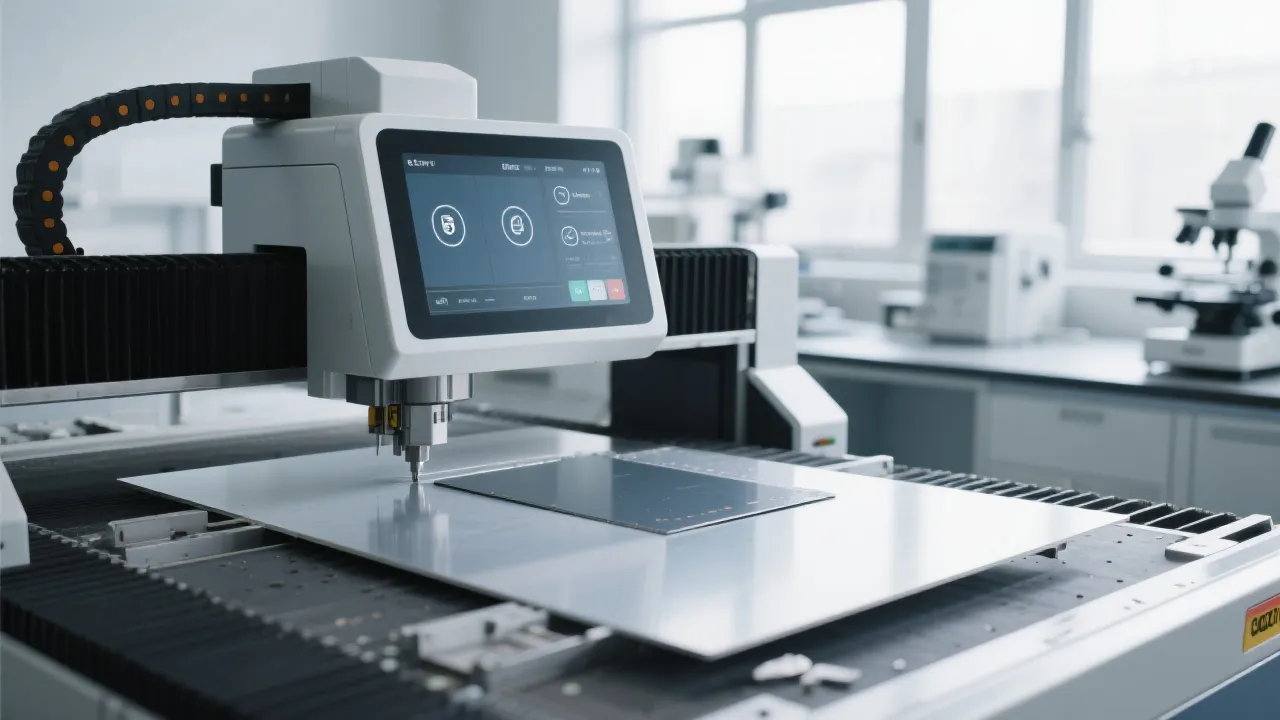
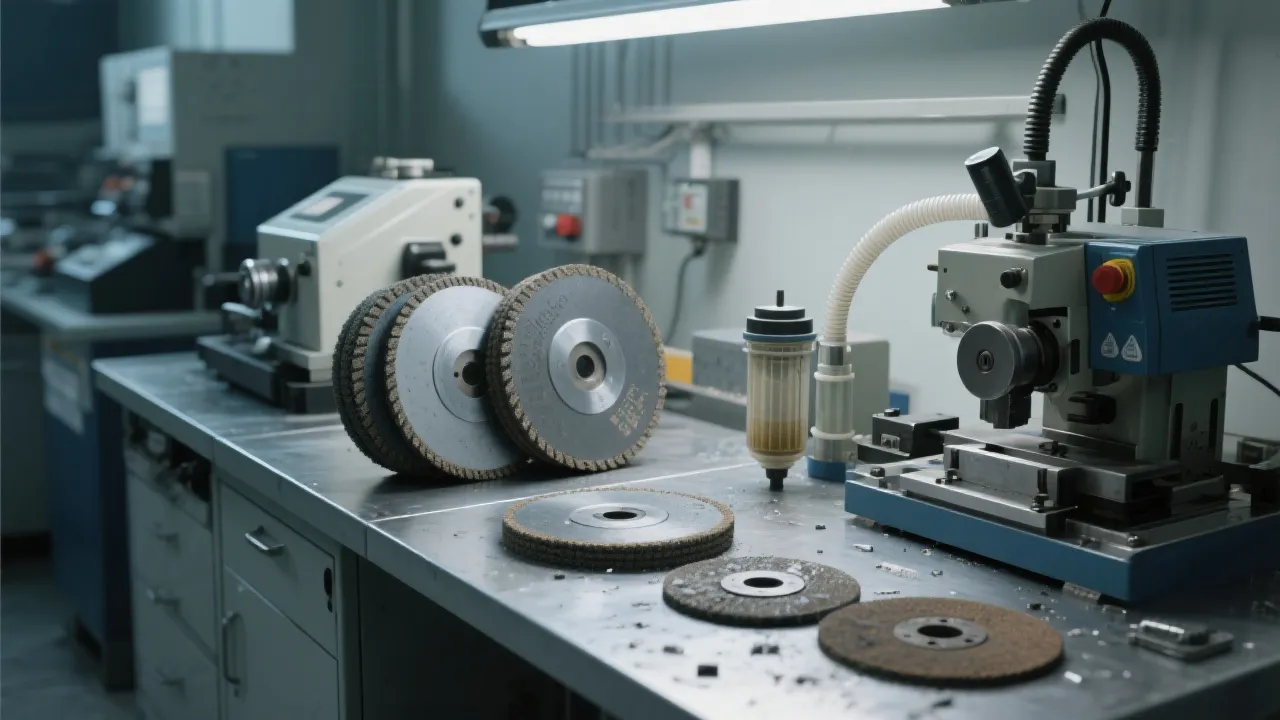
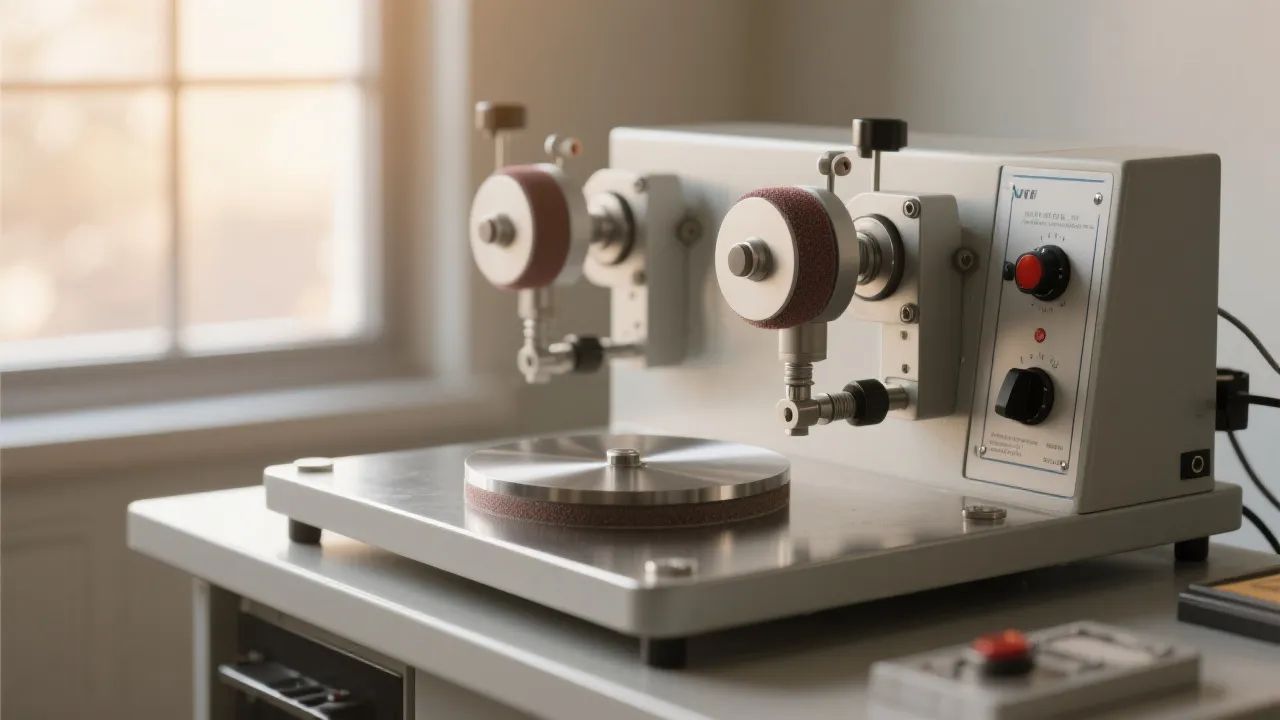



Hardness-TesterHVS-5103050-1.jpg?x-oss-process=image/resize,h_800,m_lfit/format,webp)